“Mastering the Art of DTF Transfer: A Comprehensive Guide” -MAXDTF- DTF sheet Supplier, DTF A3 Factory, Made in China
In the ever-evolving world of textile printing, Direct-to-Film (DTF) technology has emerged as a game-changer. Combining the precision of digital printing with the versatility of transfer printing, DTF technology offers unparalleled flexibility and quality. However, mastering the art of DTF transfer requires a deep understanding of the process, equipment, and techniques involved. This comprehensive guide aims to demystify the DTF transfer process, providing you with the knowledge and skills needed to achieve professional-grade results.
Understanding DTF Technology
What is DTF Printing?
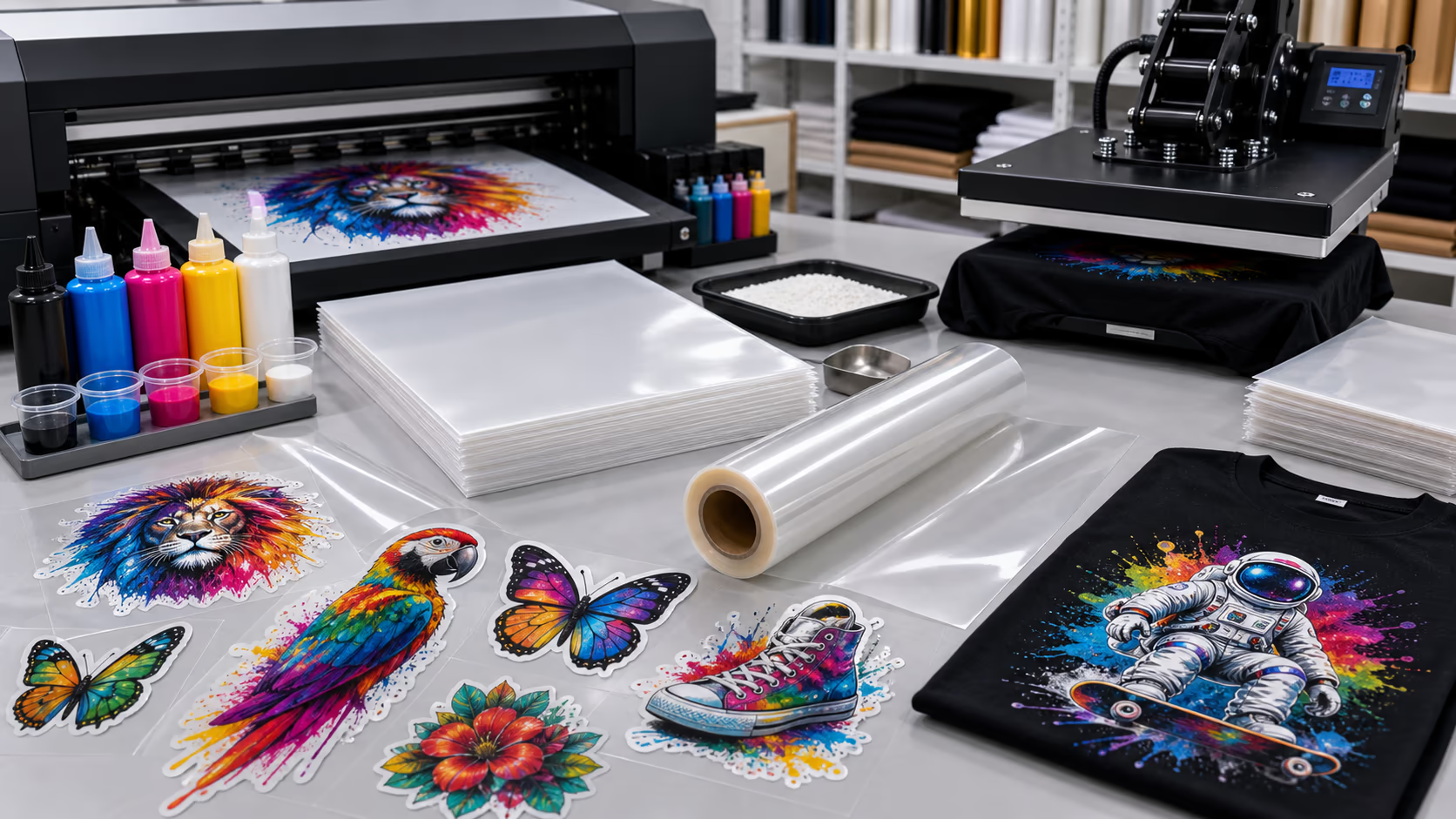
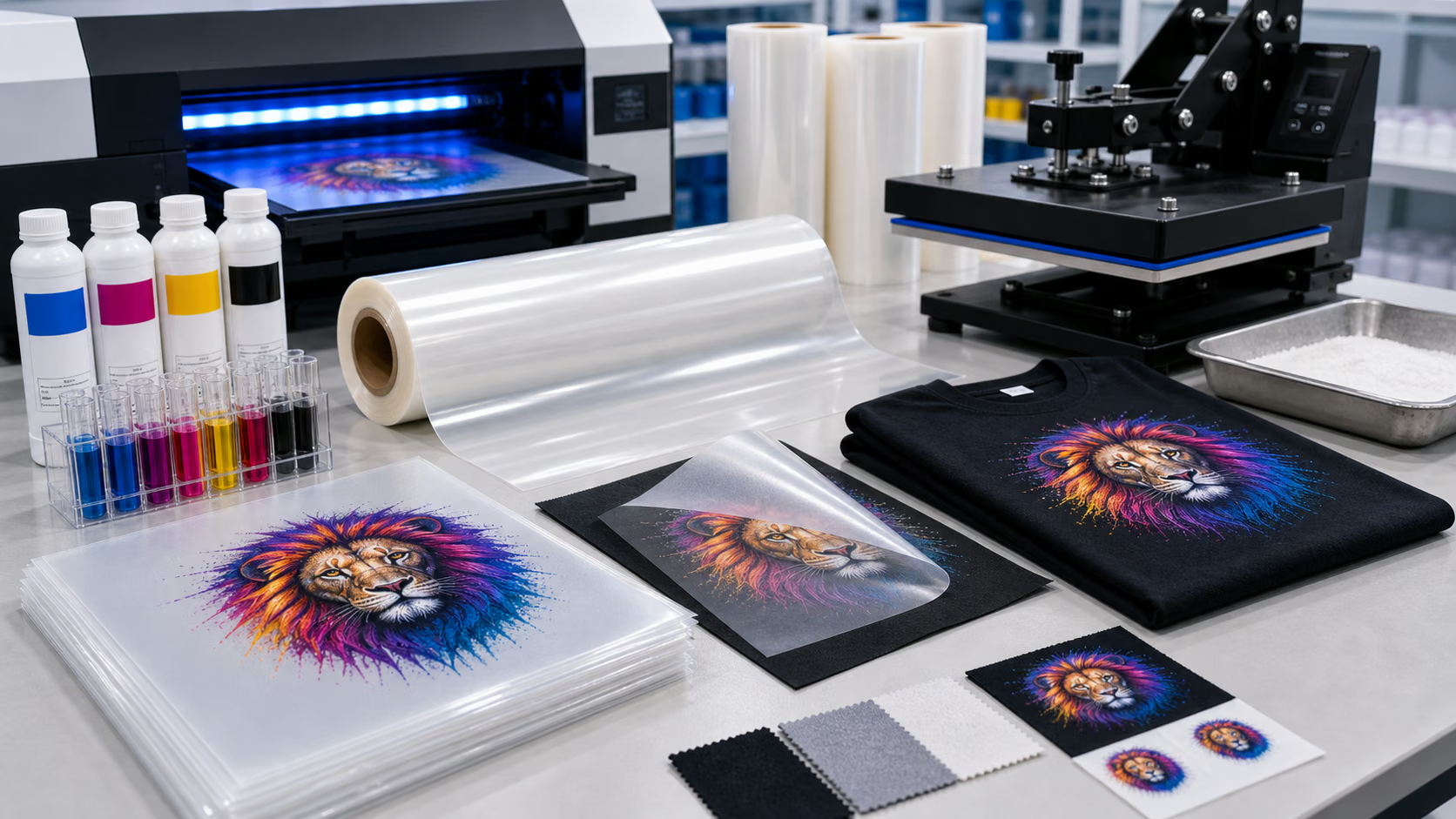
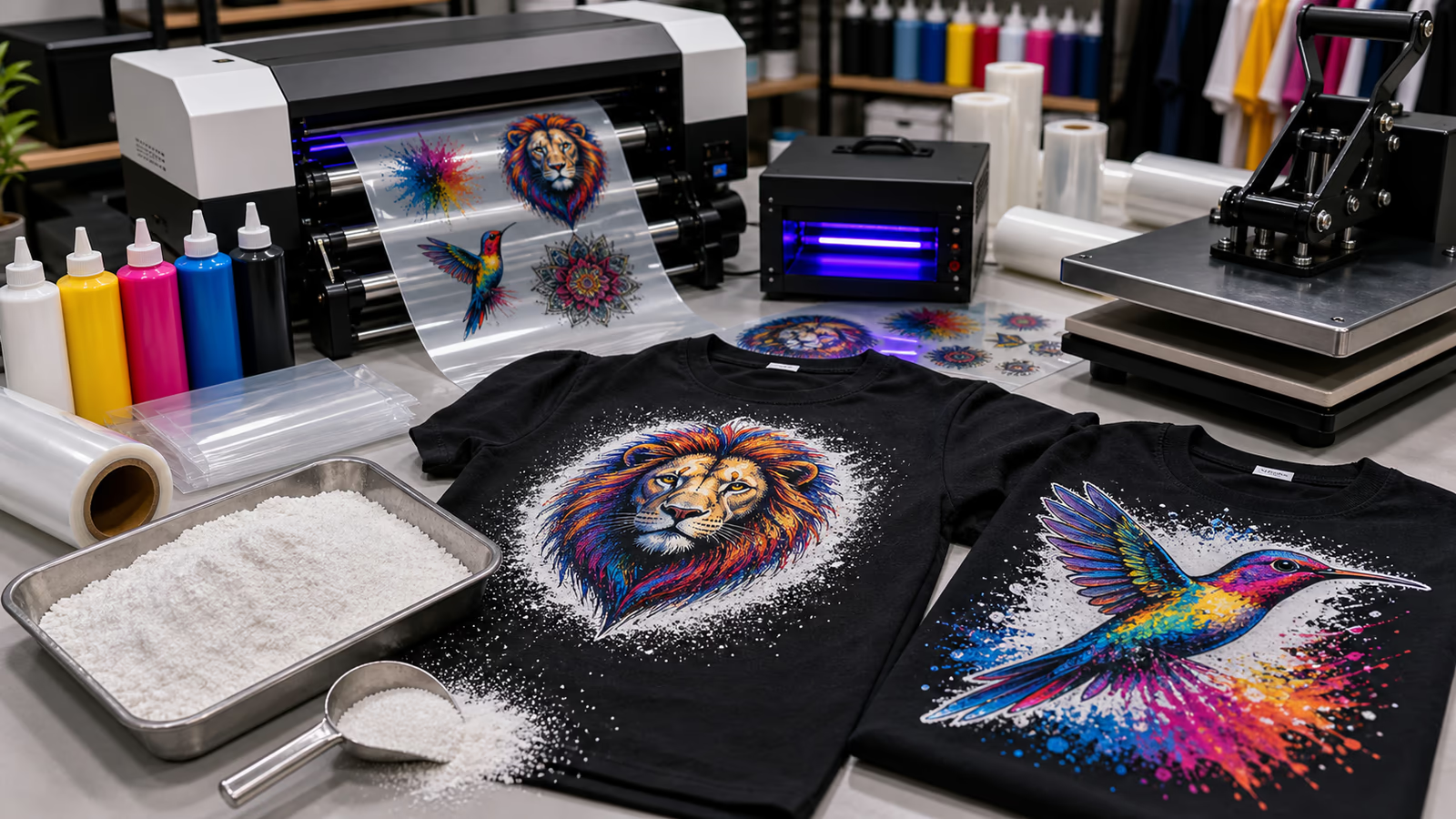
Direct-to-Film (DTF) printing is a process where designs are printed onto a special transfer film using an inkjet printer. The printed film is then coated with a special adhesive, dried, and transferred onto various substrates, such as textiles, using a heat press. This method allows for high-quality, durable prints that can be applied to a wide range of materials.
Advantages of DTF Printing
- Versatility: DTF printing can be applied to various materials, including cotton, polyester, and blends.
- High Quality: The use of CMYK and white ink ensures vibrant, detailed prints.
- Cost-Effective: DTF printing is more affordable than traditional methods for short to medium runs.
- Durability: Prints are resistant to fading, peeling, and washing.
Essential Equipment for DTF Transfer
1. DTF Printer
A DTF printer is the heart of the process. These printers use inkjet technology to print designs onto the transfer film. When choosing a DTF printer, consider factors such as print resolution, speed, and compatibility with various inks.
2. Powder Coating Machine
After printing, the transfer film needs to be coated with a special adhesive powder. A powder coating machine ensures an even, consistent application, which is crucial for a successful transfer.
3. Drying Oven
The coated film must be dried thoroughly before transfer. A drying oven helps to speed up the process, ensuring that the adhesive powder is evenly fused to the ink.
4. Heat Press
The heat press is used to transfer the printed design from the film to the substrate. A high-quality heat press with adjustable temperature and pressure settings is essential for achieving professional results.
5. Software and Design Tools
Proficiency in design software such as Adobe Illustrator, CorelDRAW, or specialized DTF design software is crucial for creating high-quality designs. Additionally, RIP (Raster Image Processor) software is necessary for preparing files for printing.
Step-by-Step DTF Transfer Process
1. Design and Preparation
- Design Creation: Use your preferred design software to create or import your artwork. Ensure that the design is optimized for CMYK printing and includes a white layer if necessary.
- File Preparation: Use RIP software to prepare the design file for printing. This involves setting up the color profile, resolution, and formatting the file for the DTF printer.
2. Printing
- Loading the Film: Insert the transfer film into the DTF printer. Ensure that the film is properly loaded to avoid any misprints.
- Ink Selection: Choose the appropriate ink set, usually a combination of CMYK and white ink. White ink is essential for achieving vibrant prints on dark or colored fabrics.
- Printing: Print your design onto the transfer film. Monitor the print job to ensure quality and make adjustments as needed.
3. Powder Coating
- Coating: Use a powder coating machine to apply the adhesive powder evenly over the printed film. The powder adheres to the ink, creating a bond that will transfer to the substrate.
- Drying: Place the coated film in a drying oven. The heat helps to fuse the powder to the ink, ensuring a strong bond for the transfer process.
4. Transfer
- Preparing the Substrate: Preheat your heat press to the recommended temperature for the type of fabric you are using. Place the fabric on the heat press platen.
- Applying the Film: Position the coated film onto the fabric, design side down. Place a transfer paper over the film to protect it during the transfer process.
- Pressing: Use the heat press to transfer the design onto the fabric. Apply the recommended temperature, pressure, and time settings for optimal results.
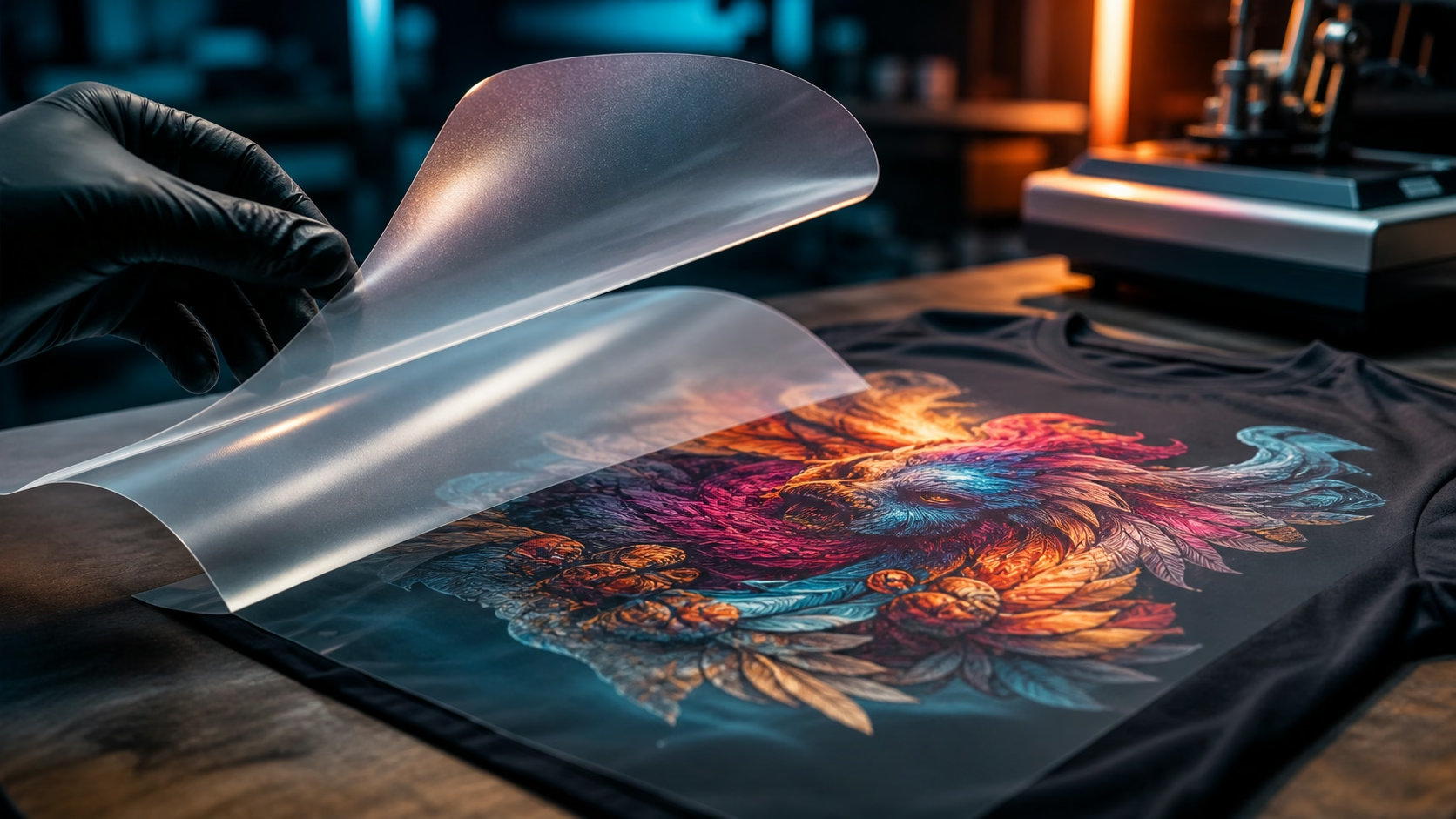
- Peeling: Once the transfer is complete, carefully peel away the transfer film and paper to reveal the printed design on the fabric.
Troubleshooting and Tips
Common Issues
- Poor Adhesion: This can be caused by insufficient powder coating, improper drying, or incorrect heat press settings. Ensure that the film is thoroughly coated, dried, and pressed according to the manufacturer’s guidelines.
- Blurred Prints: This can occur due to low print resolution or misalignment in the printer. Check your printer settings and align the print heads if necessary.
- Color Fading: Use high-quality inks and ensure that the transfer film is properly dried before pressing. Additionally, follow the recommended washing instructions for the printed fabric.
Tips for Success
- Consistency: Maintain consistent temperature, pressure, and time settings in the heat press to ensure uniform transfers.
- Quality Control: Regularly check the quality of your prints and make adjustments as needed. This includes checking for ink coverage, powder adhesion, and transfer integrity.
- Training: Invest time in learning the intricacies of the DTF process. Attend workshops, watch tutorials, and seek advice from industry professionals.
Conclusion
Mastering the art of DTF transfer is a rewarding endeavor that opens up a world of creative possibilities in textile printing. By understanding the essential equipment, following the step-by-step process, and addressing common challenges, you can achieve professional-grade results that rival traditional printing methods. Whether you’re a seasoned printer or a newcomer to the field, DTF technology offers a versatile, cost-effective solution for bringing your designs to life.