“Bring your designs to life with DTF Film warm peel transfer!” -MAXDTF- DTF PET Film Factory, DTF Digital Transfer paper Manufacturer, Made in China
In the dynamic landscape of custom printing, innovations continue to reshape how businesses and creators bring designs to life. Among these advancements, DTF (Direct-to-Film) printing has emerged as a game-changer, offering unparalleled flexibility across a wide range of substrates. Within the DTF ecosystem, warm peel transfer stands out as a critical technique that balances efficiency, quality, and ease of use. This article delves into the nuances of DTF Film warm peel transfer, exploring its working principle, core advantages, applications, and why it has become a preferred choice for printing professionals worldwide.
Understanding DTF Film Warm Peel Transfer: Basics and Working Principle
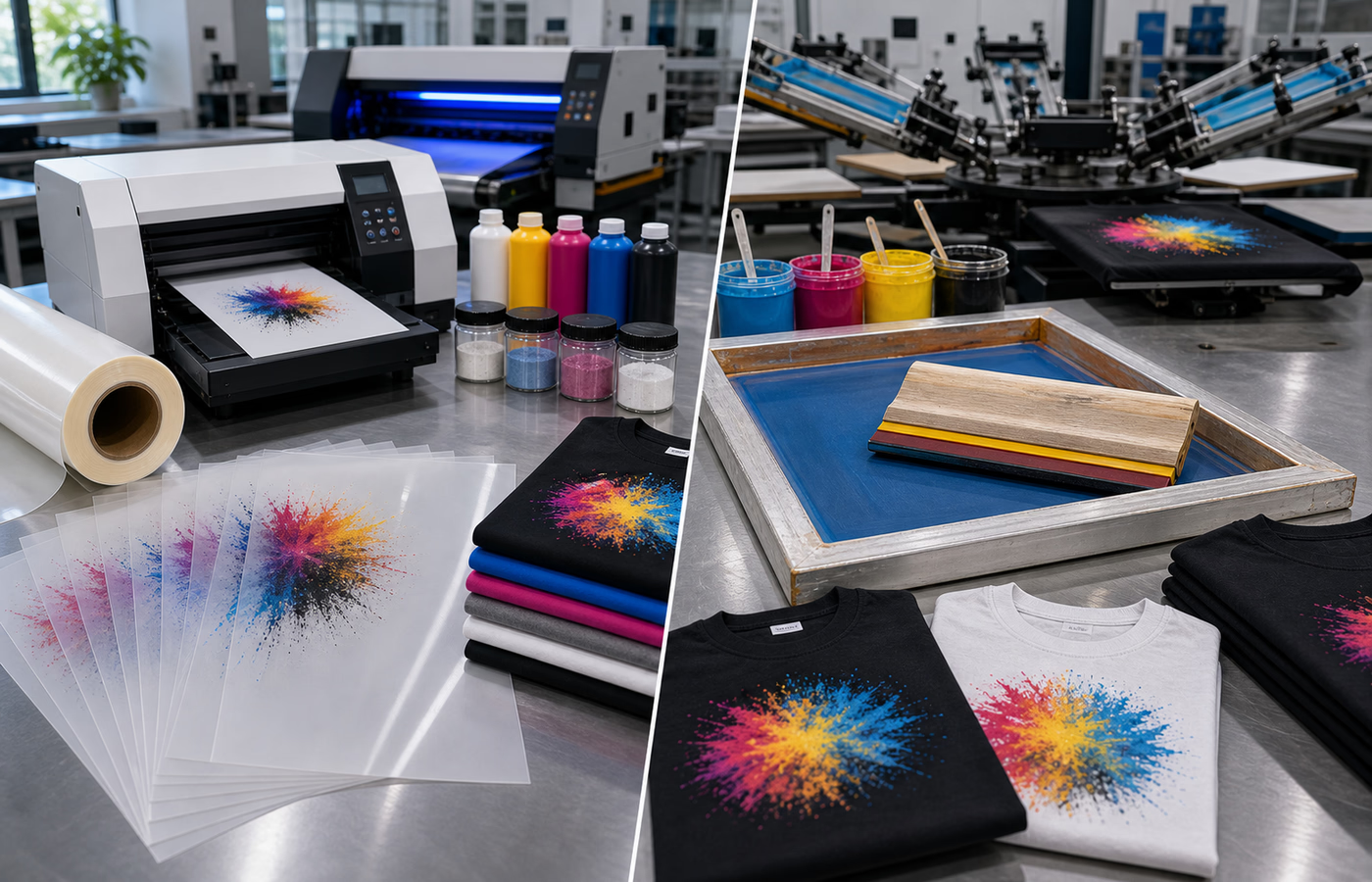
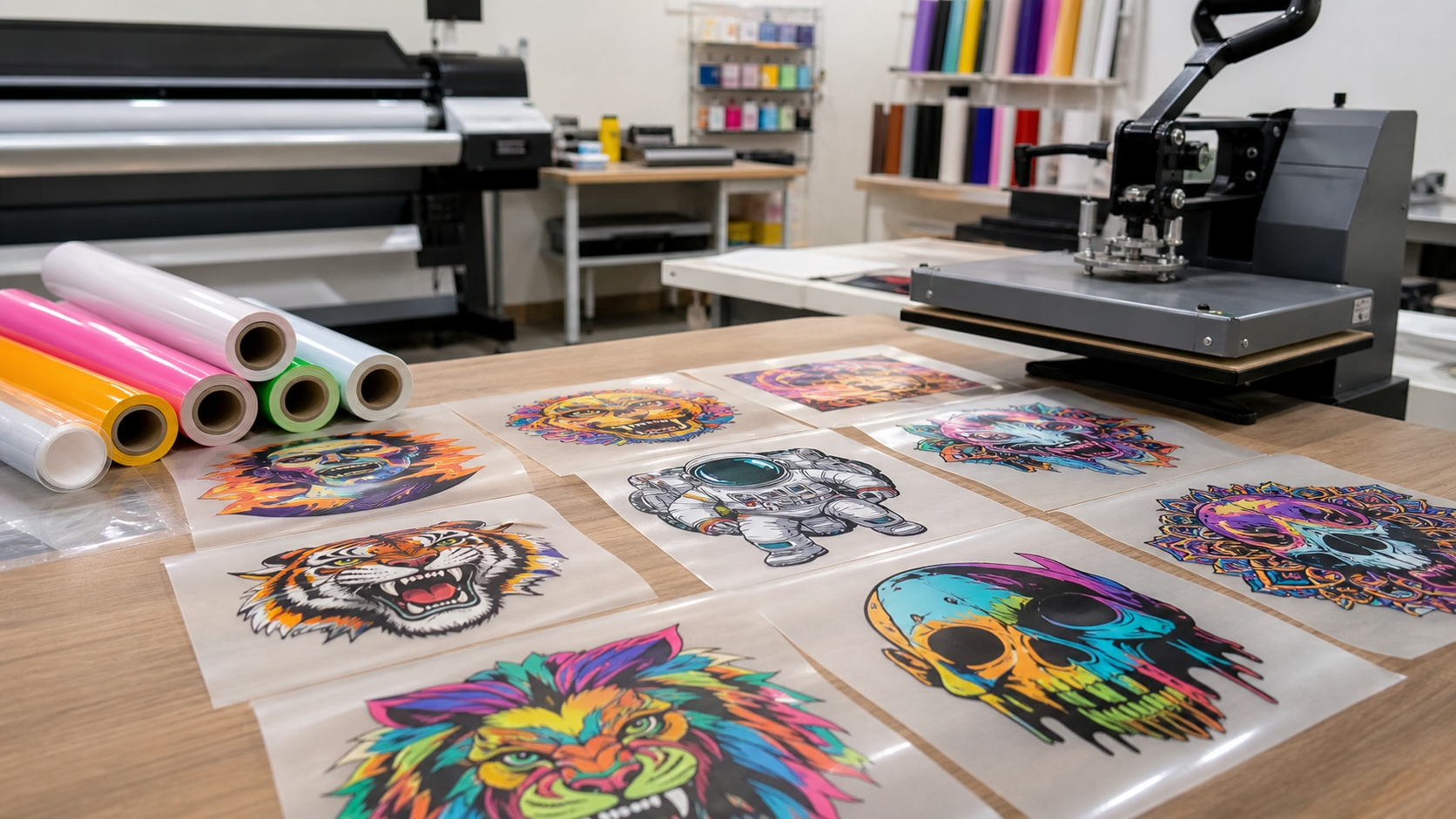
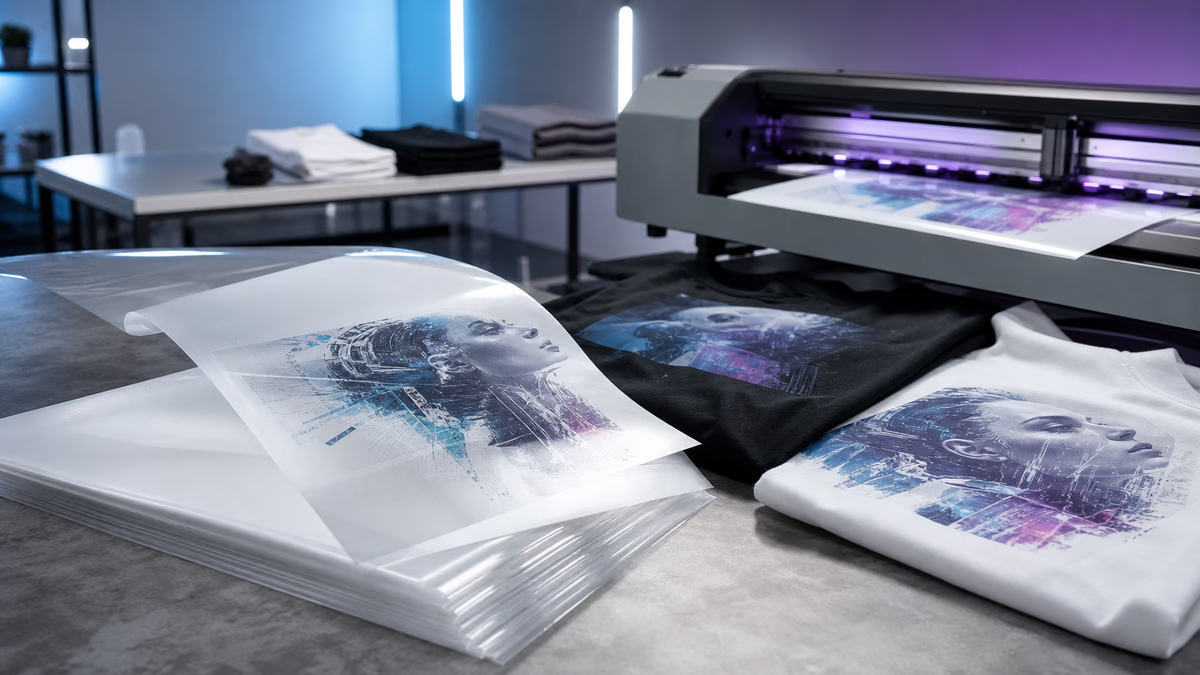
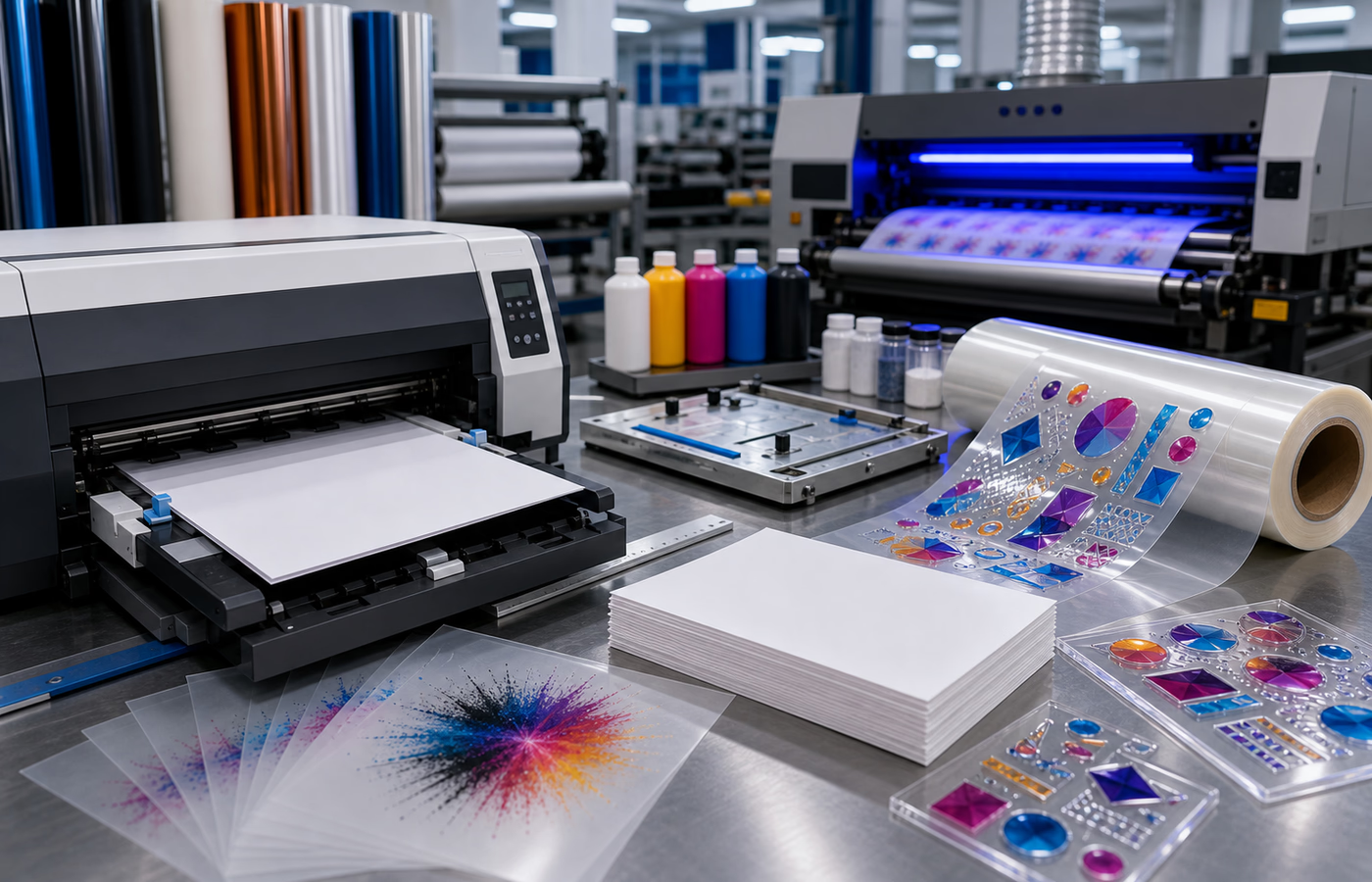
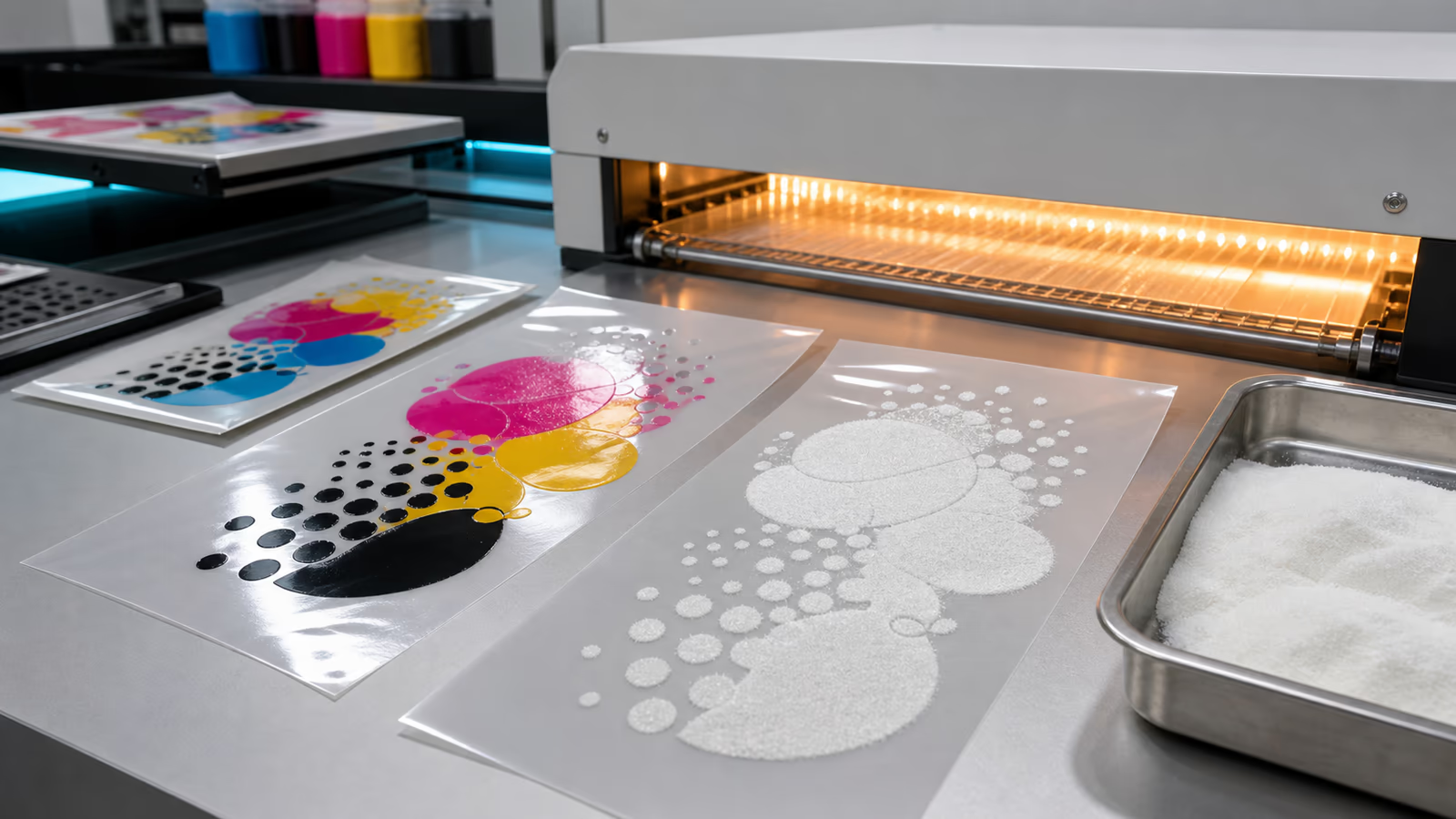
To understand DTF Film warm peel transfer, it is first essential to grasp the basics of DTF printing. Unlike traditional methods such as screen printing or heat transfer vinyl (HTV), DTF printing involves printing designs directly onto a special film using water-based inks. A layer of hot-melt adhesive is then applied to the printed film, which acts as the bonding agent between the design and the target substrate. The warm peel transfer process comes into play after the film is heat-pressed onto the material: instead of waiting for the film to cool completely (as in cold peel transfer), the user peels off the film while it is still warm—typically within 10 to 30 seconds after removing the heat press.
Core Advantages of DTF Film Warm Peel Transfer
One of the most compelling advantages of DTF Film warm peel transfer is its time efficiency. In fast-paced production environments, reducing cycle time is crucial for meeting tight deadlines and scaling operations. Cold peel transfer requires waiting several minutes for the film to cool, which can create bottlenecks in high-volume printing jobs. Warm peel transfer eliminates this waiting period, allowing operators to move quickly from one print to the next. This efficiency boost is particularly beneficial for small businesses, custom apparel shops, and event merchandisers who need to fulfill orders rapidly without compromising on quality.
Another key benefit is its versatility across substrates. DTF Film warm peel transfer works seamlessly with a diverse range of materials, including cotton, polyester, blends, leather, canvas, and even some synthetic fabrics. This versatility is a significant advantage over HTV, which often requires different types of vinyl for different materials, or screen printing, which struggles with intricate designs on textured surfaces. Whether printing custom t-shirts, hoodies, bags, or accessories, warm peel transfer ensures consistent adhesion and vibrant color reproduction, making it a one-stop solution for various printing needs.
Quality is another area where DTF Film warm peel transfer excels. The warm peel process helps to achieve a smooth, soft finish that integrates seamlessly with the substrate, avoiding the stiff, plastic-like feel often associated with HTV. The water-based inks used in DTF printing produce rich, true-to-life colors, and the warm peel method preserves the integrity of the design, preventing smudging or fading. Additionally, the hot-melt adhesive creates a strong bond that is resistant to washing and wear, ensuring that printed items maintain their quality even after repeated laundering—a critical factor for apparel and textile products.
Wide-Ranging Applications of DTF Film Warm Peel Transfer
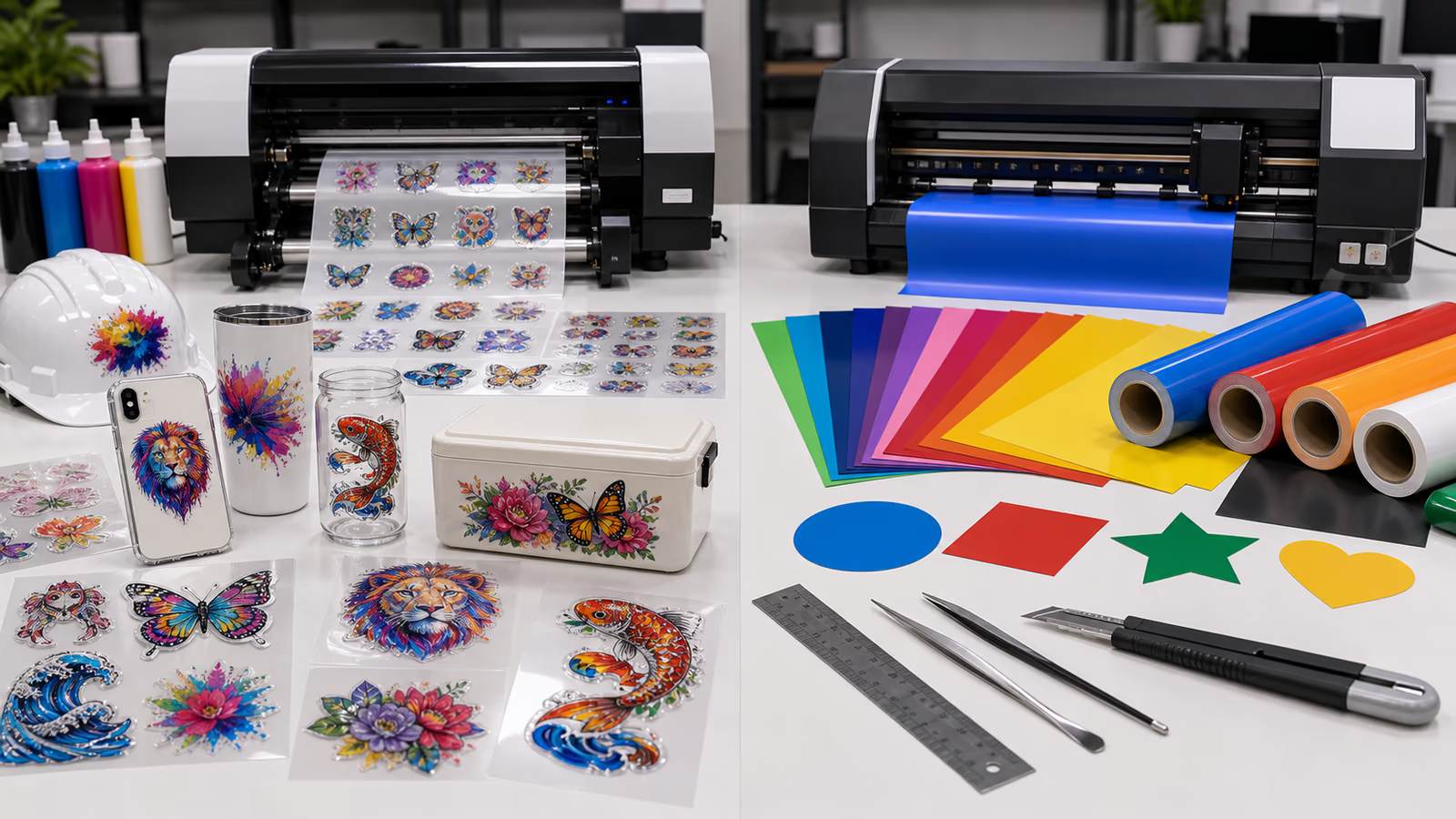
The applications of DTF Film warm peel transfer are vast and continue to expand as the technology gains popularity. In the apparel industry, it is widely used for custom t-shirts, sportswear, and promotional clothing, allowing brands to create unique designs with minimal setup time. It is also a favorite among crafters and hobbyists for creating personalized gifts, such as custom bags, hats, and home décor items. Beyond textiles, warm peel transfer is increasingly being used in the promotional products sector for printing on items like mouse pads, keychains, and phone cases. Its ability to handle small batch sizes and intricate designs makes it ideal for on-demand printing, a growing trend in the custom products market.
Key Considerations for Successful Warm Peel Transfer
While DTF Film warm peel transfer offers numerous benefits, it is important to note that success depends on proper technique and equipment. Using high-quality DTF film and adhesive is essential, as subpar materials can lead to poor adhesion or color bleeding. Additionally, maintaining the correct heat and pressure settings on the heat press is crucial—typically between 140°C to 160°C (284°F to 320°F) and 3 to 5 kg/cm² of pressure, depending on the substrate. Following these guidelines ensures that the warm peel process yields consistent, professional results.
Conclusion: The Future of Custom Printing with Warm Peel Transfer
In conclusion, DTF Film warm peel transfer has revolutionized the custom printing industry by combining efficiency, versatility, and quality in a single technique. Its ability to reduce production time, work with a wide range of materials, and produce soft, durable prints makes it an indispensable tool for printing professionals and creators alike. As the demand for custom, on-demand products continues to grow, warm peel transfer is poised to remain at the forefront of DTF printing technology, empowering businesses to meet customer needs faster and more effectively than ever before. Whether for small-batch crafts or large-scale promotional campaigns, DTF Film warm peel transfer is more than just a printing method—it is a catalyst for creativity and productivity in the modern printing landscape.