“Uncover the Origins of DTF A4 – Where It All Began!” -MAXDTF- DTF Film A3 Manufacturer, DTF Film Factory, Made in China
Direct-to-Film (DTF) printing has revolutionized the custom printing industry by offering a versatile, cost-effective, and high-quality alternative to traditional printing methods. Among the various forms of DTF printing, the DTF A4 format has gained significant popularity for its compact size and efficiency in handling small to medium-sized prints. But where did DTF A4 originate? This article delves into the history and evolution of DTF A4 printing, tracing its roots and exploring how it has become a cornerstone in the world of custom printing.
The Birth of DTF Printing
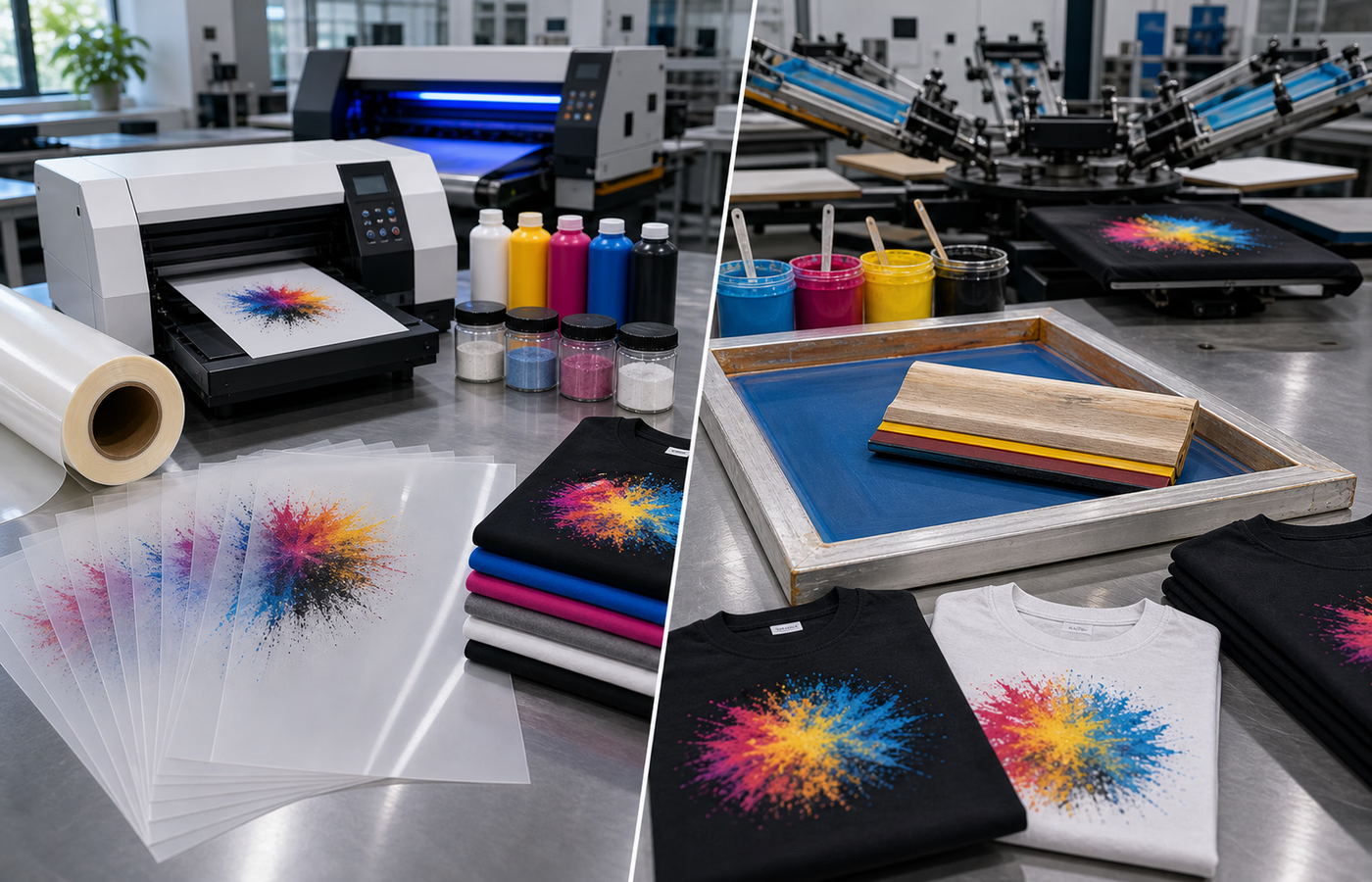
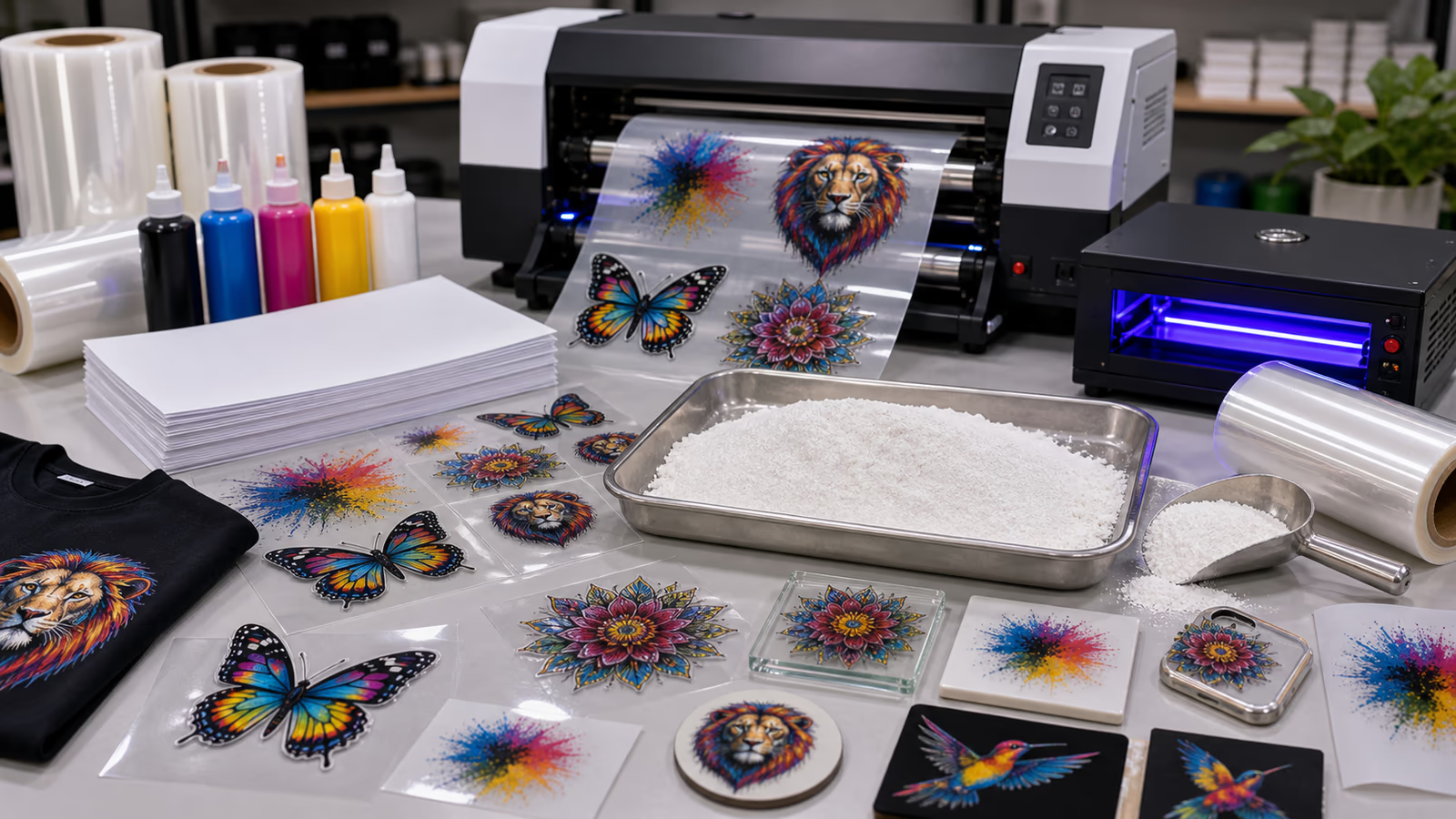
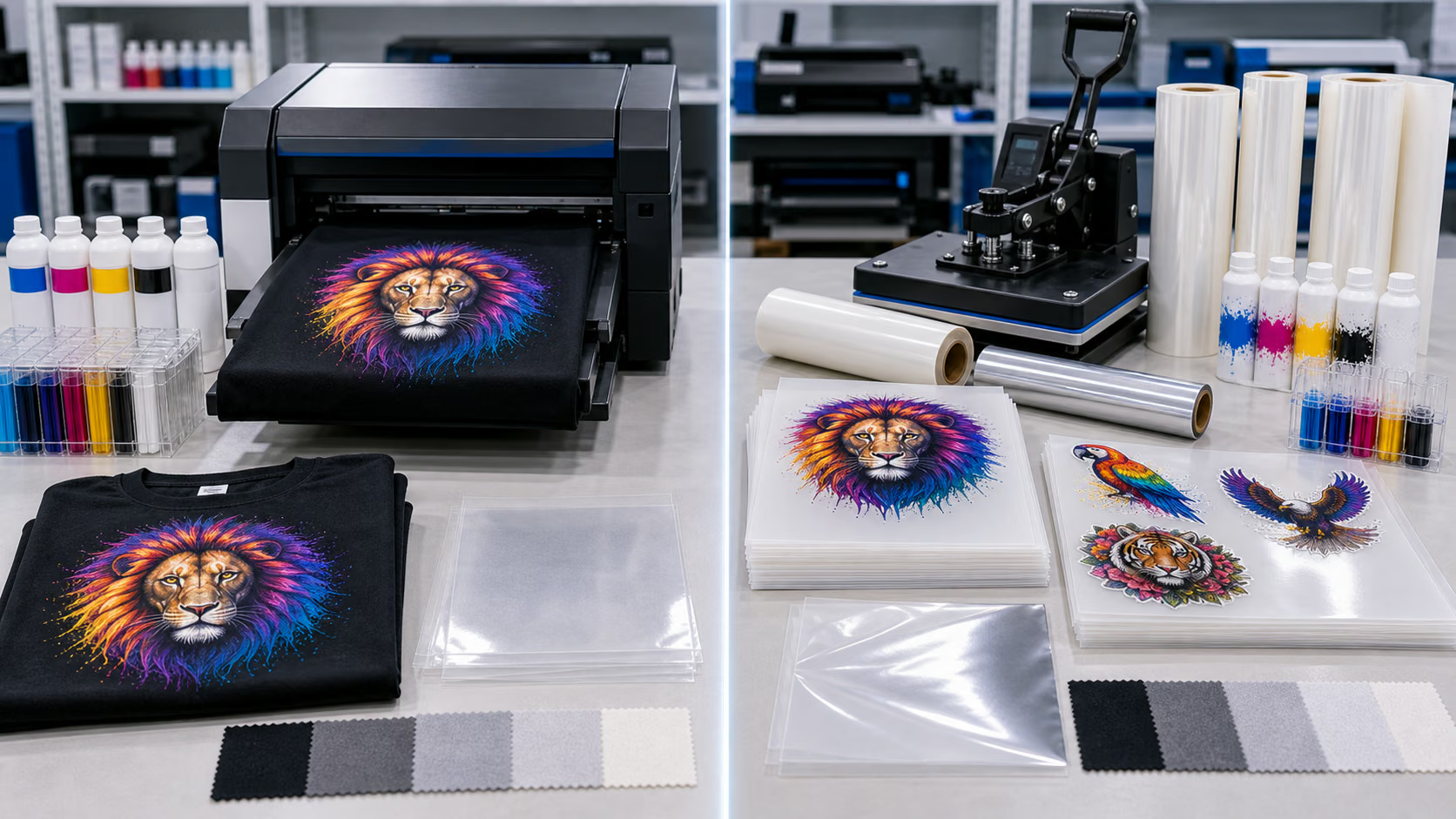
DTF printing traces its origins back to the early 2000s when the demand for custom printing on textiles and other substrates began to surge. Traditional printing methods, such as screen printing and thermal transfer, were effective but lacked the flexibility and efficiency needed to meet the growing market demands. This led to the development of DTF technology, which combined the benefits of inkjet printing with the precision of heat transfer processes.
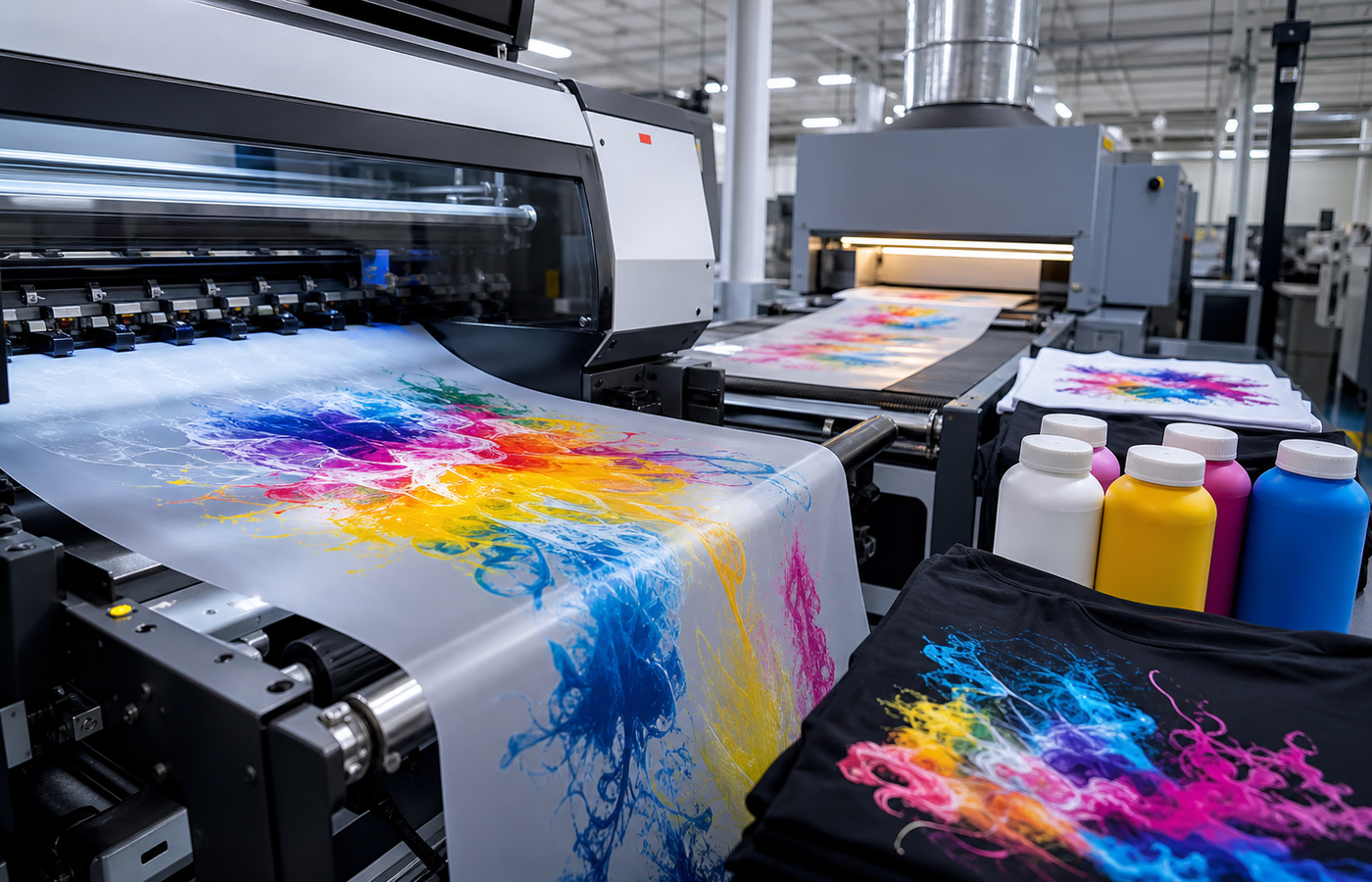
The core idea behind DTF printing was to create a system that allowed for the direct application of digital designs onto transfer film, which could then be easily transferred to various substrates. This technology eliminated the need for costly and time-consuming setup processes, making it ideal for small-batch and on-demand printing.
The Emergence of DTF A4
As DTF printing technology evolved, manufacturers began to focus on creating compact and affordable solutions for small businesses and hobbyists. The DTF A4 format was introduced as a response to the need for a smaller, more accessible version of DTF printers. Named after the A4 paper size (210 x 297 mm), these printers are designed to handle smaller printing jobs, making them perfect for businesses with limited space and budget constraints.
The DTF A4 printers were initially developed in East Asia, particularly in countries like China and South Korea, which are known for their expertise in digital printing technology. These regions have a long history of innovation in the printing industry, and DTF A4 printers were a natural extension of their commitment to advancing printing solutions.
Key Features of DTF A4 Printers
DTF A4 printers come with a range of features that make them highly attractive for small-scale printing operations:
- Compact Design: The A4 format ensures that these printers take up minimal space, making them ideal for home-based businesses or small printing studios.
- Affordability: By focusing on smaller prints, DTF A4 printers are more affordable than their larger counterparts, opening up opportunities for entrepreneurs and small businesses.
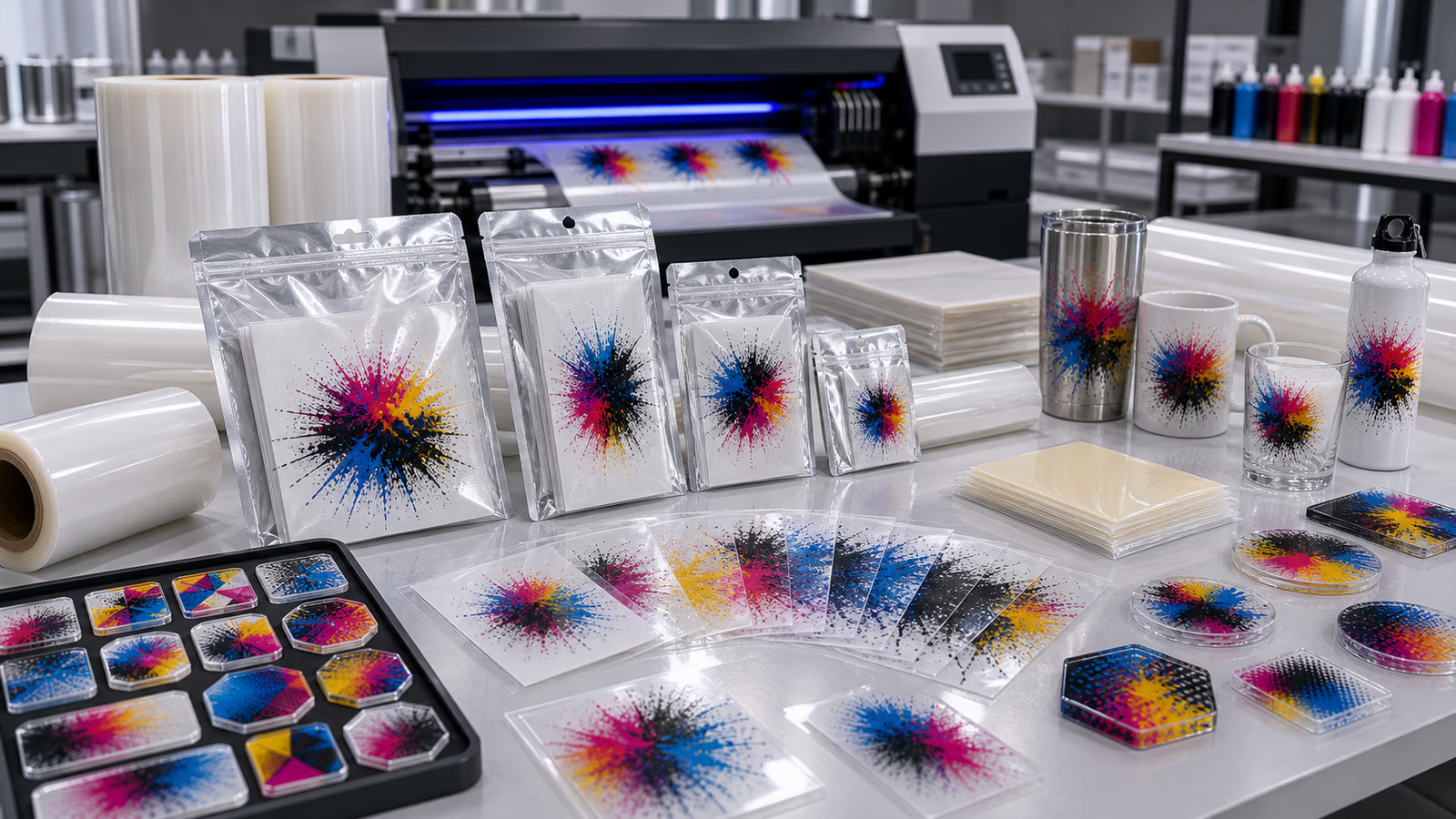
- Versatility: Despite their compact size, DTF A4 printers can handle a wide range of substrates, including textiles, plastics, and paper.
- Ease of Use: The simplified printing process, coupled with user-friendly interfaces, makes DTF A4 printers accessible even for those with limited technical expertise.
Evolution and Global Adoption
Since their inception, DTF A4 printers have gained widespread adoption around the world. Their compact size, affordability, and ease of use have made them a popular choice for a variety of applications, including custom apparel, promotional goods, and home decor.
The global adoption of DTF A4 printers has been accelerated by the rise of e-commerce and the increasing demand for personalized products. Online marketplaces have provided a platform for small businesses to showcase their custom-printed goods, further driving the popularity of DTF A4 printers.
Challenges and Future Prospects
While DTF A4 printers have seen remarkable growth, they also face certain challenges. One of the primary limitations is the size constraint, which makes them unsuitable for large-scale or bulk printing jobs. Additionally, the market is highly competitive, with numerous manufacturers offering similar products.
However, ongoing innovations in DTF technology continue to address these challenges. Improvements in printhead technology, ink formulations, and automation are making DTF A4 printers more efficient and capable of handling a broader range of applications. Suppliers are also focusing on sustainability, introducing eco-friendly inks and materials to appeal to environmentally conscious buyers.
Conclusion
The origins of DTF A4 printing can be traced back to the early 2000s, with the technology initially emerging in East Asia. Designed as a compact and affordable solution for small-scale printing, DTF A4 printers have since become a staple in the custom printing industry. Their versatility, ease of use, and accessibility have made them a popular choice for businesses and hobbyists alike.
As the demand for personalized products continues to grow, DTF A4 printers are poised to play a significant role in shaping the future of the printing industry. With ongoing innovations and a strong commitment to sustainability, these compact printers will remain a key player in the world of custom printing, empowering businesses to bring their creative visions to life.