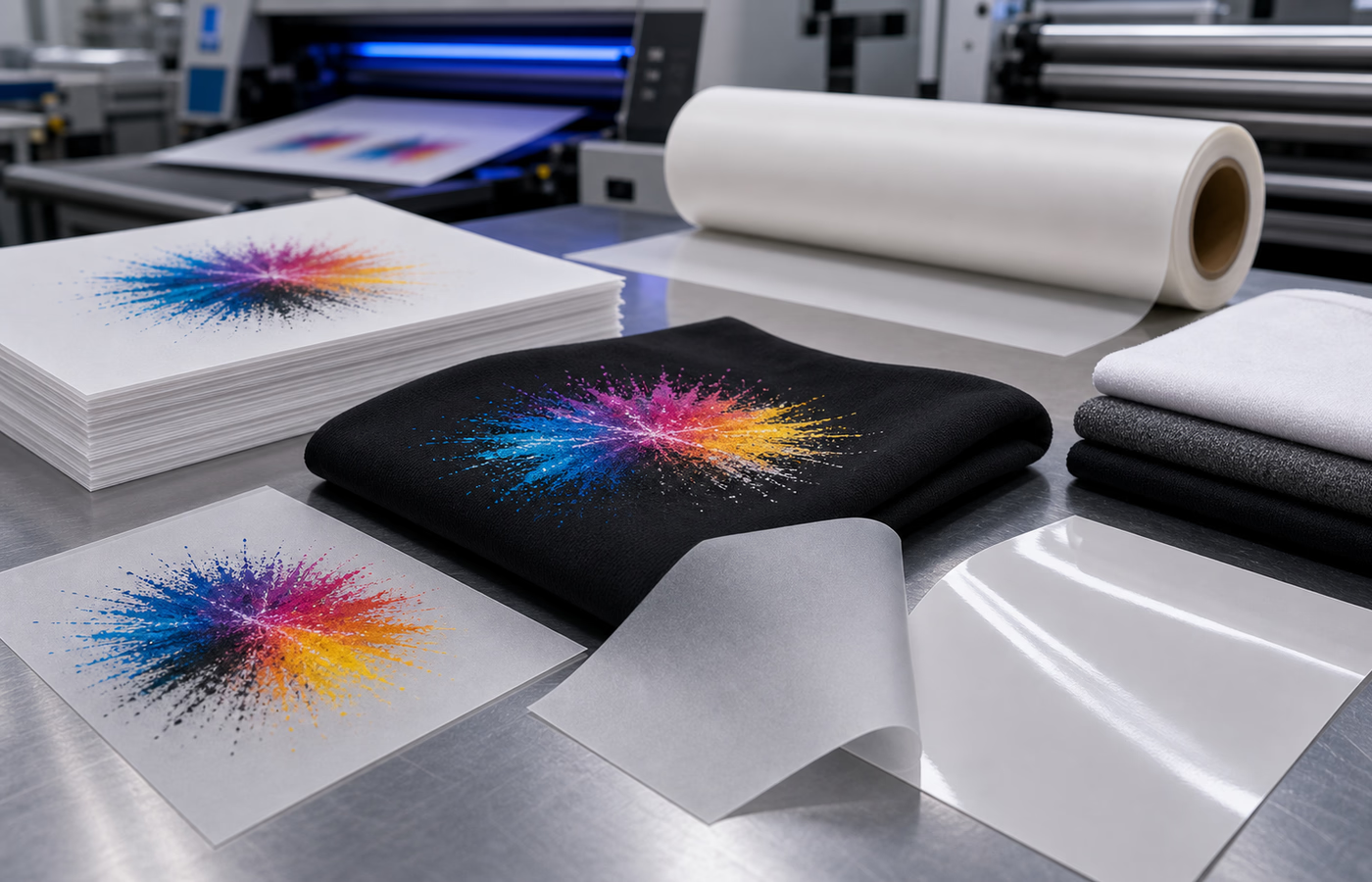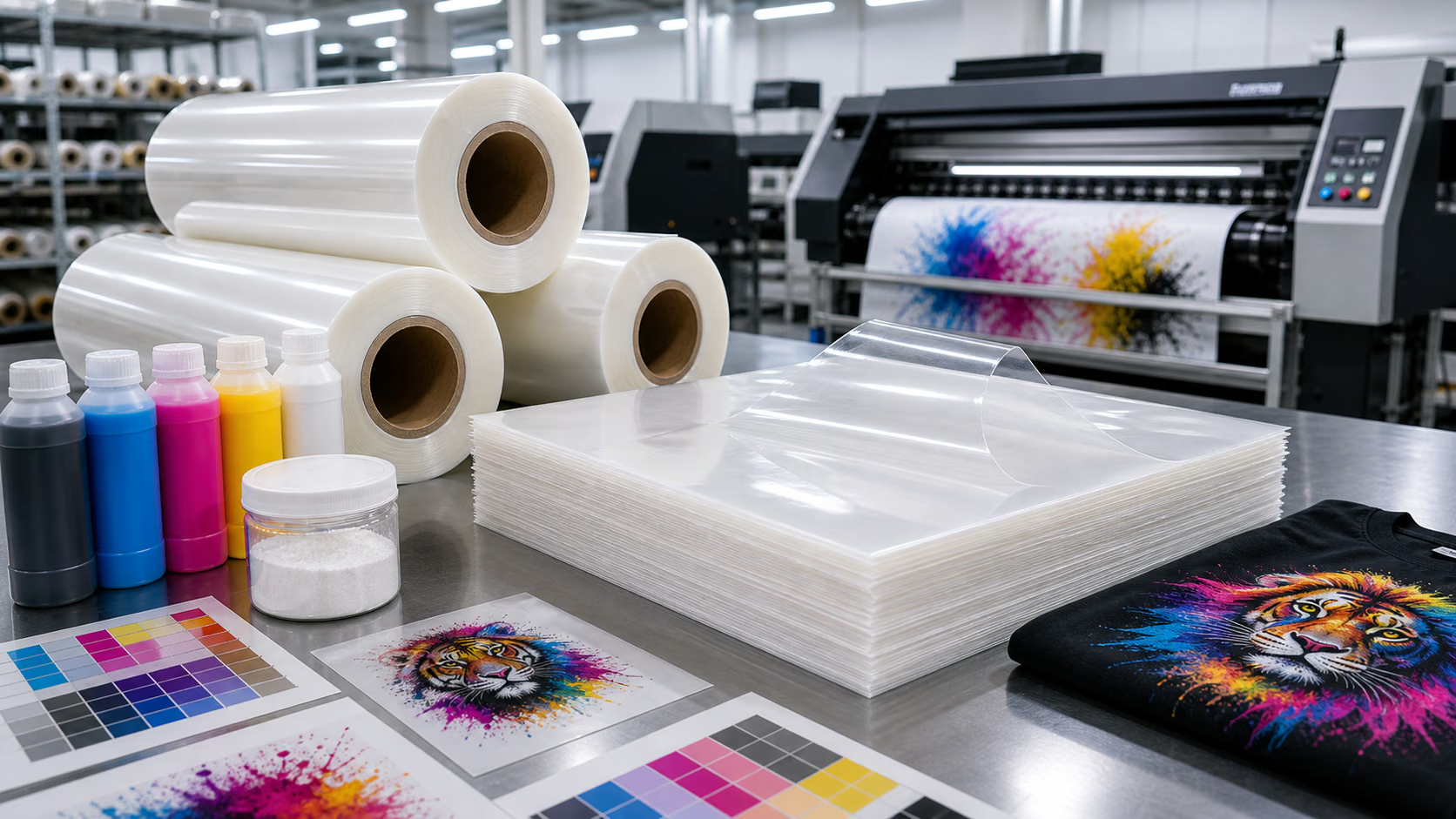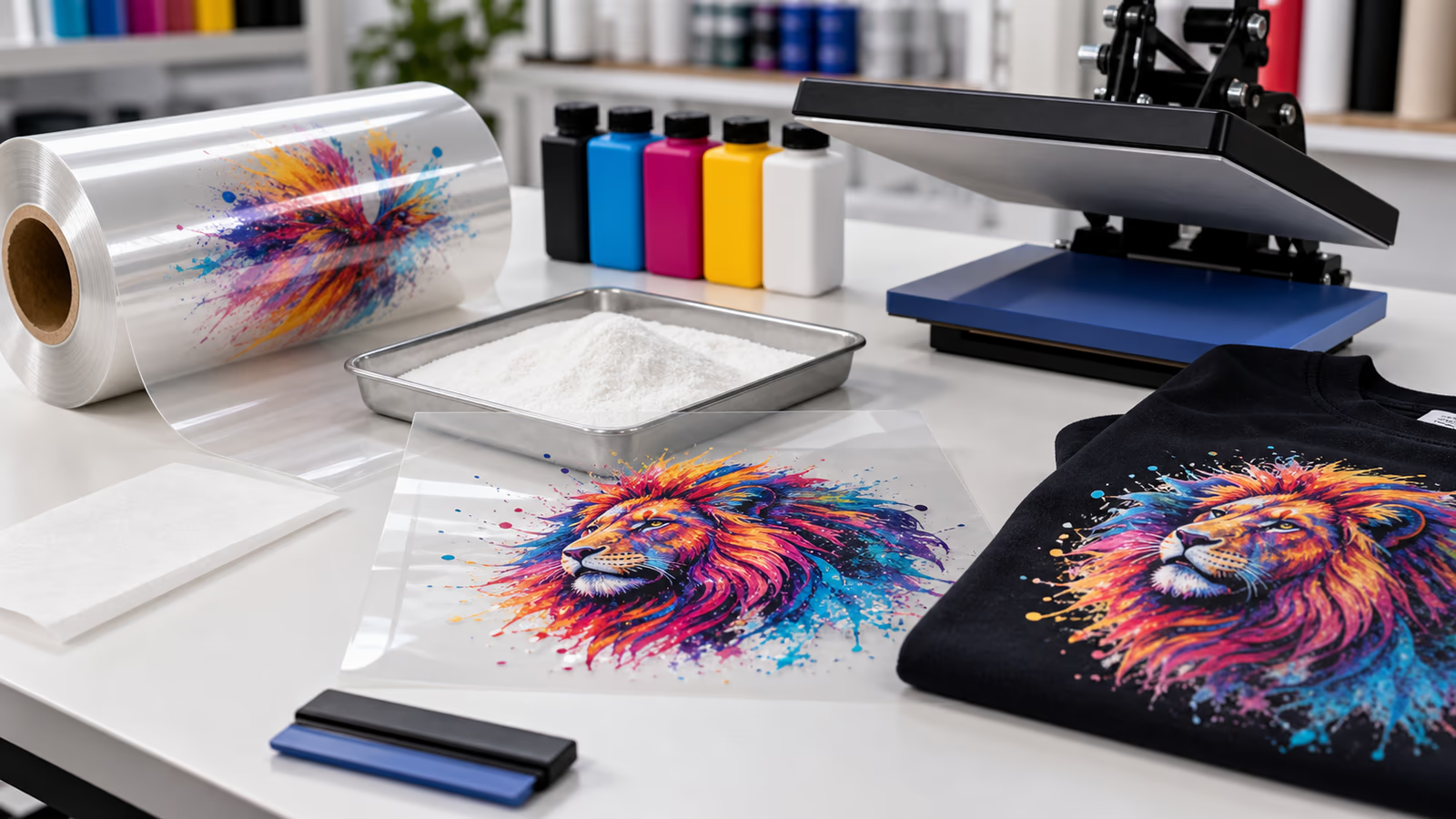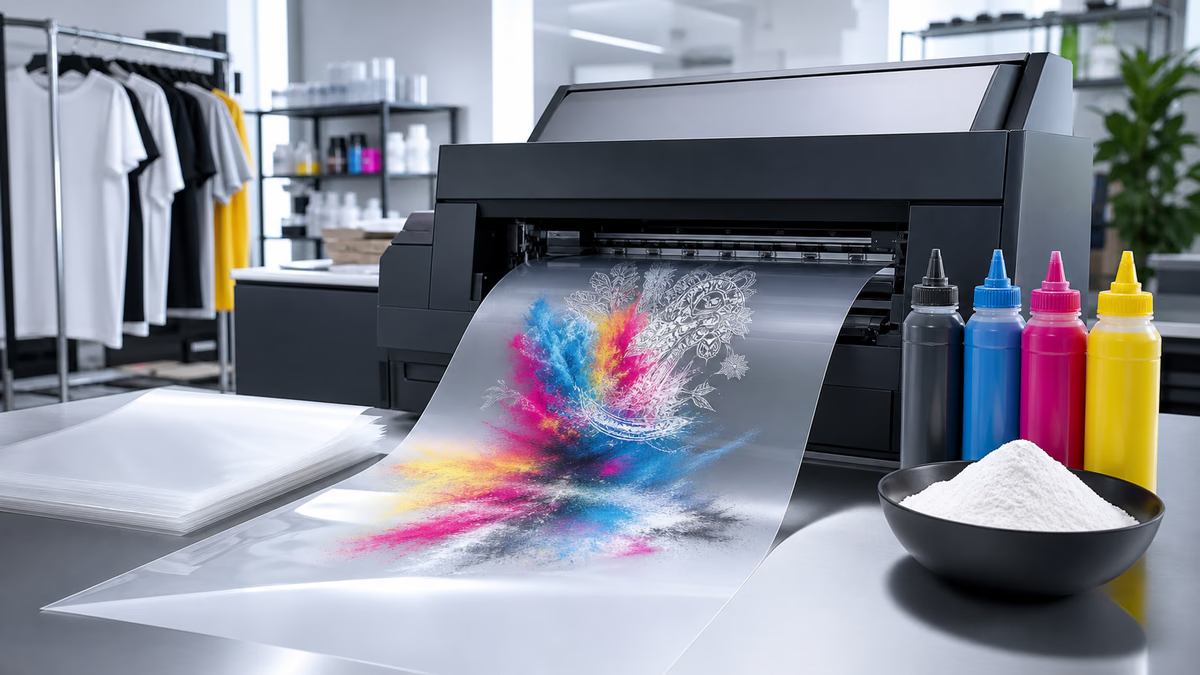
“Experience the Magic of Direct to Film Transfer Papers – Feel the Difference!” -MAXDTF- 13 x 19 DTF Film Manufacturer, PET Film DTF roll Factory, Made in China
Direct-to-film transfer papers have become increasingly popular in the printing industry for their versatility, durability, and ease of use. These specialized papers are designed to transfer printed designs directly onto various substrates, including t-shirts, mugs, and other promotional items. But one of the most common questions among both beginners and experienced printers is: What do direct-to-film transfer papers feel like? Let’s explore the texture, feel, and overall experience of using these papers.
The Texture of Direct-to-Film Transfer Papers
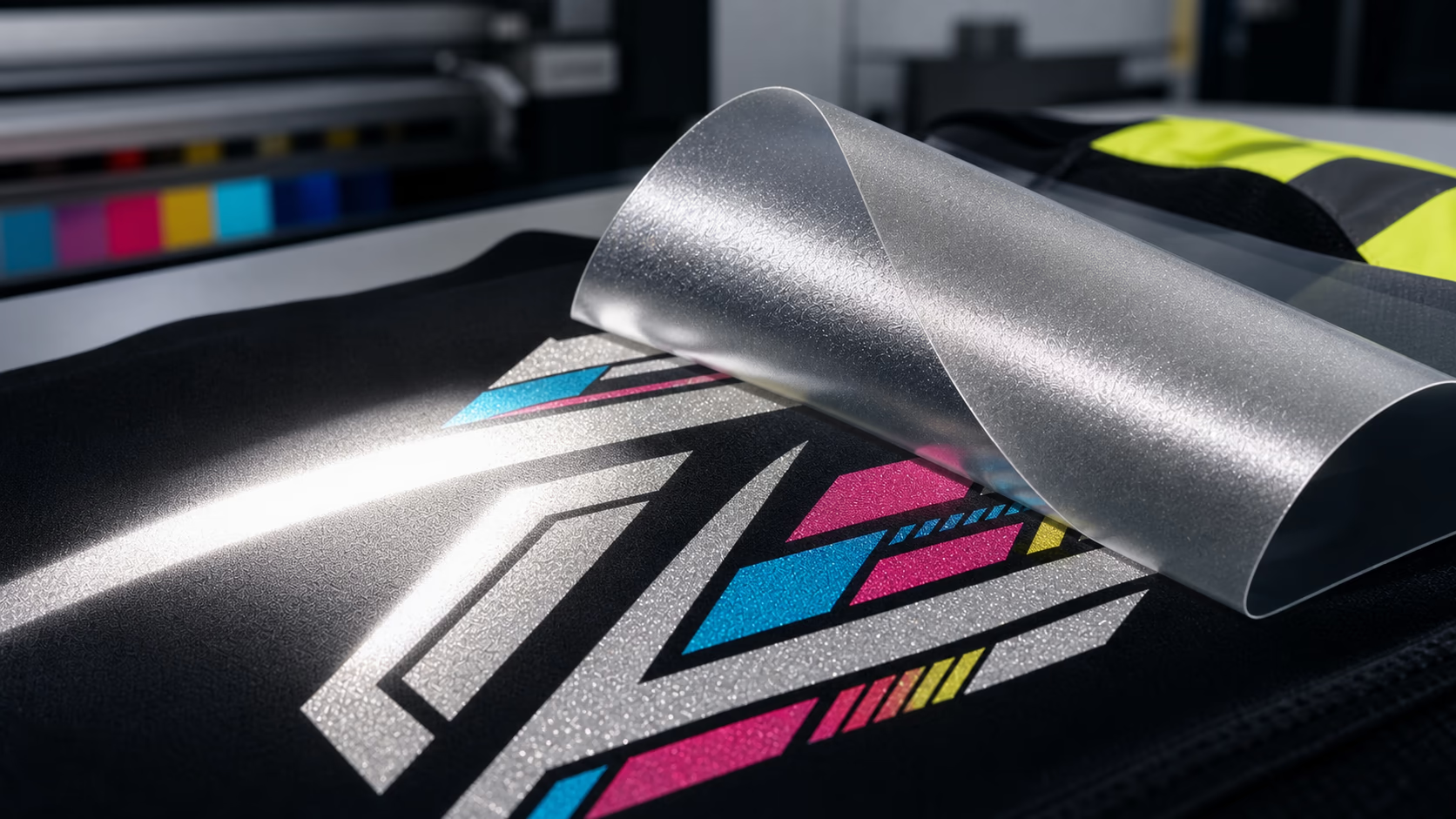
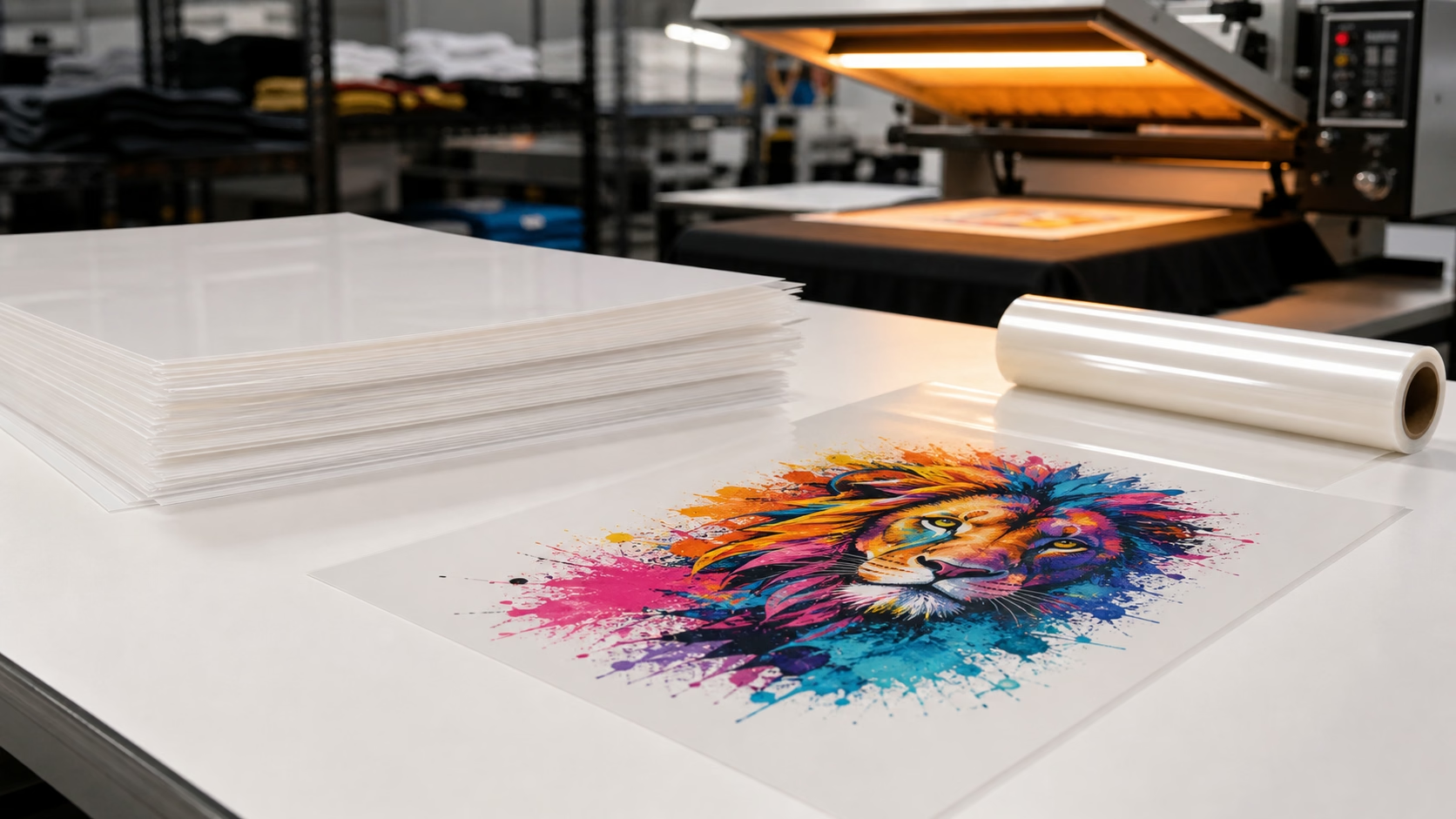
Direct-to-film transfer papers are typically made from a polyvinyl chloride (PVC) material, which is known for its flexibility and durability. When you handle the paper, you’ll notice that it feels smooth to the touch, much like standard glossy or matte photo paper. However, the surface is slightly thicker and more robust, which makes it easier to handle during the printing and transfer process.
The smoothness of the paper is crucial because it ensures that the printed design adheres well to the transfer film. The inkjet ink used on these papers dries quickly, creating a durable bond between the design and the substrate. Depending on the brand and finish (glossy or matte), the texture may vary slightly, but overall, the papers are designed to be user-friendly and easy to work with.
The Feel of the Transfer After Application
The most important aspect of direct-to-film transfer papers is how the final product feels after the design has been transferred onto the substrate. Since these papers are designed for use on fabrics, the feel of the transfer is a major consideration for both printers and end-users.
- On Fabrics: When a design is transferred onto a t-shirt or similar fabric, the film creates a slightly stiff layer over the printed area. This is because the PVC material acts as a protective layer for the design, making it durable and resistant to wear and tear. While the transfer is more durable than traditional heat transfer papers, some users may find that it feels slightly textured, especially on lighter or thinner fabrics. However, newer technologies are improving the flexibility of direct-to-film transfers, making them feel softer and more comfortable over time.
- On Rigid Substrates: When used on items like mugs, plaques, or other hard surfaces, direct-to-film transfers create a smooth, durable finish. The PVC layer ensures that the design doesn’t scratch or fade, and the feel is clean and professional.
Can You Make Direct-to-Film Transfers Feel Softer?
Many users are curious about whether direct-to-film transfers can be made softer. While these transfers are designed to be durable and long-lasting, there are a few tips to enhance their feel:
- Use a Heat Press with Pressure: Applying consistent pressure during the transfer process can help the film adhere more evenly to the fabric, reducing the stiffness of the final product.
- Consider a Calendering Process: Some professional printers use a calendering process to smooth out the transfer film, making it feel softer.
- Choose High-Quality Papers: Some brands offer direct-to-film papers specifically designed to provide a softer feel, so it’s worth researching or testing different products.
Why the Feel Matters
The feel of a direct-to-film transfer is important because it directly impacts the user experience. If the transfer feels too stiff or uncomfortable, it may not be as appealing to customers. However, the durability and longevity of these transfers often outweigh the slightly textured feel, especially for businesses that prioritize high-quality, long-lasting designs.
Conclusion
Direct-to-film transfer papers are smooth, durable, and easy to work with, but they do leave a slightly textured feel on fabrics after application. While this may not be ideal for every user, advancements in technology are making these transfers softer and more flexible. Ultimately, the choice to use direct-to-film transfer papers comes down to your specific needs—whether you prioritize durability, longevity, or the softness of the final product.