“Bring your designs to life with What’s DTF Transfer Film glossy transfer!” -MAXDTF- DTF Film for Epson F2100 Manufacturer, DTF Transfer Film 8.5 x 11 Factory, Made in China
In the dynamic world of DTF (Direct-to-Film) printing, glossy transfer has emerged as a sought-after technique, elevating the visual appeal of custom prints. At its core, DTF Transfer Film glossy transfer refers to the process of using specialized glossy DTF film to create prints with a smooth, reflective finish that enhances color vibrancy and tactile quality. This article demystifies the concept, exploring its technical foundations, key benefits, application scenarios, and how it differs from other DTF finishes.
1. Defining DTF Transfer Film Glossy Transfer: Core Concepts
To grasp glossy transfer, it’s essential to break down its two key components: the specialized DTF film and the transfer process itself.
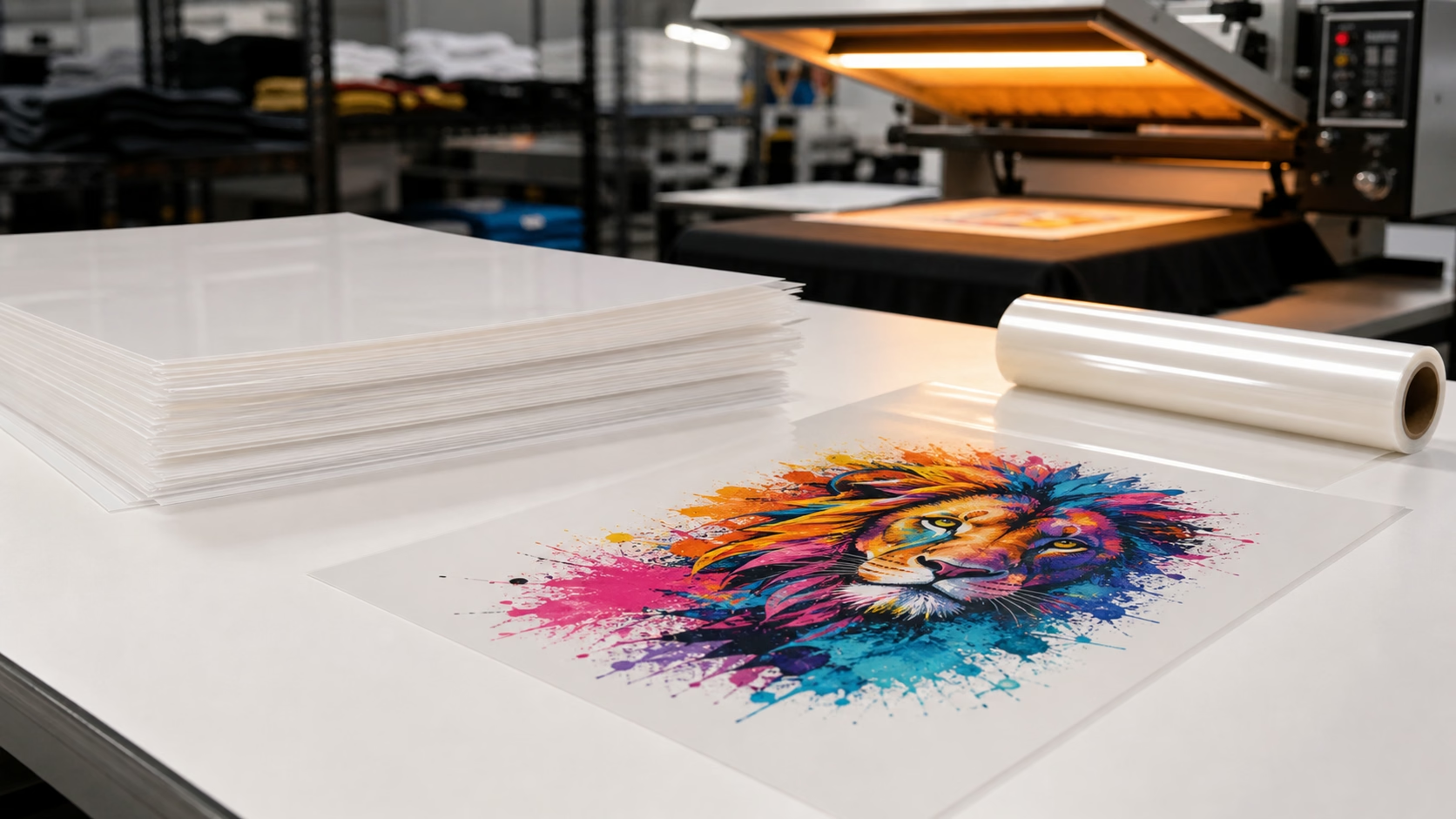
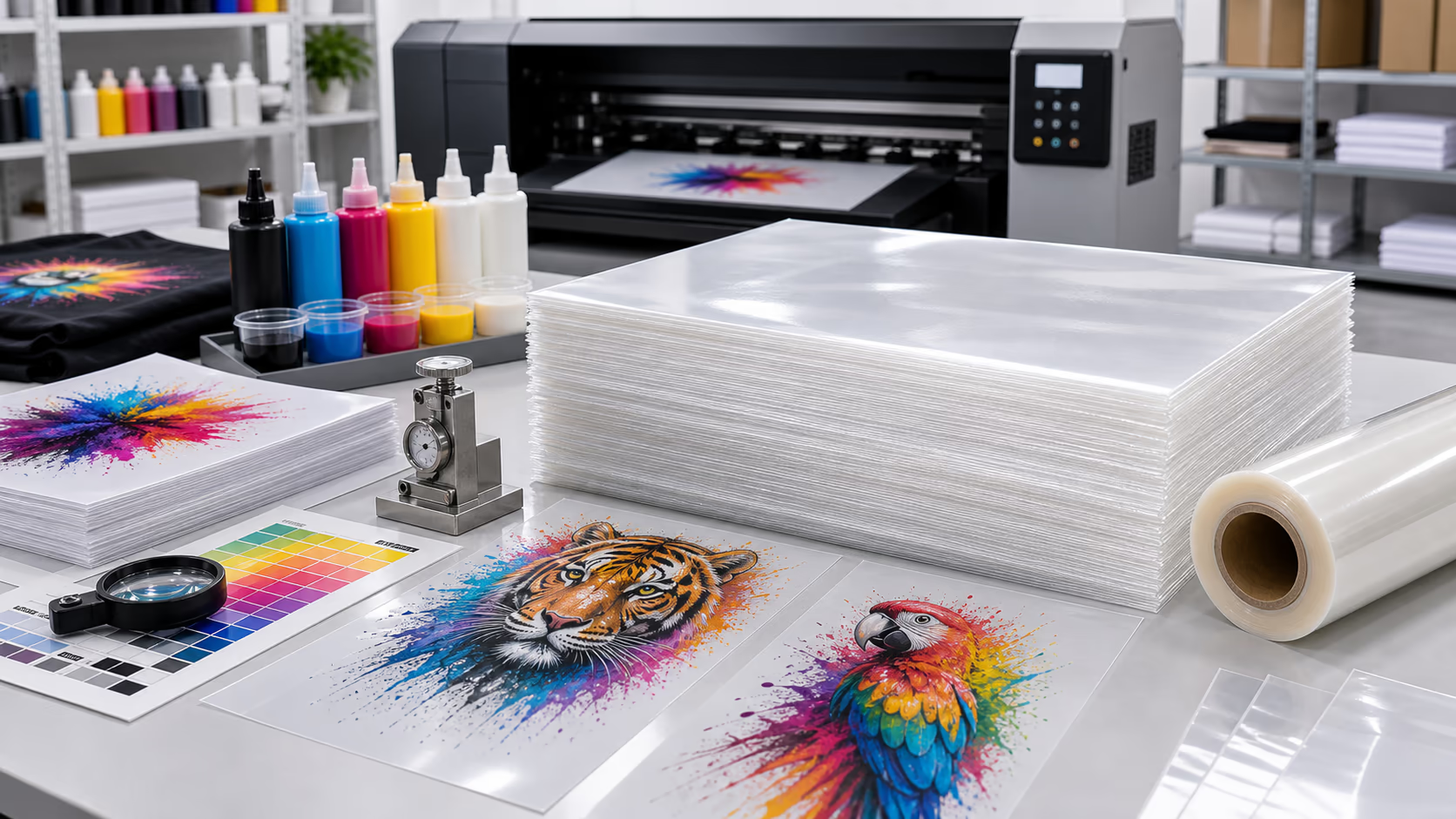
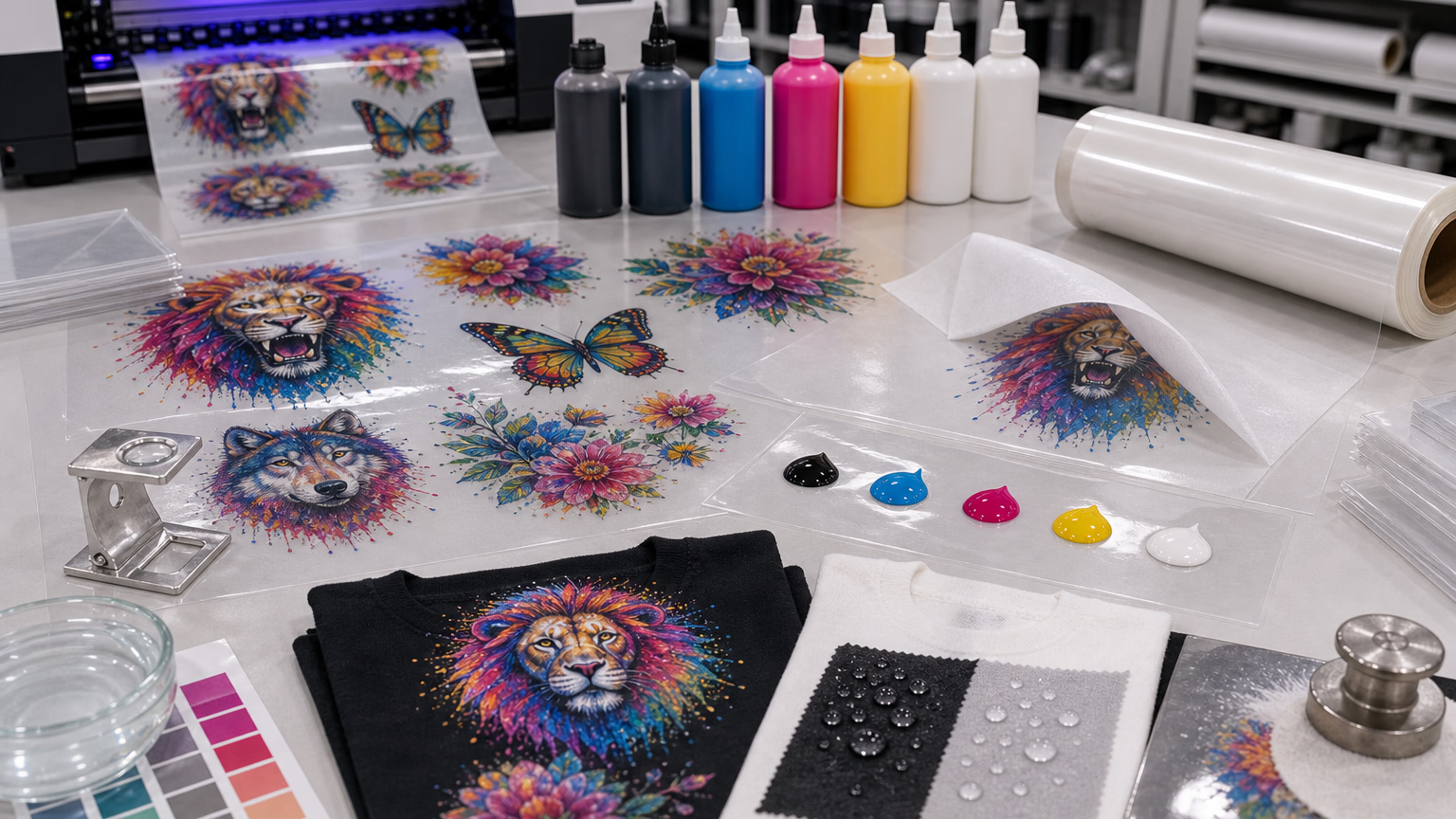
Glossy DTF Transfer Film is a PET (Polyethylene Terephthalate)-based carrier film coated with a glossy, ink-receptive layer. Unlike matte DTF film, its surface is engineered to reflect light, creating a shiny finish once the design is transferred. The coating also optimizes ink adhesion, ensuring that colors remain vivid and the glossy effect is consistent across the entire print.
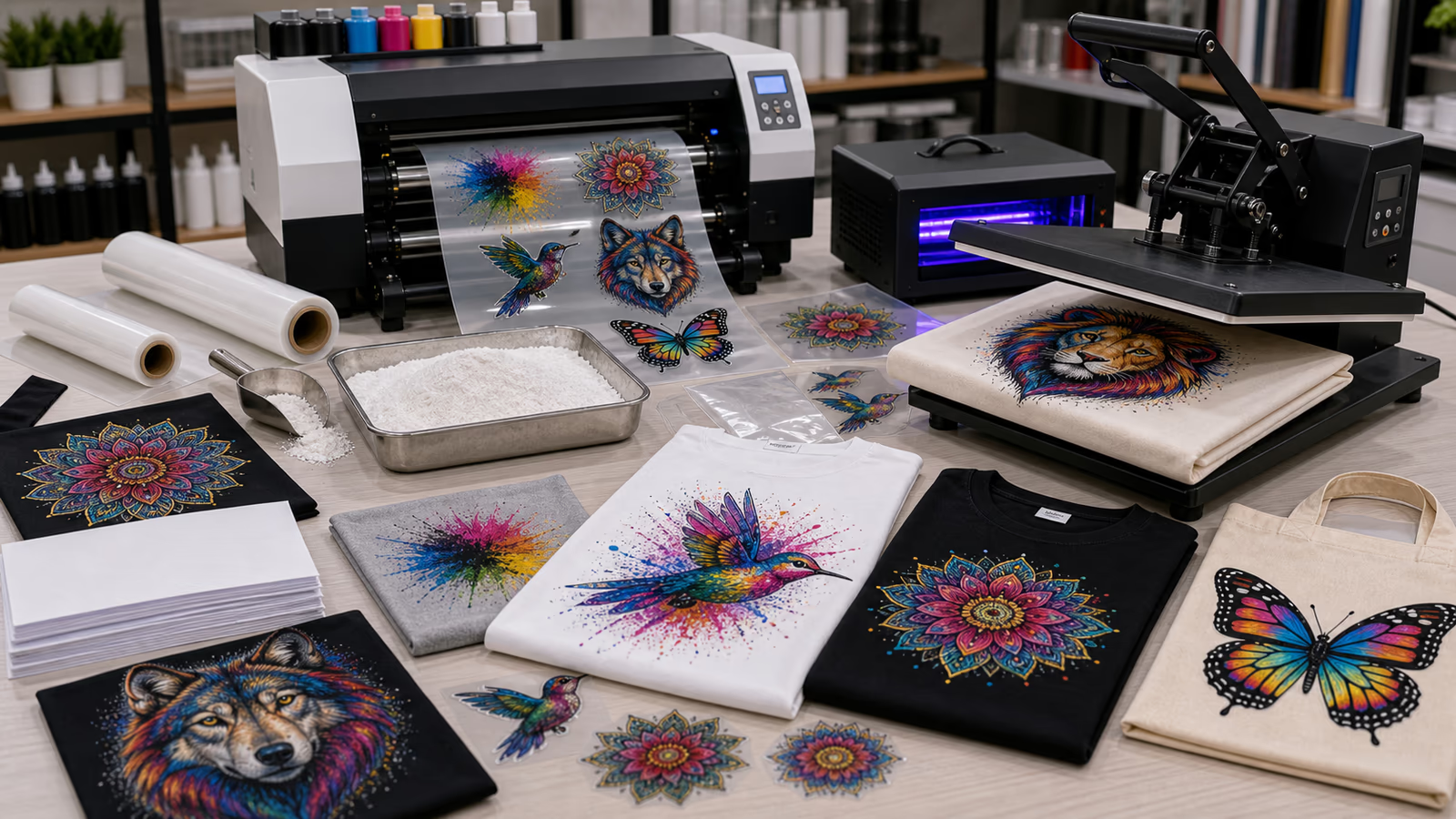
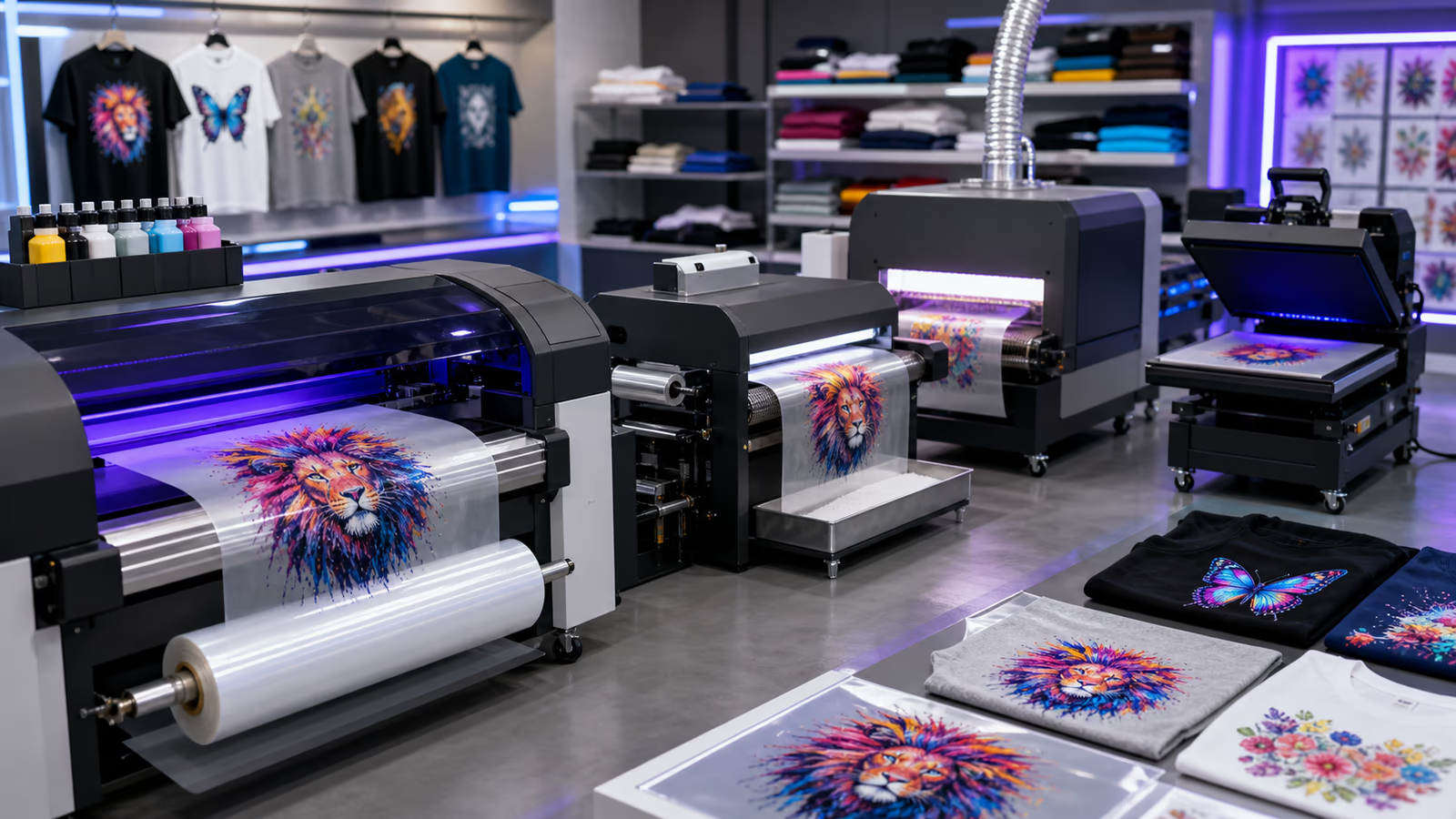
The Glossy Transfer Process follows the fundamental DTF workflow but leverages the film’s unique properties. Designs are printed onto the glossy film with DTF inks, paired with hot-melt powder, cured, and then transferred to substrates via heat and pressure. The film’s glossy coating transfers its reflective quality to the print, resulting in a finish that stands out compared to standard matte alternatives.
2. Technical Traits: What Makes Glossy Transfer Unique?
Glossy DTF transfer owes its distinctiveness to the technical characteristics of the film and the precision of the transfer process. These traits set it apart from other DTF finishes and traditional printing methods.
High Reflectivity and Color Enhancement
The glossy film’s surface reflects light uniformly, which amplifies the brightness and depth of printed colors. For example, a red logo printed via glossy transfer appears more vibrant than the same design on matte film, as the gloss enhances contrast and saturation. This trait is particularly valuable for brands seeking eye-catching visuals on promotional merchandise.
Smooth, Durable Surface
Glossy DTF film’s coating creates a smooth, tactile finish that resists scratches, smudges, and moisture. The hot-melt powder bonds with the film’s glossy layer during curing, forming a protective barrier that ensures the finish remains intact through washing (for fabrics) or regular handling (for hard substrates). Tests show that glossy transfers on cotton fabrics retain their shine and color for 50+ washes when cared for properly.
Compatibility with Diverse Substrates
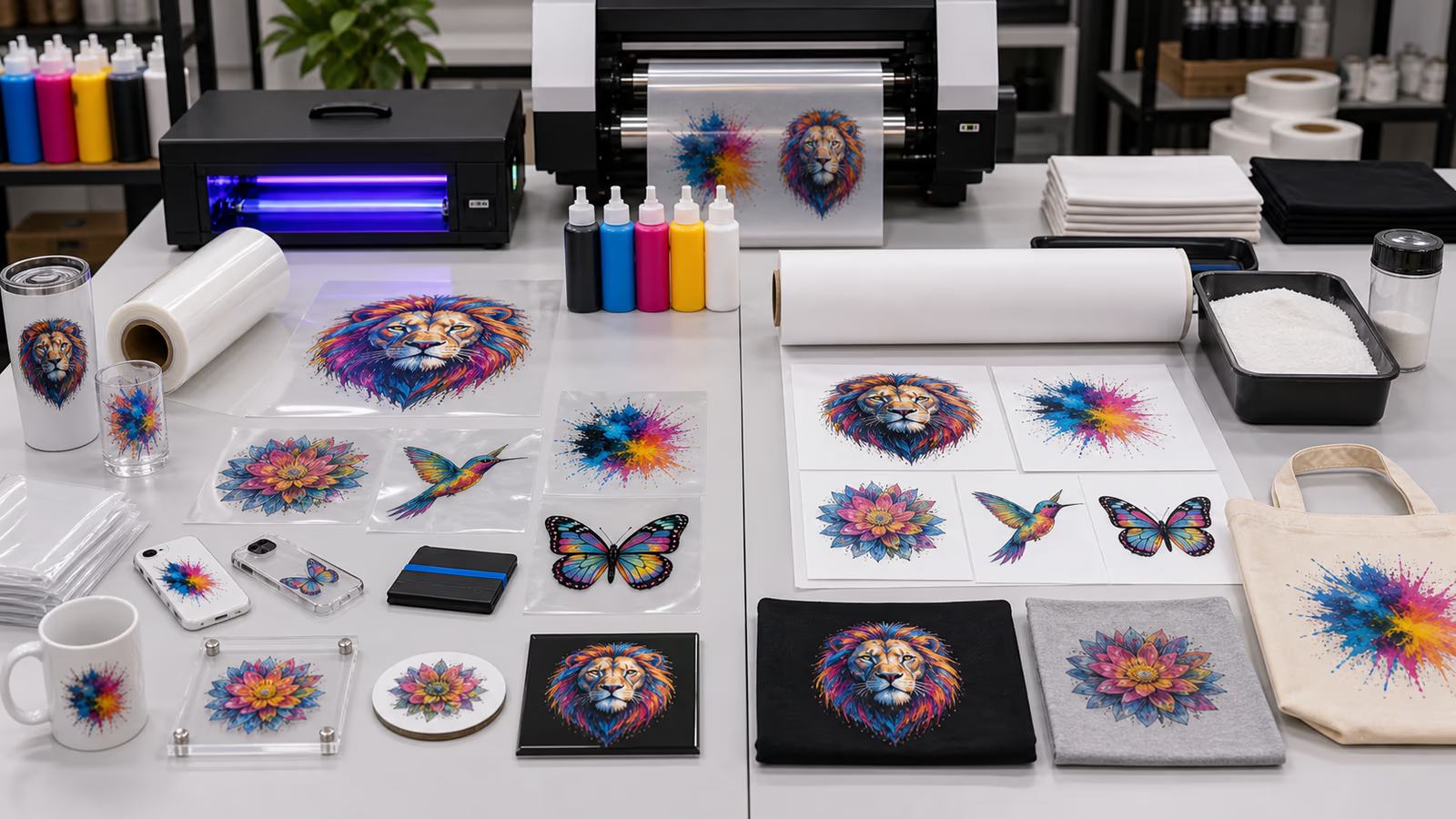
Like standard DTF film, glossy DTF film works with a wide range of substrates, including cotton, polyester, metal, glass, and plastic. The glossy finish adapts well to both rigid and flexible surfaces—whether it’s a glossy logo on a stainless steel water bottle or a shiny graphic on a stretchy athletic shirt.
3. Step-by-Step: How to Achieve Perfect Glossy Transfers
Achieving high-quality glossy transfers requires attention to detail, from film selection to heat press settings. Here’s a step-by-step breakdown of the process:
Step 1: Select the Right Glossy DTF Film
Choose a high-quality glossy DTF film with a uniform coating (avoid films with uneven gloss or surface defects). Opt for film thickness (80–120 microns) that matches your printer’s specifications to prevent jams. For fabrics, select a flexible glossy film; for hard substrates, a more rigid variant works best.
Step 2: Prep the Design and Printer
Load your design into DTF printing software, adjusting colors to account for the glossy finish (slightly reduce brightness if needed, as gloss can amplify light tones). Load the glossy film into the printer with the glossy (coated) side up, and ensure the printer is calibrated for DTF inks (CMYK + white for dark substrates).
Step 3: Print, Powder, and Cure
Print the design onto the glossy film—white ink first (for dark substrates), then CMYK. Immediately apply hot-melt powder to the wet ink, removing excess with a brush. Cure the film in an oven at 160–180°C for 2–3 minutes, ensuring the powder melts into a smooth layer that bonds with the glossy coating.
Step 4: Heat Press Transfer
Prep the substrate (wash fabrics to remove lint; wipe hard substrates clean). Set the heat press to 180–200°C and apply firm pressure for 10–15 seconds (adjust time for thicker substrates like metal). Place the glossy film (design side down) on the substrate, press, then peel the film slowly at a 45-degree angle to reveal the glossy finish.
4. Applications: Where Glossy Transfers Shine
The visual and durable properties of glossy DTF transfers make them ideal for a range of industries and products. Here are the most common use cases:
Branded Merchandise
Companies use glossy transfers for promotional items like t-shirts, hoodies, and tote bags. The reflective finish makes logos stand out at events, trade shows, or retail displays—helping brands capture attention.
Hard Goods and Packaging
Glossy transfers enhance the appearance of hard substrates such as water bottles, phone cases, and gift boxes. A glossy logo on a glass jar, for example, adds a premium touch to artisanal products like jams or candles.
Apparel and Fashion
Fashion designers use glossy transfers for statement pieces, such as graphic tees or athletic wear. The smooth finish pairs well with bold colors and intricate designs, creating a modern, high-end look.
Event and Souvenir Products
Tourist attractions and event organizers rely on glossy transfers for souvenirs like keychains, magnets, and hats. The durable, shiny finish ensures products remain visually appealing as keepsakes.
5. Glossy vs. Matte DTF Transfers: Key Differences
Understanding how glossy transfers compare to matte alternatives helps in selecting the right finish for your project. Here’s a side-by-side comparison:
| Trait | Glossy DTF Transfer | Matte DTF Transfer |
|---|---|---|
| Finish | Shiny, reflective | Dull, non-reflective |
| Color Vibrancy | High (amplified by reflection) | Subdued, natural |
| Smudge Resistance | High (smooth surface repels smudges) | Moderate (matte texture may trap smudges) |
| Best For | Branded merch, premium goods, bold designs | Vintage styles, subtle designs, everyday apparel |
6. Conclusion: The Value of Glossy Transfers in DTF Printing
DTF Transfer Film glossy transfer is more than just a finish—it’s a tool for enhancing visual impact and brand recognition. By leveraging specialized glossy film and precise transfer techniques, creators can produce prints that are vibrant, durable, and eye-catching across a range of substrates. Whether for promotional merchandise, fashion, or hard goods, glossy transfers offer a versatile solution for those seeking to elevate their custom prints.
As DTF technology continues to evolve, glossy transfer techniques will likely become even more accessible, opening new possibilities for businesses and hobbyists alike. The key to success lies in selecting high-quality glossy film, mastering the transfer process, and matching the finish to the project’s unique needs.