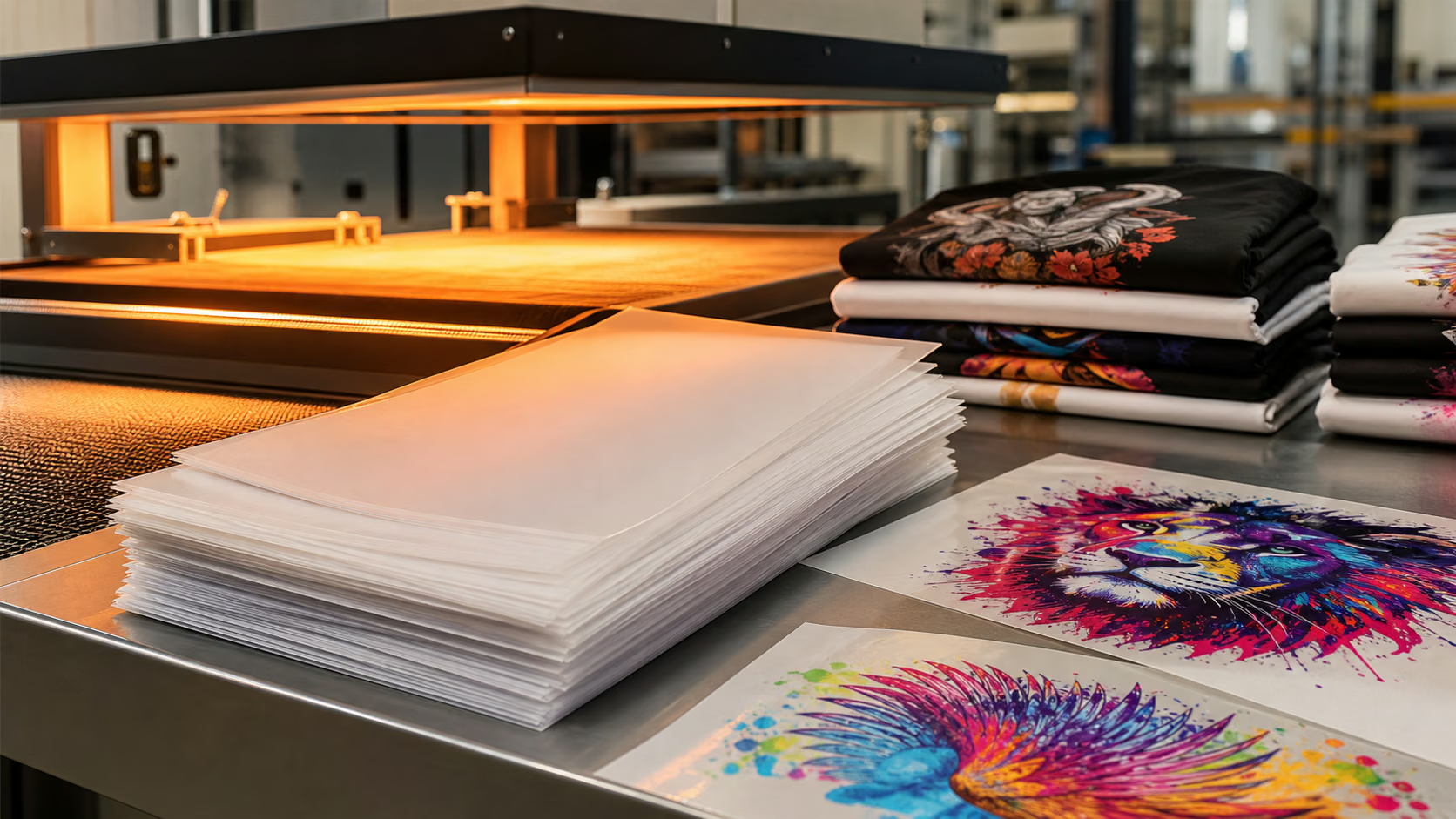
“Peel Away the Stress with DTF Cold Peel!” -MAXDTF- PET Film DTF A4 Supplier, DTF Film cold peel Factory, Made in china
In the world of printing and advertising, technological advancements are constantly reshaping the way we create and distribute visual content. One such innovation is the Direct-to-Film (DTF) printing process, which has gained popularity for its versatility, cost-effectiveness, and high-quality output. Within this realm, the term “DTF cold peel” has emerged as a key phrase for those involved in this printing technique. But what exactly does “DTF cold peel” mean?
Understanding DTF Printing
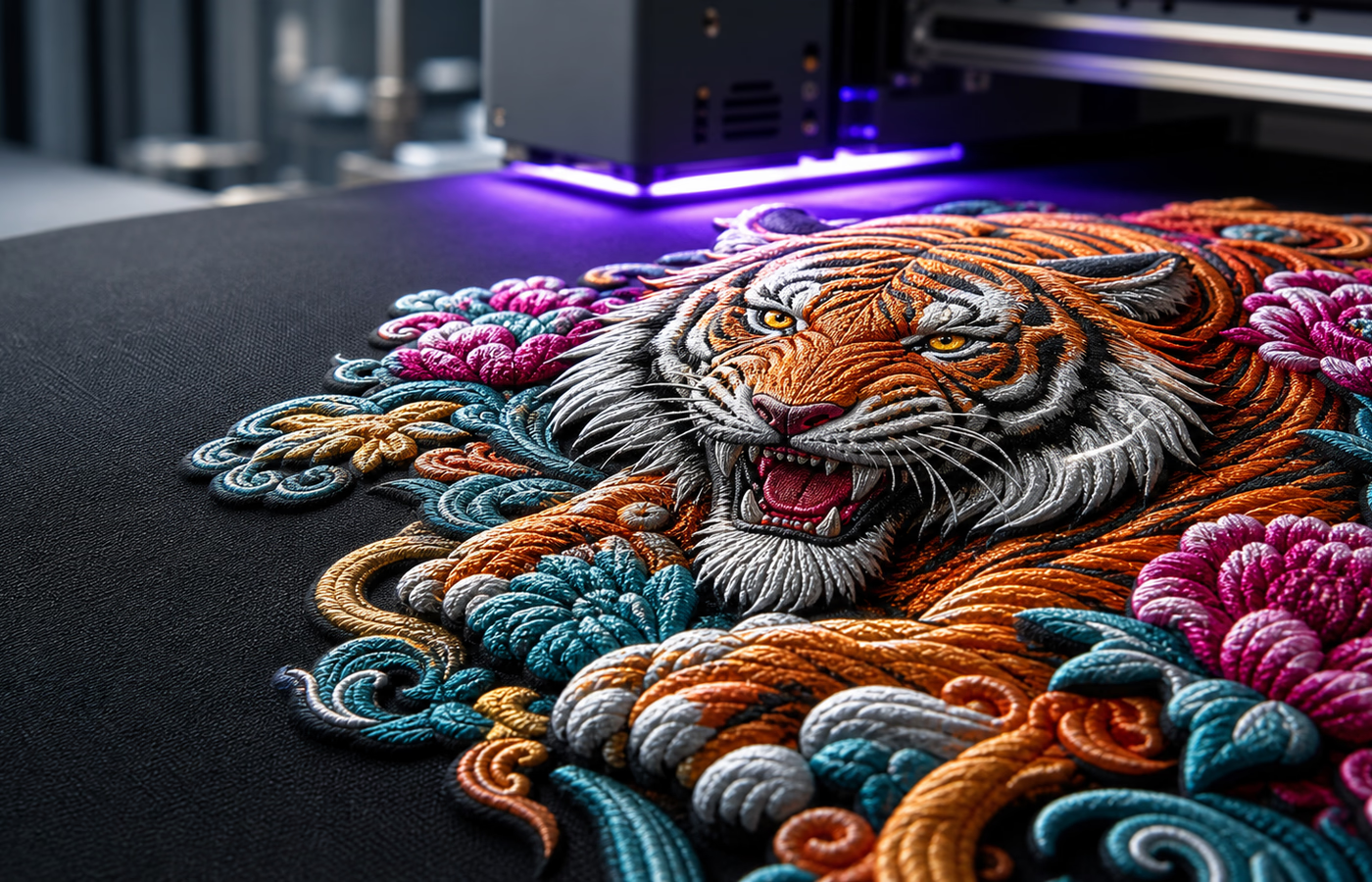
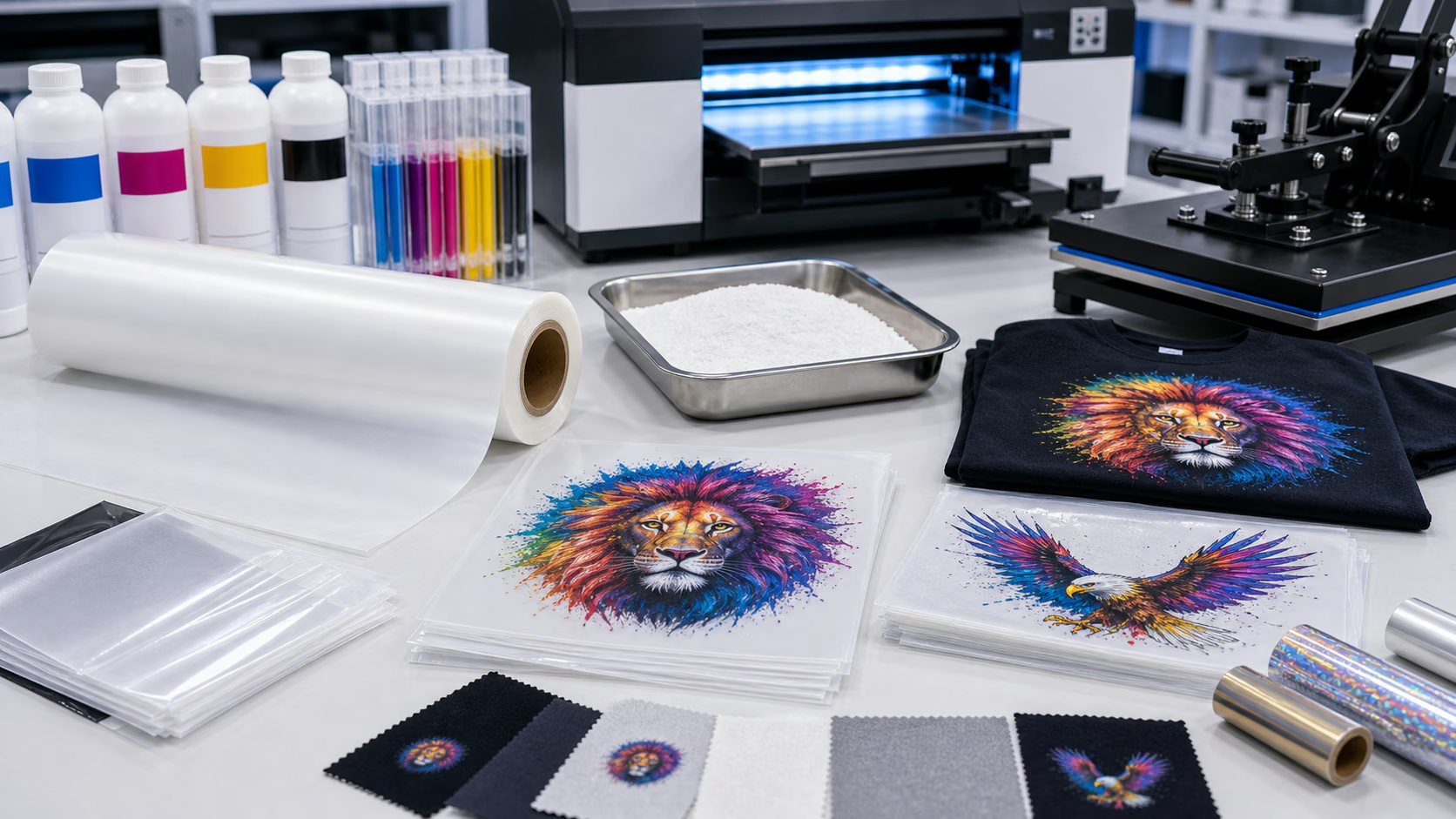
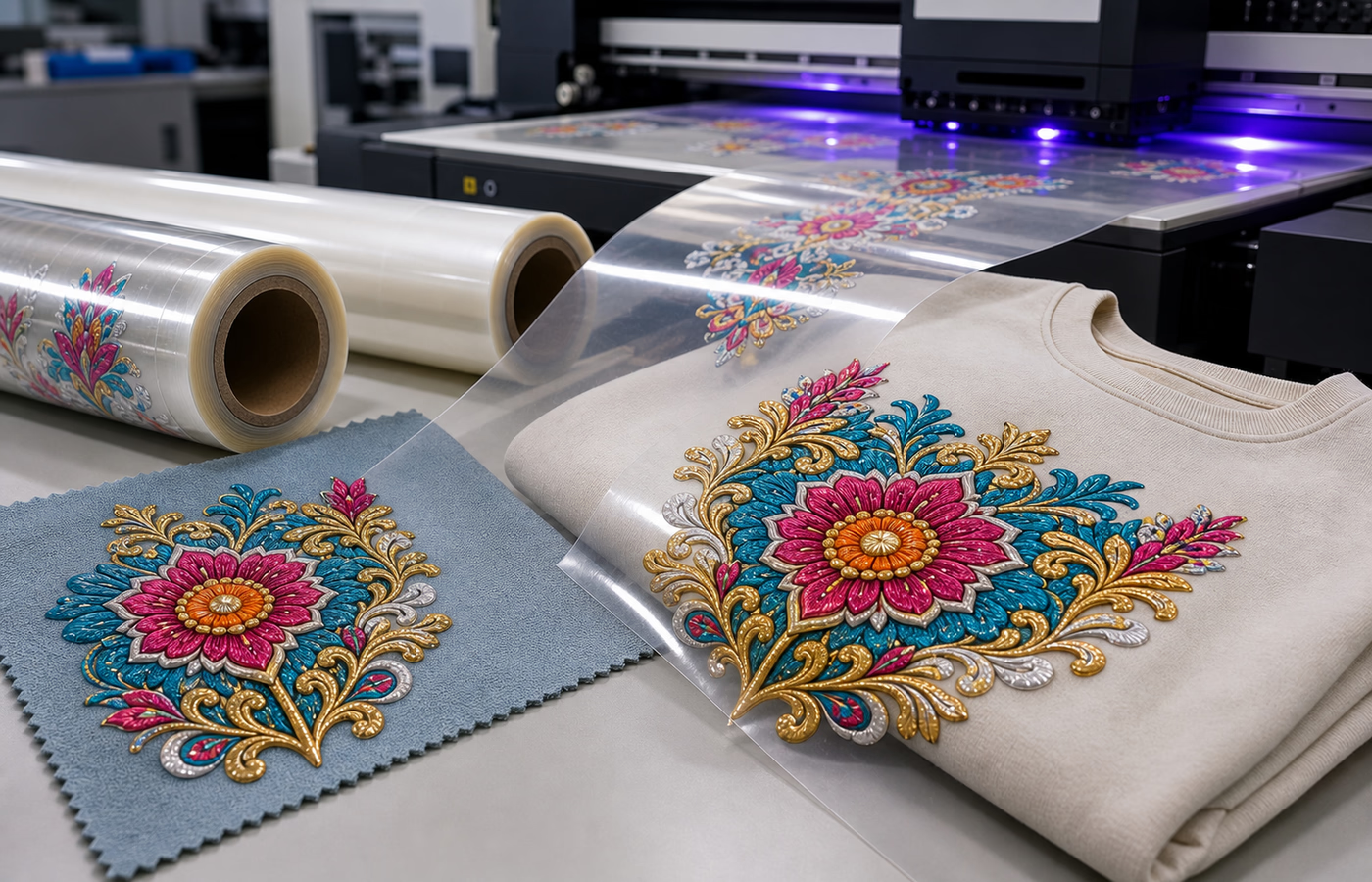
Before diving into the specifics of “cold peel,” it’s essential to understand the basics of DTF printing. Direct-to-Film printing is a process that involves printing designs directly onto a special film using an inkjet printer. Unlike traditional direct-to-garment (DTG) printing, which prints directly onto fabric, DTF printing uses a film that is then transferred onto the desired material, typically textiles like T-shirts, hoodies, or bags. This method offers several advantages, including vibrant colors, durability, and the ability to print on a wide range of fabrics.
The Role of the “Cold Peel” Process
In DTF printing, the term “cold peel” refers to a specific step in the process of transferring the printed film onto the fabric. After the design is printed on the film, a special adhesive powder is applied over the printed area. This powder is then heat-sealed onto the film, bonding the ink to the fabric.
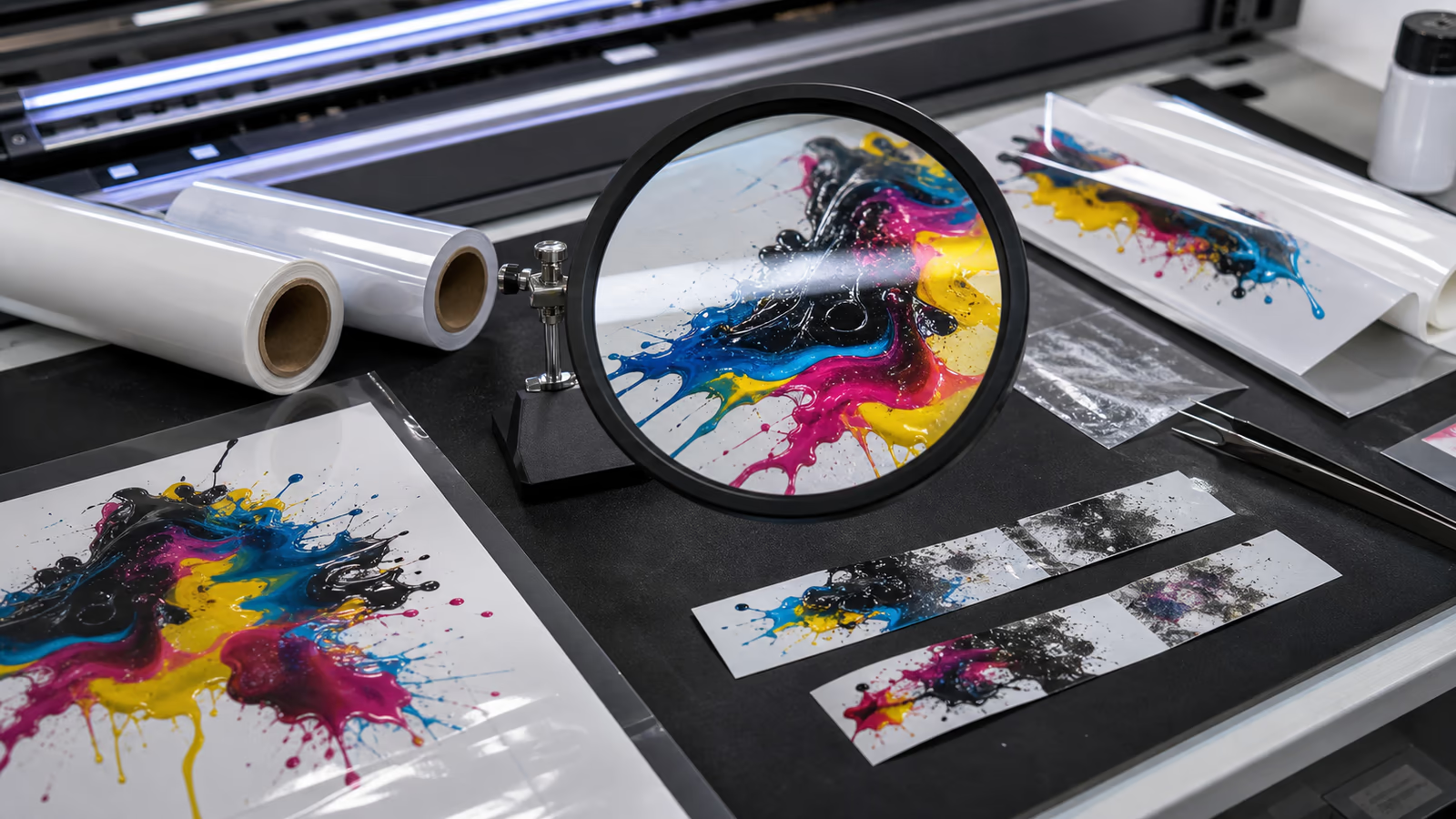
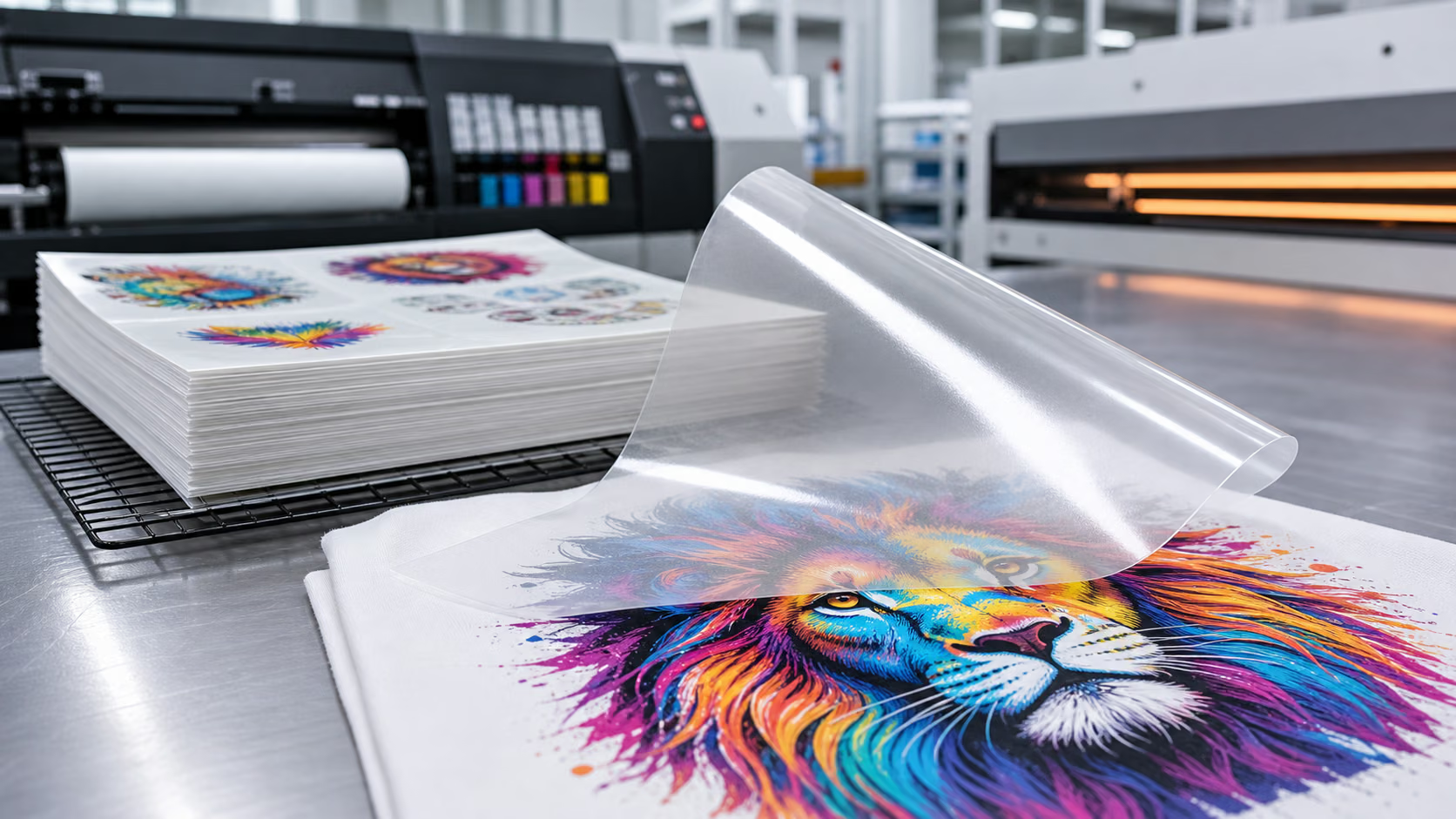
The “peel” part of the process involves separating the film substrate from the adhesive layer once the ink has been bonded to the fabric. The “cold peel” method means that this separation is done at room temperature, without the need for additional heat. This is in contrast to “hot peel,” where the film is peeled off after being heated, typically to ensure better adhesion.
Advantages of Cold Peel
The “cold peel” method has several benefits that make it a preferred choice for many DTF printers:
- Energy Efficiency: Cold peel eliminates the need for additional heating, reducing energy consumption and lowering operational costs.
- Smoother Workflow: The process can be quicker since there’s no waiting for the film to cool after heating. This can lead to faster production times.
- Improved Material Handling: Cold peel reduces the risk of warping or damaging the film or the final product, ensuring a higher quality finished item.
- Versatility: Cold peel can be used with a variety of fabrics and materials, making it a flexible option for different types of printing projects.
Applications of DTF Cold Peel
DTF cold peel is widely used in the apparel industry for printing custom designs on textiles. It’s particularly popular for creating promotional items, corporate apparel, and personalized clothing. The process is also used in other sectors, such as home decor, where it can be applied to fabric-based products like curtains, pillows, and upholstery.
Conclusion
“DTF cold peel” is a term that encapsulates a specific method within the Direct-to-Film printing process. It refers to the practice of peeling off the film substrate at room temperature after applying adhesive powder and bonding the ink to the fabric. This technique offers numerous advantages, including energy efficiency, faster workflow, and improved material handling, making it a popular choice for those involved in textile printing. As the printing industry continues to evolve, DTF cold peel stands as a testament to the continuous innovation that drives better, more efficient ways to bring creative designs to life.