“Experience the Difference of Is Film DTF A4 Screen Printing!” -MAXDTF- PET DTF Film Factory, DTF Film Transfer Factory, Made in china
The printing industry is constantly evolving, with new technologies emerging to meet the growing demand for high-quality, cost-effective, and versatile printing solutions. Among these technologies, Film DTF (Direct to Film) A4 printing has gained significant attention for its unique capabilities. However, many businesses and individuals continue to wonder: Is Film DTF A4 the same as screen printing? This article delves into the differences and similarities between these two printing methods, helping you understand which one might be the best fit for your needs.
Understanding Film DTF A4 Printing
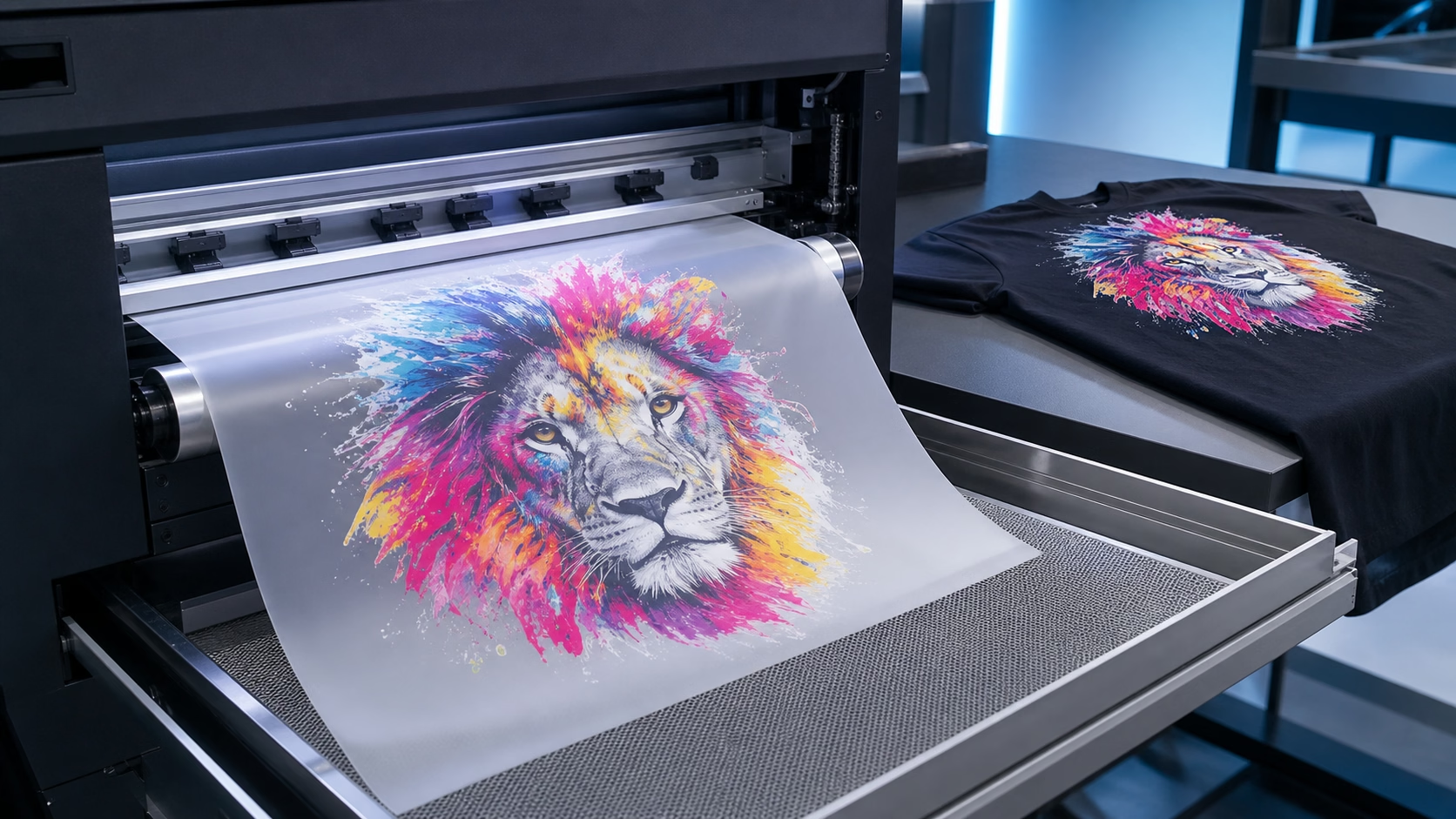
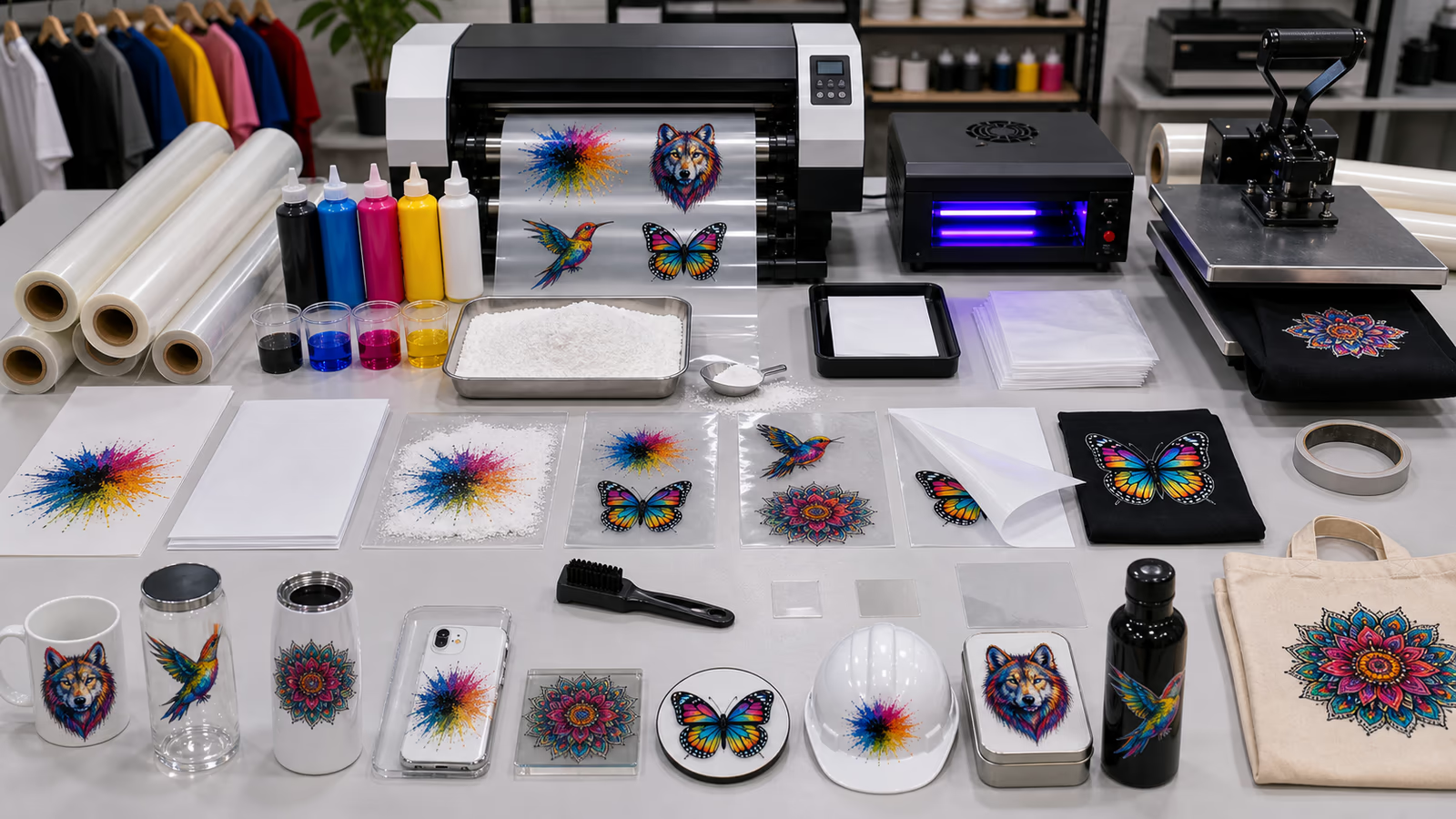
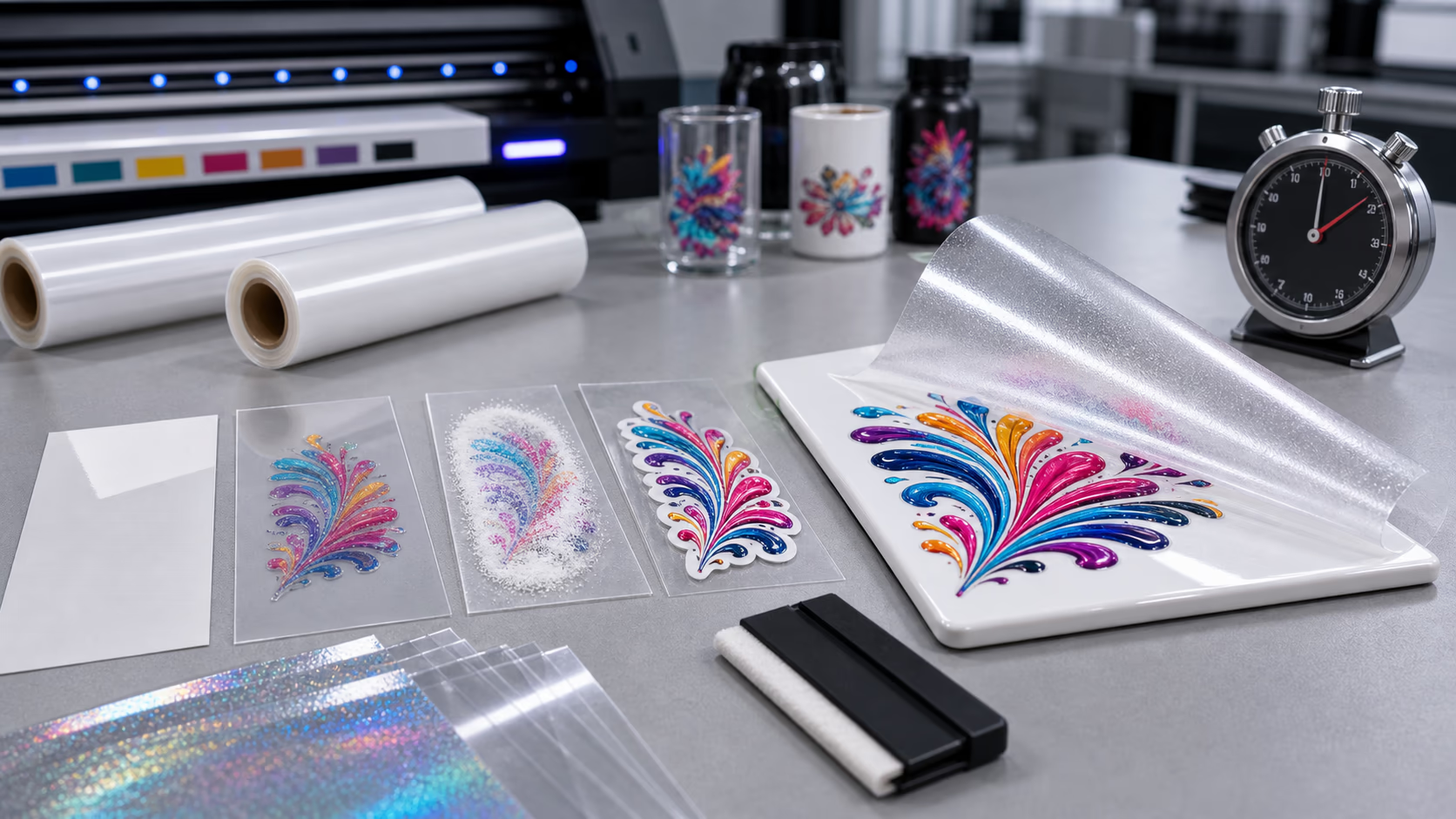
Film DTF A4 printing is a modern printing technique that involves printing designs onto a special PET (Polyethylene Terephthalate) film using an inkjet printer. The process includes the following steps:
- Design Printing: The design is printed onto the PET film using an inkjet printer with specialized inks.
- Powder Coating: A layer of special powder is applied to the printed film, which acts as a binder.
- Heat Transfer: The coated film is then transferred onto the desired substrate (such as textiles, plastics, or metals) using heat and pressure.
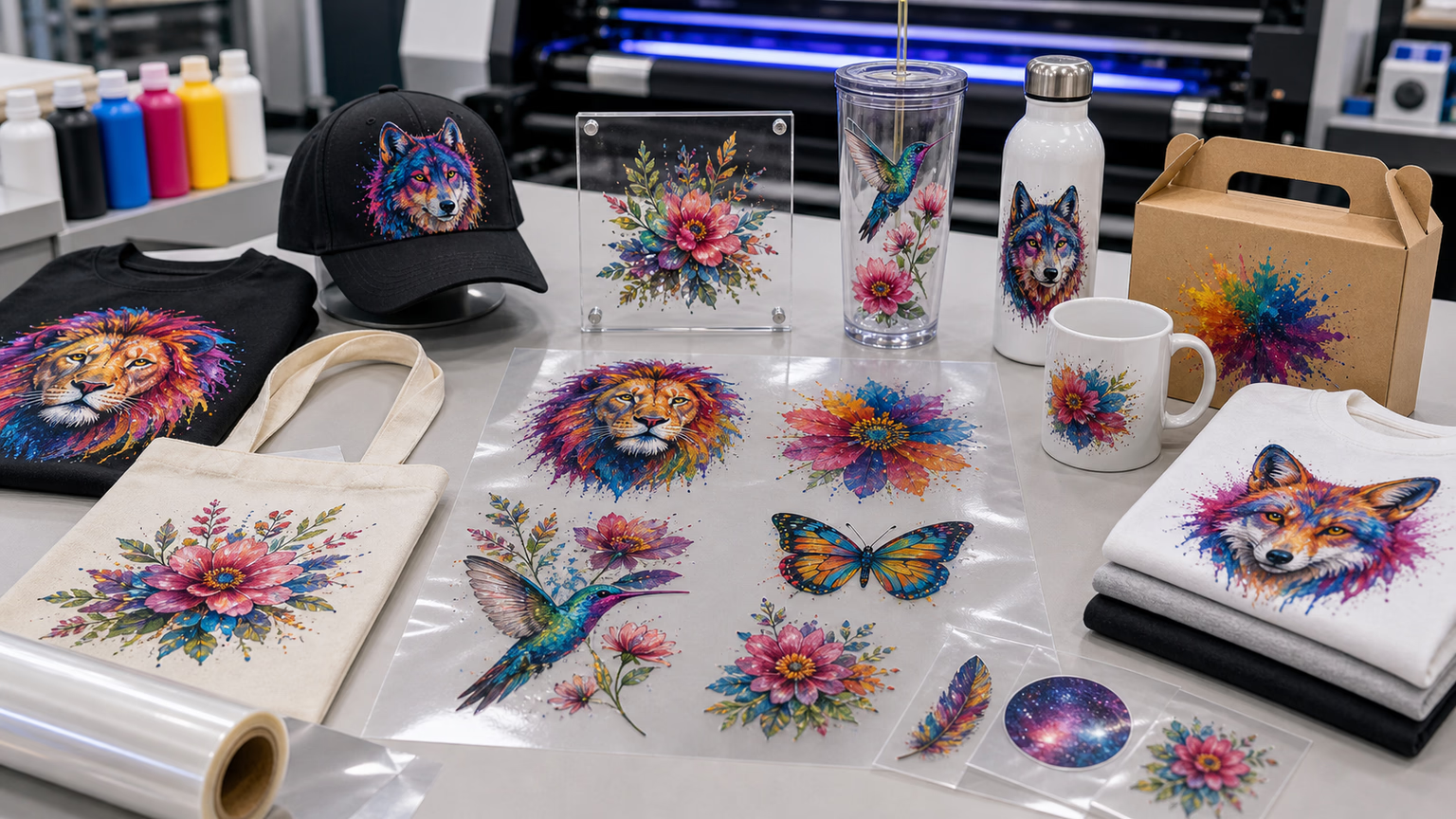
This method offers several advantages, including high-resolution prints, vibrant colors, and the ability to print on a wide range of materials.
Understanding Screen Printing
Screen printing, on the other hand, is a traditional printing method that has been used for decades. The process involves the following steps:
- Design Preparation: The design is separated into different colors, and stencils (screens) are created for each color.
- Ink Application: Ink is pushed through the stencils onto the substrate using a squeegee.
- Drying: Each color is dried before the next one is applied, resulting in a multi-layered design.
Screen printing is known for its durability and ability to produce high-quality prints on various materials, including textiles, paper, and metal.
Key Differences Between Film DTF A4 and Screen Printing
- Technology and Process:
- Film DTF A4: Uses advanced inkjet technology and a powder coating process for transfer. It is a digital printing method that allows for on-demand printing and intricate designs.
- Screen Printing: Relies on manual or semi-automatic processes involving stencils and squeegees. It is ideal for large-scale production and designs with solid colors.
- Design Flexibility:
- Film DTF A4: Offers high flexibility in design, allowing for complex patterns, gradients, and high-resolution images.
- Screen Printing: Requires separate screens for each color, making it less suitable for designs with many color variations or intricate details.
- Material Versatility:
- Film DTF A4: Can be applied to a wide range of substrates, including textiles, plastics, metals, and more.
- Screen Printing: Works well on textiles, paper, and some plastics but may not be as versatile for other materials.
- Cost and Setup:
- Film DTF A4: Initial investment in equipment can be higher, but the cost per print is generally lower, especially for small to medium runs.
- Screen Printing: Requires upfront costs for screens and setup, but is more cost-effective for large-scale production.
- Environmental Impact:
- Film DTF A4: Uses water-based inks and reduces material waste, making it more eco-friendly.
- Screen Printing: Typically uses solvent-based inks and generates more waste, which can be less environmentally friendly.
- Print Quality and Durability:
- Film DTF A4: Produces high-resolution prints with vibrant colors and excellent durability, especially on textiles.
- Screen Printing: Offers high durability and is known for its bold, solid colors, making it ideal for long-lasting designs.
When to Choose Film DTF A4 Over Screen Printing
- Complex Designs: If your project requires intricate designs, gradients, or high-resolution images, Film DTF A4 is the better choice.
- Small to Medium Runs: For smaller production runs, Film DTF A4 offers cost-effectiveness and flexibility.
- Versatile Materials: If you need printing on a variety of materials, including textiles, plastics, and metals, Film DTF A4 is more versatile.
- Eco-Friendly Options: Businesses prioritizing sustainability may prefer Film DTF A4 for its use of water-based inks and reduced waste.
When to Choose Screen Printing Over Film DTF A4
- Large-Scale Production: For mass production with simple designs, screen printing is more cost-effective.
- Solid Colors: If your design consists of bold, solid colors, screen printing is known for its durability and vibrant results.
- Specialty Inks: Screen printing can accommodate specialty inks, such as metallic or fluorescent inks, for unique effects.
Conclusion
Film DTF A4 and screen printing are both powerful printing methods, each with its own set of advantages and applications. While Film DTF A4 offers modern, versatile, and eco-friendly printing solutions, screen printing remains a reliable choice for large-scale production and bold, durable designs.
Ultimately, the choice between Film DTF A4 and screen printing depends on your specific needs, including the complexity of the design, the volume of production, and the desired material versatility. By understanding the key differences and advantages of each method, you can make an informed decision that best suits your printing requirements.