“Transfer your projects with PET film – the perfect choice for long lasting, high quality results!” -MAXDTF- DTF Direct to Film Factory, DTF A4 Film Manufacturer, Made in China
Direct-to-Film (DTF) transfer technology has redefined the possibilities of digital printing, enabling high-quality, versatile designs on an extensive range of substrates—from textiles and leather to plastics and wood. At the core of this technology lies a seemingly simple yet indispensable component: PET (Polyethylene Terephthalate) film. As the intermediate carrier for DTF inks, PET film directly influences the precision, durability, and overall success of the transfer process. For printers, hobbyists, and businesses leveraging DTF technology, understanding the nuances of PET film for DTF transfer is critical to optimizing print outcomes and operational efficiency. This article explores the role of PET film in DTF transfer, its key performance characteristics, selection criteria, application best practices, and emerging trends.
The Role of PET Film in DTF Transfer: A Foundational Overview
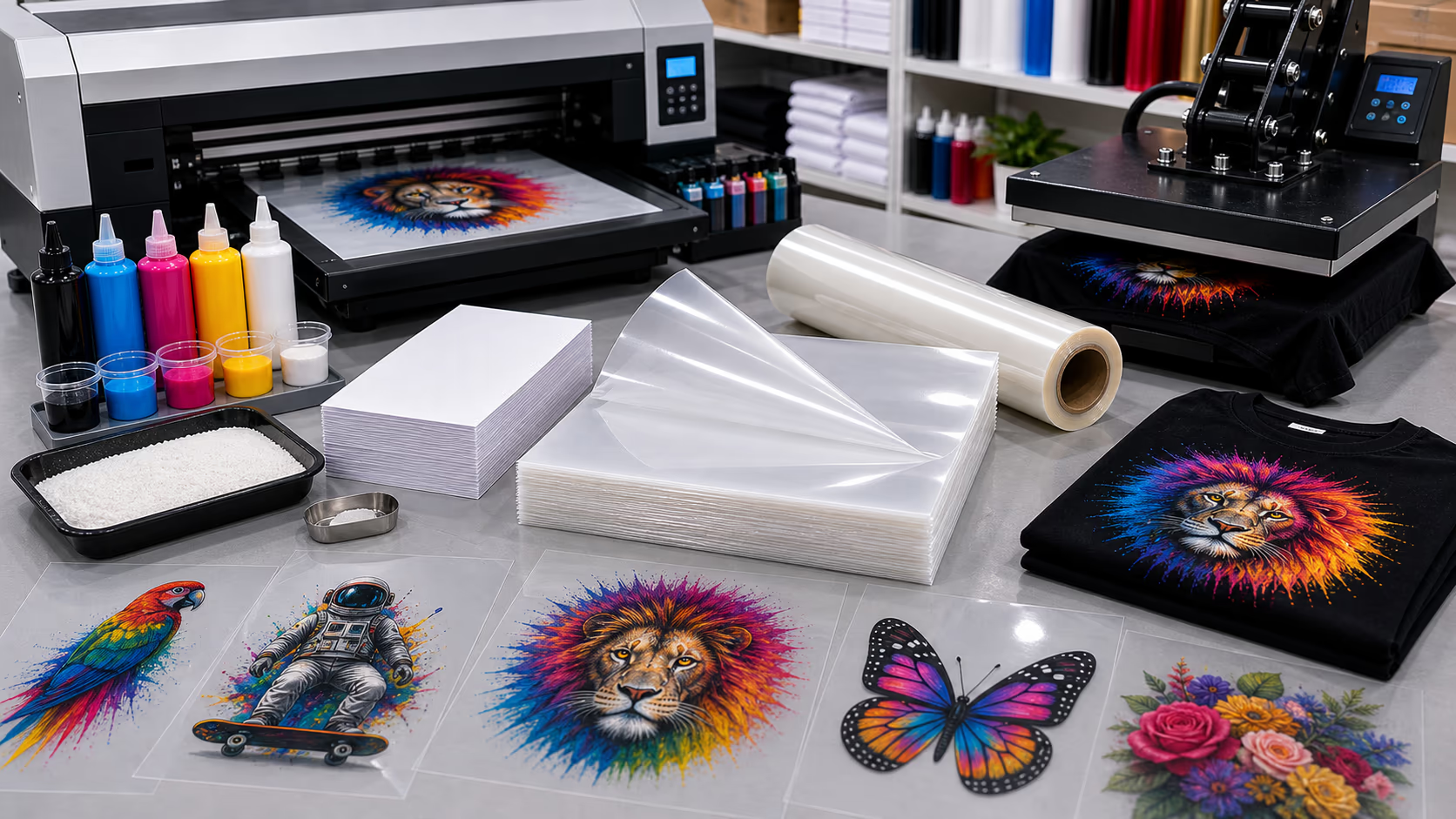
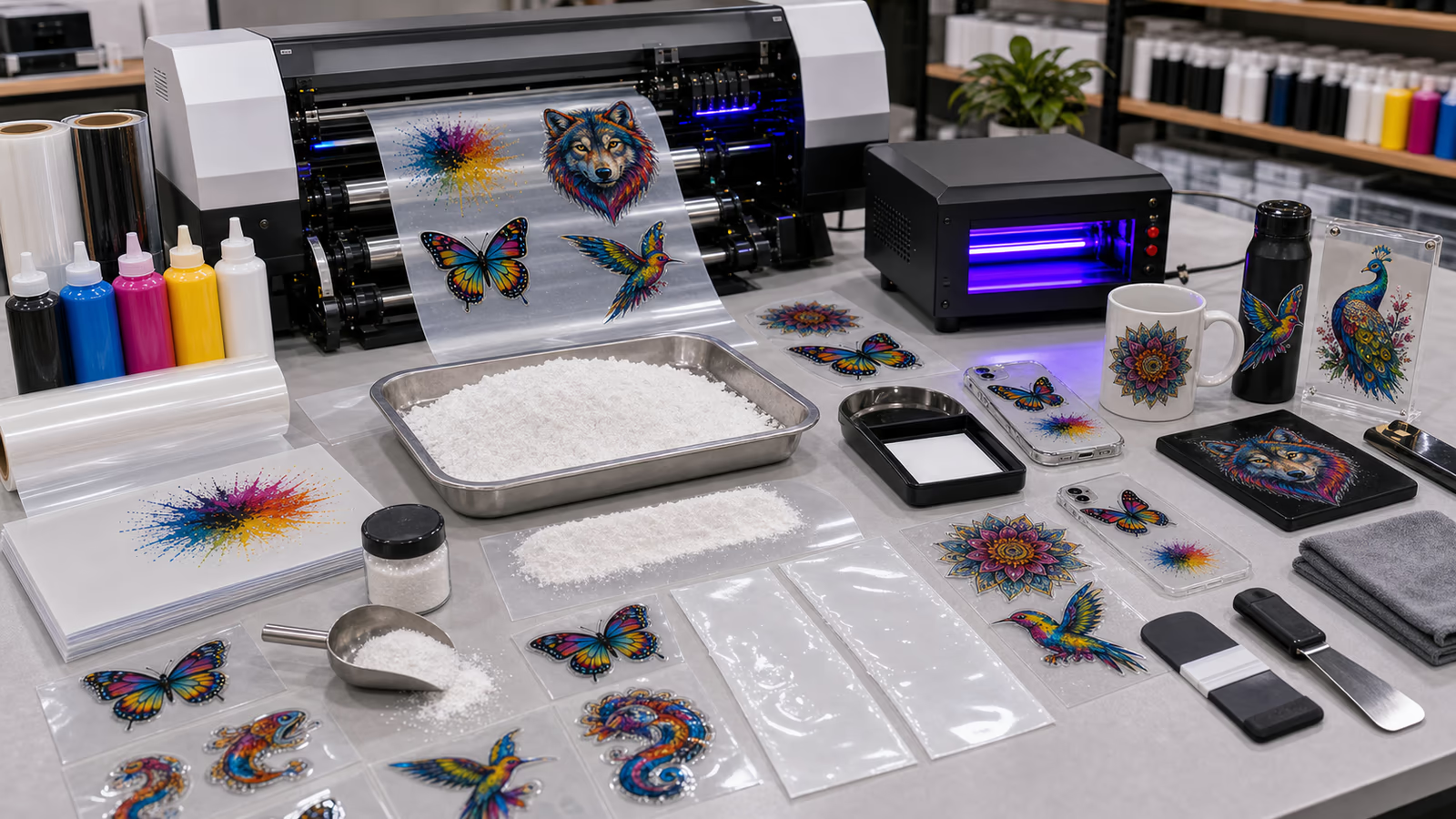
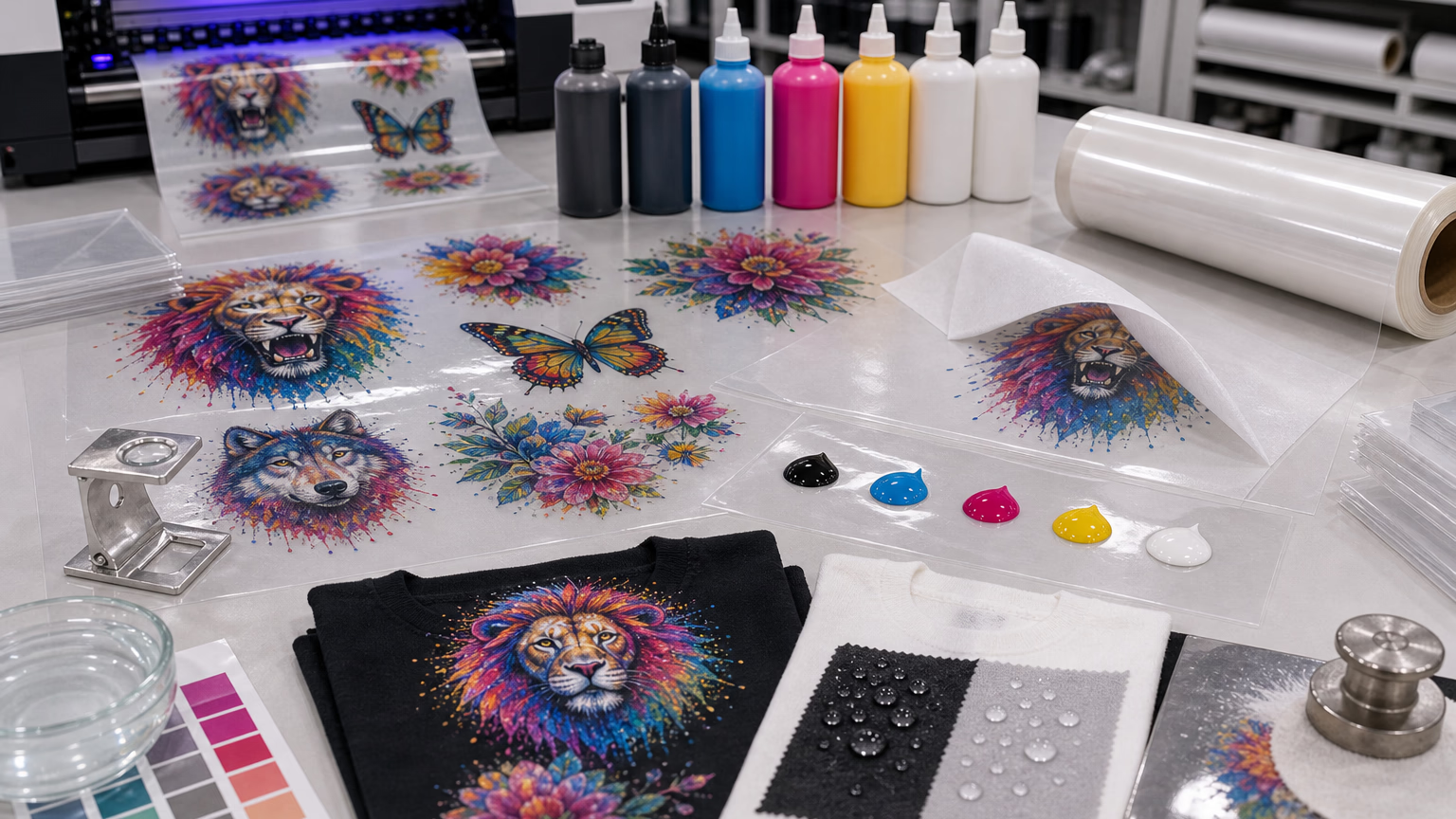
To appreciate the importance of PET film in DTF transfer, it is first essential to grasp the basic mechanics of the DTF process. Unlike direct-to-substrate printing, DTF involves two core steps: printing the design onto a PET film using specialized DTF inks, and then transferring the printed design from the film to the target substrate via heat and pressure. The PET film serves as a temporary carrier, holding the ink in place during printing and curing, and facilitating smooth, accurate transfer to the final surface.
PET film’s unique properties make it ideal for this role. Its inherent dimensional stability ensures that it does not stretch, shrink, or warp during printing (even under the heat of UV curing for UV DTF inks) or transfer, preserving the integrity of the design. Additionally, PET film features a smooth, uniform surface that allows for precise ink deposition, ensuring sharp details and consistent color coverage. Its compatibility with DTF inks—including water-based and UV-curable formulations—and its ability to release the printed design cleanly onto the substrate (without leaving residue) further solidify its position as the preferred carrier film for DTF applications.
Key Performance Traits of High-Quality PET Film for DTF Transfer
Not all PET films are created equal, and the quality of the film directly impacts print results. High-performance PET film for DTF transfer exhibits several defining characteristics that set it apart from inferior alternatives. These traits ensure reliability, consistency, and optimal transfer performance across diverse applications.
1. Dimensional Stability
Dimensional stability is perhaps the most critical trait of PET film for DTF transfer. The film must maintain its original size and shape throughout the printing and transfer process, even when exposed to the heat of UV curing lamps (for UV DTF) or the high temperatures of the heat press (typically 140–160°C). Films with poor dimensional stability will stretch or shrink, causing the design to distort—resulting in misaligned prints, blurred details, or wasted materials. High-quality PET films are manufactured with precise thickness control and thermal resistance, ensuring minimal expansion or contraction under thermal stress.
2. Surface Smoothness and Uniformity
The surface of the PET film directly affects ink adhesion and print precision. A smooth, uniform surface allows DTF ink droplets to spread evenly, creating sharp, high-resolution designs with consistent color saturation. Rough or uneven films can cause ink to pool or bead, leading to spotty coverage, blurred edges, or inconsistent color. Premium PET films undergo specialized surface treatment (such as corona treatment) to enhance ink adhesion while maintaining smoothness, ensuring that even fine details—like text or intricate patterns—are reproduced accurately.
3. Ink Compatibility and Release Properties
PET film for DTF transfer must strike a balance between strong ink adhesion during printing and easy release during transfer. During printing, the film needs to hold the ink firmly to prevent smudging or bleeding; during transfer, it must release the ink cleanly onto the substrate without leaving any residue. This balance is achieved through careful film formulation and surface treatment. High-quality films are compatible with both water-based DTF inks and UV-curable DTF inks, ensuring versatility across different printing setups. Additionally, their release properties are optimized to work with standard heat press parameters, reducing the risk of incomplete transfer or ink remaining on the film.
4. Thickness and Rigidity
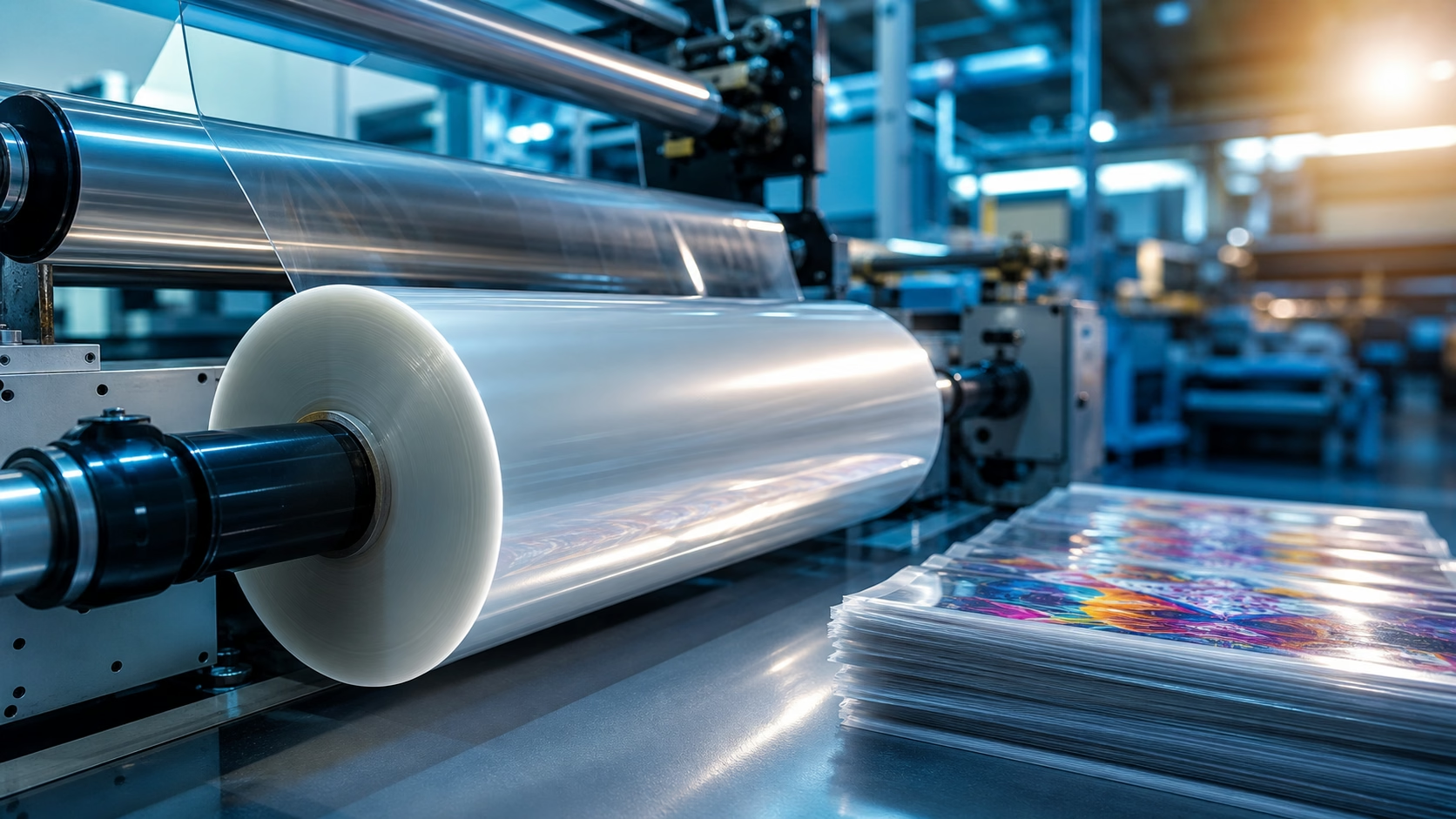
The thickness of PET film for DTF transfer typically ranges from 100 to 150 microns, and the choice of thickness depends on the application and printing equipment. Thicker films offer greater rigidity, making them easier to handle and feed through printers without jamming, and they provide better support for large-format prints. Thinner films, on the other hand, are more flexible, making them suitable for transferring designs onto curved or irregular substrates. Regardless of thickness, high-quality PET films have consistent thickness across the entire roll, ensuring uniform ink coverage and transfer pressure.
5. Heat Resistance
Since DTF transfer involves exposure to high temperatures (via heat press), PET film must exhibit excellent heat resistance. The film should not melt, deform, or emit harmful fumes when heated to typical transfer temperatures (140–160°C for 10–30 seconds). Heat-resistant PET films preserve their structural integrity during transfer, ensuring that the printed design remains intact and the film can be peeled away cleanly. Inferior films may melt or stick to the substrate, ruining the print and requiring costly rework.
Selecting the Right PET Film for DTF Transfer: Practical Criteria
With a wide range of PET film options available on the market, selecting the right one for your DTF application requires careful consideration of your specific needs. The following criteria will help guide your selection process:
1. Align with Your Ink Type
First and foremost, ensure that the PET film is compatible with your DTF ink type. Water-based DTF inks and UV-curable DTF inks have different adhesion requirements, and some films are specifically formulated for one type or the other. For example, UV DTF inks require films with surface treatments that promote adhesion to photopolymer-based inks, while water-based DTF inks may require films with higher absorbency or different surface tension. Check the film manufacturer’s specifications to confirm compatibility with your ink system.
2. Match to Your Substrate and Application
The type of substrate you are printing on will influence your choice of PET film. For rigid substrates (e.g., wood, plastic, metal), a thicker, more rigid film may be preferable for easier handling and transfer. For flexible substrates (e.g., textiles, leather, fabric bags), a thinner, more flexible film will conform better to the substrate’s shape during transfer, ensuring full contact and uniform ink adhesion. Additionally, consider the size of your prints: large-format prints may require films with greater dimensional stability to prevent distortion.
3. Evaluate Print Quality Requirements
If your application demands high-resolution prints with fine details (e.g., brand logos, custom artwork), prioritize PET films with exceptional surface smoothness and uniformity. These films will ensure that ink droplets are deposited precisely, resulting in sharp edges and consistent color. For less demanding applications (e.g., basic promotional items), a standard-quality film may be sufficient, but it is still important to avoid films with rough surfaces or inconsistent thickness.
4. Consider Equipment Compatibility
Different DTF printers have varying requirements for film thickness and rigidity. Ensure that the PET film you select is compatible with your printer’s feed mechanism and print head. Some printers may struggle with overly thick films, leading to jamming, while overly thin films may not feed smoothly. Consult your printer’s user manual or manufacturer for recommended film specifications.
5. Balance Cost and Performance
While premium PET films offer superior performance, they also come with a higher price tag. Evaluate your budget and the importance of print quality to strike the right balance. For high-volume, commercial applications where consistency and durability are critical, investing in premium film is worthwhile, as it reduces waste, rework, and material costs in the long run. For hobbyists or low-volume applications, a mid-range film may offer sufficient performance at a lower cost.
Application Best Practices for PET Film in DTF Transfer
Even with the right PET film, proper handling and application are essential to achieving optimal results. The following best practices will help you maximize the performance of your PET film and ensure successful DTF transfers:
- Store Film Properly: PET film is sensitive to moisture, dust, and extreme temperatures. Store rolls in a cool, dry, and clean environment, sealed in their original packaging when not in use. Avoid exposure to direct sunlight or high humidity, as this can degrade the film’s surface and reduce ink adhesion.
- Prepare the Film Before Printing: Ensure that the film’s surface is clean and free of dust or debris before loading it into the printer. Use a lint-free cloth to gently wipe the film if necessary. For some films, allowing them to acclimate to room temperature (if stored in a cold environment) can prevent condensation and improve ink adhesion.
- Optimize Printer Settings: Adjust your printer’s settings (e.g., ink density, print speed, curing temperature) to match the PET film’s specifications. Consult the film manufacturer’s recommendations for optimal settings, as different films may require adjustments to achieve the best print quality.
- Control Heat Press Parameters: During transfer, use the correct temperature, pressure, and time settings for your substrate and film. Too high a temperature can damage the film or the substrate, while too low a temperature or pressure can result in incomplete ink transfer. Test on a sample substrate first to fine-tune the parameters.
- Peel the Film Correctly: After heat pressing, allow the film to cool slightly (depending on the substrate) before peeling it away. For most applications, a “hot peel” (peeling immediately after pressing) or “warm peel” (peeling after a 10–20 second cool-down) is recommended. Follow the film manufacturer’s guidelines for peeling to avoid smudging or lifting the ink.
Emerging Trends in PET Film for DTF Transfer
As DTF technology continues to evolve, so too does the PET film designed for it. Manufacturers are focusing on innovations that enhance performance, sustainability, and versatility, addressing the growing needs of the printing industry. One key trend is the development of eco-friendly PET films, made from recycled materials or biodegradable PET alternatives. These films appeal to businesses and consumers increasingly concerned about environmental impact, without compromising on performance.
Another emerging trend is the introduction of specialized PET films for niche applications. For example, films with enhanced release properties for low-temperature substrates (e.g., heat-sensitive fabrics like nylon), or films with matte or glossy surfaces to achieve specific finish effects on the final print. Additionally, advances in film coating technology are leading to films with improved ink adhesion and durability, enabling transfers that are more resistant to washing, scratching, and abrasion.
Finally, manufacturers are focusing on improving the ease of use of PET films, with features like pre-cut sheets (for small-format prints) or films with alignment markers to simplify loading and printing. These innovations reduce setup time and minimize errors, making DTF technology more accessible to hobbyists and small businesses.
Conclusion
PET film is an indispensable component of DTF transfer technology, serving as the critical link between the printer and the final substrate. Its performance traits—dimensional stability, surface smoothness, ink compatibility, and heat resistance—directly influence print quality, durability, and operational efficiency. By understanding the key characteristics of high-quality PET film, selecting the right film for your specific application, and following best practices for handling and transfer, you can unlock the full potential of DTF technology and achieve consistent, professional results.
As the DTF printing industry continues to grow, innovations in PET film will further expand the technology’s capabilities, offering more sustainable, versatile, and user-friendly options. Whether you are a commercial printer, a small business owner, or a hobbyist, investing in high-quality PET film and staying informed about emerging trends will help you stay competitive and meet the evolving demands of your customers.