“Are DTF Film 13 and Transfer Paper the Same? Find Out Now!” -MAXDTF- DTF PET Film roll Supplier, DTF Film warm peel Manufacturer, Made in china
In the world of digital printing and textile decoration, understanding the nuances of different materials is crucial for achieving high-quality results. Two terms often encountered in this field are “DTF Film 13” and “transfer paper.” While both are used in printing and transferring designs onto various surfaces, they are not the same thing. This article will explore the differences between DTF Film 13 and transfer paper, helping you better understand their uses, benefits, and limitations.
What is DTF Film 13?
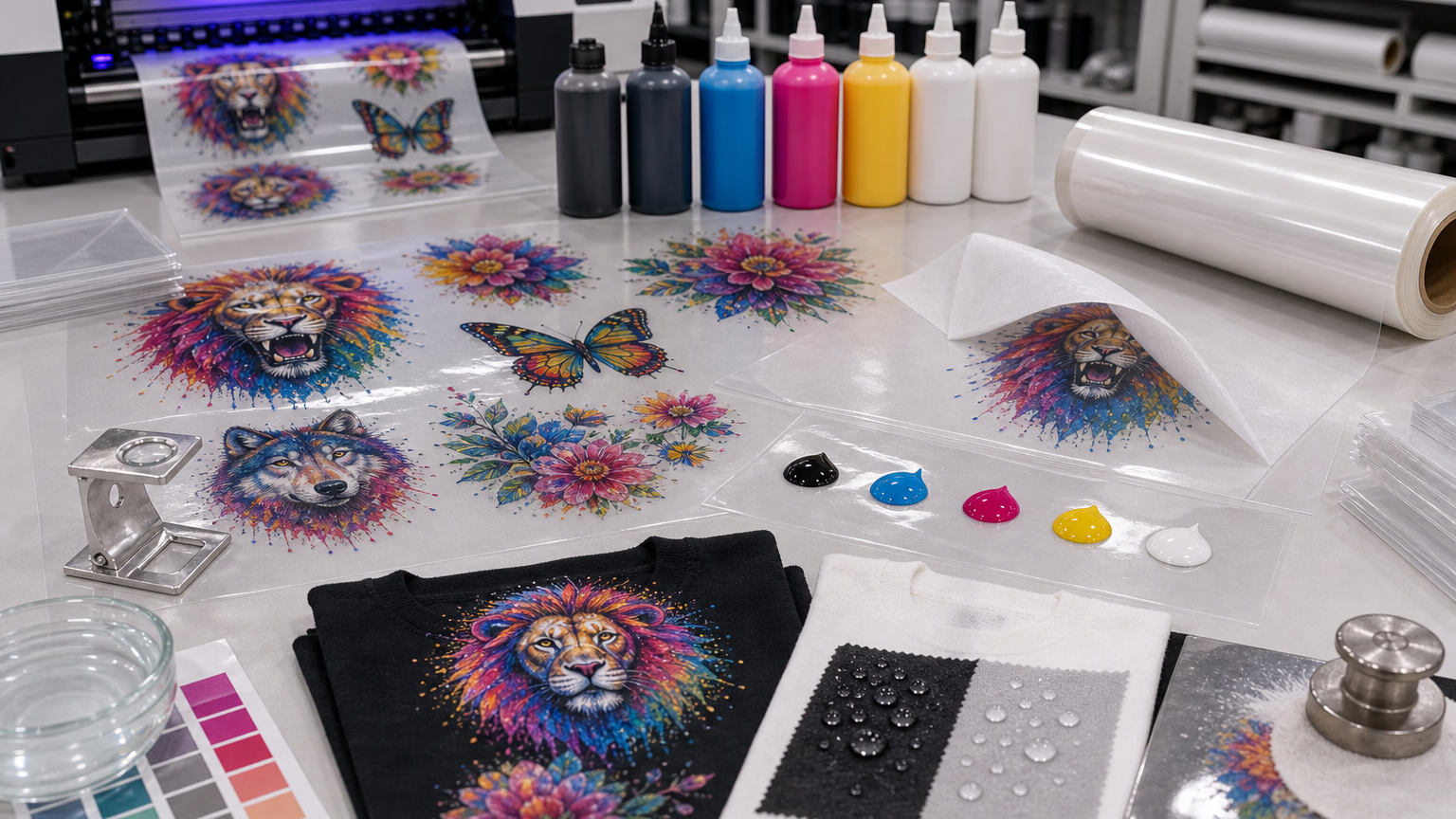
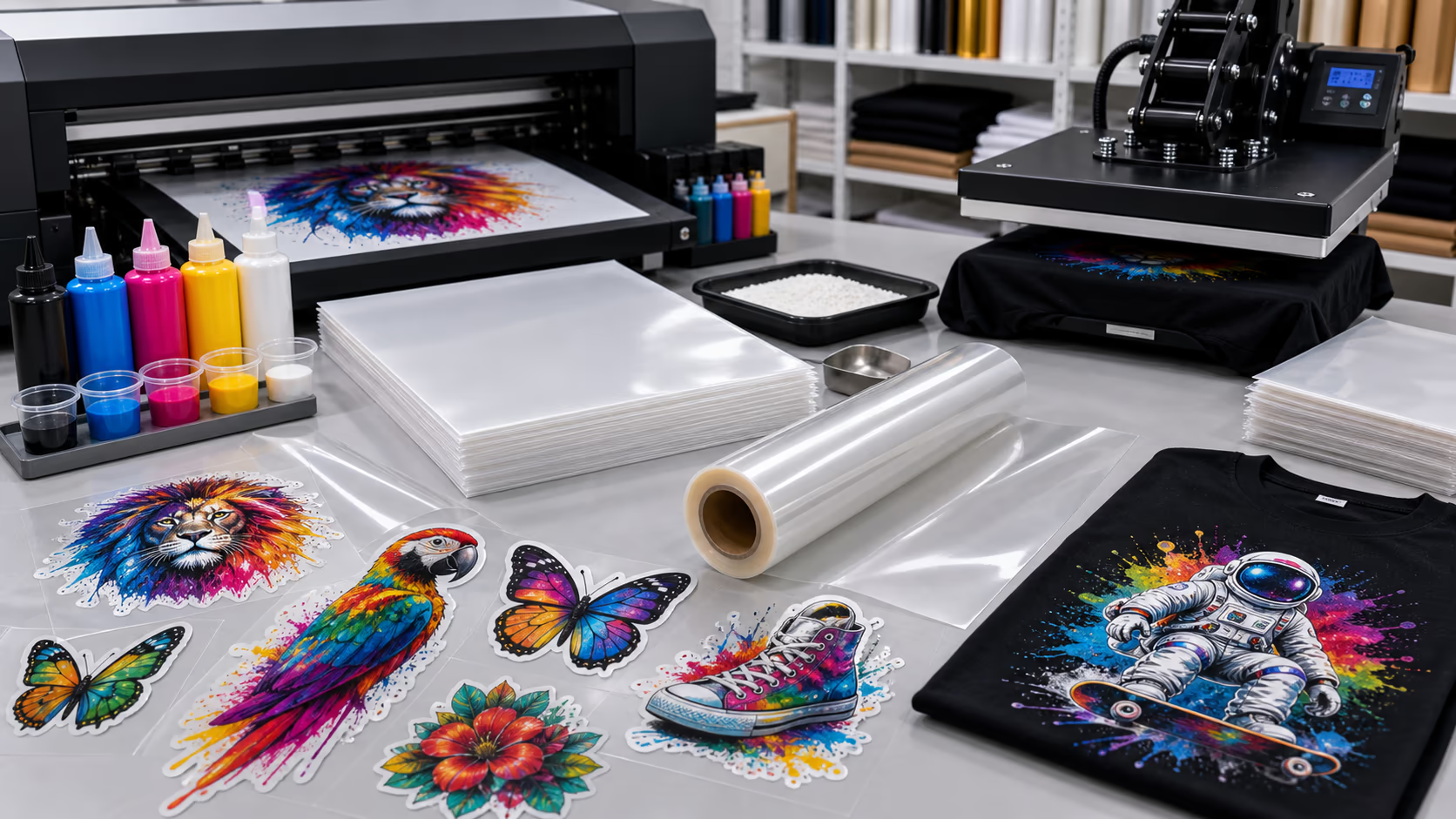
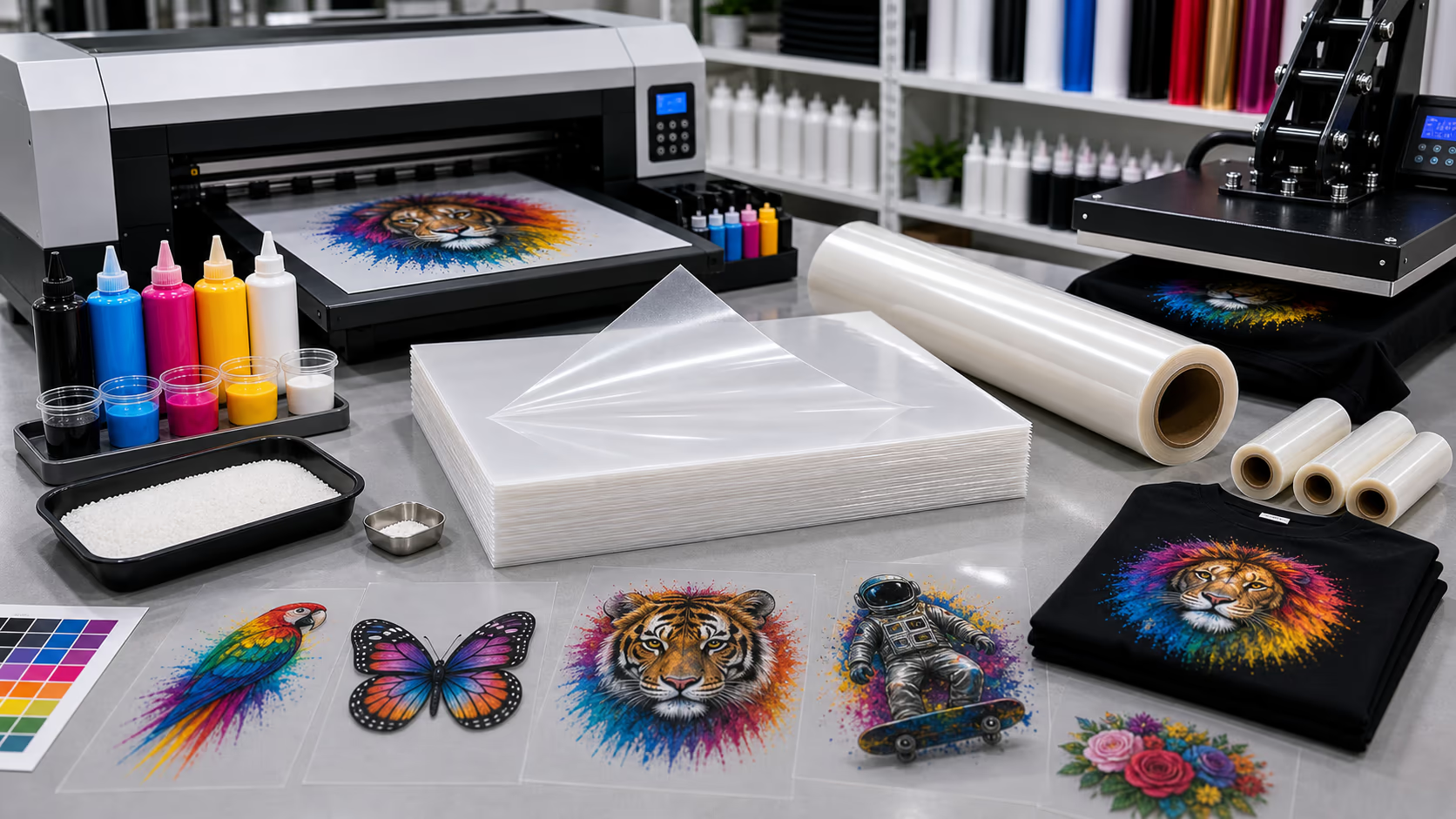
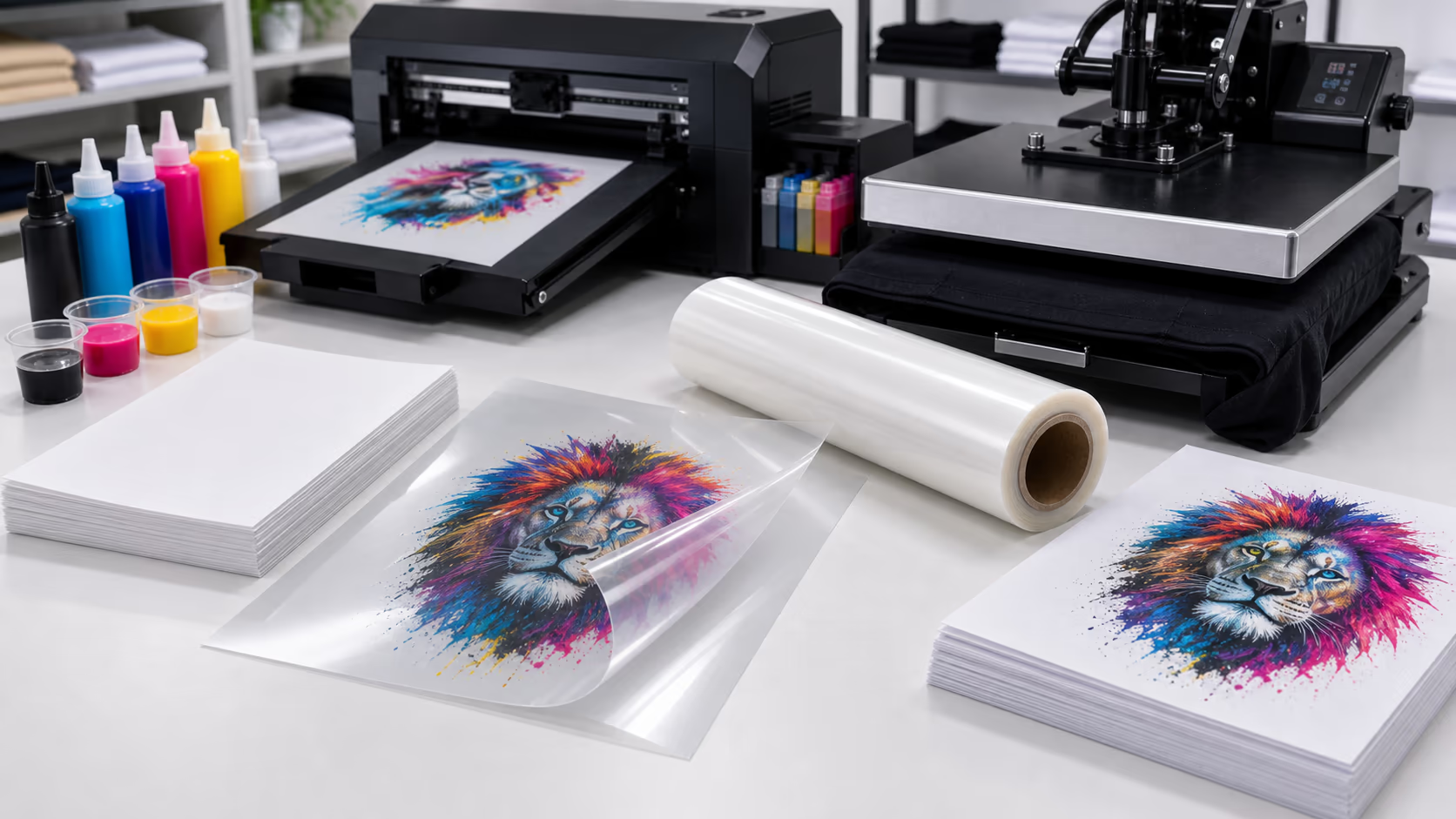
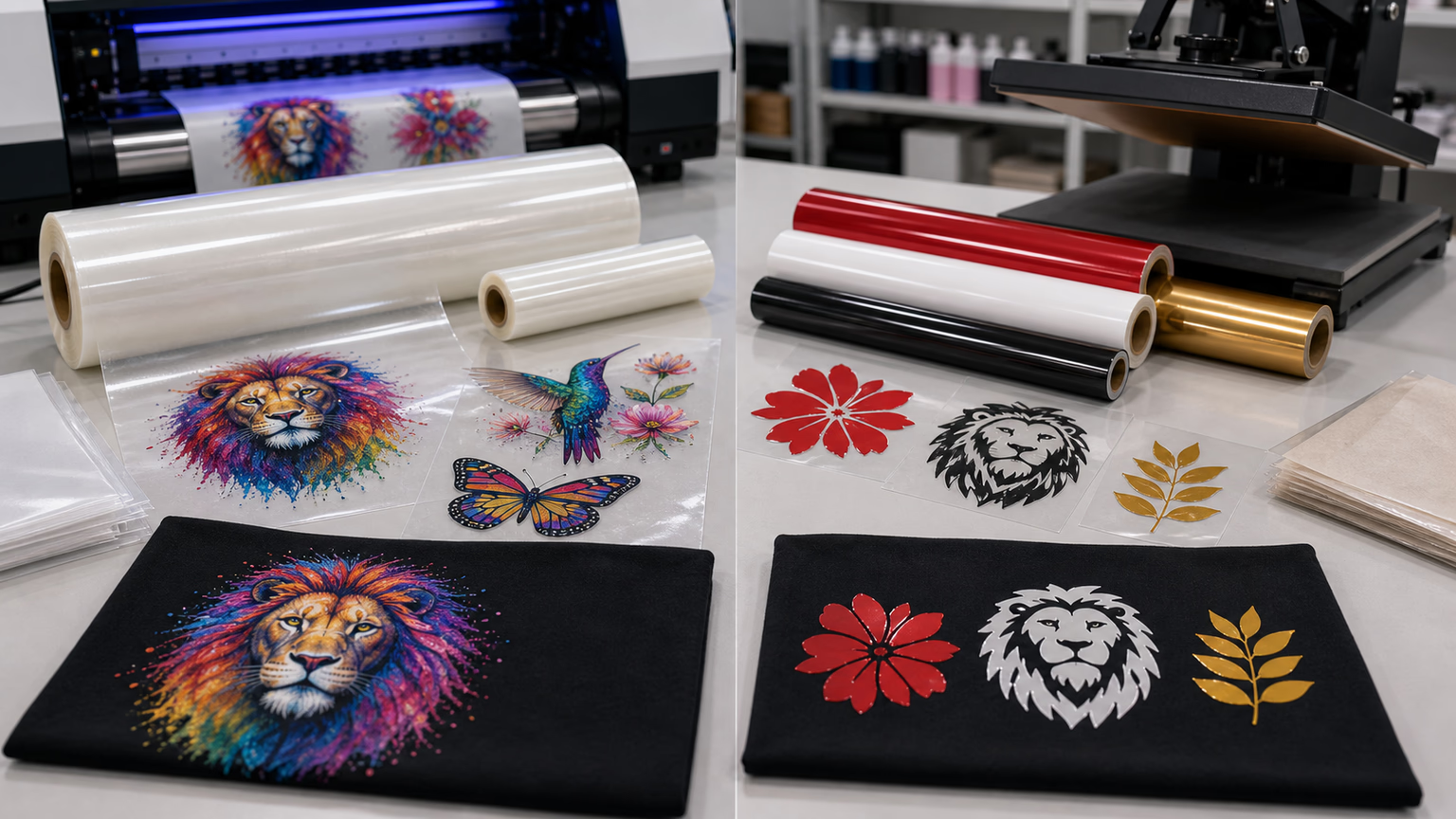
DTF Film 13, short for Direct-to-Film, is a specialized material used in the DTF printing process. DTF printing is a relatively new technology that combines aspects of traditional printing and digital transfer methods. The process involves printing a design directly onto a special polyethylene terephthalate (PET) film, which is then coated with a special adhesive powder. The film is then heated, causing the ink to melt and fuse with the powder, creating a transferable layer.
DTF Film 13 is specifically designed for this process and is typically used in combination with DTF printers. The “13” in the name refers to the film’s thickness, which is 13 microns. This thickness ensures that the film is thin enough to print detailed designs but strong enough to withstand the transfer process.
What is Transfer Paper?
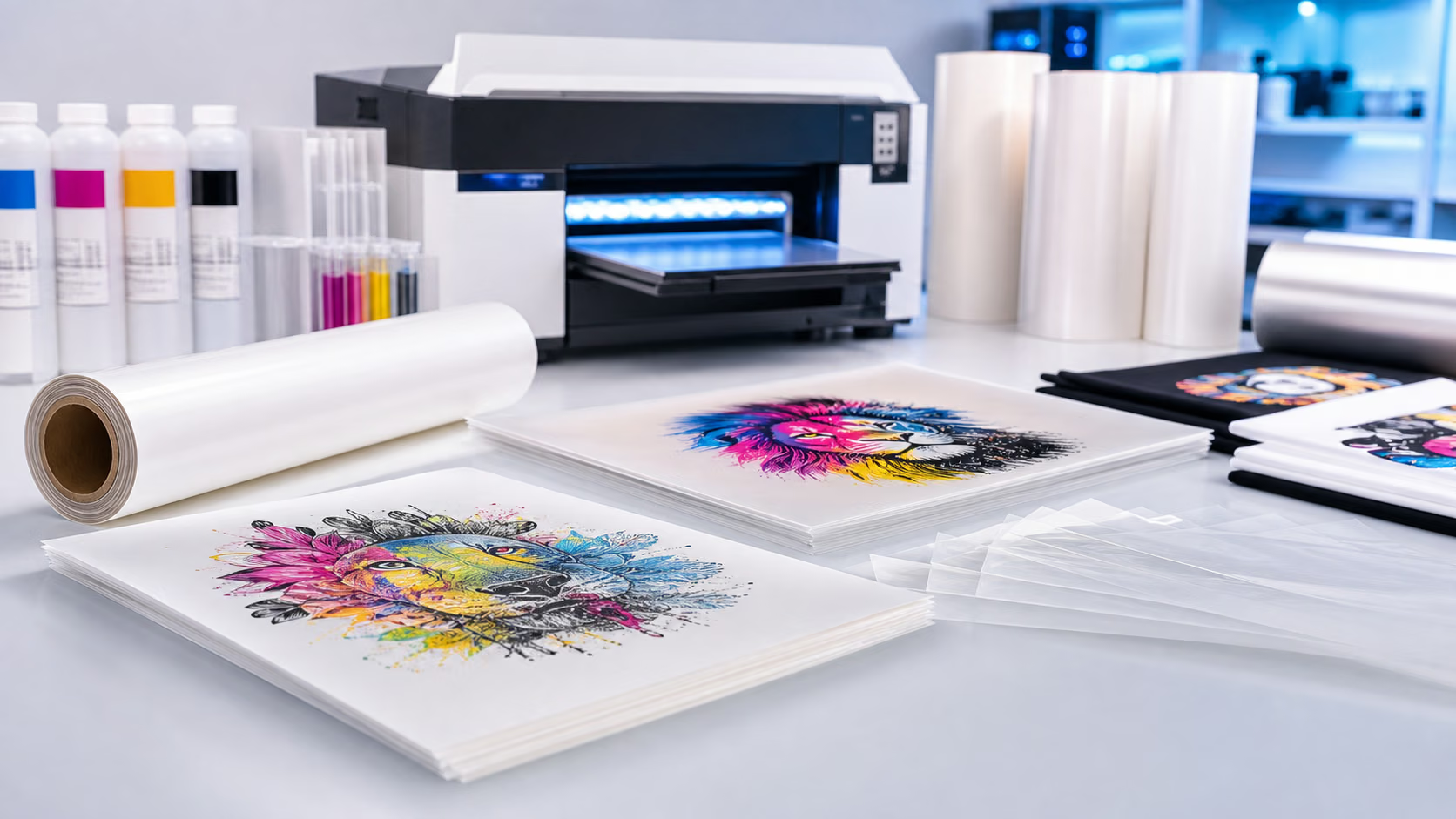
Transfer paper, on the other hand, is a more general term that refers to a variety of papers used in the transfer printing process. Transfer papers come in different types, including heat transfer paper, laser transfer paper, and inkjet transfer paper. These papers are designed to be printed on using a printer, and then the printed image is transferred onto another surface, usually fabric, using heat and pressure.
Heat transfer paper is the most common type and is widely used for customizing garments, tote bags, and other textiles. It works by printing a design on the paper with a special ink, which is then transferred onto the fabric when heat is applied. The ink melts and bonds with the fibers of the fabric, creating a lasting image.
Key Differences Between DTF Film 13 and Transfer Paper
- Material:
- DTF Film 13: Made of PET, a type of plastic, and specifically designed for the DTF printing process.
- Transfer Paper: Made of paper and comes in various types, each designed for different printing methods (heat, laser, or inkjet).
- Printing Process:
- DTF Film 13: Used in the DTF printing process, which involves printing directly onto the film, applying adhesive powder, and then transferring the design.
- Transfer Paper: Used in a variety of transfer printing processes, where the design is printed onto the paper and then transferred to the final surface using heat.
- Application:
- DTF Film 13: Primarily used for textile printing, especially for garments, where the design needs to be durable and washable.
- Transfer Paper: Widely used for a variety of applications, including textiles, ceramics, and other surfaces where a printed design needs to be transferred.
- Durability:
- DTF Film 13: Produces highly durable prints that are resistant to washing and wear. The adhesive powder used in the process helps to create a strong bond between the ink and the fabric.
- Transfer Paper: Durability can vary depending on the type of transfer paper and the materials being printed on. Heat transfer paper, for example, is known for producing durable prints on fabrics.
- Cost:
- DTF Film 13: Generally more expensive than standard transfer paper due to its specialized nature and the materials involved.
- Transfer Paper: Available at a wide range of prices, with some types being more affordable than others.
Which One Should You Use?
The choice between DTF Film 13 and transfer paper depends on your specific needs and the type of project you’re working on. If you’re looking for a highly durable and long-lasting print on textiles, DTF Film 13 is the better option. However, if you need a more versatile solution for a variety of surfaces and printing methods, transfer paper might be the way to go.
Conclusion
In summary, DTF Film 13 and transfer paper are both essential tools in the world of printing and design transfer, but they serve different purposes. DTF Film 13 is a specialized material designed for the DTF printing process, offering durability and precision in textile printing. Transfer paper, on the other hand, is a more general-purpose material used in a variety of transfer printing methods. Understanding the differences between the two will help you make informed decisions and achieve the best results for your projects.