“Experience the Difference: Is DTF Paper A4 vs Vinyl!” -MAXDTF- PET Film printing Factory, DTF transfer longevity Supplier, Made in china
In the realm of small-scale customization and hobby printing, A4 DTF (Direct-to-Film) paper and vinyl are two widely used materials, each favored for their unique strengths. A common question among enthusiasts and small-business owners is whether A4 DTF paper outperforms vinyl. The answer is not a simple “yes” or “no”—it depends on key factors like print requirements, substrate type, durability needs, and creative goals. This article compares A4 DTF paper and vinyl across critical dimensions, helping you determine which material is better suited for your specific projects.
First: Clarifying the Basics—A4 DTF Paper vs. Vinyl
Before diving into comparisons, it’s essential to understand the fundamental nature of each material, as their core designs lead to distinct performance characteristics.
A4 DTF Paper: What Is It?
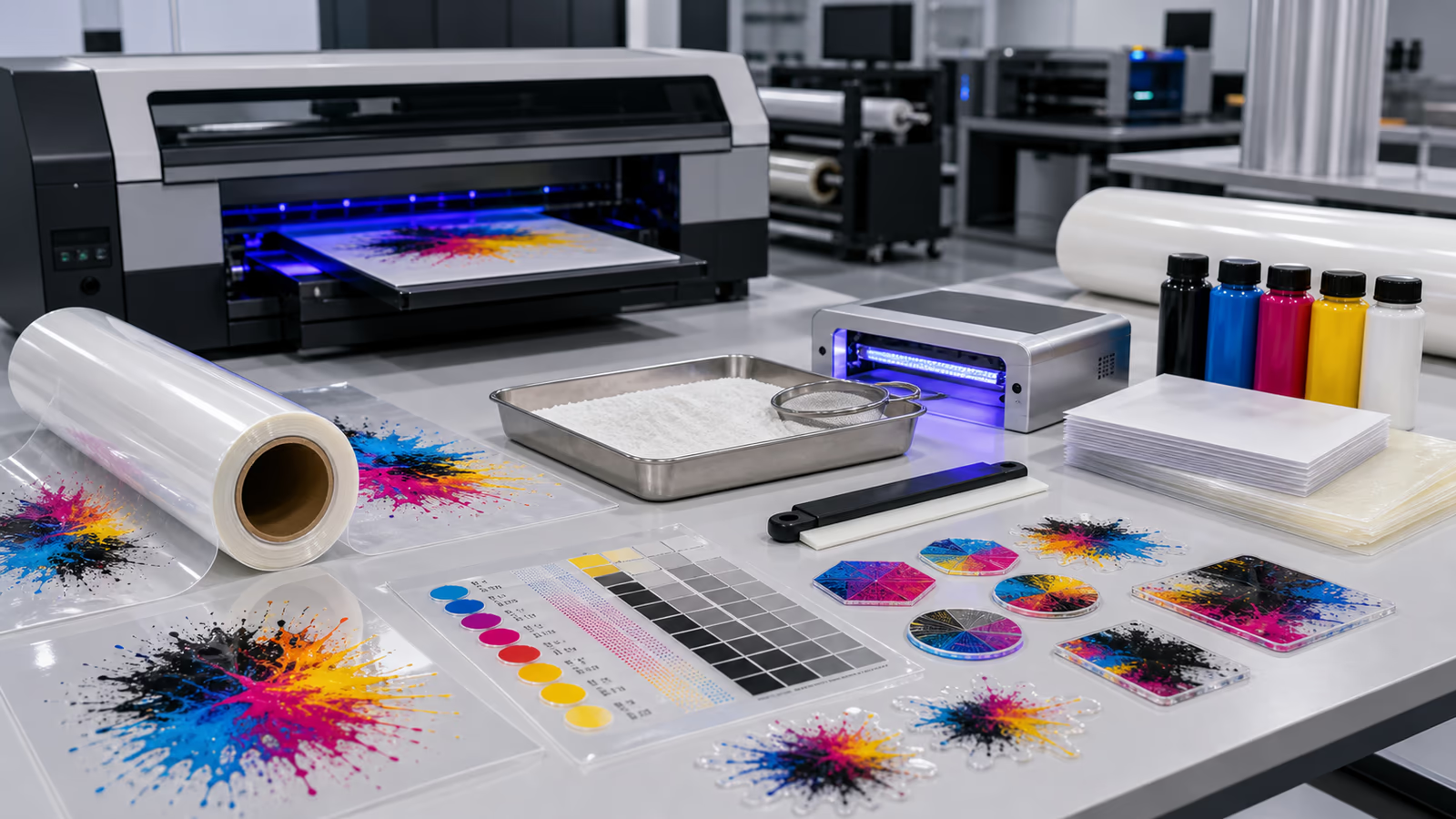
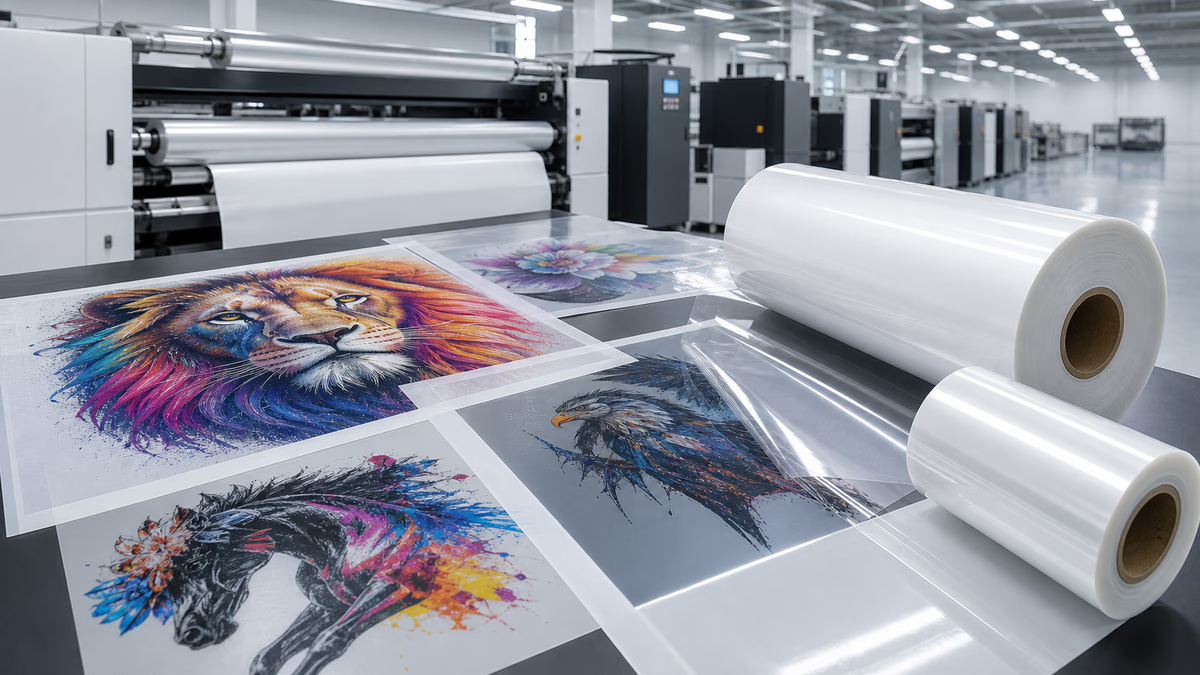
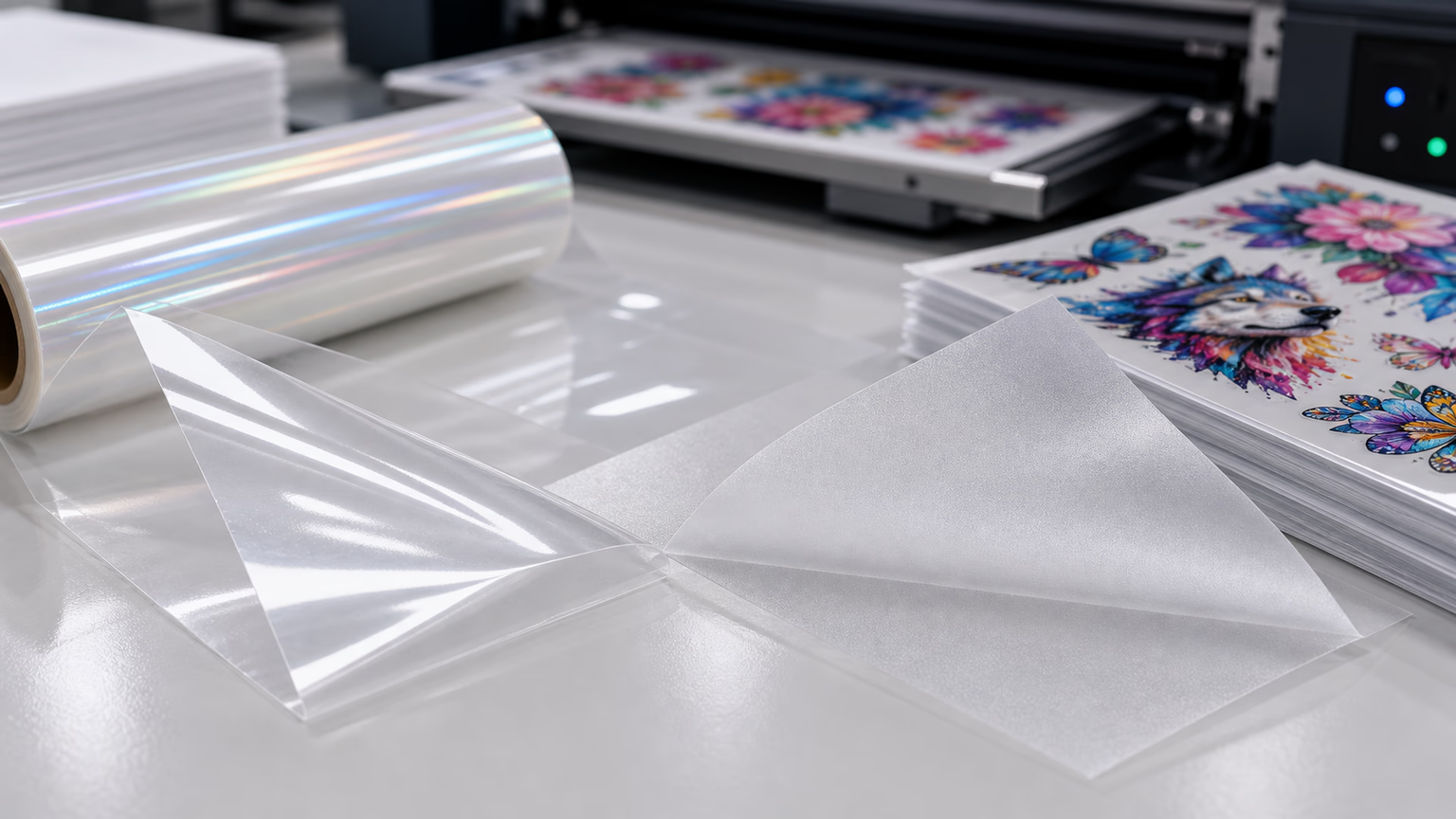
A4 DTF paper is a specialized PET (polyethylene terephthalate) film coated with an ink-receptive layer, designed for the DTF print-and-transfer workflow. Measuring 210×297mm (A4 size), it’s ideal for small-batch prints, personal projects, and desktop DTF printers. The paper acts as a temporary carrier: designs are printed with UV-curable or water-based DTF inks, coated with hot-melt adhesive powder, cured, and then transferred to substrates via heat pressing. After transfer, the PET carrier is peeled away, leaving only the vibrant, flexible print.
Vinyl: What Is It?
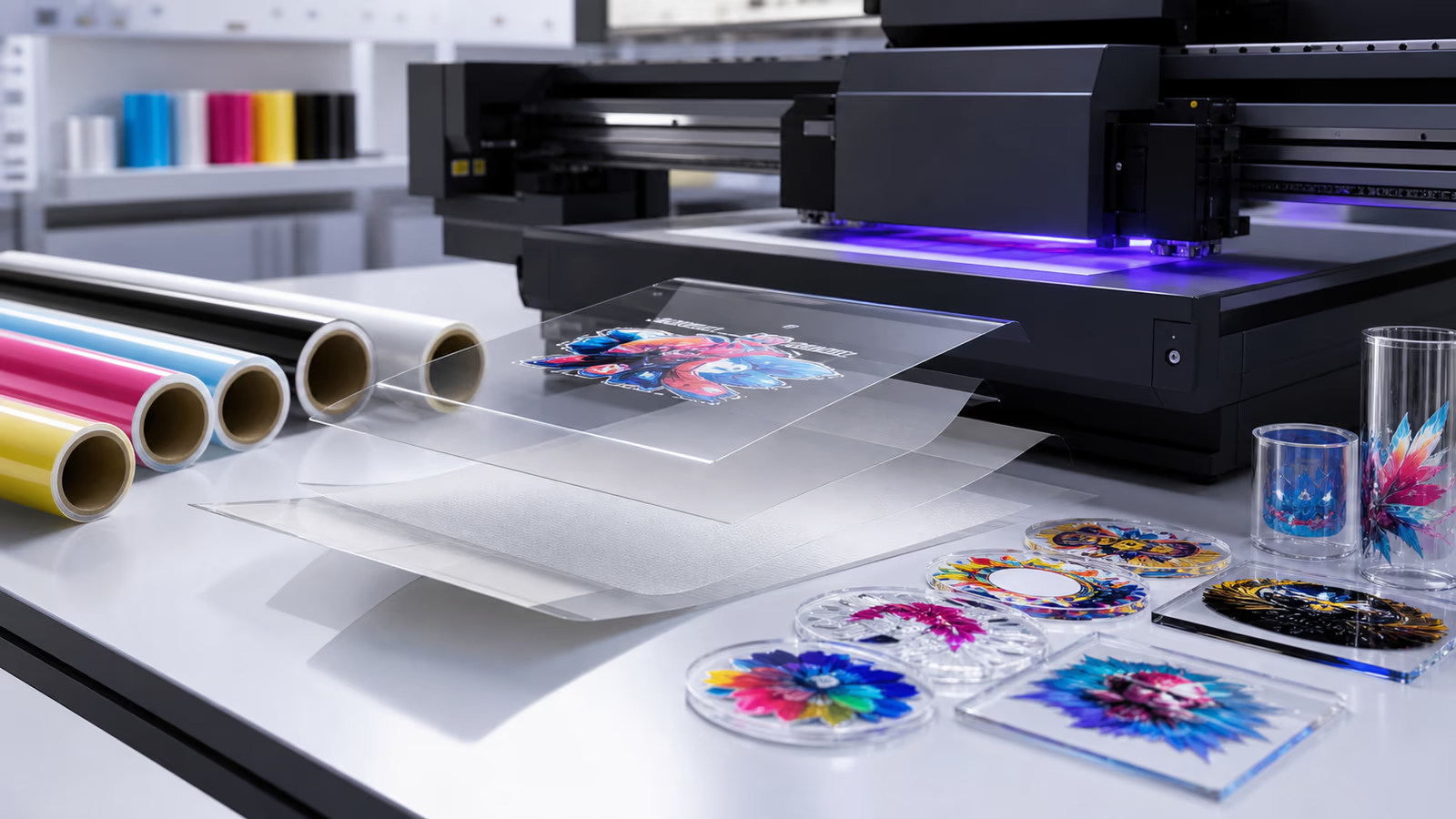
Vinyl (typically PVC or eco-friendly PU) is a self-adhesive film used in heat transfer vinyl (HTV) or adhesive vinyl applications. For apparel customization, HTV is the most common type: it’s cut into designs, applied to substrates with heat and pressure, and the backing is peeled away—with the vinyl itself becoming the permanent design layer. Adhesive vinyl is used for hard surfaces (e.g., signs, mugs). Vinyl is available in A4 sheets or rolls, with options for solid colors, metallic finishes, or printable variants.
Key Comparisons: A4 DTF Paper vs. Vinyl
To evaluate which material is “better,” we compare them across six critical categories that matter most for customization projects.
1. Print Quality and Design Versatility
A4 DTF paper excels in full-color, high-resolution prints. Its ink-receptive coating supports intricate details, smooth gradients, photographic images, and complex patterns—thanks to compatibility with digital DTF inks. It also allows for a white underbase, making light colors vivid on dark substrates without multiple layers. Vinyl, by contrast, is limited in design complexity: HTV relies on solid colors or simple cut shapes, while printable vinyl requires specialty inks (e.g., eco-solvent) and struggles with fine details or gradients. For colorful, detailed designs, A4 DTF paper is clearly superior.
2. Substrate Compatibility
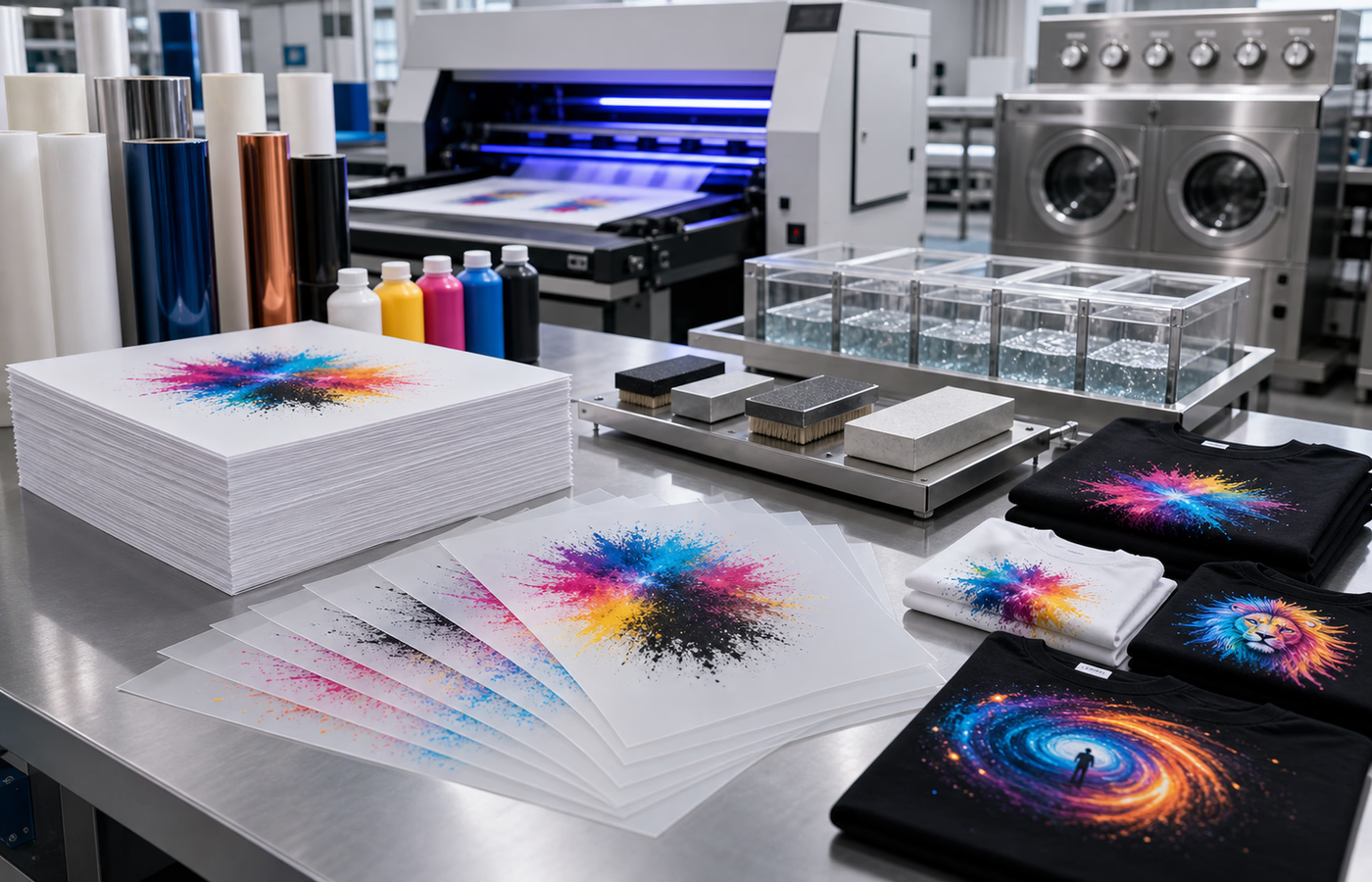
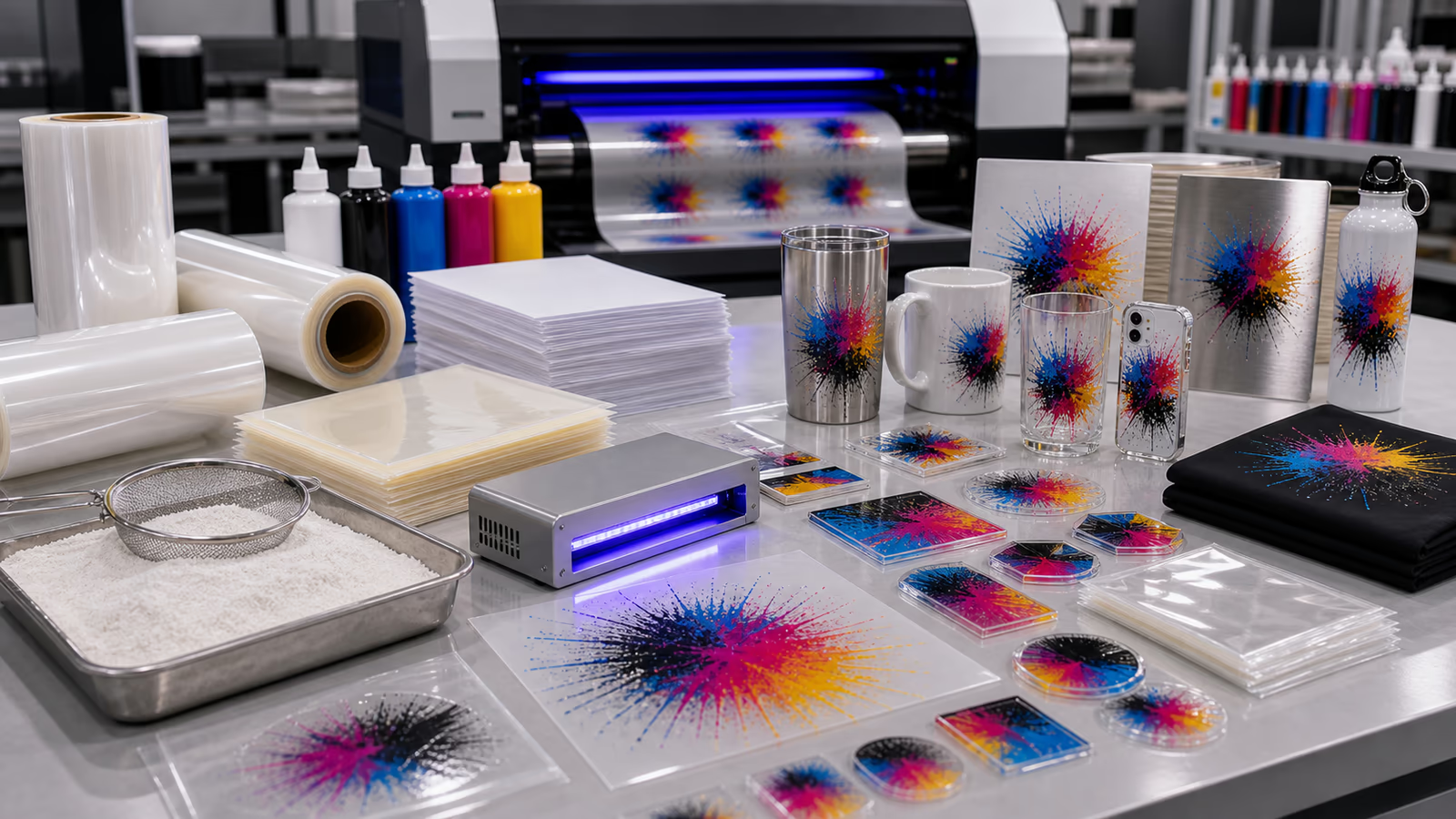
Both materials work with fabrics and hard surfaces, but their optimal uses differ. A4 DTF paper is highly versatile for textiles: it bonds effectively to 100% cotton, polyester, blends, leather, and even stretch fabrics, maintaining flexibility. It can also be used on hard surfaces (wood, metal, plastic) but is primarily designed for apparel. Vinyl (HTV) works best on polyester or high-polyester blends; it may adhere poorly to 100% cotton or stiffen the fabric. Adhesive vinyl is excellent for hard surfaces but unsuitable for washable textiles. For cotton-rich apparel, A4 DTF paper is better; for hard surfaces or simple polyester designs, vinyl may suffice.
3. Durability and Wash Resistance
Durability depends on application and material quality. A4 DTF paper prints, when properly applied with hot-melt powder, are highly wash-resistant—withstanding 50+ washes without fading, peeling, or cracking. The flexible ink-adhesive layer moves with the fabric, reducing brittleness. HTV is also durable but can become brittle over time, especially with frequent washing, and may peel if not pressed correctly. Adhesive vinyl is durable on hard surfaces but not designed for laundering. For long-lasting apparel prints, A4 DTF paper offers better reliability.
4. Ease of Use and Workflow
Vinyl (HTV) has a simpler workflow for basic designs: cut the design, weed excess vinyl, heat-press, and peel the backing. No printer or ink is needed, making it ideal for beginners or projects with solid-color, simple shapes. A4 DTF paper requires more equipment (DTF printer, UV curing system, heat press) and steps (printing, powder application, curing, transfer). While more complex, it’s efficient for small-batch, detailed prints. For beginners or simple designs, vinyl is easier; for detailed prints, the extra steps of A4 DTF paper are worthwhile.
5. Cost-Effectiveness
Initial costs favor vinyl: HTV requires only a cutter and heat press, with low material costs for simple designs. A4 DTF paper has higher upfront costs (printer, inks, powder) but becomes cost-effective for small-batch, multi-color prints. For single-color designs, vinyl is cheaper; for full-color, detailed prints (e.g., 5+ colors), A4 DTF paper avoids the need for multiple vinyl layers or cuts, reducing labor and material costs.
6. Environmental Impact
Vinyl (PVC) has environmental drawbacks: it’s non-biodegradable and releases harmful chemicals during production and disposal. Eco-friendly PU vinyl is available but more expensive. A4 DTF paper is more sustainable: it uses low-VOC DTF inks, excess powder is recyclable, and PET film can be recycled in some cases. The DTF process also generates less waste than vinyl weeding. For eco-conscious projects, A4 DTF paper is a better choice.
When Is A4 DTF Paper Better Than Vinyl? When Is Vinyl Better?
The “better” material depends on your project goals:
Choose A4 DTF Paper If:
- You need full-color, detailed designs (gradients, photos, complex patterns).
- You’re printing on 100% cotton, cotton blends, or delicate fabrics.
- Durability and wash resistance are top priorities (e.g., apparel for daily wear).
- You want a flexible print that doesn’t stiffen the fabric.
- Sustainability is important to your project.
Choose Vinyl If:
- You’re creating simple, solid-color designs (e.g., names, logos, shapes).
- You’re a beginner with limited equipment (no printer).
- You’re printing on polyester or high-polyester blends.
- You need a quick, low-cost solution for single-color projects.
- You’re customizing hard surfaces (adhesive vinyl for signs, mugs).
Conclusion: It’s About Fit, Not Absolute Superiority
A4 DTF paper is not universally “better” than vinyl, but it outperforms vinyl in key areas: full-color design versatility, cotton compatibility, print flexibility, durability, and sustainability. Vinyl, however, is better for simple, low-cost, solid-color projects or when you lack a DTF printer. The best choice depends on your specific needs: if you prioritize detailed, long-lasting prints on cotton apparel, A4 DTF paper is the superior option; if you need quick, simple designs on polyester or hard surfaces, vinyl is more practical. By matching the material to your project goals, you can achieve the best possible results.