“Bringing Your Digital Images to Life with DTF Digital Transfer Film!” -MAXDTF- DTF Transfer Film glossy Supplier, DTF Film sheets 8.5 x 11 Manufacturer, Made in china
In the rapidly evolving landscape of digital textile printing, DTF (Direct-to-Film) technology has emerged as a game-changing solution, and at its core lies DTF digital transfer film—a specialized material that enables high-quality, versatile prints on a wide range of fabrics. For printers, designers, and businesses new to DTF printing, understanding “what is DTF digital transfer film?” is the first step toward leveraging this innovative technology. This article breaks down the definition, key components, working mechanism, types, advantages, and applications of DTF digital transfer film, providing a comprehensive overview for both beginners and industry professionals.
Defining DTF Digital Transfer Film: The Basics
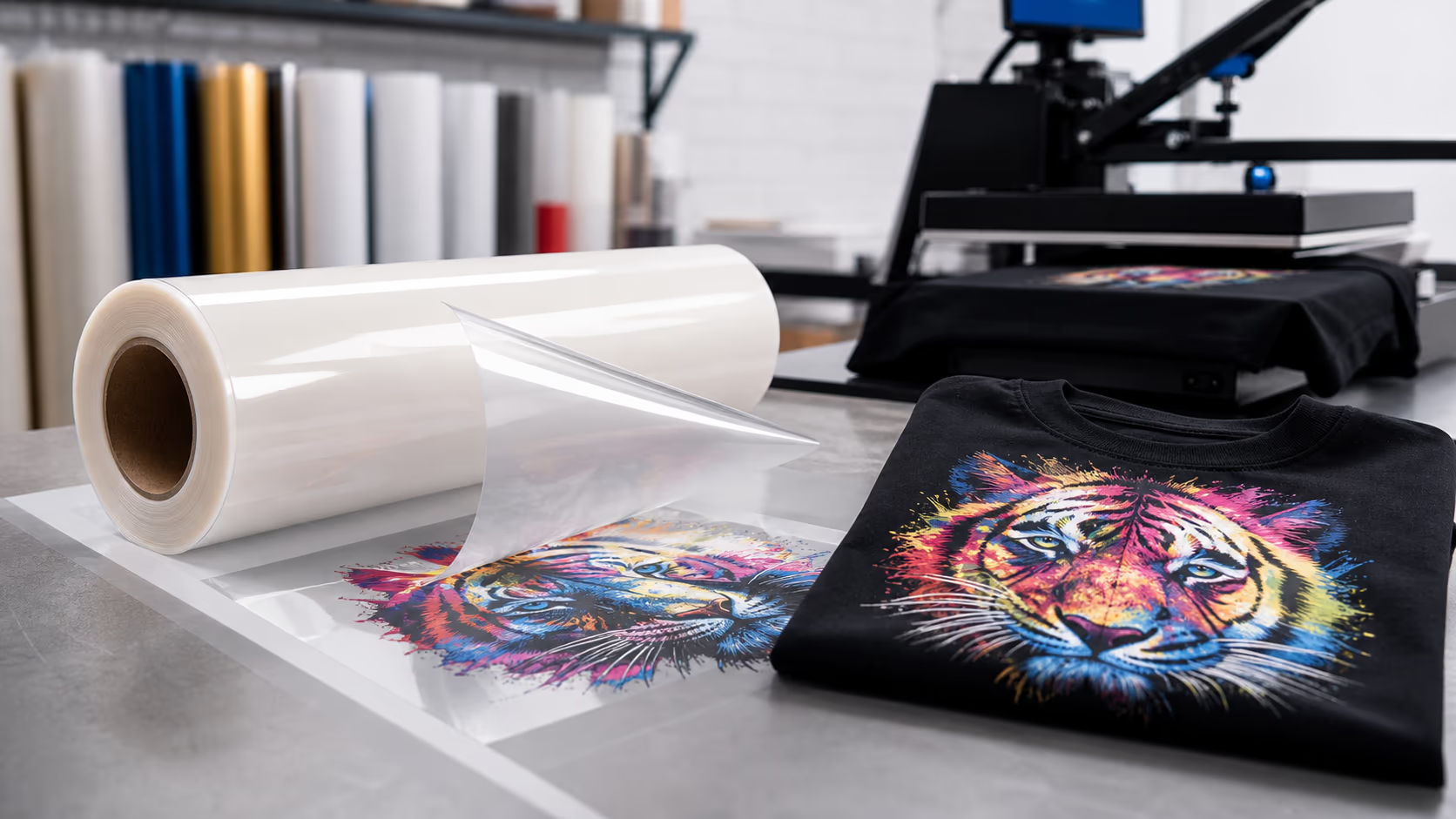
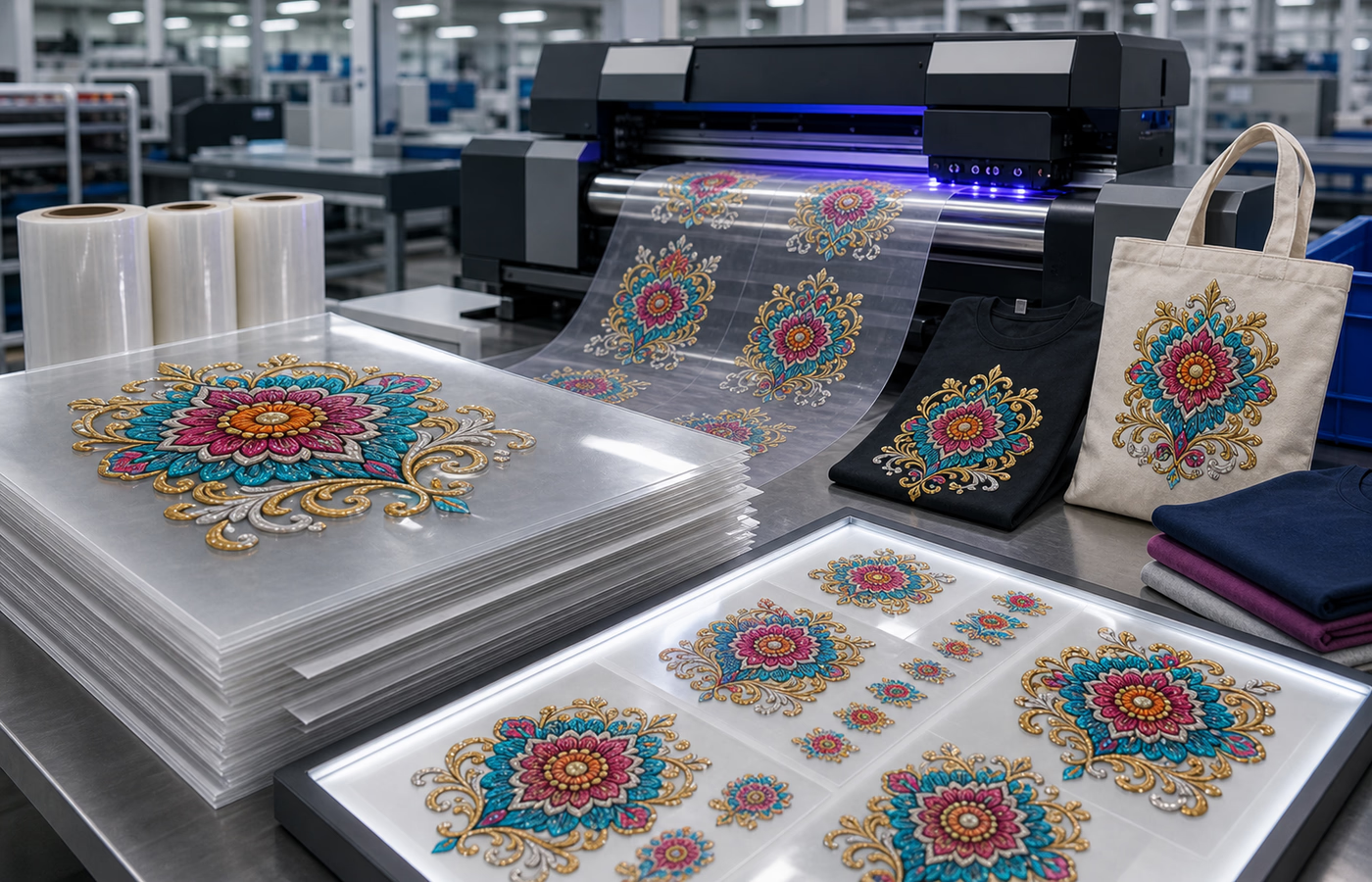
DTF digital transfer film is a specially engineered carrier film designed for use in Direct-to-Film printing—a process that involves printing digital designs directly onto the film, then transferring the design to a target substrate (primarily textiles) using heat and pressure. Unlike traditional transfer films that require pre-cutting or specific ink types, DTF digital transfer film is optimized for compatibility with DTF inks and adhesive powders, enabling seamless, high-resolution print reproduction. Its primary role is to act as a temporary medium that holds the ink and adhesive until the transfer process, ensuring the design adheres firmly to the substrate while retaining its color vibrancy and detail.
Core Structure of DTF Digital Transfer Film
To understand how DTF digital transfer film works, it’s essential to examine its layered structure. Most DTF films consist of two key components, each serving a critical function in the printing and transfer workflow:
1. PET Base Layer
The base layer of DTF digital transfer film is typically made of PET (Polyethylene Terephthalate), a durable, heat-resistant plastic. This layer provides structural stability to the film, supporting it during the printing process (as it passes through the printer) and the subsequent application of adhesive powder. The PET base is designed to withstand the heat of the curing and heat-pressing steps without warping or melting. Additionally, it features a smooth surface that allows for precise ink deposition and easy peeling after transfer.
2. Ink-Receptive Coating Layer
The top layer of DTF digital transfer film is a specialized ink-receptive coating—this is the key to its performance. Engineered to absorb and lock in DTF inks (water-based or solvent-based), the coating ensures that the ink adheres firmly to the film during printing and curing. It also provides a smooth, uniform surface that preserves intricate design details, from fine lines to vibrant color gradients. Moreover, the coating is compatible with DTF adhesive powder, allowing the powder to bond with the ink layer and form a strong adhesive bond with the substrate during heat pressing.
How Does DTF Digital Transfer Film Work? The Printing & Transfer Process
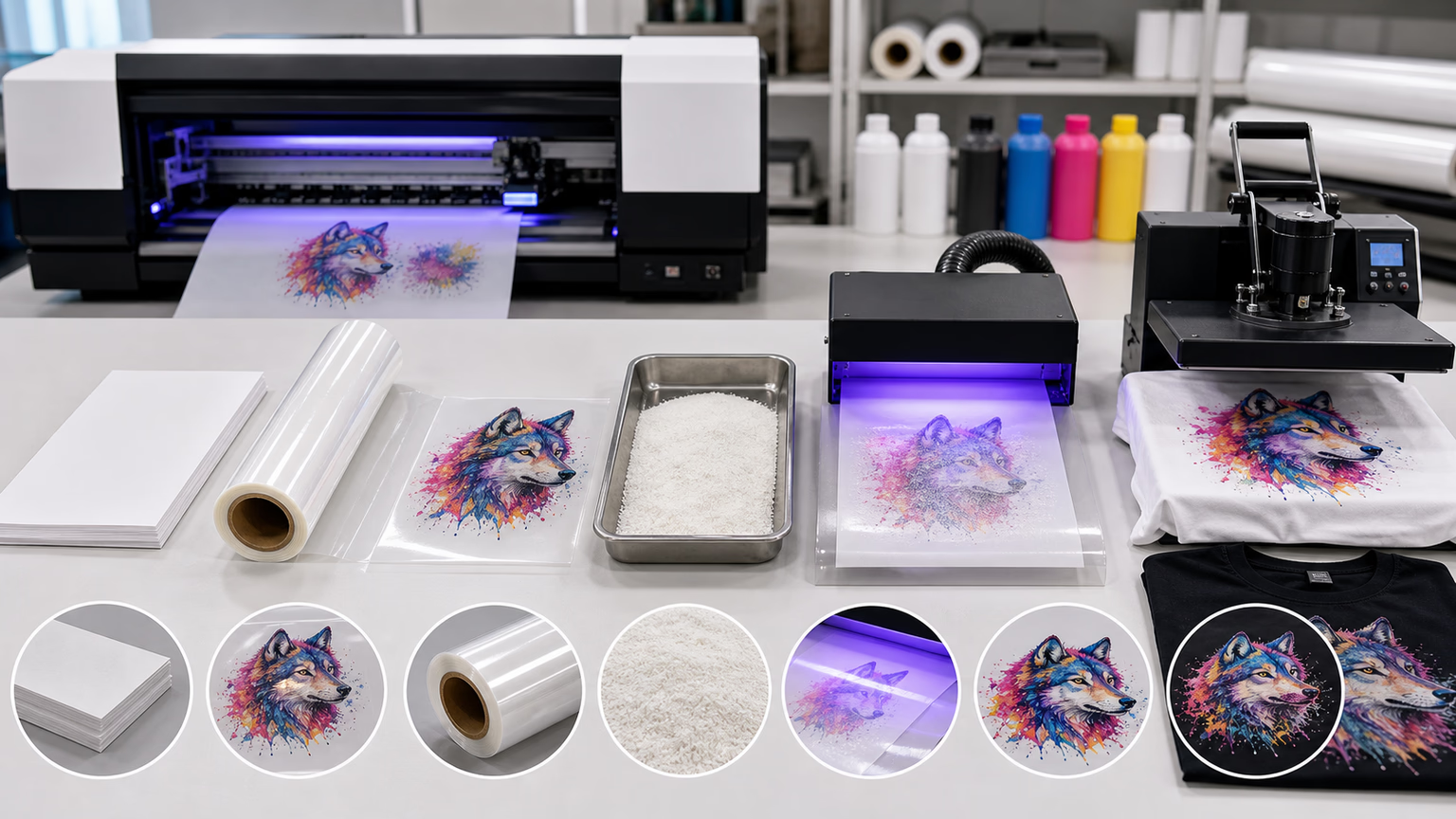
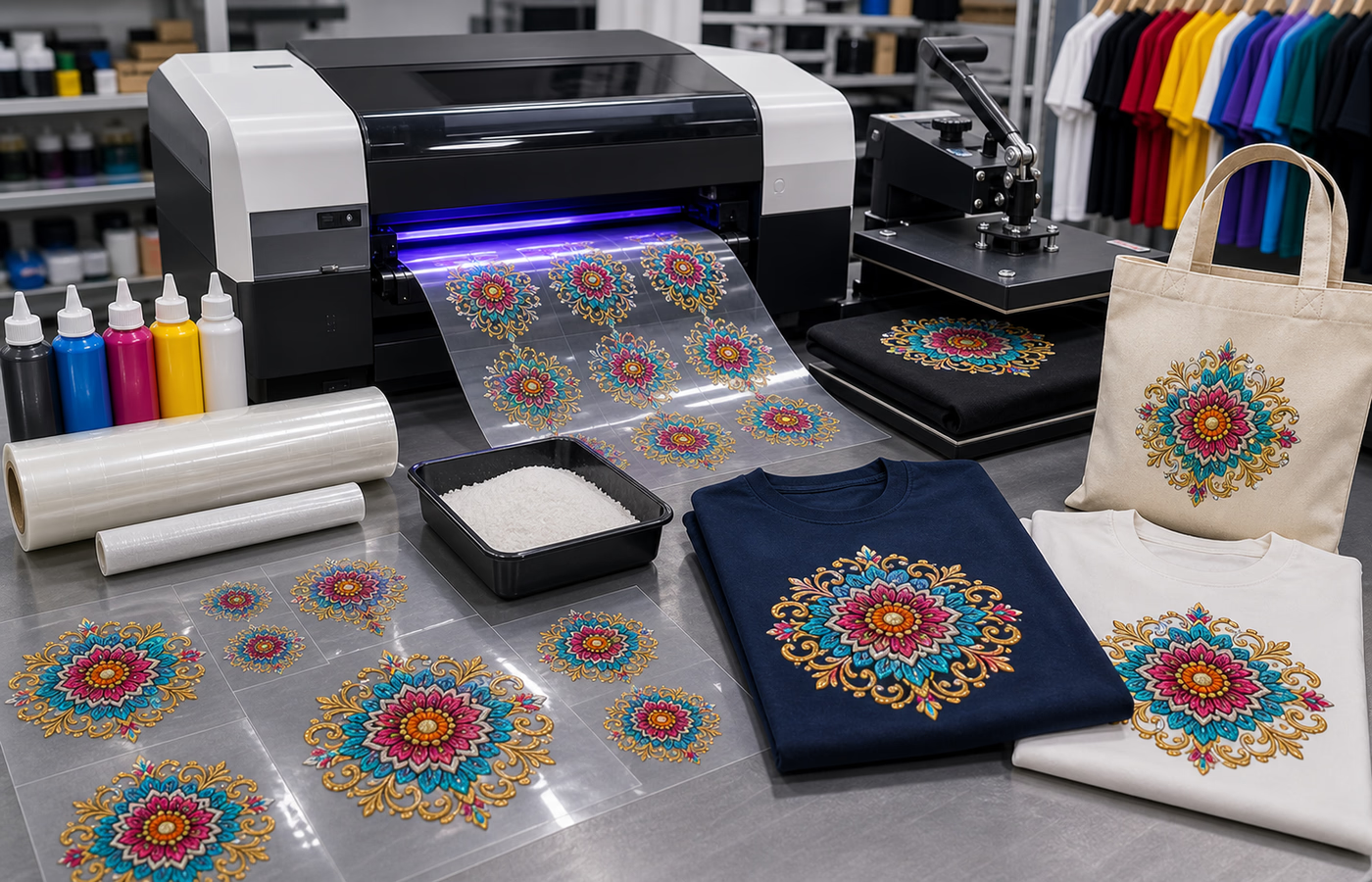
DTF digital transfer film functions as part of a straightforward four-step workflow, which is one of the reasons for its popularity in the textile printing industry. Here’s a breakdown of how it integrates into the DTF printing process:
Step 1: Printing on the Film
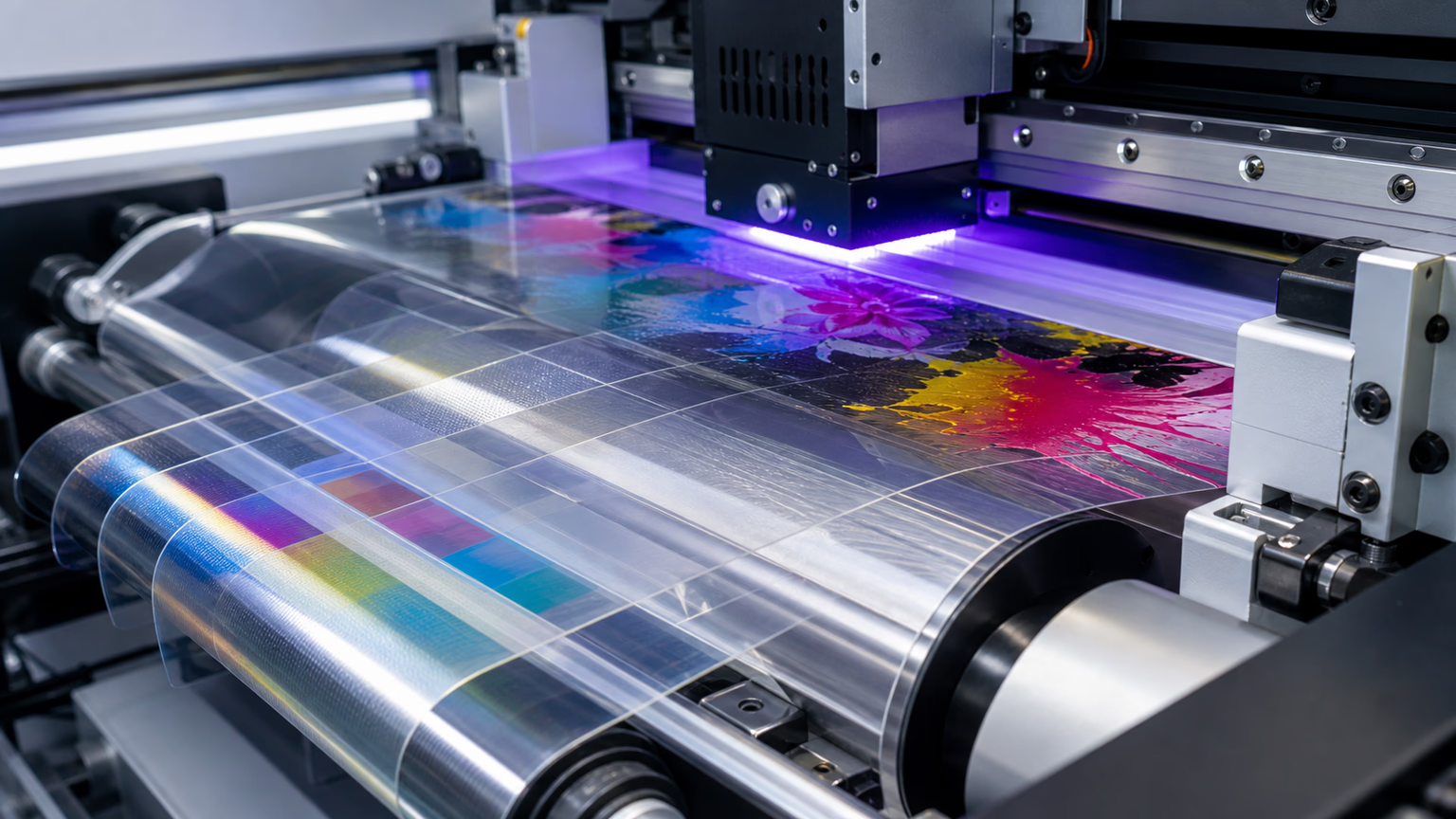
First, a digital design is printed directly onto the ink-receptive coating side of the DTF digital transfer film using a DTF printer. The printer ejects DTF inks onto the film’s coating, which absorbs the ink and holds the design in place. This step allows for full-color, high-resolution printing, with no limitations on design complexity—from simple logos to photorealistic images.
Step 2: Applying Adhesive Powder
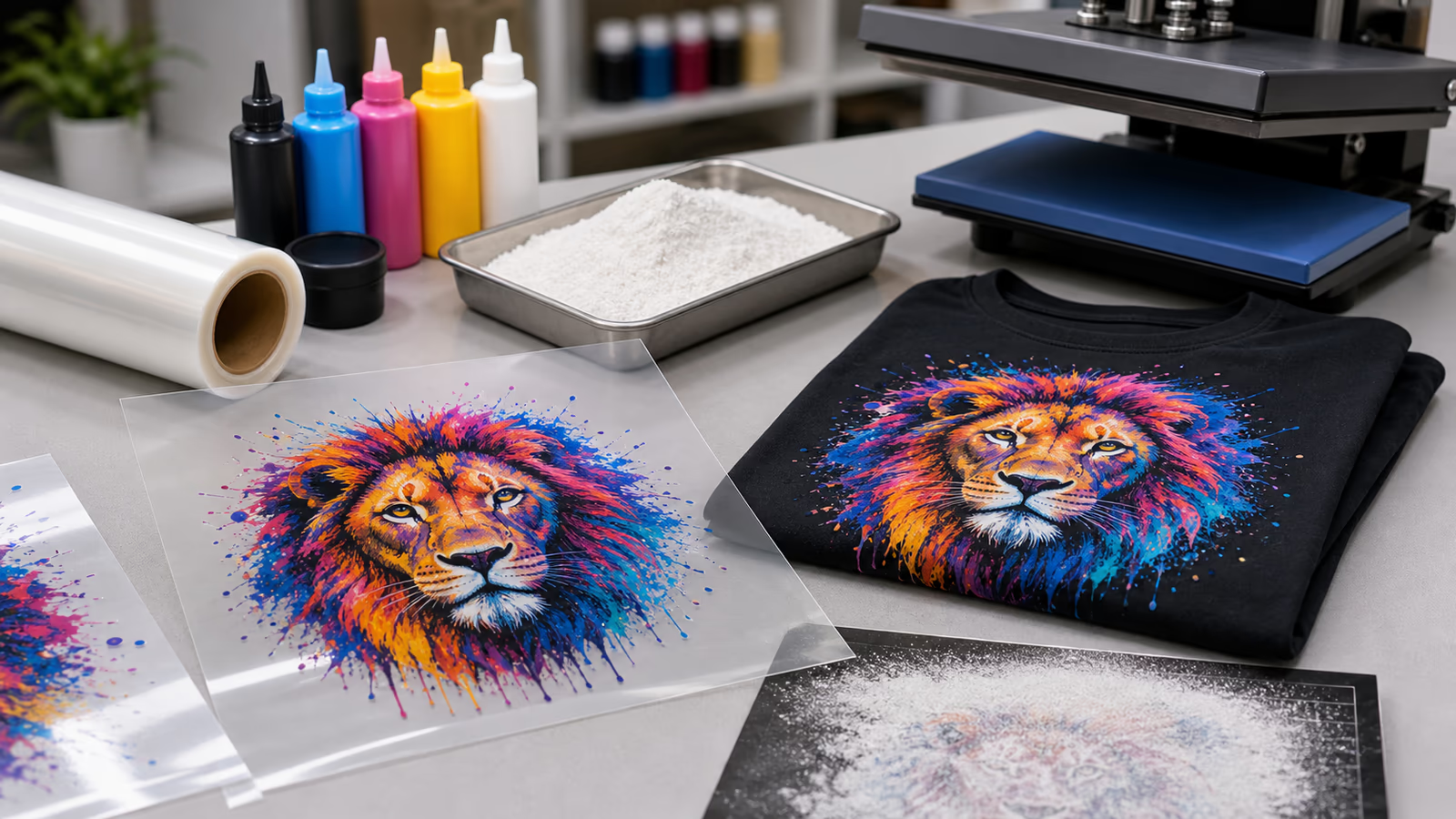
Immediately after printing, while the ink is still wet, DTF adhesive powder is sprinkled over the printed area. The ink-receptive coating helps the powder adhere evenly to the ink layer (and not the PET base). Excess powder is then shaken off and recycled, reducing waste.
Step 3: Curing
The film (with the printed design and adhesive powder) is then passed through a curing oven or heated using a heat press. The curing process melts the adhesive powder, fusing it with the ink layer to form a single, cohesive print layer on the film.
Step 4: Heat Transfer to Substrate
Finally, the cured film is placed onto the target textile (or other substrate), with the printed/adhesive layer facing the substrate. A heat press applies controlled heat (typically 140°C–160°C) and pressure for a set time, causing the adhesive to activate and bond the print layer to the substrate. Once cooled, the PET base layer is peeled away, leaving the design permanently on the substrate.
Common Types of DTF Digital Transfer Film
DTF digital transfer film is not one-size-fits-all; it comes in various types tailored to different printing needs, substrate types, and aesthetic preferences. The most common variants include:
1. Matte DTF Transfer Film
Matte DTF film features a non-reflective, soft finish that is ideal for designs requiring a subtle, natural look. The ink-receptive coating is formulated to reduce light reflection, making it perfect for apparel like t-shirts, hoodies, and loungewear where a glossy finish might be undesirable. It is compatible with most textiles, including cotton, polyester, and blends.
2. Glossy DTF Transfer Film
Glossy DTF film has a shiny, reflective coating that enhances color vibrancy and creates a premium, eye-catching finish. It is popular for fashion-forward apparel, promotional merchandise, and designs that need to stand out (e.g., streetwear logos, event t-shirts). The glossy coating amplifies the brightness of the ink, resulting in more vivid prints.
3. Textile-Specific DTF Transfer Film
This type of DTF film is engineered for maximum flexibility, making it suitable for stretchy textiles like spandex, lycra, and athletic wear. The coating and base layer are designed to move with the fabric without cracking or peeling, ensuring durability even after repeated stretching and washing.
4. High-Temperature Resistant DTF Transfer Film
For substrates that require higher heat during transfer (e.g., thick denim, canvas), high-temperature resistant DTF film is used. Its PET base and coating can withstand elevated temperatures without degrading, ensuring the film remains stable during the transfer process.
Key Advantages of DTF Digital Transfer Film
The growing popularity of DTF printing is largely attributed to the unique advantages of DTF digital transfer film, which addresses many limitations of traditional textile printing methods (e.g., screen printing, DTG printing). These advantages include:
1. Broad Substrate Compatibility
Unlike DTG (Direct-to-Garment) printing, which is limited to cotton, or sublimation, which requires polyester, DTF digital transfer film works on virtually all textiles—cotton, polyester, blends, denim, silk, spandex, and more. It also works on non-textile substrates like leather and canvas, expanding its application range.
2. High-Quality Print Reproduction
The ink-receptive coating of DTF film ensures sharp, detailed prints with vibrant colors. It can reproduce intricate designs, color gradients, and photorealistic images with accuracy, outperforming traditional screen printing in terms of design complexity.
3. Cost-Effective for Small Batches
DTF digital transfer film eliminates the setup costs associated with screen printing (e.g., stencil creation), making it cost-effective for small-batch orders, custom prints, and on-demand production. This is ideal for small businesses, hobbyists, and brands offering personalized products.
4. Durable and Long-Lasting Prints
When combined with DTF adhesive powder, the prints from DTF digital transfer film are highly durable, resisting washing, fading, and abrasion. The fused ink-adhesive layer bonds tightly to the substrate, ensuring the design remains intact even after multiple wash cycles—a critical advantage for apparel and everyday items.
Practical Applications of DTF Digital Transfer Film
Thanks to its versatility, quality, and cost-effectiveness, DTF digital transfer film is used across various industries and applications. Some of the most common use cases include:
- Apparel Printing: Custom t-shirts, hoodies, jackets, jeans, athletic wear, and loungewear.
- Promotional Merchandise: Branded tote bags, caps, aprons, and towels for businesses, events, or campaigns.
- Custom Textiles: Personalized home décor items like pillowcases, bed sheets, and tablecloths.
- Niche Products: Fashion accessories (e.g., scarves, gloves), pet clothing, and workwear.
Conclusion: Why DTF Digital Transfer Film Matters
In summary, DTF digital transfer film is a specialized, layered carrier film that enables the core functionality of DTF printing—bridging digital designs with physical substrates. Its unique structure (PET base + ink-receptive coating) supports high-quality print reproduction, broad substrate compatibility, and durable transfers, making it a versatile solution for the textile printing industry. Whether you’re a small business owner looking to offer custom apparel, a designer exploring new creative possibilities, or an industry professional seeking cost-effective production methods, understanding DTF digital transfer film is key to unlocking the full potential of DTF technology. As the demand for customization and flexibility continues to grow, DTF digital transfer film will remain a cornerstone of modern digital textile printing.