“Experience the Magic of Direct to Film Printing – Feel the Difference!” -MAXDTF- DTF sheet Supplier, DTF printing paper Factory, Made in china
Direct to film (DTF) printing has emerged as a beloved technique in the world of custom apparel and fabric decoration, celebrated for its versatility and vibrant results. Yet beyond the visual appeal, the tactile experience of DTF-printed items is a key part of what makes this method stand out. To touch a DTF-printed garment is to encounter a texture that balances subtlety and presence, one that evolves with wear and connects the user to the craftsmanship of the print. Let’s dive into the nuanced feel of DTF printing, from the first touch to how it ages over time.
The Tactile First Impression: Fresh DTF Prints
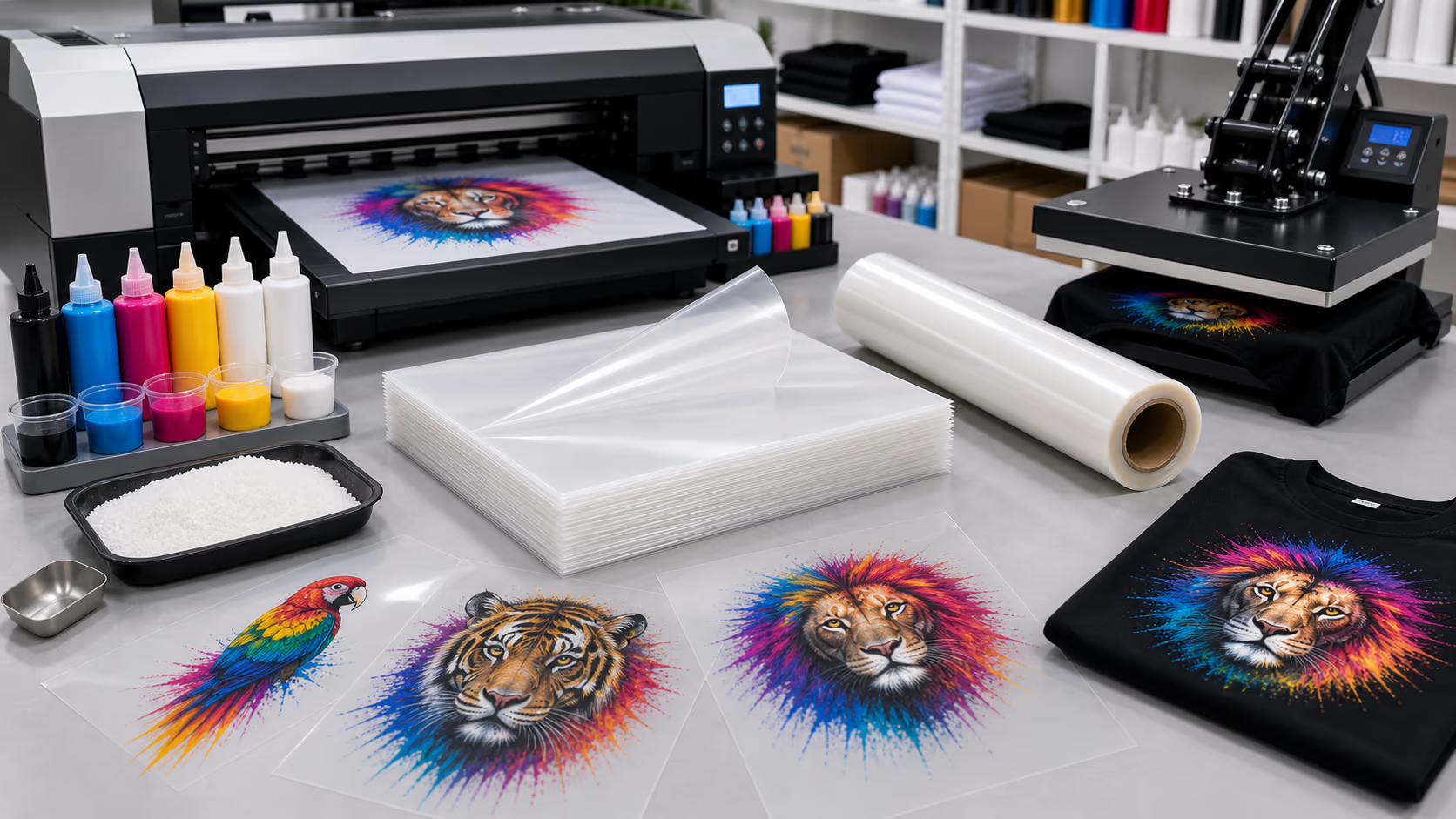
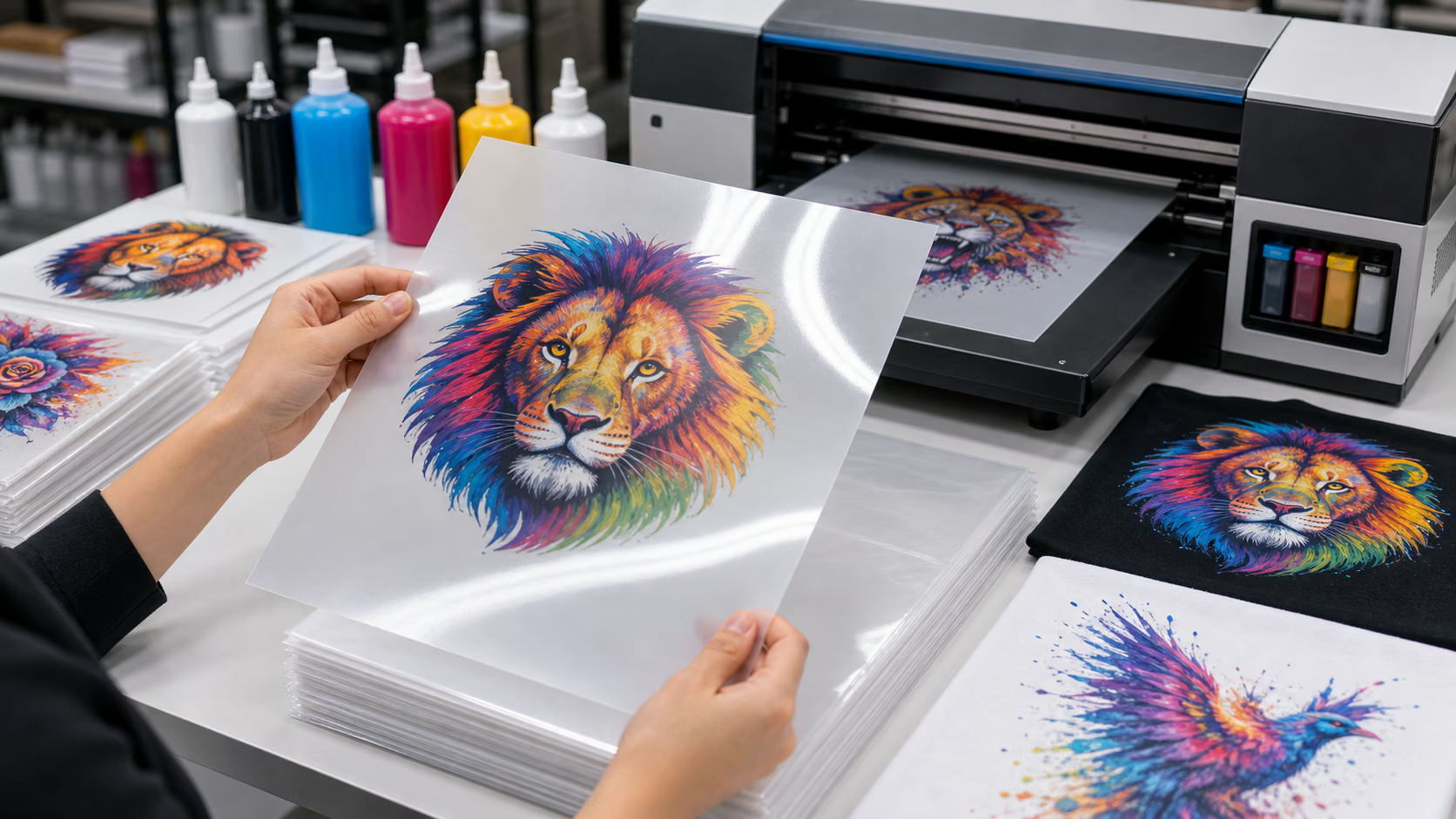
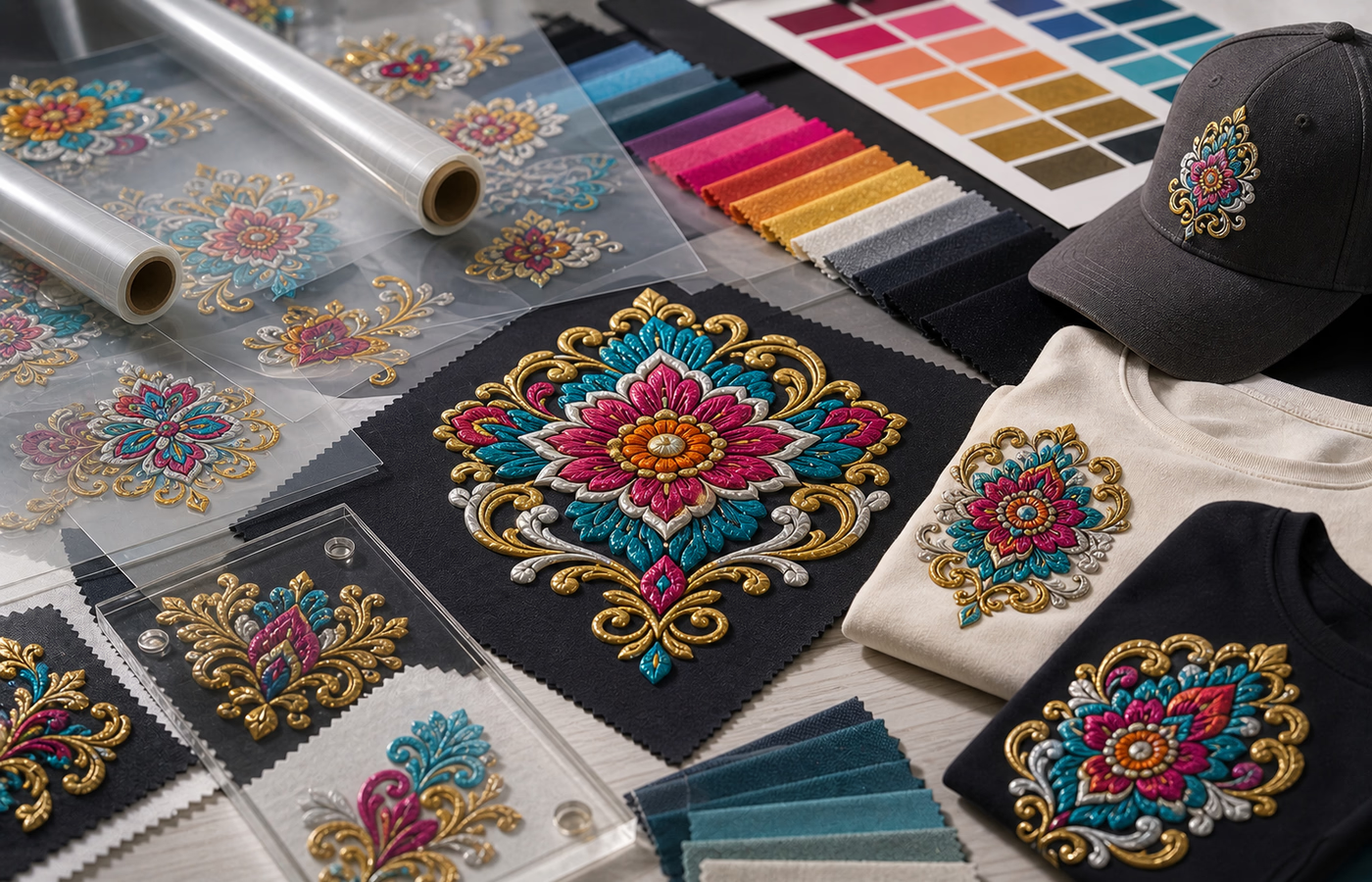
Fresh off the press, a DTF print carries a distinct yet gentle tactile quality. Unlike screen printing, which can leave a thick, rigid layer that feels separate from the fabric, DTF prints have a thin, supple texture that blends seamlessly with the base material. Run your fingers over a newly printed design, and you’ll detect a slight “plushness” or a soft, raised finish—never harsh or scratchy. This subtle elevation is barely noticeable when the garment is worn against the skin, making DTF ideal for t-shirts, hoodies, and other items that require comfort. The ink sits atop the fabric fibers rather than saturating them entirely, creating a tactile contrast that’s intriguing without being distracting. For example, a printed graphic on a cotton t-shirt will feel like a smooth, flexible overlay, moving with the fabric instead of restricting it.
Smoothness and Organic Texture: A Step Above Other Methods
Another defining aspect of DTF’s feel is its smoothness. Unlike heat transfer vinyl (HTV), which can have a shiny, plastic-like texture, DTF prints have a matte or semi-matte finish that feels more organic. The ink particles are finely deposited, resulting in a surface that’s soft to the touch, even for intricate designs with small details or gradients. If you run your finger across a gradient print, you won’t feel any harsh lines or bumps between color transitions—instead, the texture remains consistent, mirroring the seamless visual blend. This smoothness also contributes to the print’s durability; there are no edges or seams where the design might peel or lift, which adds to the “integrated” feel of the print and fabric as a single unit.
Evolution with Wear: How DTF Feels Over Time
As the garment is worn and washed, the feel of the DTF print evolves in a way that many find appealing. Unlike some printing methods that become stiff or crack over time, DTF prints soften further with each wash. The initial subtle plushness gives way to an even more natural texture, where the print feels almost indistinguishable from the fabric itself. This aging process enhances comfort without sacrificing the design’s vibrancy. A well-executed DTF print will retain its color and shape while becoming increasingly soft, making the garment feel like a well-loved favorite even after multiple uses. For those who value both aesthetics and wearability, this evolution is a major advantage—there’s no trade-off between a bold design and a comfortable feel.
Variations Across Fabrics and Inks
The feel of DTF printing also varies slightly depending on the fabric and ink type, but the core characteristics remain consistent. On lightweight fabrics like jersey or linen, the print’s thinness is even more pronounced, feeling nearly weightless. On thicker fabrics like fleece or sweatshirt material, the print adds a gentle dimension that complements the fabric’s inherent softness without making it bulky. High-quality DTF inks further enhance the tactile experience, ensuring that the print remains soft and flexible rather than becoming brittle. Even for large or full-coverage prints, the texture never feels overwhelming; the print spreads evenly across the fabric, maintaining breathability and comfort.
DTF vs. Other Printing Methods: A Tactile Comparison
In contrast to other decoration methods, DTF printing strikes a unique balance between tactile presence and subtlety. It avoids the rigidity of screen printing, the plastic feel of HTV, and the faintness of direct to garment (DTG) printing on dark fabrics. Instead, it offers a feel that’s both intentional and understated—a texture that lets the design shine visually while keeping the garment comfortable enough for everyday wear. Whether you’re running your fingers over a small logo or a full-front graphic, the experience is one of harmony: the print enhances the fabric rather than competing with it.
The Bottom Line: Tactile Excellence Meets Comfort
Ultimately, the feel of direct to film printing is a testament to its design philosophy: to create vibrant, durable prints that don’t compromise on comfort. It’s a tactile experience that feels intentional—crafted to let you enjoy both the visual impact of the design and the softness of the garment. Whether you’re wearing a DTF-printed t-shirt on a casual day or a hoodie on a cool evening, the subtle, smooth texture of the print becomes part of the joy of wearing it. In a world where custom apparel is everywhere, DTF printing’s unique feel is one of the reasons it continues to win over designers, brands, and wearers alike.