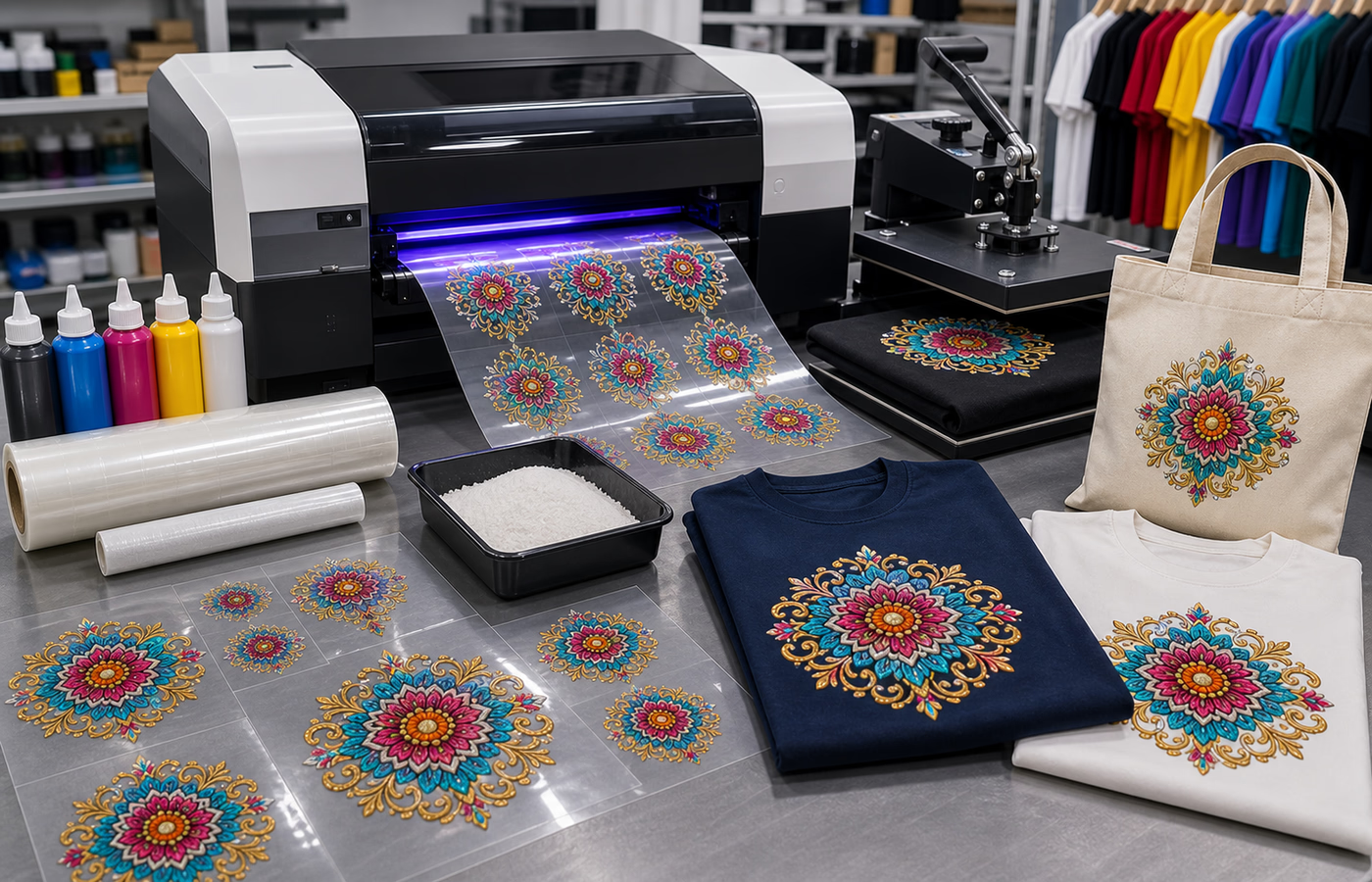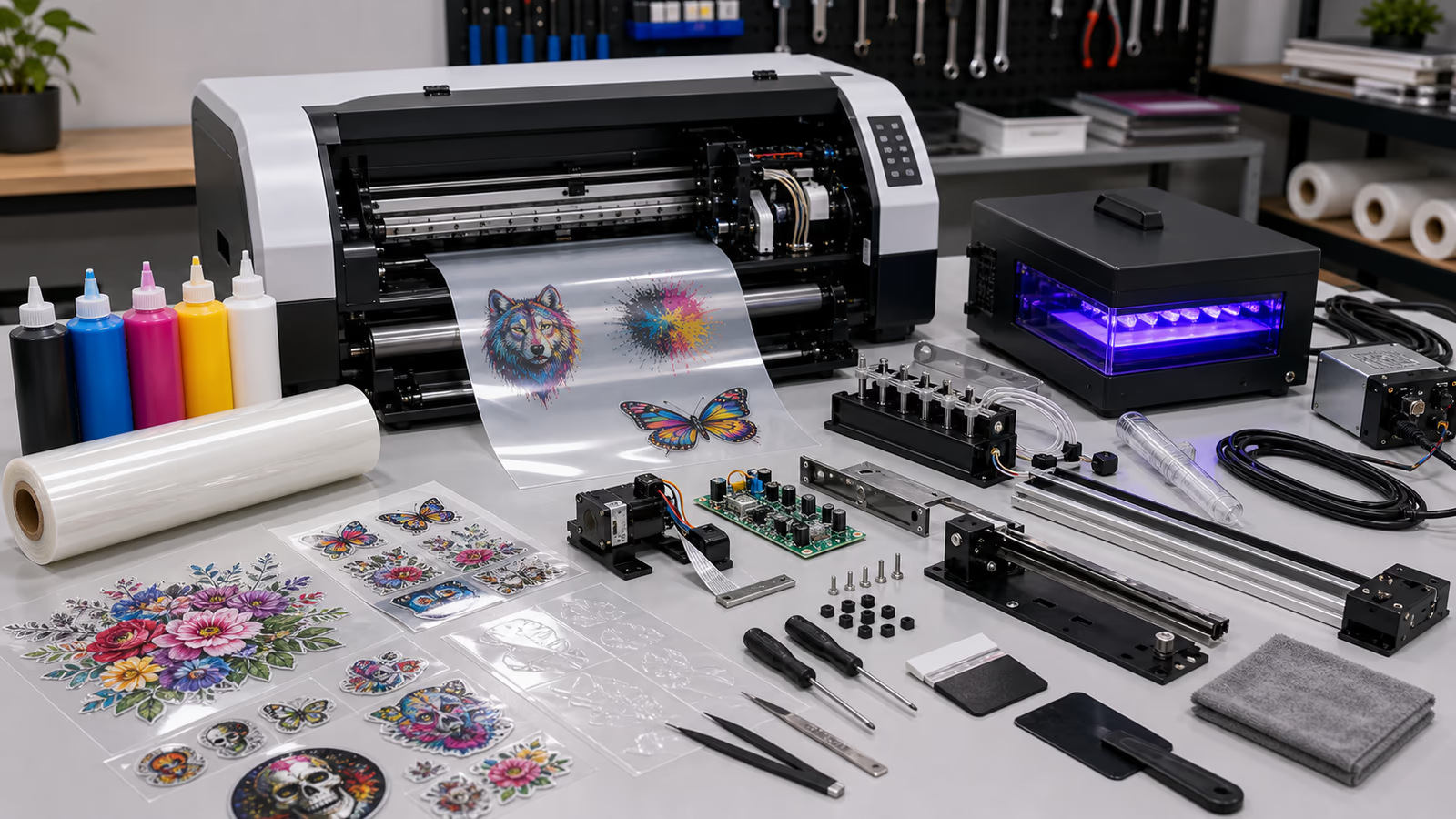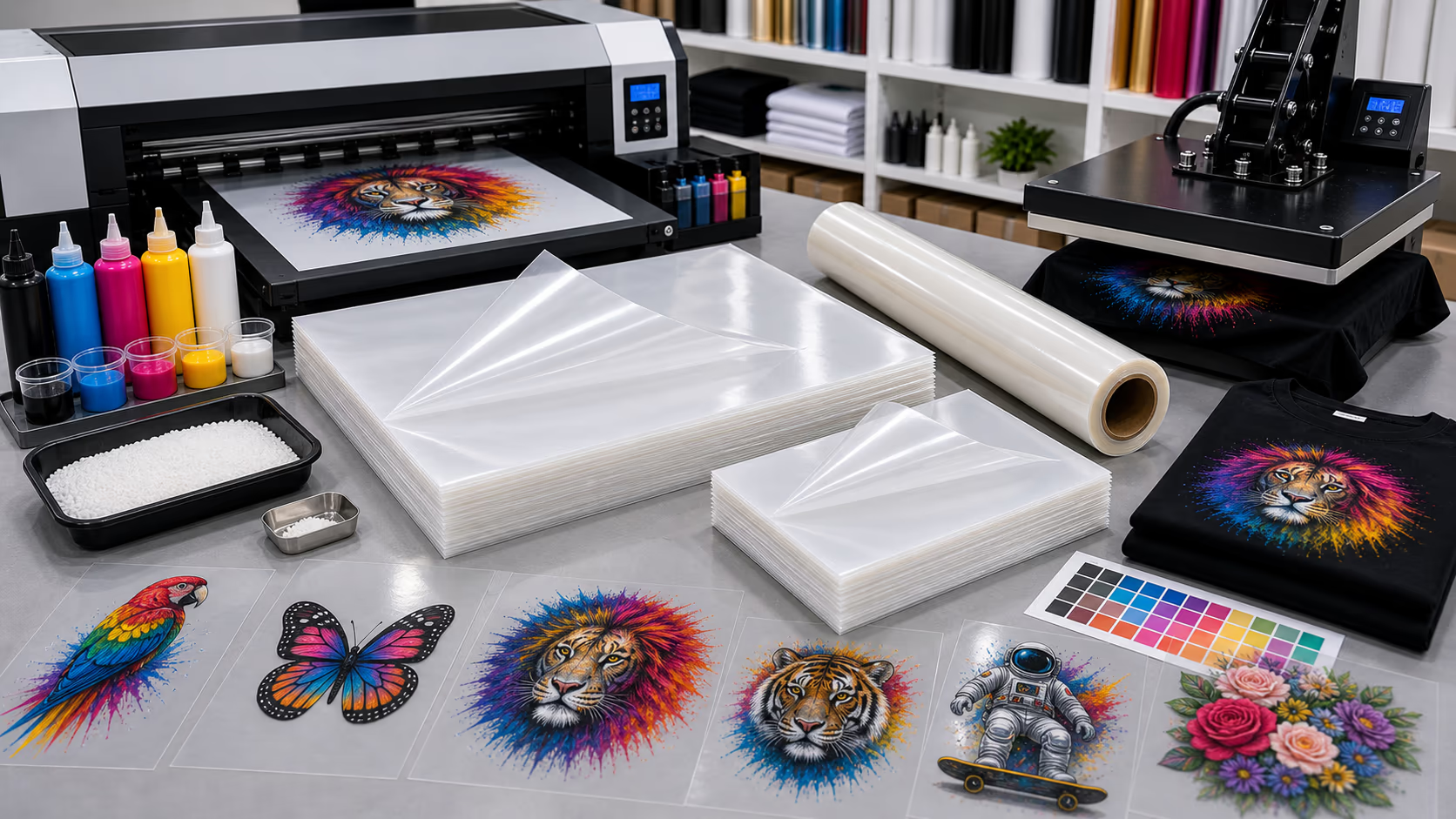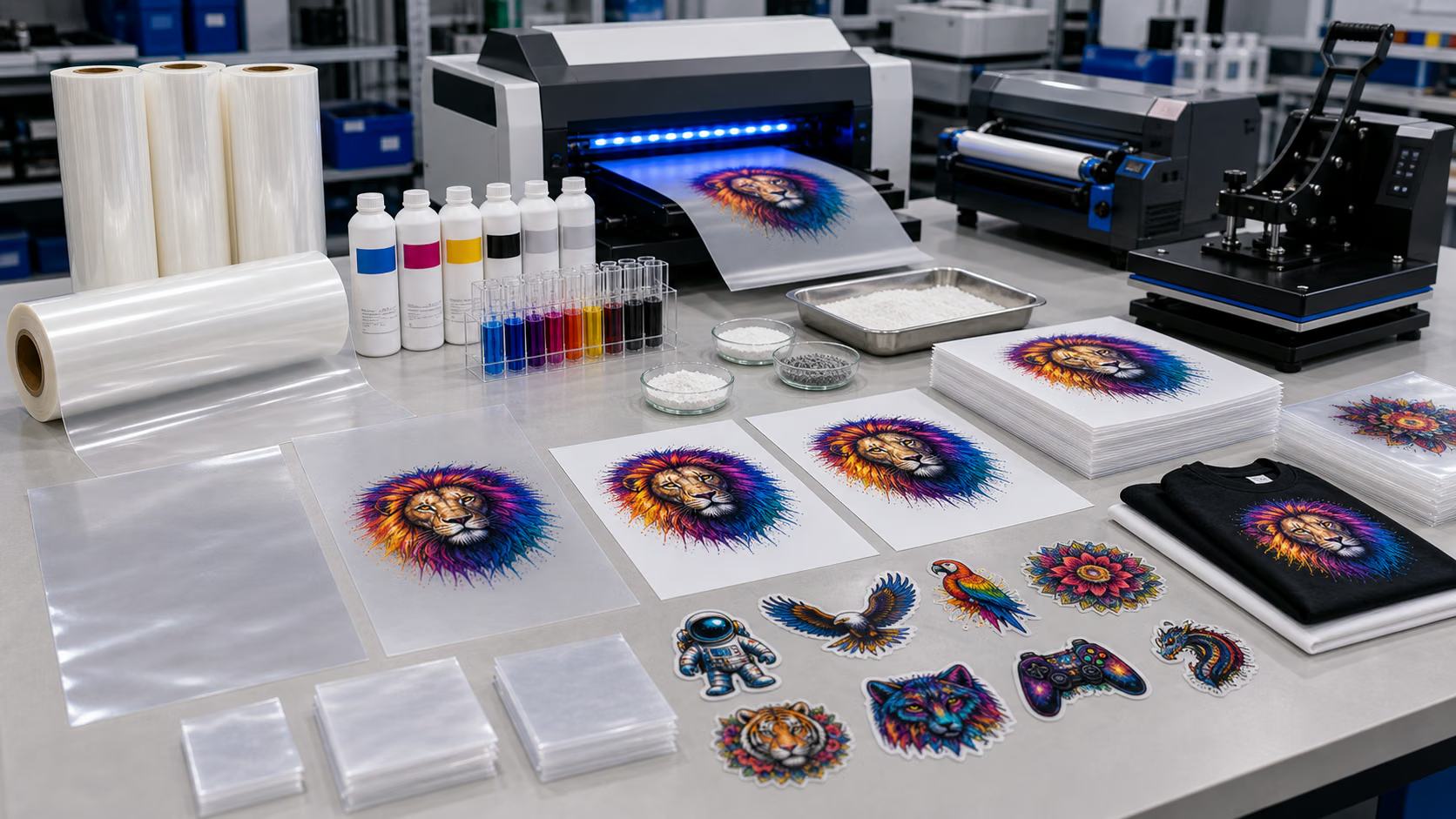
Embroidery has long been revered in the textile industry for its intricate texture, three-dimensional appeal, and timeless elegance. However, traditional embroidery is limited by high labor costs, long production cycles, and constraints on complex color gradients. Enter UV DTF (Ultraviolet Direct-to-Film) for Textile Faux Embroidery—a groundbreaking digital printing technology that replicates the tactile and visual charm of authentic embroidery while overcoming its inherent drawbacks. This innovation merges the precision of UV curing with the versatility of DTF printing, reshaping the landscape of custom textile decoration. This article explores the technology’s core principles, advantages over traditional methods, application scenarios, and future prospects.
1. Understanding UV DTF Faux Embroidery: Core Principles
UV DTF for textile faux embroidery redefines how three-dimensional decorative effects are achieved on fabrics by integrating UV curing technology into the classic DTF workflow. Unlike conventional DTF printing that uses heat to cure inks and adhesives, UV DTF relies on ultraviolet light to instantly cure specialized UV inks, creating a raised, textured layer that mimics the look and feel of hand-embroidered stitches.
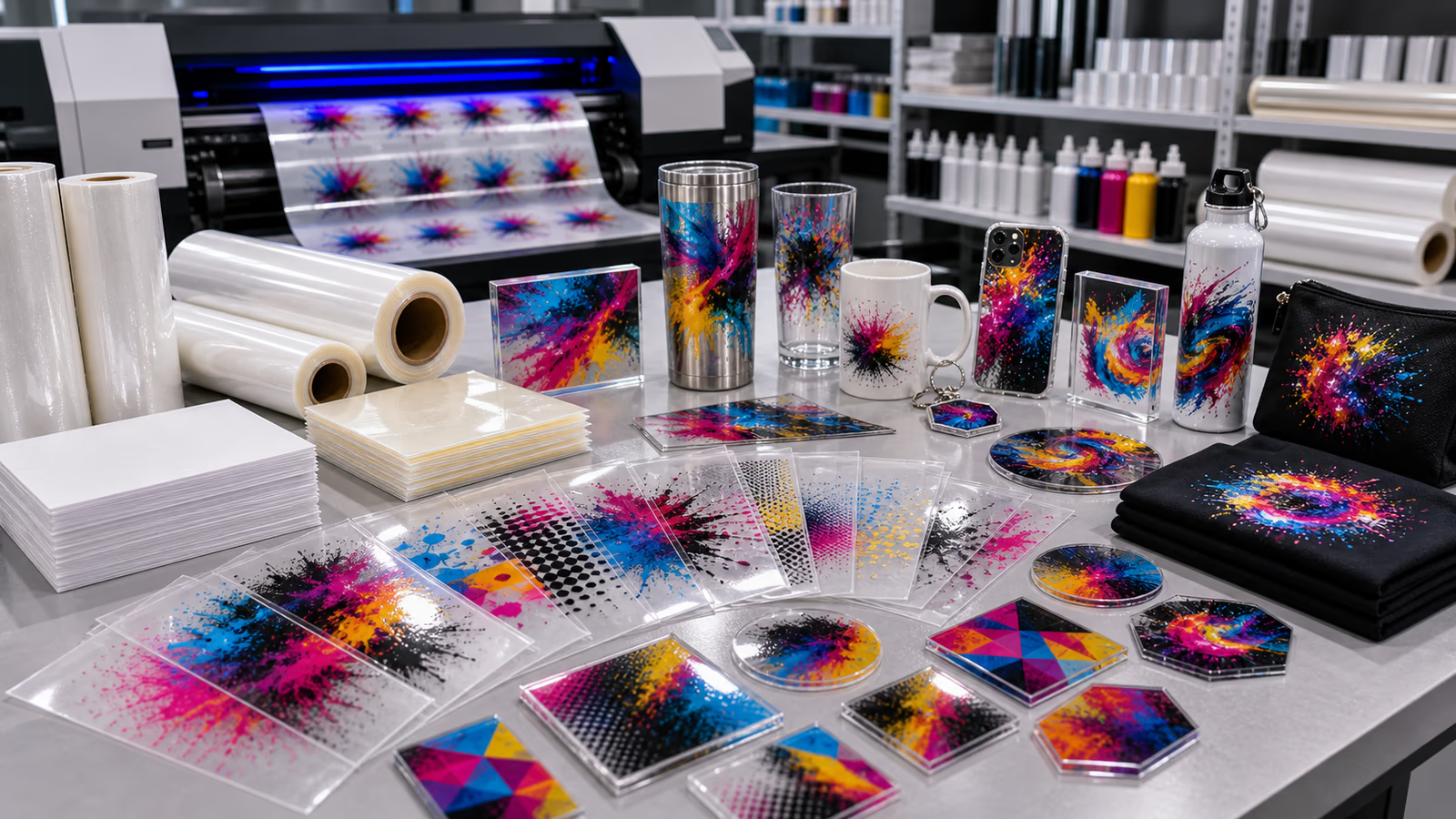
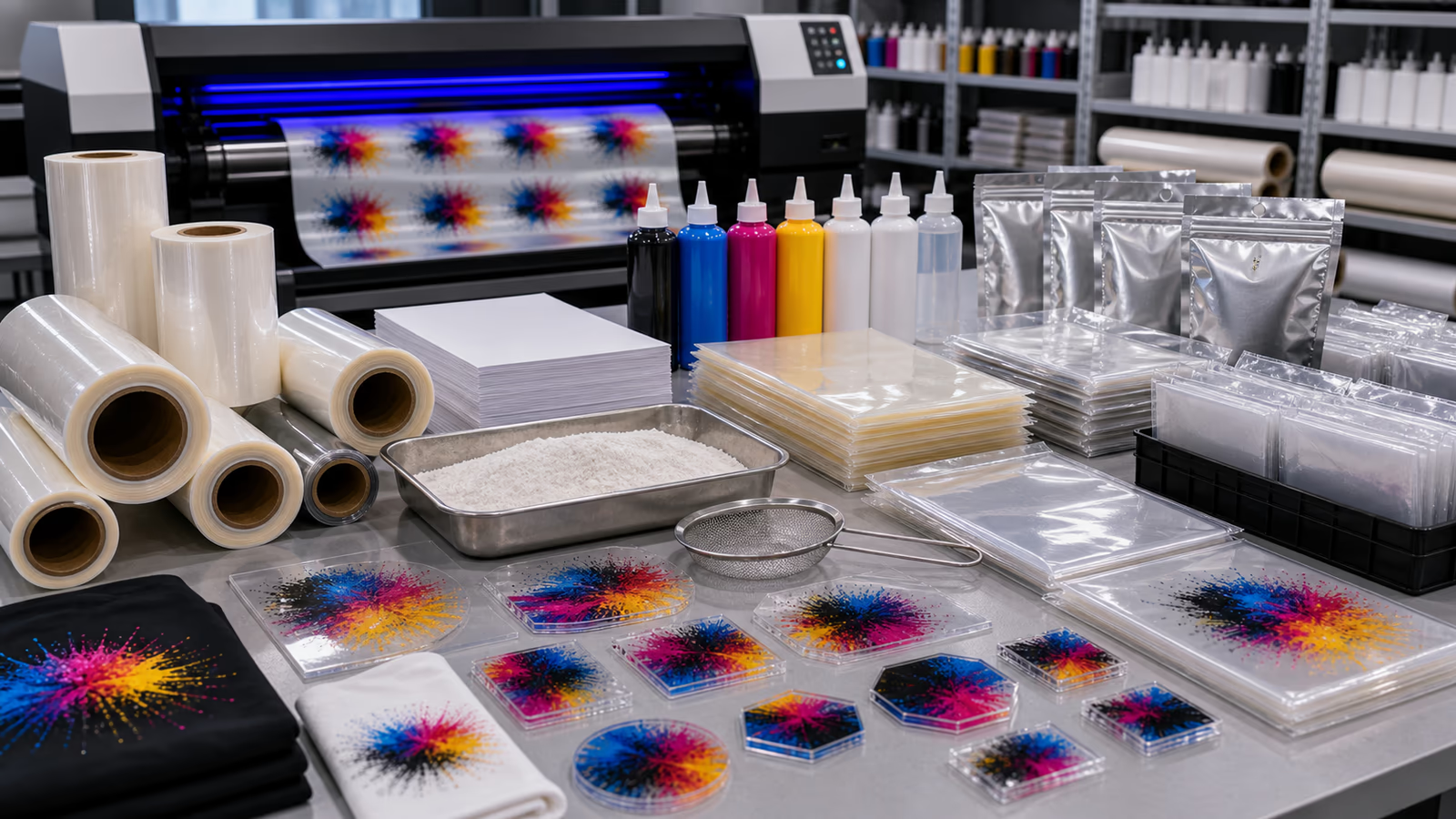
The process unfolds in four key stages: First, a digital design is printed onto a PET film using UV-curable inks, with multiple layers applied to build the desired 3D height—mirroring the layered stitching of traditional embroidery. Second, a UV lamp cures each ink layer immediately after printing, preventing smudging and ensuring precise texture formation. Third, an adhesive layer is applied to the cured design to facilitate bonding with textiles. Finally, the prepped film is heat-pressed onto the fabric, transferring the faux embroidery design with a durable, raised finish. This workflow eliminates the need for manual stitching, enabling consistent, high-resolution results with minimal human intervention.
2. Why UV DTF Faux Embroidery Outperforms Traditional Methods
Traditional embroidery, whether handcrafted or machine-produced, struggles to keep pace with the demands of modern textile customization—speed, flexibility, and cost-efficiency. UV DTF faux embroidery addresses these pain points while enhancing aesthetic and functional performance.
2.1 Unmatched Design Flexibility
Traditional embroidery is constrained by thread colors, stitch types, and the physical limits of needlework. Complex gradients, fine details, and photo-realistic elements are nearly impossible to achieve without compromising texture. UV DTF faux embroidery, by contrast, leverages digital UV inks to produce full-color gradients, intricate patterns, and even small text with sharp precision. It can replicate various embroidery styles—from delicate satin stitches to bold chain stitches—while adding custom color blends that traditional threads cannot match. This flexibility aligns with the industry’s shift toward personalized, small-batch production, as highlighted by the rise of AI-driven custom textile technologies.
2.2 Efficiency and Cost Savings
Hand embroidery is labor-intensive and time-consuming, with a single intricate design taking hours or days to complete. Machine embroidery reduces time but requires expensive setup, thread changes, and pattern programming—making it cost-prohibitive for small runs. UV DTF faux embroidery streamlines production with automated printing and curing, cutting turnaround time from days to minutes. It eliminates thread waste, setup fees, and the need for skilled embroiderers, reducing per-unit costs significantly for both small-batch custom orders and large-scale production.
2.3 Durability and Fabric Compatibility
Traditional embroidered pieces are prone to fraying, thread breakage, and color fading after repeated washes. UV DTF faux embroidery cures into a tough, flexible polymer layer that bonds tightly with fabric fibers, resisting fading, peeling, and fraying even after 50+ washes. It performs exceptionally well on a wide range of textiles—cotton, polyester, blends, denim, and even delicate fabrics like silk—without damaging the base material. Unlike rigid embroidered patches, the UV DTF finish maintains fabric flexibility, making it suitable for stretchy items like activewear and loungewear.
2.4 Precision Texturing
UV DTF technology allows precise control over the height and density of the faux embroidery layer, from subtle raised effects to bold 3D textures. This level of customization surpasses machine embroidery, which often produces uniform stitches with limited texture variation. The UV curing process ensures each layer sets instantly, creating crisp, defined edges that mimic the look of hand-finished embroidery—even for complex, multi-layered designs.
3. Key Applications of UV DTF Faux Embroidery
The versatility of UV DTF faux embroidery makes it a game-changer across multiple textile sectors, from fashion to home décor and promotional goods. Its ability to balance aesthetic appeal, durability, and cost-efficiency opens new possibilities for brands and crafters alike.
3.1 Fashion and Apparel
In the fashion industry, UV DTF faux embroidery is used to add decorative accents to clothing, accessories, and footwear. It creates intricate logos on jackets, delicate floral patterns on dresses, and textured monograms on bags—all with the look of high-end embroidery at a fraction of the cost. Luxury brands leverage its precision to replicate artisanal embroidery effects, while fast-fashion labels use it for quick-turnaround seasonal designs.
3.2 Home Décor
Home textile products, such as cushions, curtains, table linens, and beddings, benefit from UV DTF’s ability to create decorative patterns that combine visual appeal with durability. Faux embroidery designs resist fading from sunlight and washing, making them ideal for high-traffic areas. It can also replicate the look of intricate lace or embroidered tapestries, adding a touch of elegance to home interiors without the maintenance challenges of traditional embroidery.
3.3 Promotional and Custom Merchandise
Brands and event organizers use UV DTF faux embroidery for personalized promotional items—branded caps, tote bags, and uniforms. The technology enables quick customization of small batches, with consistent logo placement and texture across every item. Unlike embroidered logos, which may distort on stretchy fabrics, UV DTF designs maintain their shape and texture, ensuring brand consistency.
3.4 Niche Textile Markets
UV DTF faux embroidery also caters to niche sectors, such as children’s clothing (non-toxic, fray-free designs), sportswear (flexible, sweat-resistant textures), and luxury linens (high-precision decorative effects). Its compatibility with both natural and synthetic fabrics makes it a versatile solution for specialized textile applications.
4. Future Trends and Innovations in UV DTF Faux Embroidery
As digital textile printing continues to evolve, UV DTF faux embroidery is poised for further innovation, driven by advancements in ink technology, automation, and sustainability. One emerging trend is the integration of AI design tools, which will enable on-demand customization of faux embroidery patterns—allowing users to upload designs and adjust texture, color, and height in real time, similar to AI-powered提花面料 customization.
Sustainability is another key focus. Manufacturers are developing eco-friendly UV-curable inks and recyclable PET films, addressing the environmental concerns associated with traditional embroidery threads and adhesives. Additionally, advancements in UV lamp technology will reduce energy consumption, making the process more sustainable for large-scale production.
We may also see the integration of UV DTF with other digital printing technologies, such as cold transfer printing, to create hybrid decorative effects that combine the precision of UV DTF with the color depth of other methods. This cross-technology integration will expand the boundaries of what’s possible in textile decoration, solidifying UV DTF’s role as a revolutionary force in the industry.
In conclusion, UV DTF for textile faux embroidery is more than just a printing technique—it’s a revolution in digital textile decoration. By merging the aesthetic appeal of traditional embroidery with the efficiency and flexibility of digital printing, it addresses the evolving needs of brands, crafters, and consumers. As technology advances, UV DTF faux embroidery will continue to redefine the standards of textile customization, offering endless possibilities for creative expression and commercial innovation.