The textile printing industry stands at a crossroads, where traditional methods like screen printing and direct-to-garment (DTG) printing struggle to keep pace with the demands for customization, speed, and cost-efficiency. In this transformative era, A3 R1390 DTF (Direct to Film) factories have emerged as game-changers, leveraging the compact yet powerful A3 R1390 DTF printer to redefine what’s possible in textile decoration. Unlike large-scale industrial printers that cater solely to mass production, the A3 R1390 DTF system balances precision, flexibility, and accessibility—making it a catalyst for small and medium-sized enterprises (SMEs) and independent designers alike. This article explores how A3 R1390 DTF factories are revolutionizing textile printing, from their core technology to their far-reaching impact on industry practices and market dynamics.
Demystifying A3 R1390 DTF Technology: The Engine Of Innovation
To understand the revolutionary nature of A3 R1390 DTF factories, it’s first essential to unpack the technology that powers them: the A3 R1390 DTF printer. Derived from the trusted Epson R1390 framework, this specialized printer is reengineered for the unique demands of DTF printing, combining the versatility of A3 format with the reliability of industrial-grade components. Its design addresses the longstanding pain points of textile printing, offering a middle ground between entry-level hobbyist printers and high-cost industrial machines.
Core Specifications That Drive Performance
The A3 R1390 DTF printer is defined by features that optimize it for textile applications. It operates on a 6-color ink system (typically CMYK + white), delivering vibrant, true-to-life colors and exceptional opacity—even on dark fabrics that have historically challenged DTG printers. The A3 print size (297mm × 420mm) strikes a perfect balance: it’s large enough to handle standard garment panels, accessories like tote bags, and home textile pieces (e.g., pillowcases), while remaining compact enough to fit in small factory spaces. Additionally, the printer’s compatibility with water-based, eco-friendly DTF inks ensures soft hand feel on fabrics, a critical factor for consumer acceptance of printed textiles.
How A3 R1390 DTF Factories Operate: Efficiency In Every Step
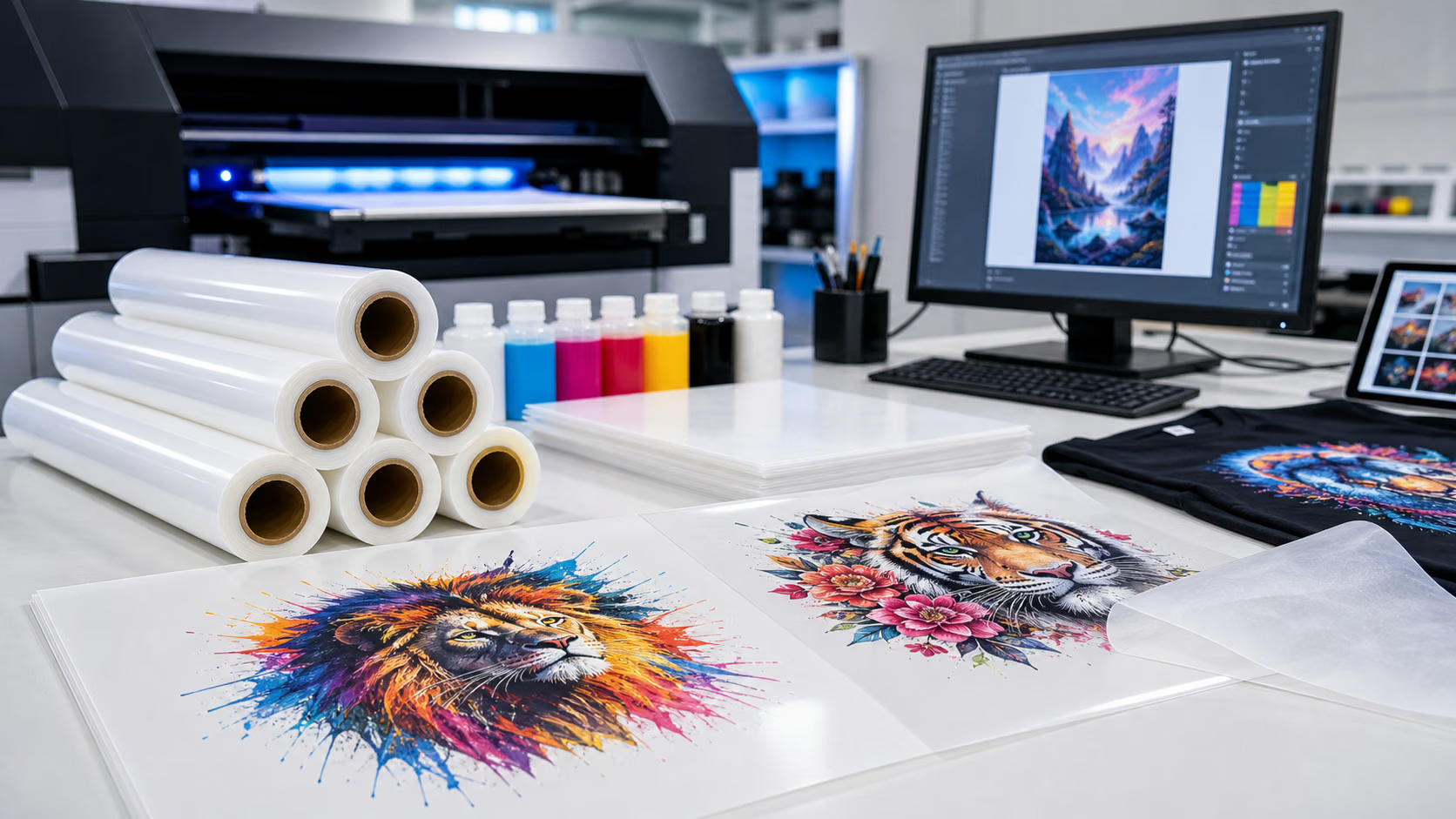
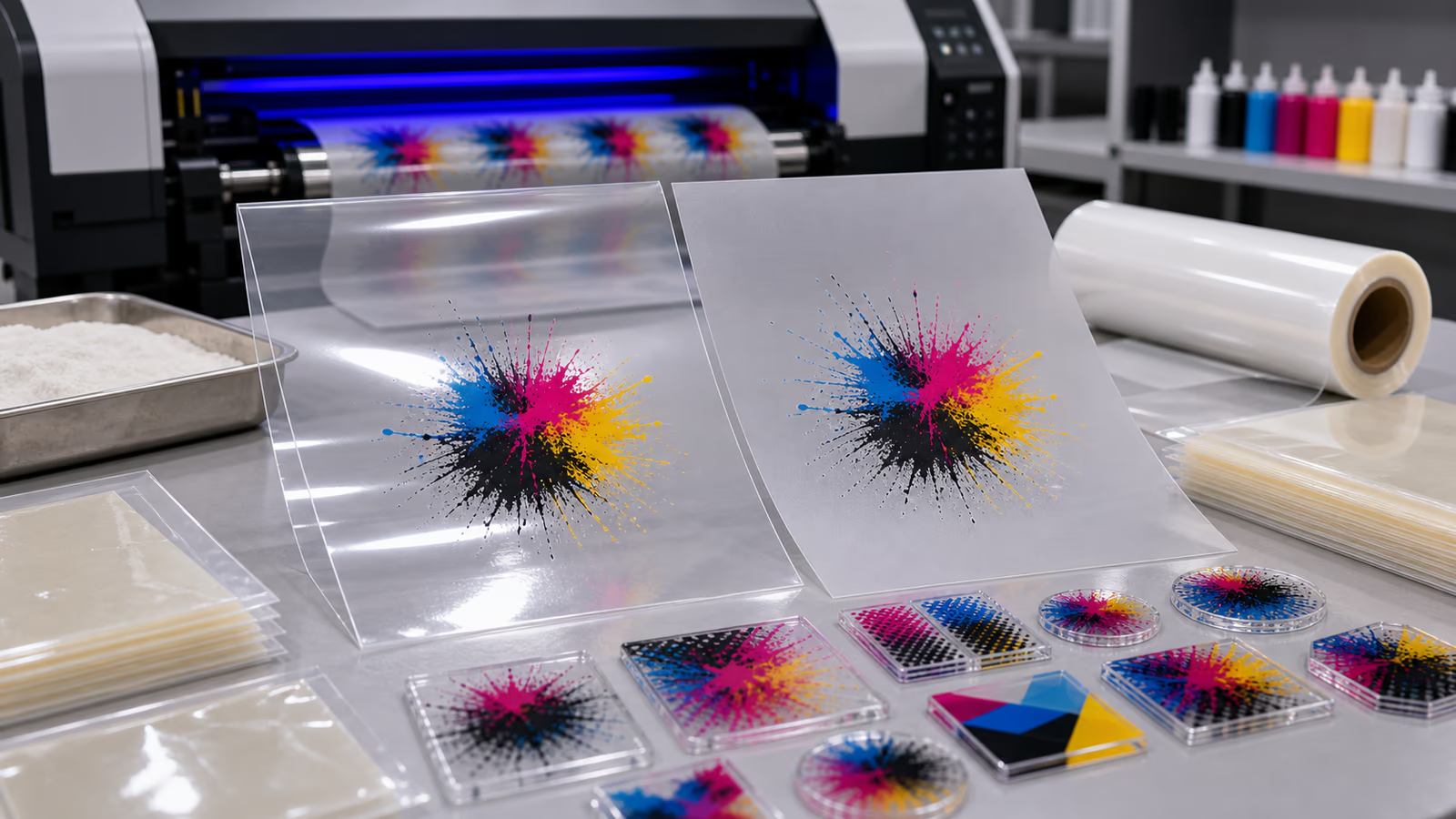
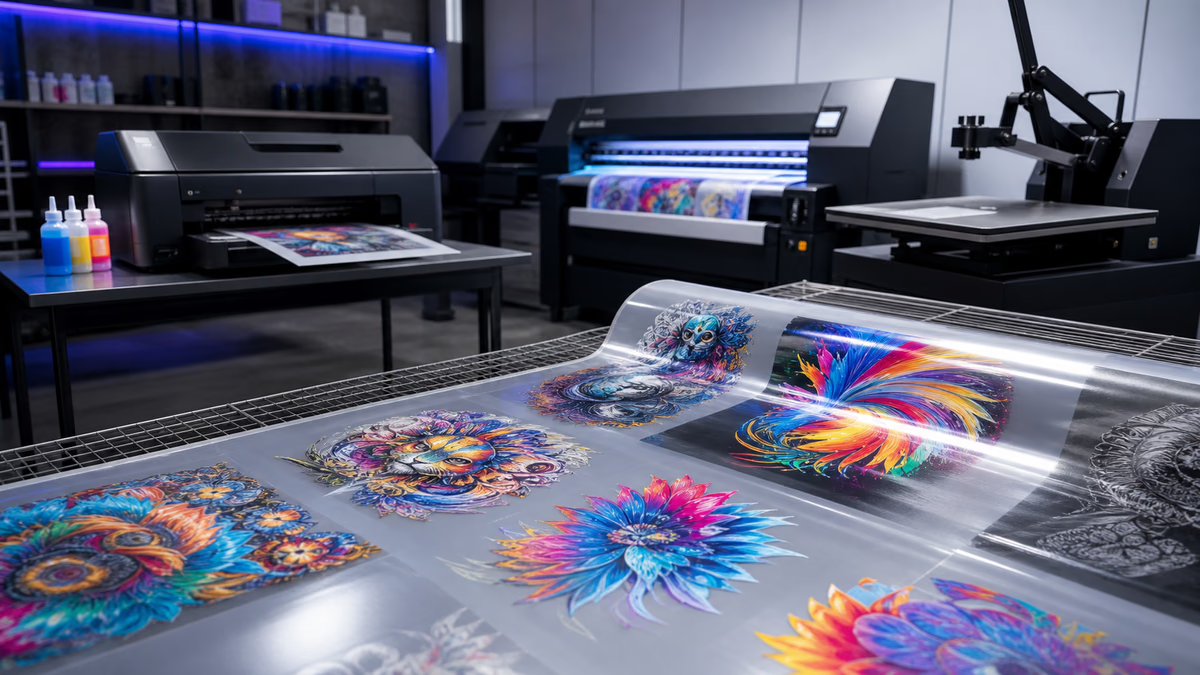
A3 R1390 DTF factories streamline the DTF process to maximize efficiency without compromising quality. The workflow begins with design preparation: digital files are optimized for the printer’s resolution (up to 5760 × 1440 dpi) using standard graphic software. The A3 R1390 then prints the design directly onto DTF film, using precise ink deposition to capture fine details—from intricate patterns to small text. Immediately after printing, a specialized powder shaker applies hot-melt adhesive powder to the wet ink, which adheres only to the printed areas to minimize waste. The film is then cured in a compact oven, where the ink dries and the powder melts into a cohesive layer. Finally, the cured film is transferred to the textile using a heat press, with the adhesive bonding permanently to fabrics like cotton, polyester, and blends. This end-to-end process takes mere minutes per piece, a stark contrast to the days-long setup required for screen printing.
Breaking Barriers: How A3 R1390 DTF Factories Transform Industry Norms
Traditional textile printing has long been constrained by rigidities: screen printing requires expensive stencils and is unfeasible for small batches, while DTG printing struggles with dark fabrics and synthetic materials. A3 R1390 DTF factories shatter these barriers, introducing a new paradigm of flexibility and accessibility that is reshaping the industry.
1. Democratizing Customization For SMEs And Independent Creators
Before the rise of A3 R1390 DTF factories, customization was largely the domain of large brands with the budget for industrial printing setups. The A3 R1390 system changes this by lowering the entry barrier: its compact size and lower upfront cost allow small factories and even home-based businesses to offer high-quality custom prints. Whether a client needs 5 personalized t-shirts for a family event or 50 limited-edition hoodies for a local brand, A3 R1390 DTF factories can fulfill orders quickly and cost-effectively. This democratization has empowered independent designers to bring their visions to life, fostering a more diverse and creative textile market.
2. Versatility Across Fabrics And Applications
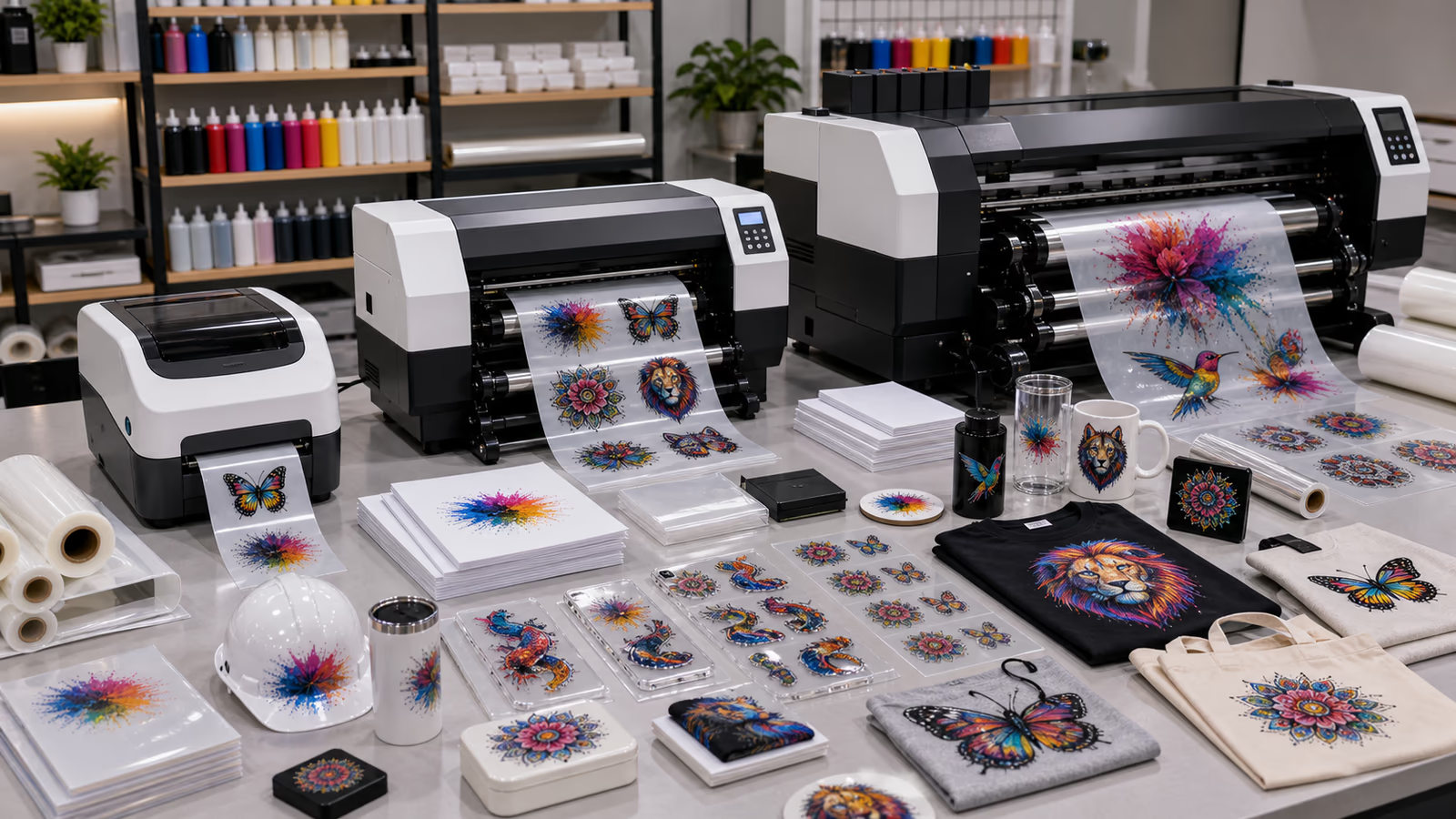
One of the most significant limitations of traditional textile printing is material restriction: DTG works best on 100% cotton, while screen printing can damage stretchy fabrics like spandex. A3 R1390 DTF factories eliminate this constraint, as the DTF process bonds effectively with nearly all textile materials. From cotton t-shirts and polyester sportswear to denim jackets and spandex leggings, the A3 R1390’s prints maintain their vibrancy and durability. This versatility extends to applications beyond apparel, including home textiles (curtains, bed linens), accessories (backpacks, hats), and even promotional items (towels, aprons). By catering to a wide range of products, A3 R1390 DTF factories help businesses expand their service offerings and tap into new revenue streams.
3. Speed And Cost Efficiency: Redefining Production Cycles
Time and cost are critical factors in textile printing, and A3 R1390 DTF factories excel in both areas. Unlike screen printing, which requires hours of setup for each design (creating stencils, mixing inks), the A3 R1390 DTF system is ready to print within minutes of receiving a digital file. This reduces lead times from days to hours, enabling factories to meet tight deadlines and respond quickly to market trends—such as viral fashion styles or seasonal promotions. Additionally, the process minimizes waste: DTF inks are used only where needed, and the powder application is precise, cutting down on material costs. For SMEs, this means higher profit margins and the ability to compete with larger manufacturers on both price and speed.
Real-World Impact: Case Studies Of A3 R1390 DTF Factory Success
The revolutionary impact of A3 R1390 DTF factories is not just theoretical—it’s evident in the success stories of businesses that have adopted the technology. These case studies highlight how the system transforms operations and drives growth.
Case Study 1: A Local Apparel Brand’s Leap To Customization
A small apparel brand in Guangzhou, China, previously relied on screen printing for its t-shirt line, limiting it to 50+ minimum orders and simple designs. After partnering with an A3 R1390 DTF factory, the brand launched a “Custom Your Tee” service, allowing customers to upload their own designs or choose from exclusive artist collaborations. The factory’s ability to handle 1-10 piece orders at competitive prices led to a 300% increase in online sales within six months. Customers praised the vibrant colors and soft feel of the prints, while the brand expanded its customer base to include students, event organizers, and small businesses.
Case Study 2: A Home Textile Manufacturer’s Product Diversification
A manufacturer specializing in plain bed linens in Zhejiang faced stagnant growth due to intense competition. By integrating A3 R1390 DTF printing into its operations, the company launched a line of custom-printed bedding, featuring seasonal patterns, personalized monograms, and licensed characters. The A3 R1390’s ability to print on linen, cotton, and polyester blends allowed the manufacturer to cater to different customer preferences. Within a year, the custom line accounted for 40% of the company’s revenue, and it expanded its distribution to luxury home goods retailers in Europe.
Overcoming Challenges: How A3 R1390 DTF Factories Ensure Quality And Scalability
While the A3 R1390 DTF system offers numerous advantages, successful factories recognize the need to address potential challenges to maintain quality and support growth. Key strategies include:
1. Rigorous Quality Control Protocols
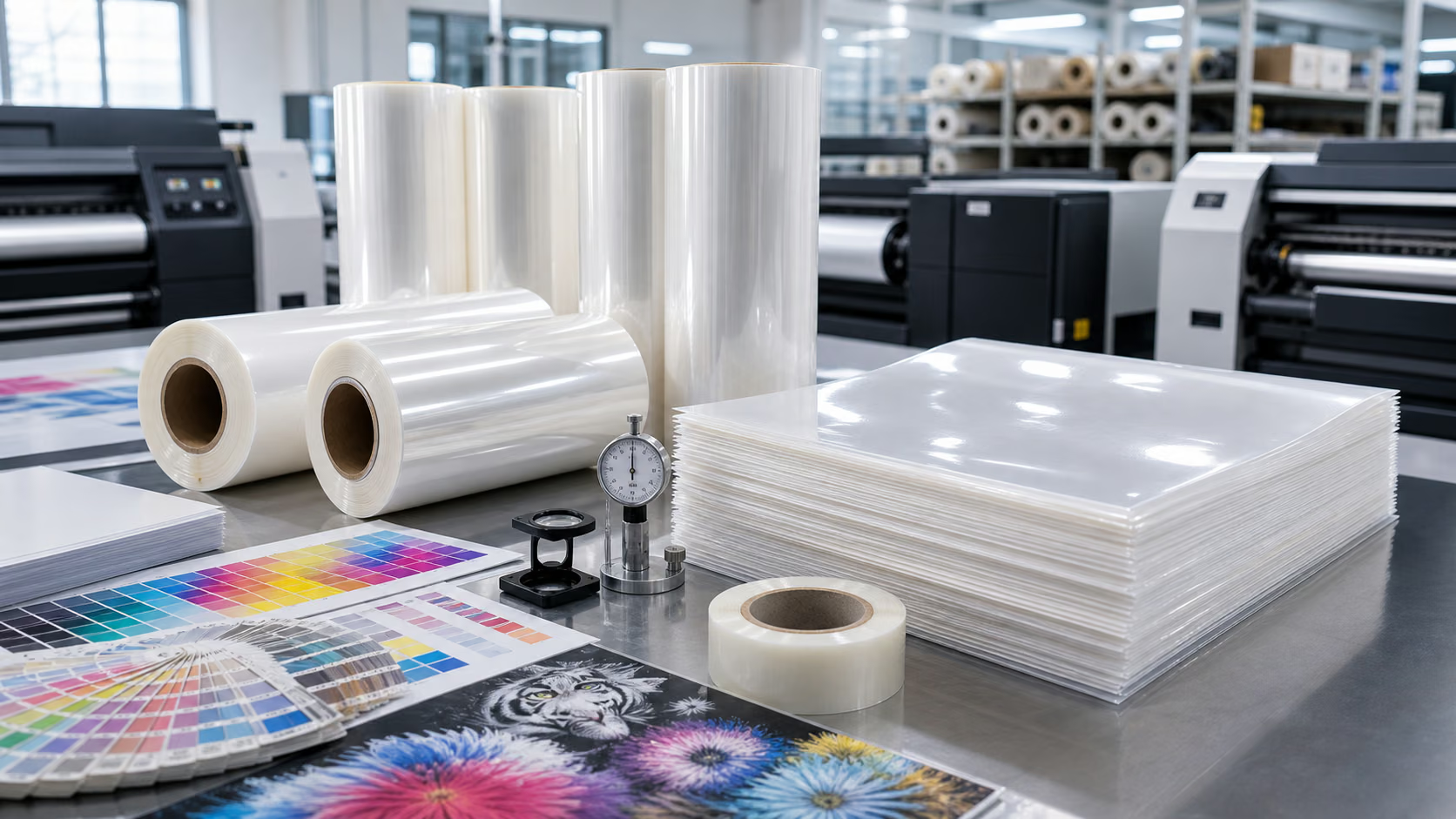
Top A3 R1390 DTF factories implement strict QC checks at every stage: inspecting DTF film and inks for consistency, calibrating printers regularly to ensure color accuracy, and testing transferred prints for wash resistance (typically 20+ washes without fading or peeling). Some factories use color-matching software to ensure that printed designs align with client specifications, reducing rework and customer complaints.
2. Investing In Operator Training
The A3 R1390 DTF system is user-friendly, but proper training is essential to maximize its potential. Leading factories provide comprehensive training for operators, covering design optimization, printer maintenance, powder application, and heat press settings. This ensures that even new staff can produce high-quality prints, minimizing errors and increasing productivity.
3. Scaling With Modular Systems
While the A3 R1390 is compact, many factories scale their operations by adding multiple printers and integrating automated powder shakers and curing ovens. This modular approach allows them to handle higher order volumes without sacrificing the flexibility that defines the A3 R1390 system. For example, a factory with 4 A3 R1390 printers can process up to 500 pieces per day, catering to both small custom orders and medium-sized batches.
The Future Of Textile Printing: A3 R1390 DTF Factories As Industry Navigators
As consumer demand for personalized, on-demand products continues to grow, A3 R1390 DTF factories are poised to play an even more central role in the textile printing industry. Future trends include the integration of AI-driven design tools to streamline customer order processing, the development of more eco-friendly inks and films to meet sustainability goals, and the expansion of the A3 R1390 system’s capabilities to handle larger formats and specialized fabrics (e.g., waterproof textiles for outdoor apparel).
Moreover, A3 R1390 DTF factories are fostering a more inclusive industry ecosystem, where SMEs, independent designers, and local manufacturers can compete with global brands. By democratizing access to high-quality textile printing, these factories are not just navigating the future of the industry—they are shaping it, one custom print at a time.
In conclusion, the A3 R1390 DTF factory represents a revolution in textile printing, driven by the unique combination of precision, flexibility, and accessibility offered by the A3 R1390 system. Its impact extends beyond technology, transforming business models, expanding market opportunities, and empowering creators worldwide. As the industry continues to evolve, A3 R1390 DTF factories will remain at the forefront, proving that small-scale systems can deliver big results.