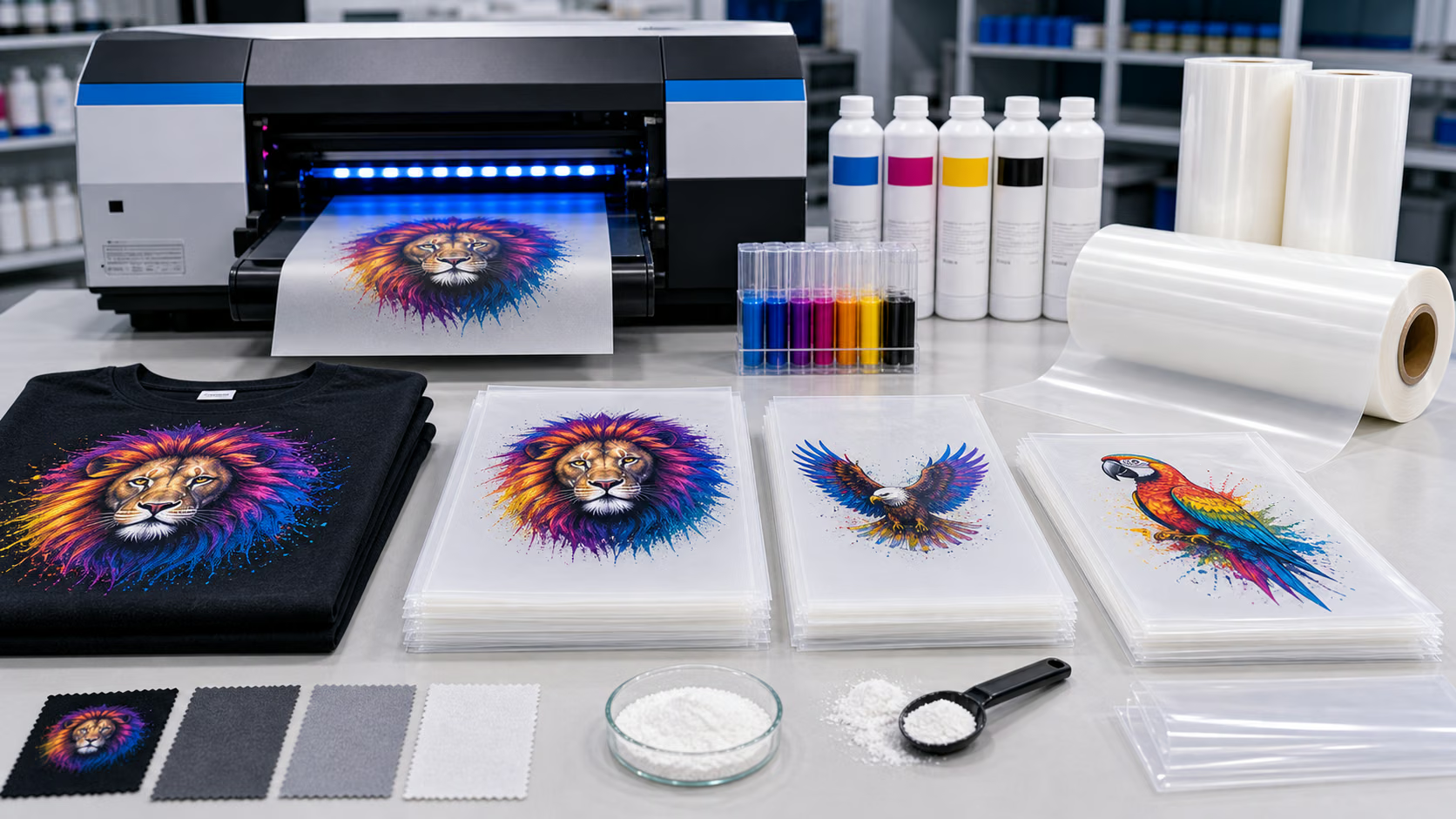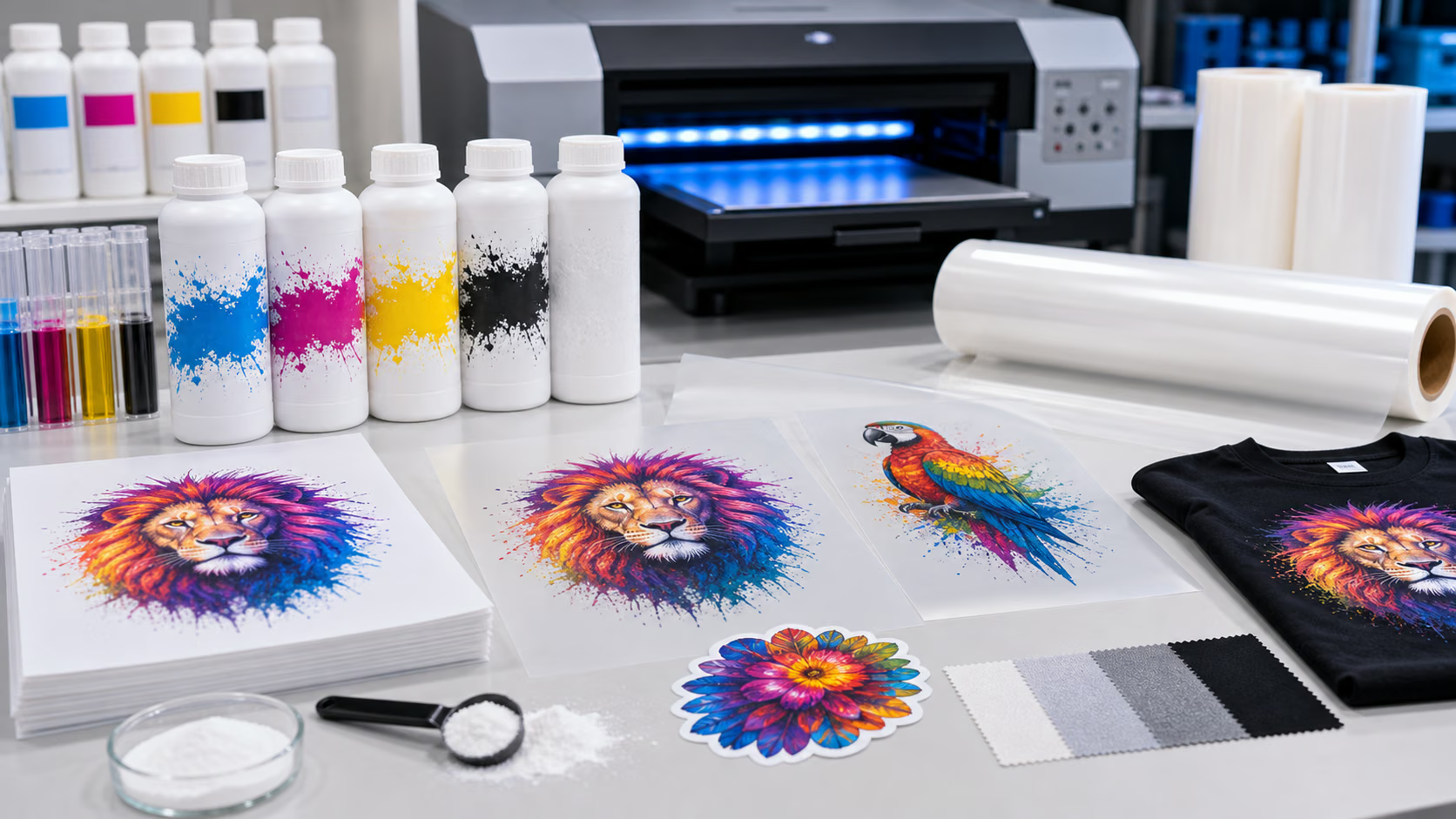
In the realm of modern printing technology, innovation continues to push the boundaries of what is possible. One such groundbreaking advancement is Direct to Film (DTF) printing, a technique that is transforming the way graphics and designs are applied to various surfaces. DTF printing combines the precision of digital printing with the versatility of transfer printing, offering a multitude of advantages over traditional methods. This article delves into the key benefits of DTF printing, showcasing why it is revolutionizing the industry.
1. Superior Print Quality and Durability
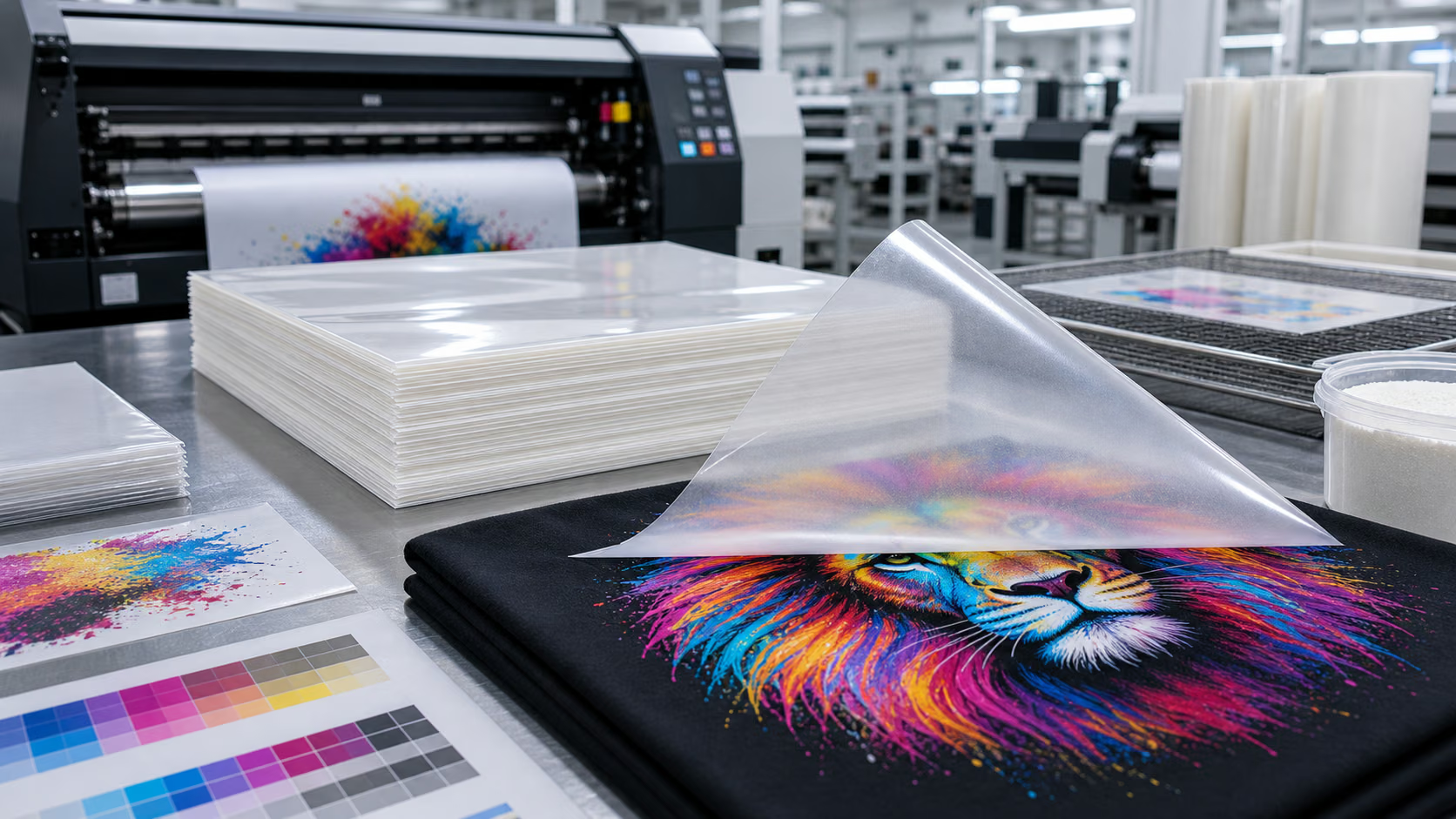
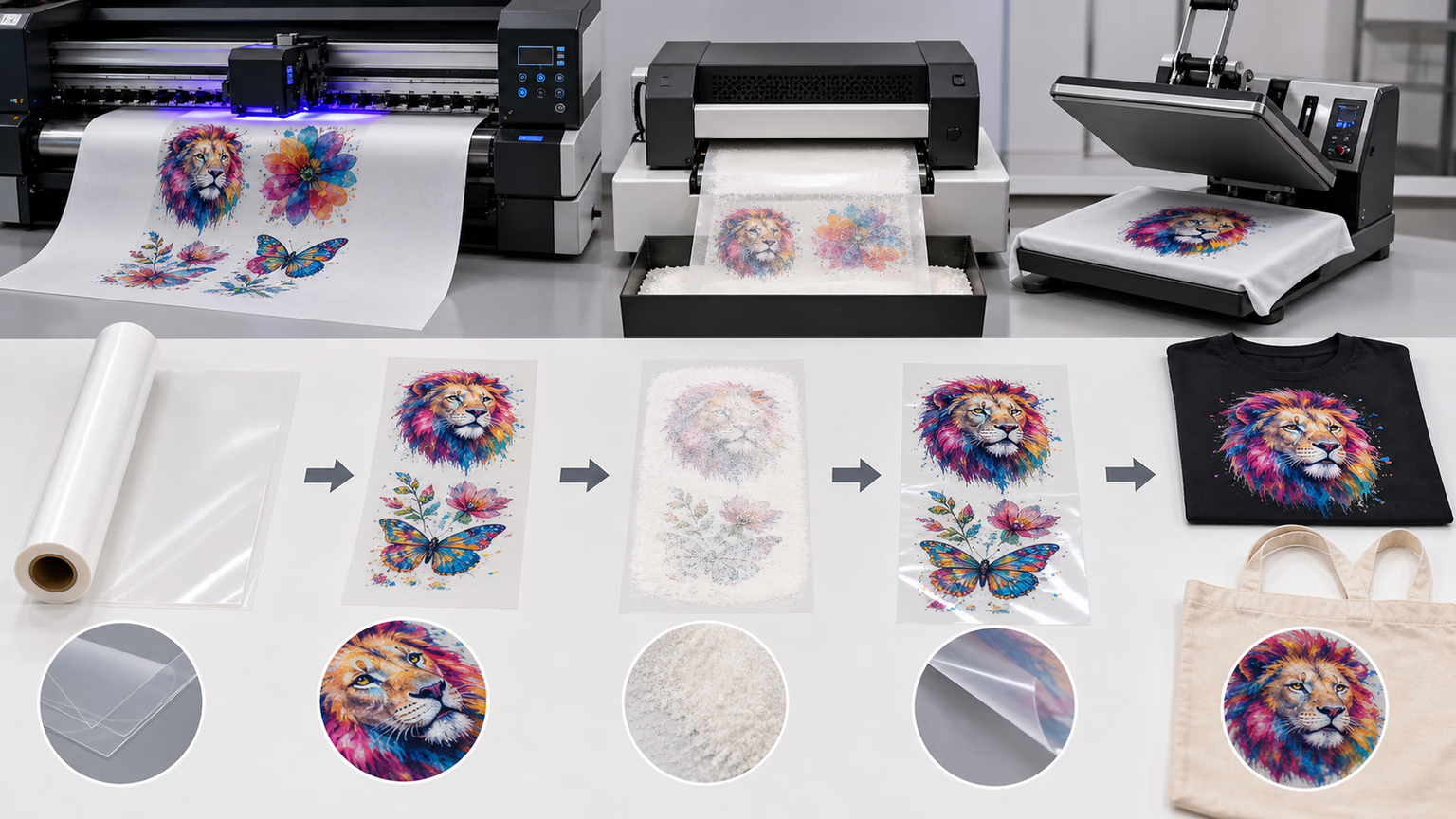
One of the most significant advantages of DTF printing is its ability to produce high-quality, vibrant graphics that are both durable and long-lasting. The process involves printing designs directly onto a special film using water-based inks, which are then transferred onto the desired substrate using a heat press. This method ensures that the colors remain rich and the details are crisp, even after repeated wash cycles or exposure to harsh weather conditions.
Compared to traditional screen printing, DTF printing offers better color accuracy and resolution, making it ideal for high-quality branding and detailed designs. Additionally, the waterproof and UV-resistant properties of DTF prints make them suitable for outdoor applications, such as banners, signage, and promotional materials.
2. Versatility in Substrate Compatibility
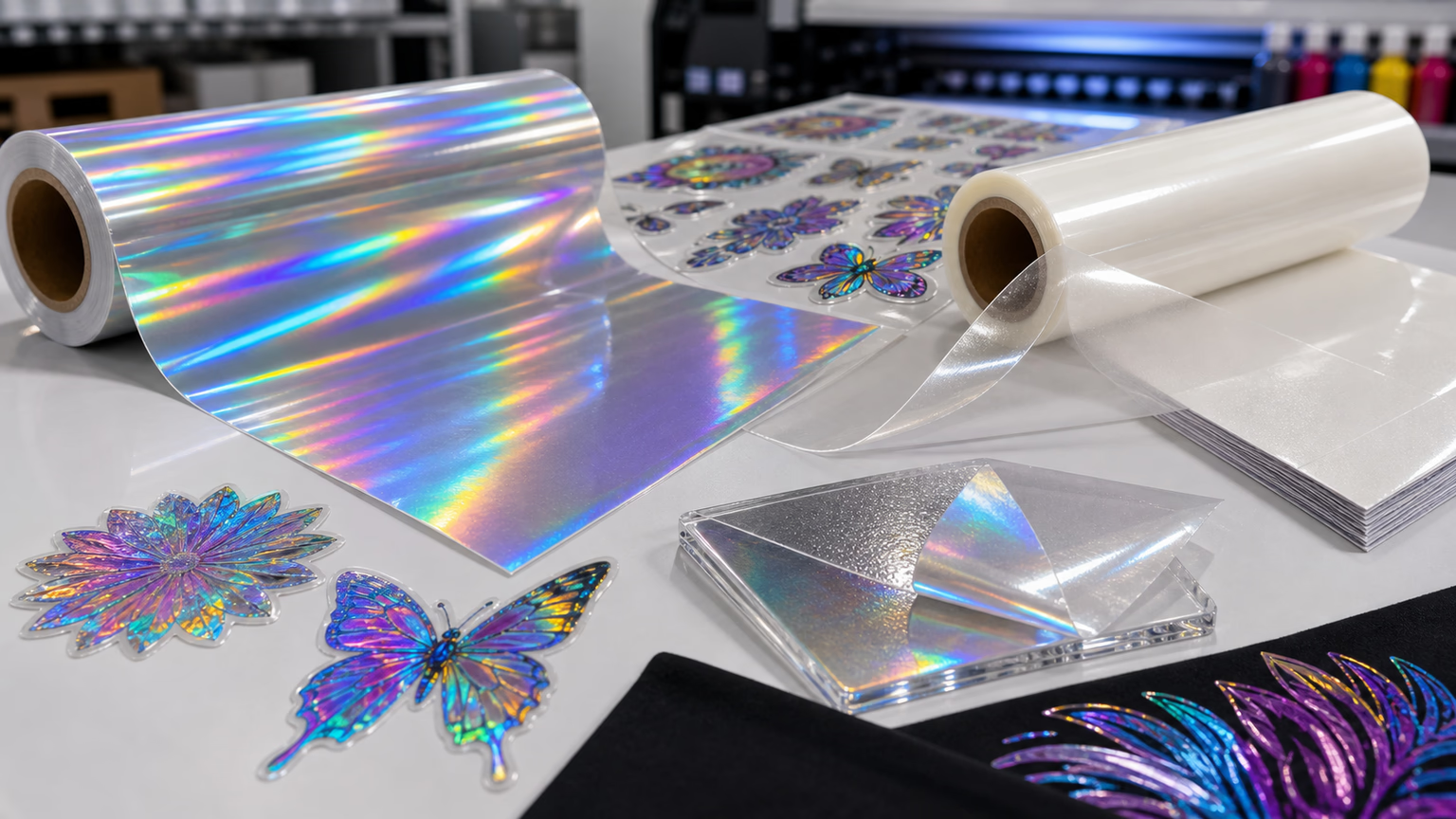
One of the most appealing aspects of DTF printing is its versatility. Unlike other printing methods that are limited to specific substrates, DTF printing can be applied to a wide range of materials, including textiles, plastics, metals, and more. Whether it’s T-shirts, mugs, phone cases, or even car upholstery, DTF printing can handle it all.
This flexibility makes DTF printing an excellent choice for businesses that require diverse product customization, from promotional merchandise to industrial labeling. The ability to print on unconventional surfaces opens up new possibilities for creativity and innovation, allowing businesses to explore unique branding opportunities.
3. Cost-Effectiveness and Efficiency
In the competitive world of printing, cost-effectiveness is a critical factor. DTF printing offers significant savings compared to traditional methods, particularly for businesses with smaller print runs. Traditional screen printing often requires expensive setup costs and is more economical for large-scale production. In contrast, DTF printing eliminates the need for screens or plates, reducing initial investment and making it a more affordable option for small to medium-sized orders.
Moreover, the DTF process is highly efficient, with fast turnaround times that can meet the demands of businesses operating in fast-paced markets. The ability to batch print and quickly transfer designs to multiple substrates further enhances productivity, making DTF printing a time-saving solution.
4. Eco-Friendly and Sustainable
Sustainability is becoming increasingly important, and DTF printing aligns with this trend by offering an environmentally friendly alternative to traditional methods. The use of water-based inks in DTF printing reduces the environmental impact, as these inks are free from harmful chemicals such as PVC, phthalates, and heavy metals. Additionally, the DTF process generates less waste, as there is no need for screens, plates, or excess ink.
For businesses looking to adopt sustainable practices, DTF printing is an excellent choice that not only benefits the environment but also appeals to eco-conscious consumers.
5. Customization and Personalization
In an era where personalization is key to customer engagement, DTF printing offers unparalleled flexibility in creating customized products. With digital printing technology at its core, DTF allows for the quick and easy production of unique designs, whether it’s a one-off piece or a limited edition run. This level of customization is particularly valuable for industries such as fashion, event merchandise, and promotional products.
Moreover, the ability to produce intricate designs, including gradients, photographic images, and fine details, makes DTF printing a preferred choice for artists and designers. The result is a product that not only stands out but also resonates deeply with individual customers.
6. Simplified Workflow and Ease of Use
The DTF printing process is designed to be user-friendly, making it accessible even for those without extensive technical knowledge. The workflow is straightforward: print the design onto the film, apply a special adhesive, and transfer it to the desired substrate using a heat press. This simplicity reduces the learning curve and allows businesses to quickly integrate DTF printing into their existing operations.
Furthermore, the elimination of complex setup processes and the need for multiple steps in traditional printing methods significantly streamlines production. This ease of use not only saves time but also reduces the likelihood of errors, ensuring consistent quality and reliability.
Conclusion
Direct to Film printing is reshaping the printing industry by combining high-quality output with unparalleled versatility, cost-effectiveness, and sustainability. Its ability to deliver vibrant, durable prints across a wide range of substrates makes it a game-changer for businesses and individuals alike. As technology continues to evolve, DTF printing stands out as a forward-thinking solution that meets the demands of modern consumers while paving the way for future innovations.
Whether you’re a small business looking to expand your product offerings or an artist seeking new creative outlets, DTF printing offers a world of possibilities. Embrace the revolution in printing and unlock the full potential of this cutting-edge technology.