In the competitive landscape of textile printing, durability has emerged as a make-or-break factor for businesses and consumers alike. While traditional printing methods often struggle with fading, cracking, or peeling after repeated use and laundering, Direct-to-Film (DTF) transfer technology has redefined industry standards with its exceptional longevity. The longevity of DTF transfer is not merely a technical feature but a revolutionary attribute that has transformed how custom textiles are produced, consumed, and valued. This article explores the science behind the longevity of DTF transfer, its far-reaching advantages for various sectors, and how it is reshaping the future of textile printing by prioritizing durability without compromising on quality or creativity.
The Science of Longevity: What Makes DTF Transfer Stand Out
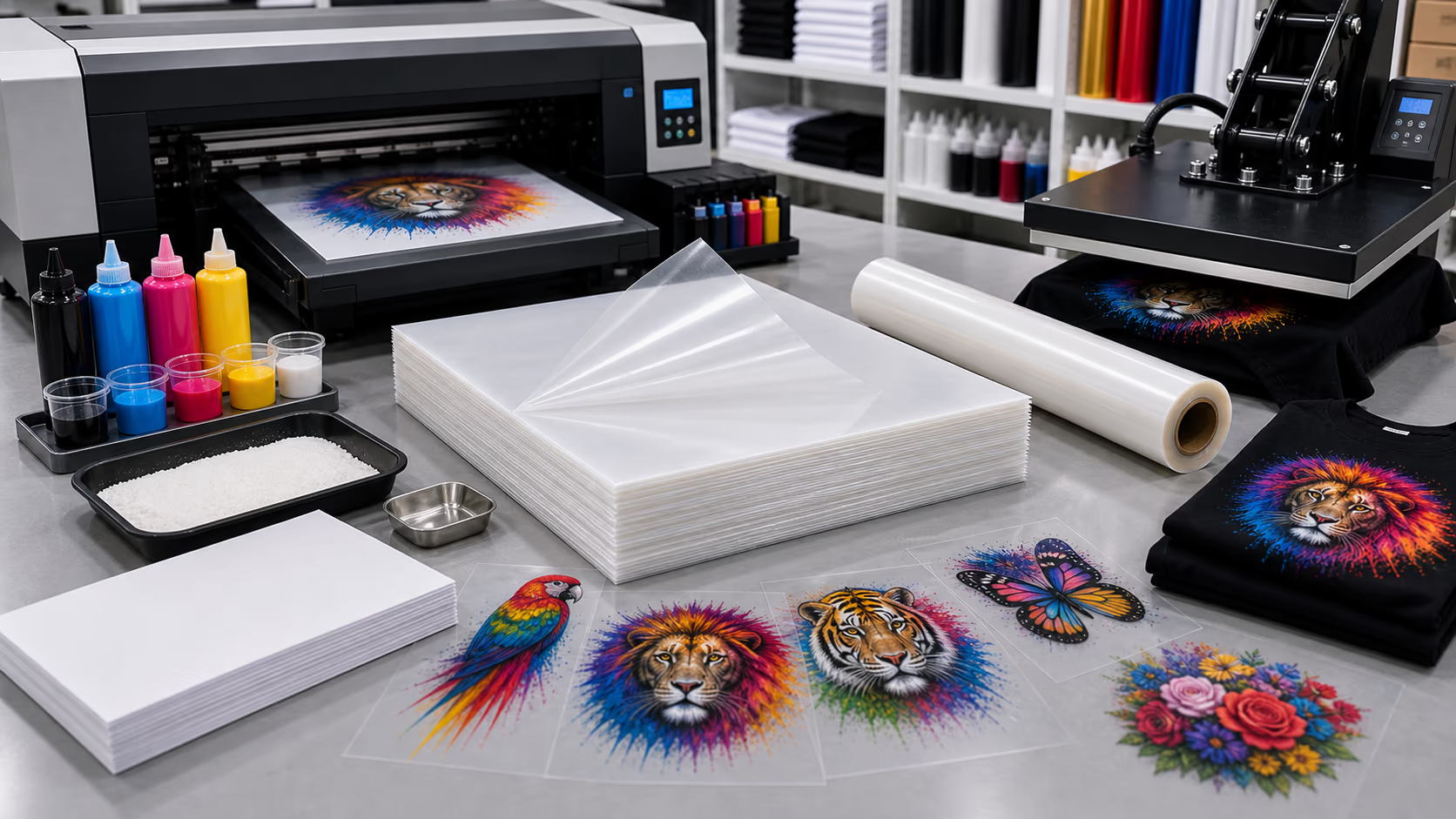
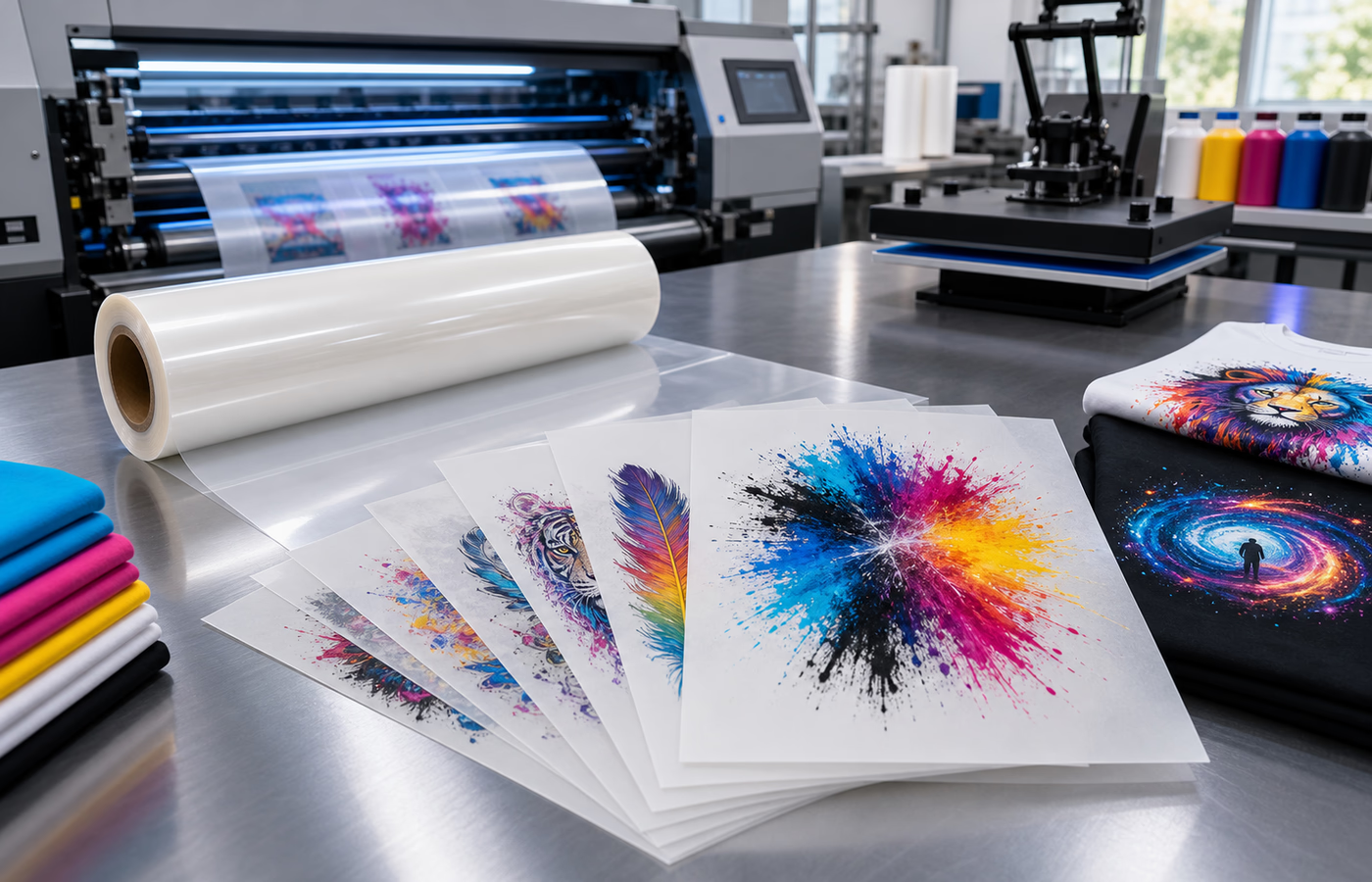
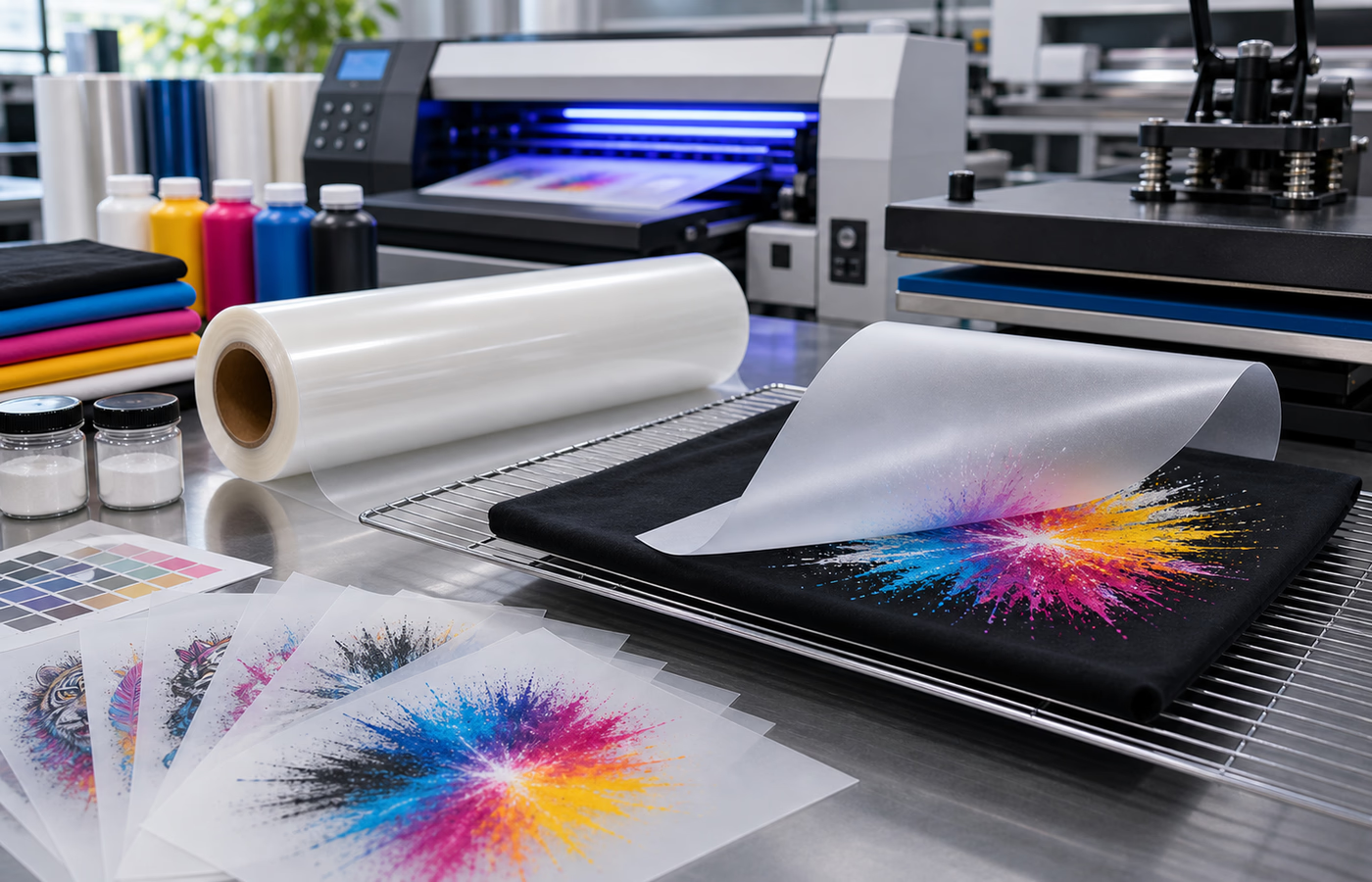
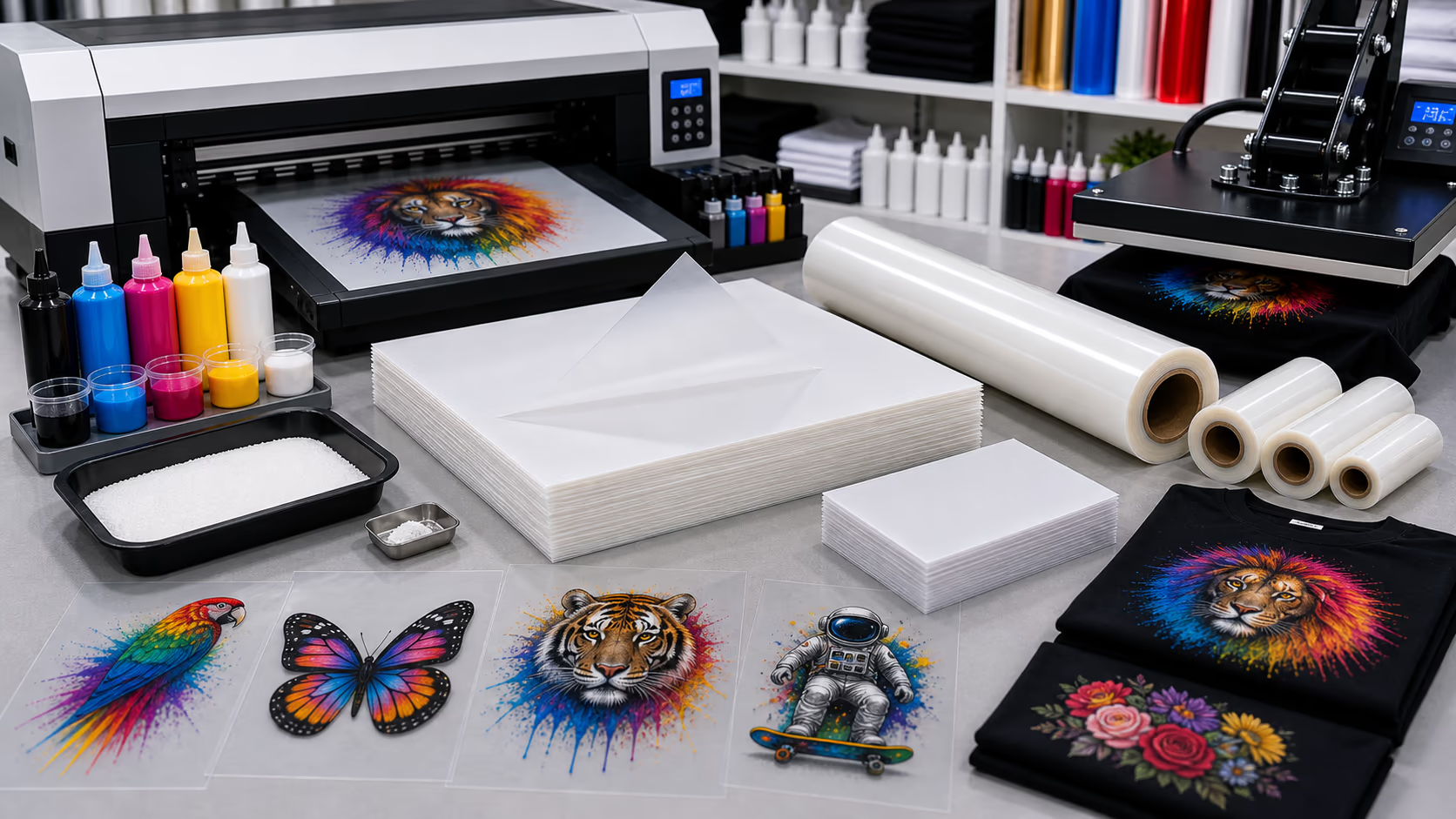
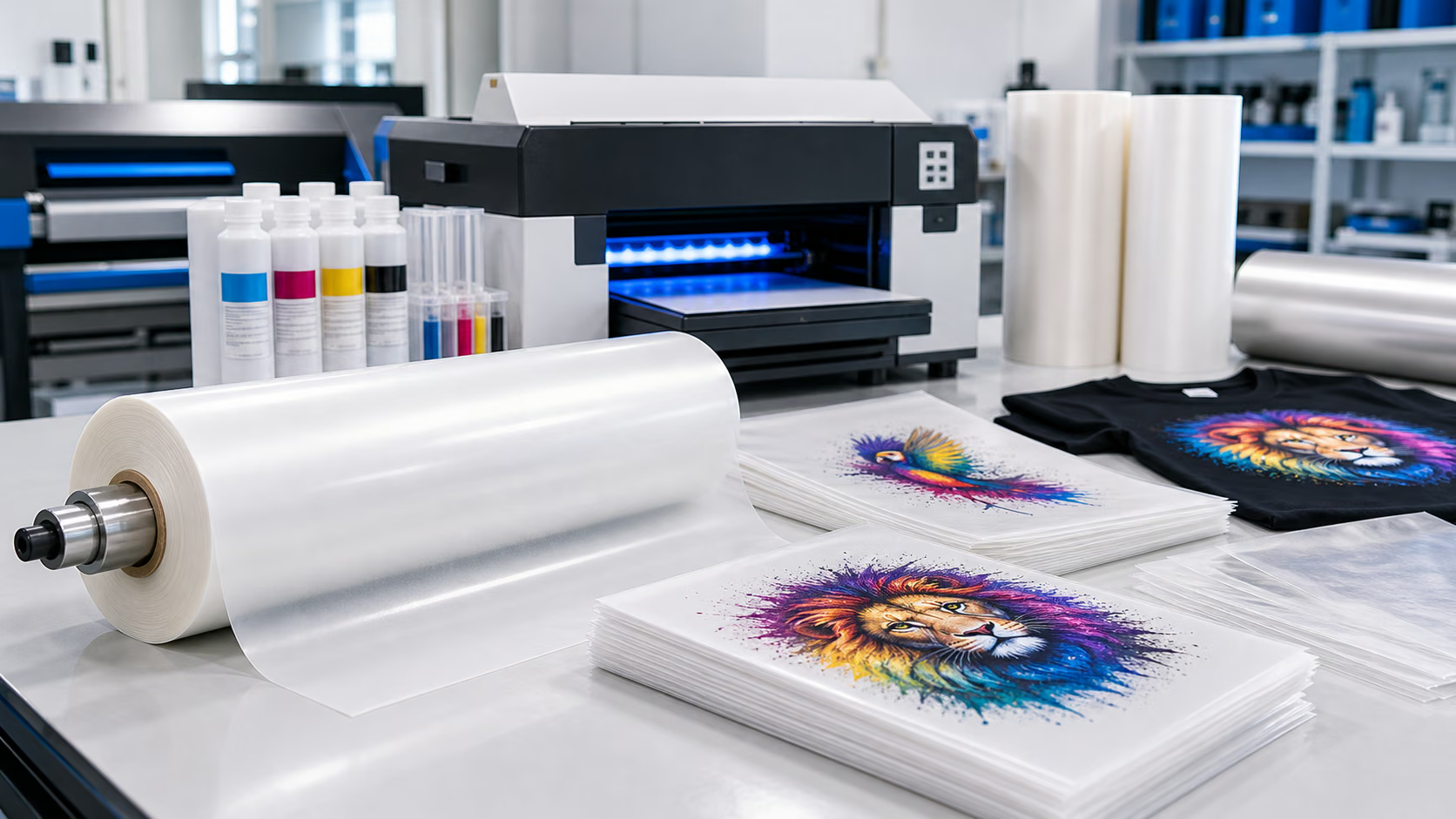
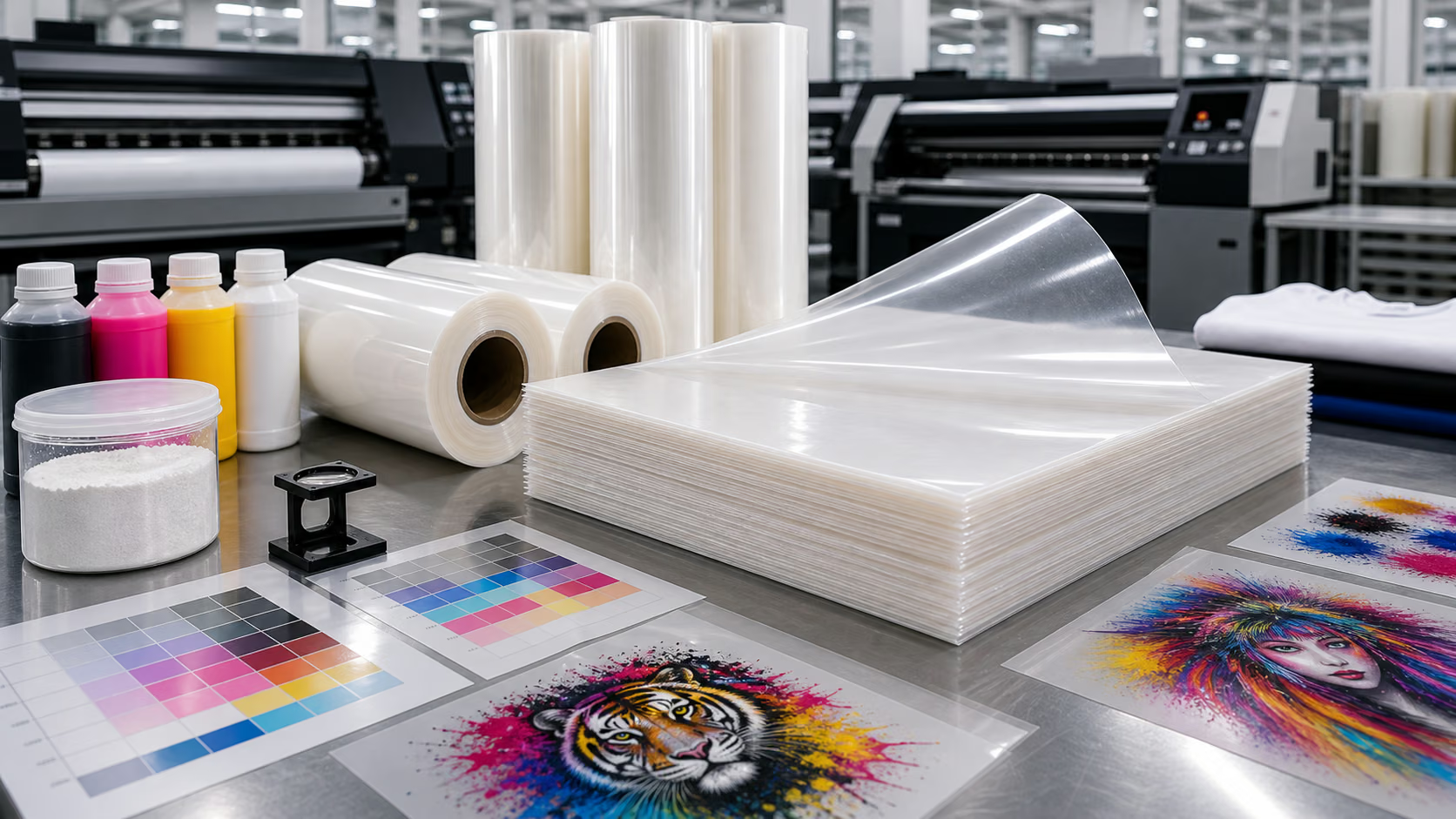
The exceptional longevity of DTF transfer stems from its unique printing process and specialized materials. Unlike Direct-to-Garment (DTG) printing, which relies on inks penetrating fabric fibers (and often fades over time), DTF transfer involves printing designs onto a proprietary film using high-quality, water-based or UV-curable inks, followed by the application of a hot-melt adhesive layer. This adhesive is the cornerstone of DTF’s durability—it forms a strong, flexible bond with the textile when heat-pressed, ensuring the design adheres securely rather than sitting superficially on the fabric surface. Additionally, the inks used in DTF transfer are formulated to resist UV radiation, moisture, and abrasion; when cured (either by heat or UV light), they form a robust barrier that prevents fading even after prolonged exposure to sunlight or frequent washing. The combination of a reliable adhesive bond and resilient inks creates a transfer that maintains its vibrancy and structural integrity for years, outperforming many traditional printing methods.
Why Longevity Matters: Transforming Industries and Consumer Expectations
The longevity of DTF transfer has had a profound impact on multiple sectors, addressing long-standing pain points and elevating consumer expectations. In the apparel industry, this durability is a game-changer for brands and manufacturers. Custom sportswear, workwear, and everyday clothing printed via DTF transfer can withstand the rigors of intense physical activity, frequent laundering, and harsh environmental conditions—critical for products that demand longevity. For example, fitness brands now rely on DTF transfer to create activewear with branded designs that remain intact through countless workouts and washes, while workwear manufacturers use it to produce high-visibility clothing that maintains legibility and colorfastness in industrial settings.
In the promotional products and corporate gifting sector, the longevity of DTF transfer adds significant value. Branded merchandise such as tote bags, caps, and jackets are no longer one-time-use items but long-lasting brand ambassadors. Businesses can now confidently invest in custom promotional products, knowing that their logos and designs will remain vibrant for years, extending brand exposure and justifying the investment. Similarly, in the customization market, consumers seeking personalized items—from monogrammed hoodies to family reunion t-shirts—prioritize durability to preserve sentimental value. DTF transfer’s longevity ensures these cherished items can be worn and enjoyed for years, making it a preferred choice for crafters and small-batch producers.
Balancing Longevity with Creativity and Versatility
A key advantage of DTF transfer is that its exceptional longevity does not come at the cost of creativity or versatility—two factors that are equally critical in modern textile printing. Unlike screen printing, which is limited by color counts and design complexity, DTF transfer can reproduce intricate designs, fine text, gradient color schemes, and photo-realistic images with stunning precision, all while maintaining durability. Additionally, DTF transfer works seamlessly with a wide range of textiles, including cotton, polyester, blends, leather, and even delicate fabrics like silk, expanding its applications across industries. This versatility, combined with longevity, makes DTF transfer a one-stop solution for businesses looking to create high-quality, durable, and visually appealing custom textiles.
The Future of Textile Printing: Longevity as a Standard
As consumers increasingly prioritize sustainability and value, the longevity of DTF transfer is setting a new standard in textile printing. By producing longer-lasting custom textiles, DTF transfer reduces waste associated with faded or damaged printed items, aligning with global sustainability goals. Moreover, advancements in DTF technology—such as eco-friendly inks and improved adhesive formulations—are further enhancing its longevity while minimizing environmental impact. These innovations are poised to make DTF transfer even more dominant in the industry, as businesses and consumers alike recognize the benefits of durable, sustainable, and creative textile printing solutions.
In conclusion, the longevity of DTF transfer is not just a technical achievement but a revolutionary force in textile printing. It addresses critical industry pain points, elevates consumer expectations, and balances durability with creativity and versatility. From apparel and promotional products to personalized items, DTF transfer’s ability to produce long-lasting, vibrant designs is transforming how we create and value custom textiles. As the industry continues to evolve, the longevity of DTF transfer will remain a core advantage, solidifying its position as a cornerstone of modern textile printing and shaping a future where durability, sustainability, and creativity go hand in hand.