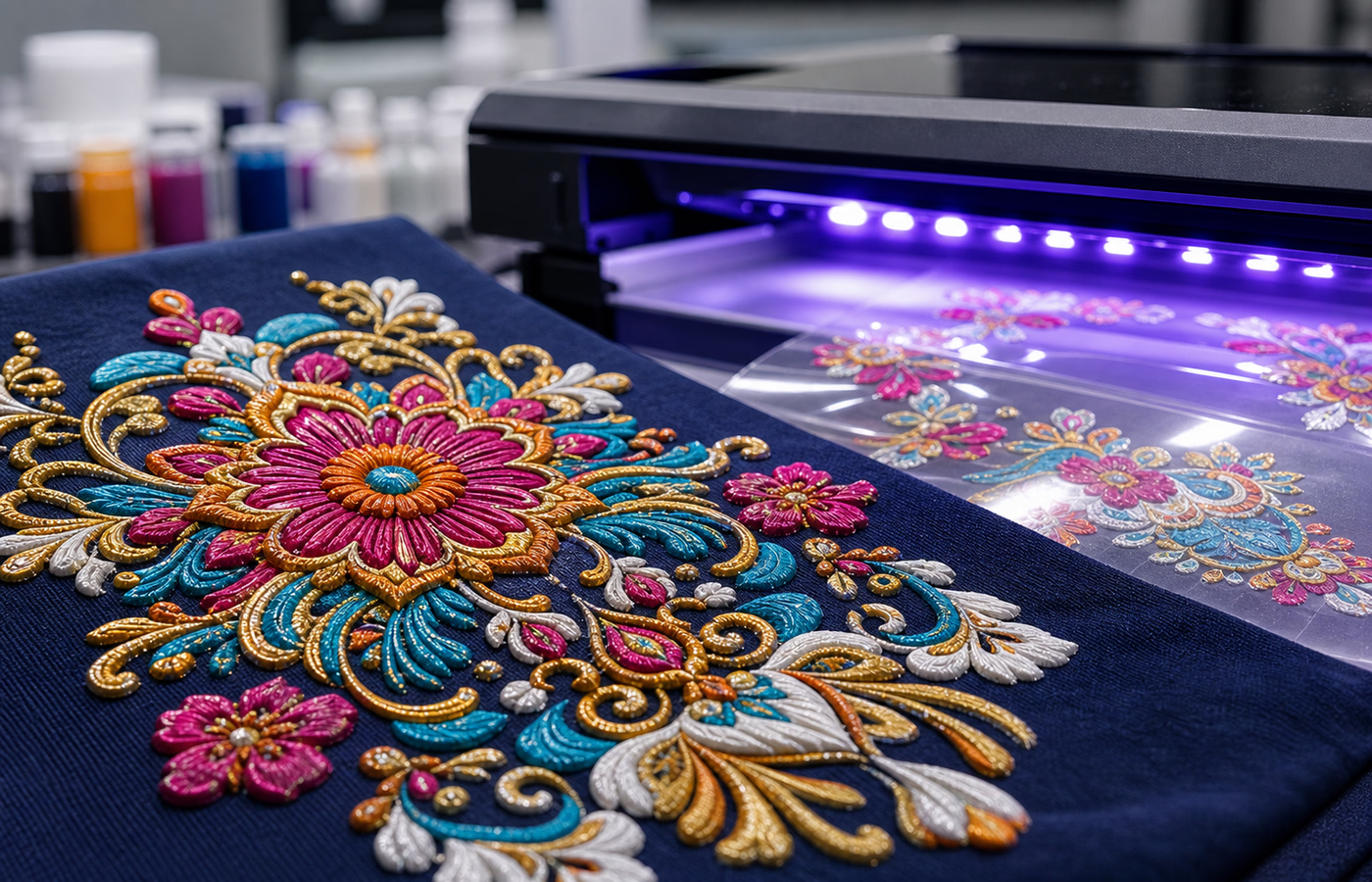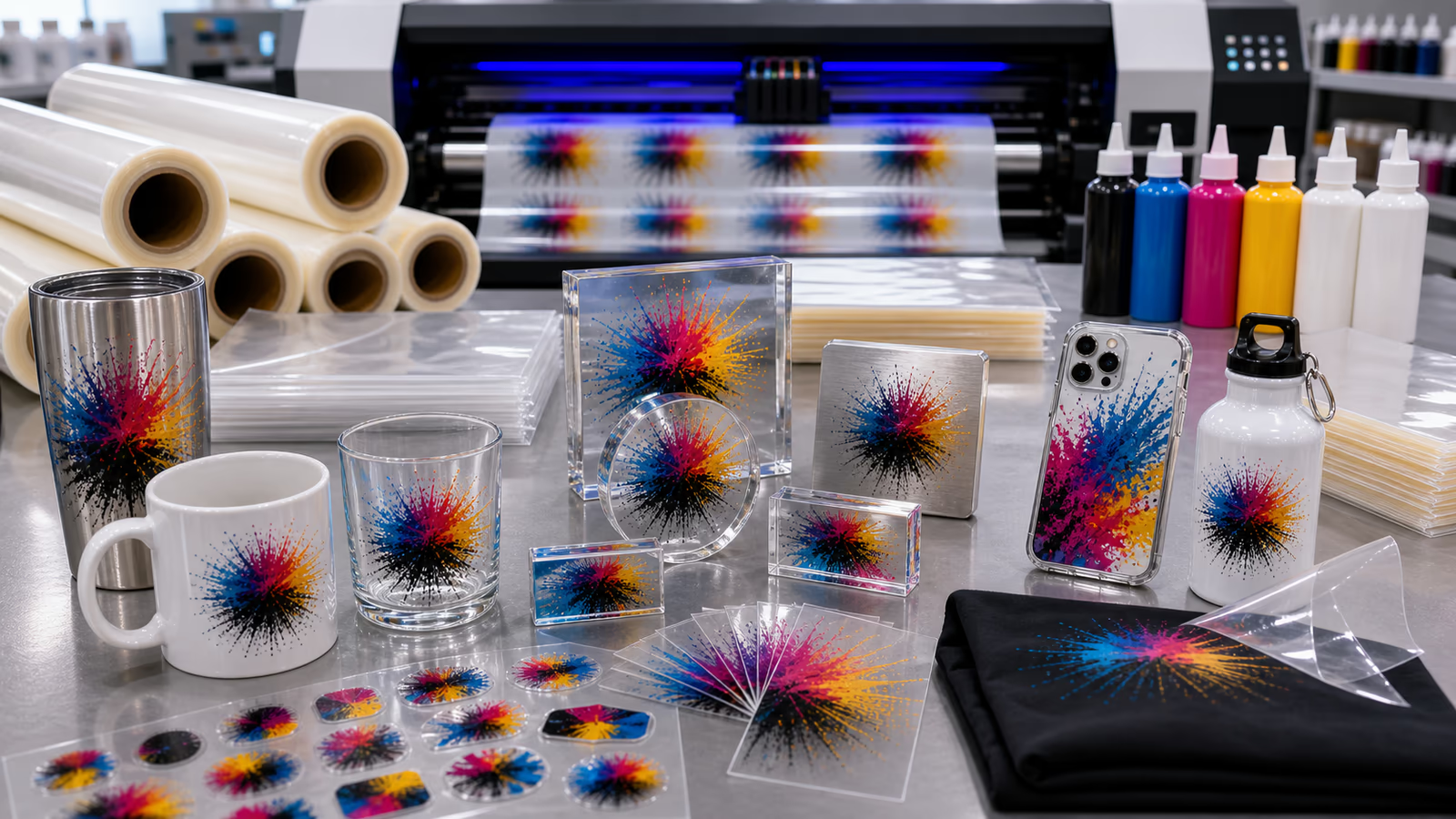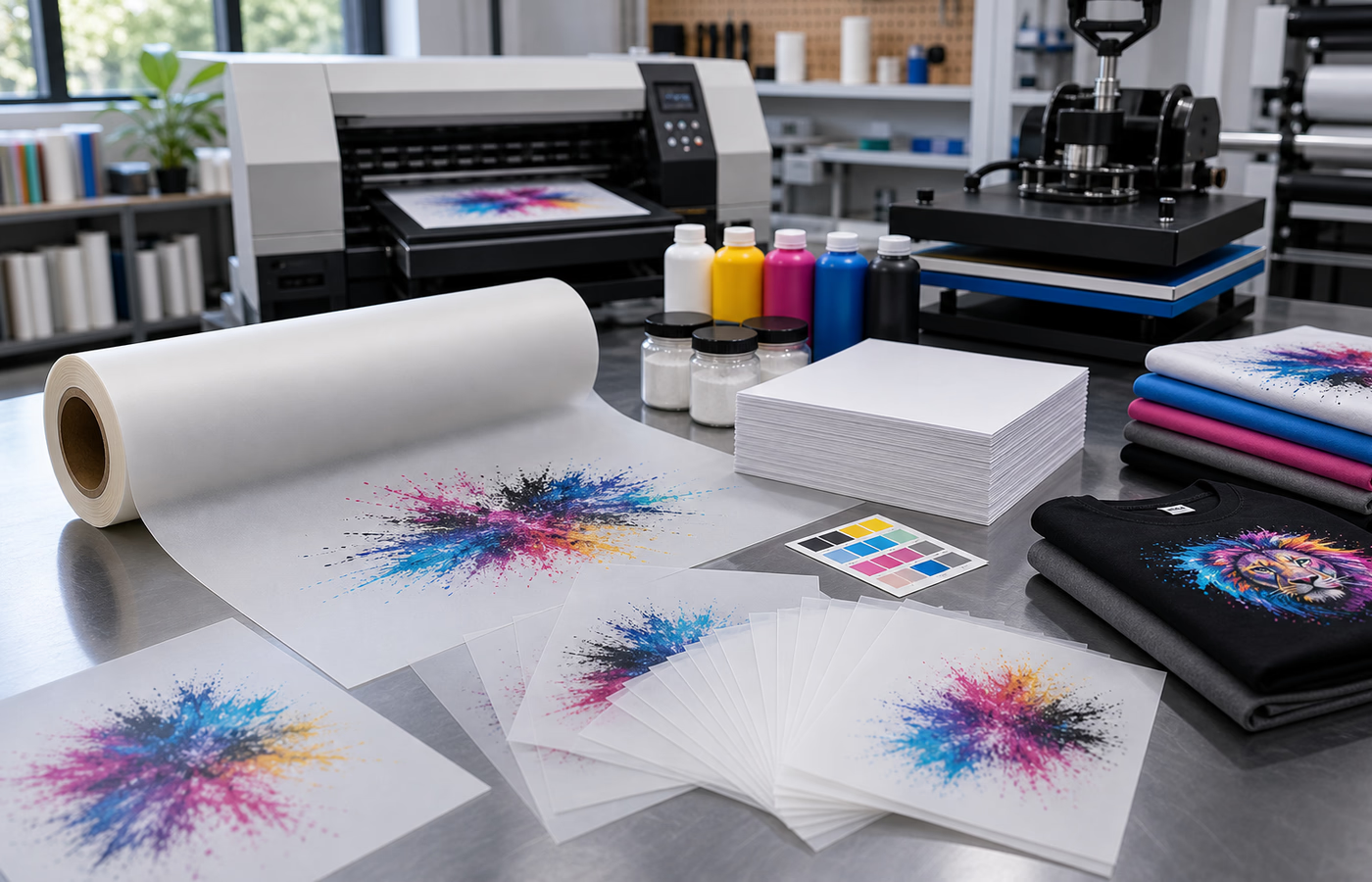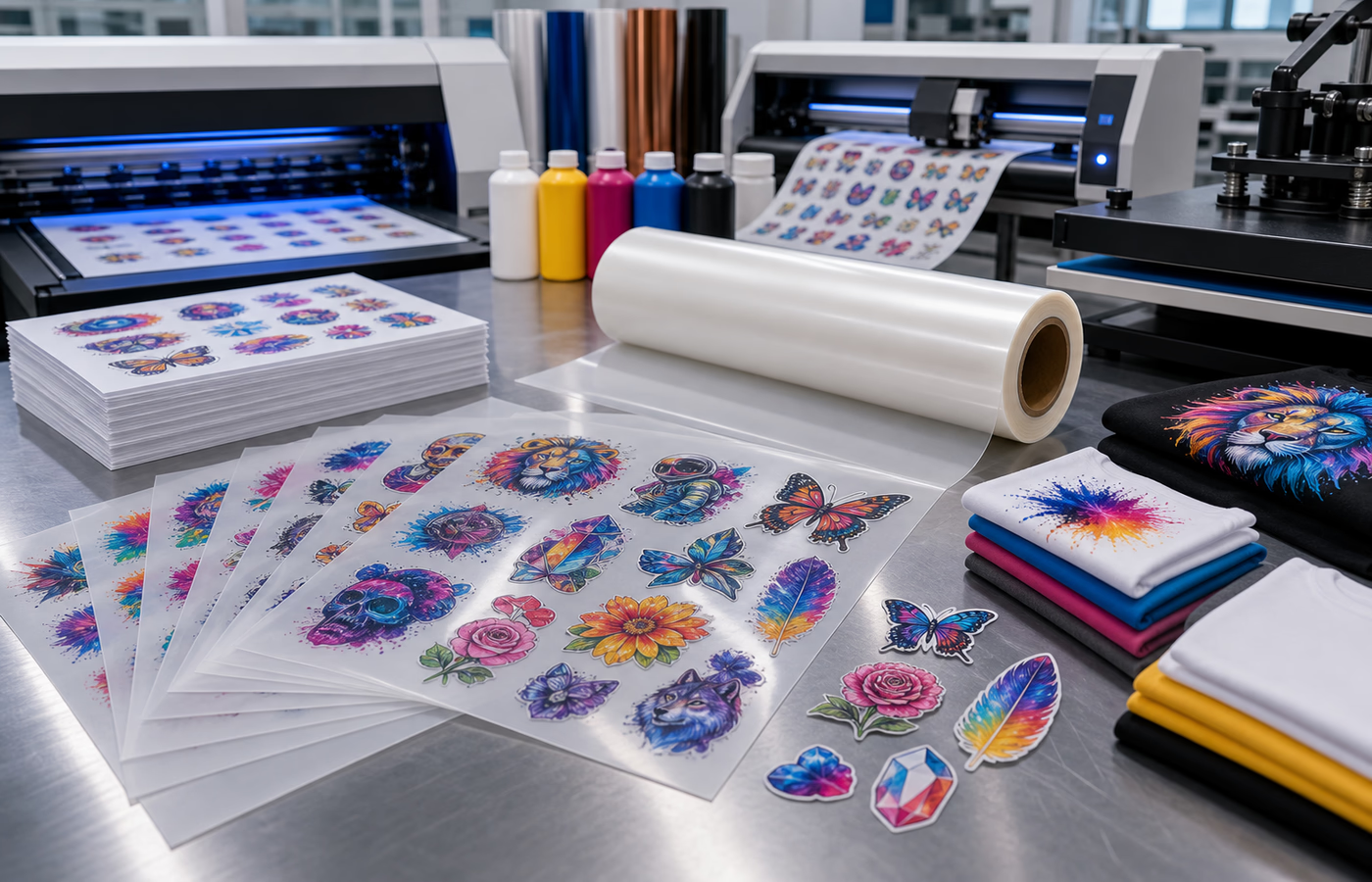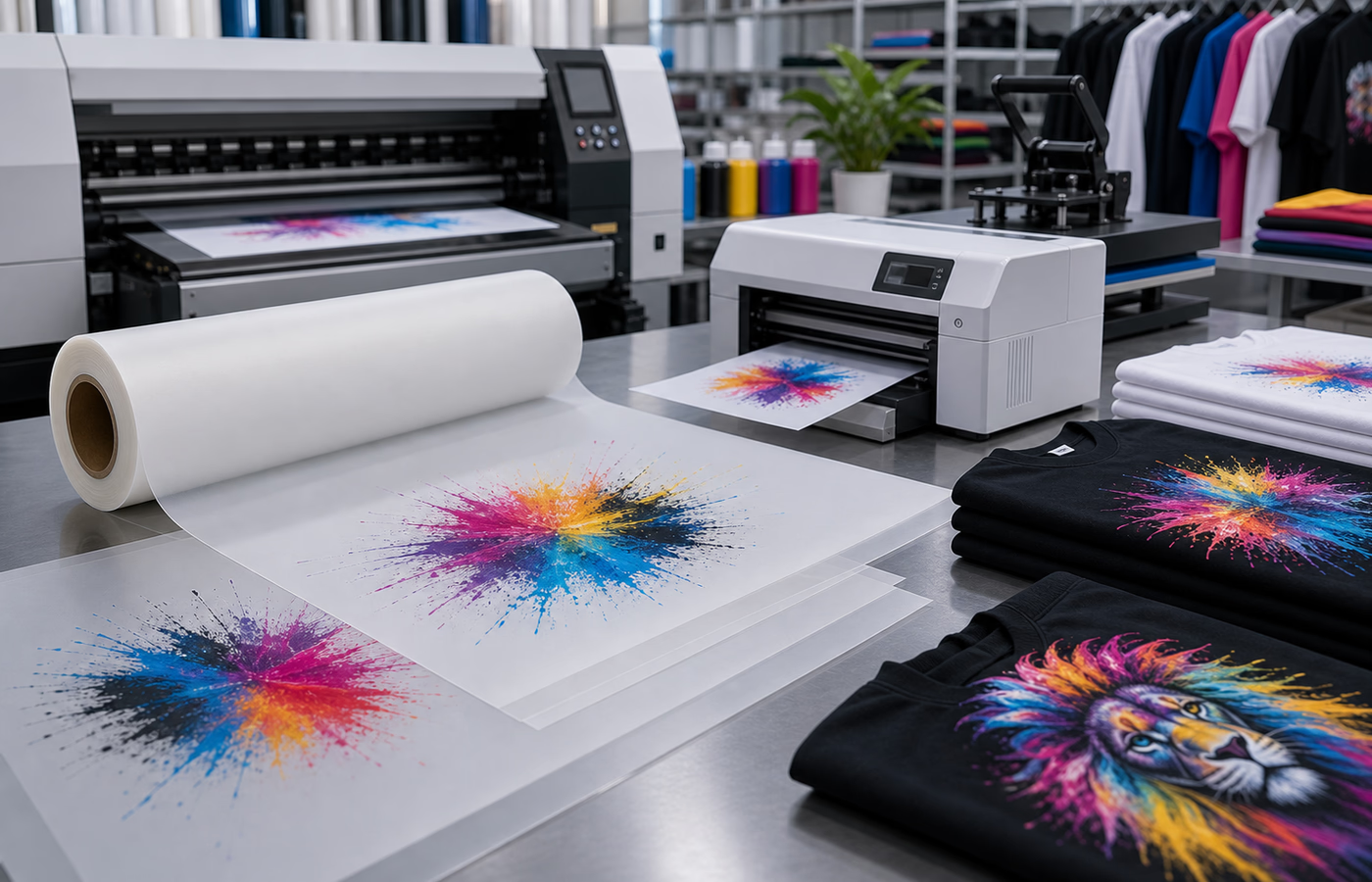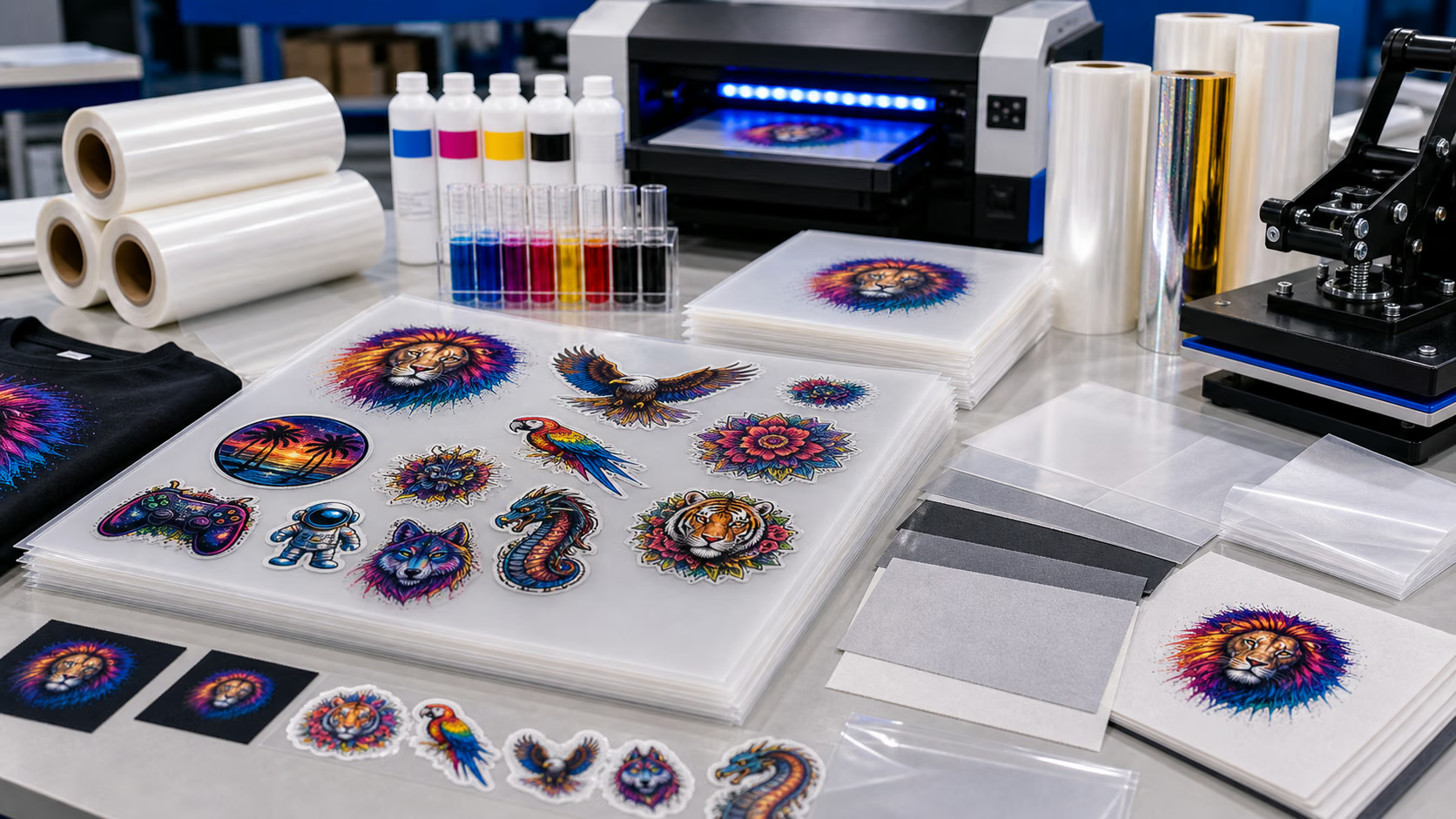
In the dynamic landscape of modern printing, Direct-to-Film (DTF) technology continues to expand its horizons, with specialized film sizes emerging as key enablers of innovation. Among these, the 13 x 19 inch (33 x 48.3 cm) DTF film stands out as a versatile powerhouse, bridging the gap between standard small-format sheets (8×11, 11×17) and large industrial rolls. Its unique dimensions—aligned with popular photo and art print sizes—make it a perfect fit for a wide range of applications, from high-detail apparel graphics to custom home decor. By combining the core strengths of DTF (substrate versatility, vibrant color reproduction) with a size that balances creativity and efficiency, 13×19 DTF film is unlocking new potential for printers, businesses, and crafters alike. This article explores how this specialized film is reshaping modern printing through its size-specific advantages, technical adaptability, and diverse use cases.
1. The 13 x 19 Advantage: Why Size Matters in DTF Printing
The 13×19 dimension is no arbitrary choice—it is engineered to address unmet needs in the DTF ecosystem. Unlike smaller sheets that restrict design scope or oversized rolls that demand heavy machinery, 13×19 film strikes a strategic balance that aligns with real-world printing demands.
1.1 Balancing Detail and Scale for Creative Freedom
Traditional small-format DTF films often force designers to compromise—either limiting graphics to small accents or resorting to time-consuming tiling for larger designs. 13×19 film eliminates this trade-off by offering ample space for bold, detailed prints while retaining the high resolution (up to 1200 DPI) that DTF is known for. This size comfortably accommodates full-front designs for XL hoodies, panoramic graphics for tote bags, or multi-element prints for home decor items like throw pillows. For example, a custom apparel brand can print a detailed landscape or abstract art piece across the chest and shoulders of a jacket using a single 13×19 sheet, avoiding the misalignment risks of拼接 smaller sheets.
Its compatibility with standard large-format desktop printers (common in photo studios and small print shops) further enhances its appeal. Unlike industrial rolls that require specialized feeders, 13×19 film works seamlessly with most mid-range DTF printers, reducing setup time and calibration costs.
1.2 Efficiency for Mid-Volume and Custom Orders
Modern printing increasingly demands flexibility—especially for businesses handling 20–100 unit orders (a sweet spot for small brands and promotional services). Industrial DTF rolls (60+ cm wide) are cost-prohibitive for such batches, generating excessive waste and requiring complex setup. 13×19 film, by contrast, is optimized for “smart efficiency”: printers can load sheets manually or with standard feeders, match film size to order requirements, and cut material waste by up to 30% compared to larger formats. A local print shop fulfilling an order for 50 branded aprons, for instance, can use 13×19 sheets to print full-coverage designs without leftover scraps, lowering operational costs while maintaining quick turnaround.
2. Technical Synergy: 13×19 Film Enhancing DTF’s Core Strengths
DTF technology’s greatest assets—versatility across substrates, no pre-treatment needs, and durable adhesion—are amplified by the 13×19 format. The film’s size does not merely expand what can be printed; it enhances how DTF performs across critical production stages, from ink deposition to post-transfer longevity.
2.1 Uniformity at Scale: Overcoming Printing Challenges
A common hurdle with large-format DTF printing is uneven ink distribution and adhesive application, which leads to patchy designs or premature peeling. 13×19 film’s manageable size allows for consistent heat and pressure during curing (100–120°C) and heat pressing (150–160°C)—two factors critical to DTF durability. Premium 13×19 films feature a thick (110–130 micron) PET base and uniform receptive coating, ensuring that UV-reactive or pigmented inks spread evenly across the entire sheet. This uniformity is particularly valuable for gradient designs or photo-realistic prints, where color consistency from edge to edge is non-negotiable.
2.2 Substrate Versatility: From Fabric to Hard Surfaces
DTF’s ability to bond with nearly any substrate—cotton, polyester, metal, wood, and plastic—is fully realized with the 13×19 format. Smaller sheets limit this versatility to tiny items (e.g., phone cases), while rolls are impractical for irregularly shaped objects. 13×19 film enables full-scale customization across diverse substrates, making it a one-stop solution for multi-product printing:
- Apparel: Full-back prints on sweatshirts, sleeve-to-chest graphics on jackets, and large logos on team uniforms.
- Home Decor: Custom designs on canvas art, linen tablecloths, and wooden wall hangings.
- Promotional Products: Oversized logos on beach towels, branded graphics on coolers, and detailed designs on reusable shopping bags.
- Art and Photography: Limited-edition DTF prints on textured paper or canvas, offering a more durable alternative to traditional inkjet prints.
2.3 Durability That Scales: Maintaining Quality in Larger Prints
A key concern with large-format prints is reduced durability, as larger surface areas are more prone to wear, fading, and peeling. 13×19 DTF film addresses this by pairing size with robust material science. The film’s hot-melt adhesive, when properly cured, creates a flexible bond that moves with fabric (preventing cracking) and adheres tightly to hard surfaces (resisting scratches). For outdoor applications like event banners or branded pop-up displays, 13×19 DTF prints with UV-resistant inks retain their vibrancy for 3–5 years, matching the durability of smaller DTF prints while covering more space.
3. Unlocking New Applications: 13×19 DTF Film in Action
The true potential of 13×19 DTF film lies in its ability to transform industries by enabling applications that were previously inefficient or impractical. From niche crafters to mid-sized businesses, this film is opening new revenue streams and creative possibilities.
3.1 Apparel and Fashion: Elevating Custom Designs
The fashion industry’s demand for unique, trend-driven apparel has found a perfect match in 13×19 DTF film. Streetwear brands use it to create full-front “statement” graphics—think bold typography, photo collages, or intricate illustrations—that stand out on crowded shelves. For sustainable fashion labels, the film’s efficiency reduces material waste, aligning with eco-conscious values. Even custom bridal parties or sports teams benefit: 13×19 film can print matching designs across different garment types (dresses, hoodies, hats) with consistent color and scale.
3.2 Home Decor and Lifestyle Products
The home decor market is booming with personalized items, and 13×19 DTF film is a key enabler. Crafters and small businesses use it to create custom canvas prints, pillow covers, and even furniture decals. For example, a home goods brand can print a 13×19 watercolor-style design on a linen throw blanket, or a interior designer can create custom wall art for clients using the film’s high-resolution capabilities. The size also works perfectly for seasonal decor—think holiday-themed table runners or Halloween-inspired pillowcases—allowing for quick, on-demand production.
3.3 Promotional and Event Printing
Promotional printers rely on 13×19 DTF film to deliver impactful, cost-effective products for events, conferences, and brand activations. The film’s size is ideal for large-format promotional items like tote bags (used as swag), pop-up banner accents, or branded tablecloths. Unlike screen printing, which requires expensive stencils for each design, 13×19 DTF allows for quick design changes—critical for event printers who often handle last-minute orders. A tech conference, for instance, can order 100 branded tote bags with a 13×19 logo and tagline, with the printer able to fulfill the order in 24 hours.
3.4 Fine Art and Limited-Edition Prints
Fine artists and photographers are increasingly turning to 13×19 DTF film for limited-edition prints. The film’s ability to reproduce subtle color gradients and fine details makes it suitable for art reproductions, while its durability (resistant to fading and moisture) ensures the prints stand the test of time. Unlike traditional giclée printing, DTF allows artists to print on a variety of substrates beyond paper—such as canvas, wood, or metal—expanding their creative output and offering collectors unique, textured pieces.
4. Maximizing the Potential: Choosing and Using 13×19 DTF Film
To fully unlock the potential of 13×19 DTF film, it’s essential to select the right product and follow best practices for printing and application. Here are key considerations for users:
4.1 Selecting the Right Film for Your Application
- Fabric Printing: Opt for flexible 110-micron PET film with heat-activated adhesive, designed to move with fabric and resist washing.
- Hard Surfaces (Wood, Metal, Glass): Choose rigid 130-micron film with pressure-sensitive adhesive for strong, long-lasting bonding.
- Outdoor Use: Look for film with UV-resistant coatings and inks to prevent fading in sunlight.
4.2 Printer Compatibility and Setup
Ensure your DTF printer supports 13×19 sheets—most mid-range desktop DTF printers (e.g., Epson-based models with modified printheads) do, but it’s important to check the printer’s maximum media size. Calibrate the printer for the film’s thickness to ensure even ink deposition, and use the recommended curing time (60–90 seconds at 100–120°C) to avoid under or over-curing.
4.3 Application Best Practices
For fabric application, use a heat press set to 150–160°C with medium pressure (4–6 kg/cm²) for 10–15 seconds, followed by a cold peel for best adhesion. For hard surfaces, ensure the substrate is clean and dry before applying the film, and use a roller to eliminate air bubbles. For art prints, consider laminating the film after application to add an extra layer of protection and a professional finish.
5. Conclusion: 13×19 DTF Film—A Catalyst for Modern Printing Innovation
The 13×19 DTF film is more than just a specialized size—it’s a catalyst for innovation in modern printing. By balancing creative freedom (through its ample size) and practical efficiency (through its compatibility with standard equipment), it unlocks new potential for businesses, artists, and crafters across industries. From bold apparel graphics to custom home decor and limited-edition art, this film enables applications that were once either too costly or too restrictive with other DTF formats.
As DTF technology continues to evolve, the 13×19 format will remain a key player, adapting to new substrates and printing needs. Its ability to bridge gaps between small and large formats, and between creativity and efficiency, makes it an essential tool for anyone looking to thrive in the fast-paced world of modern printing. For those willing to explore its capabilities, 13×19 DTF film is not just a printing material—it’s a gateway to new ideas, new products, and new opportunities.