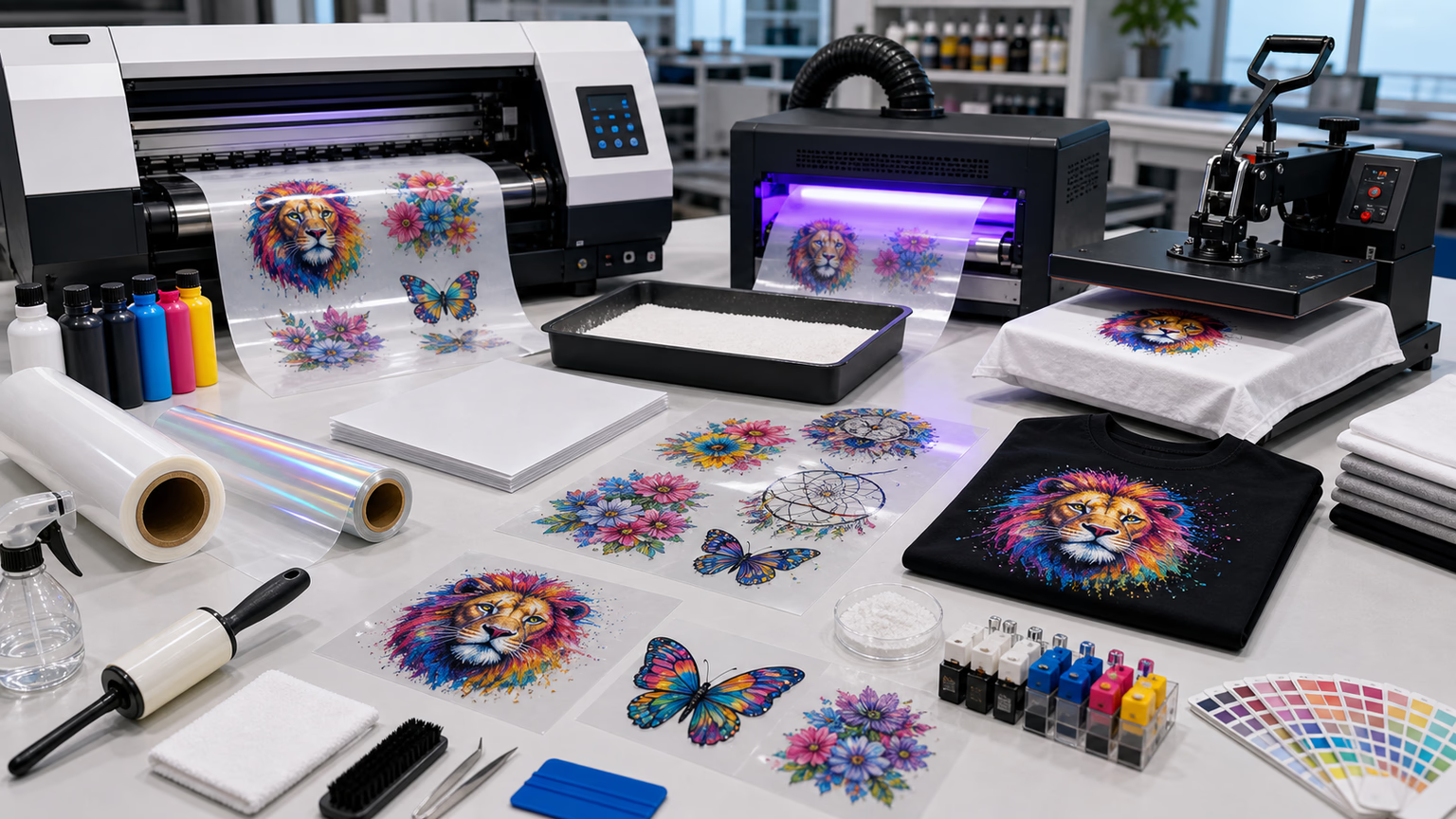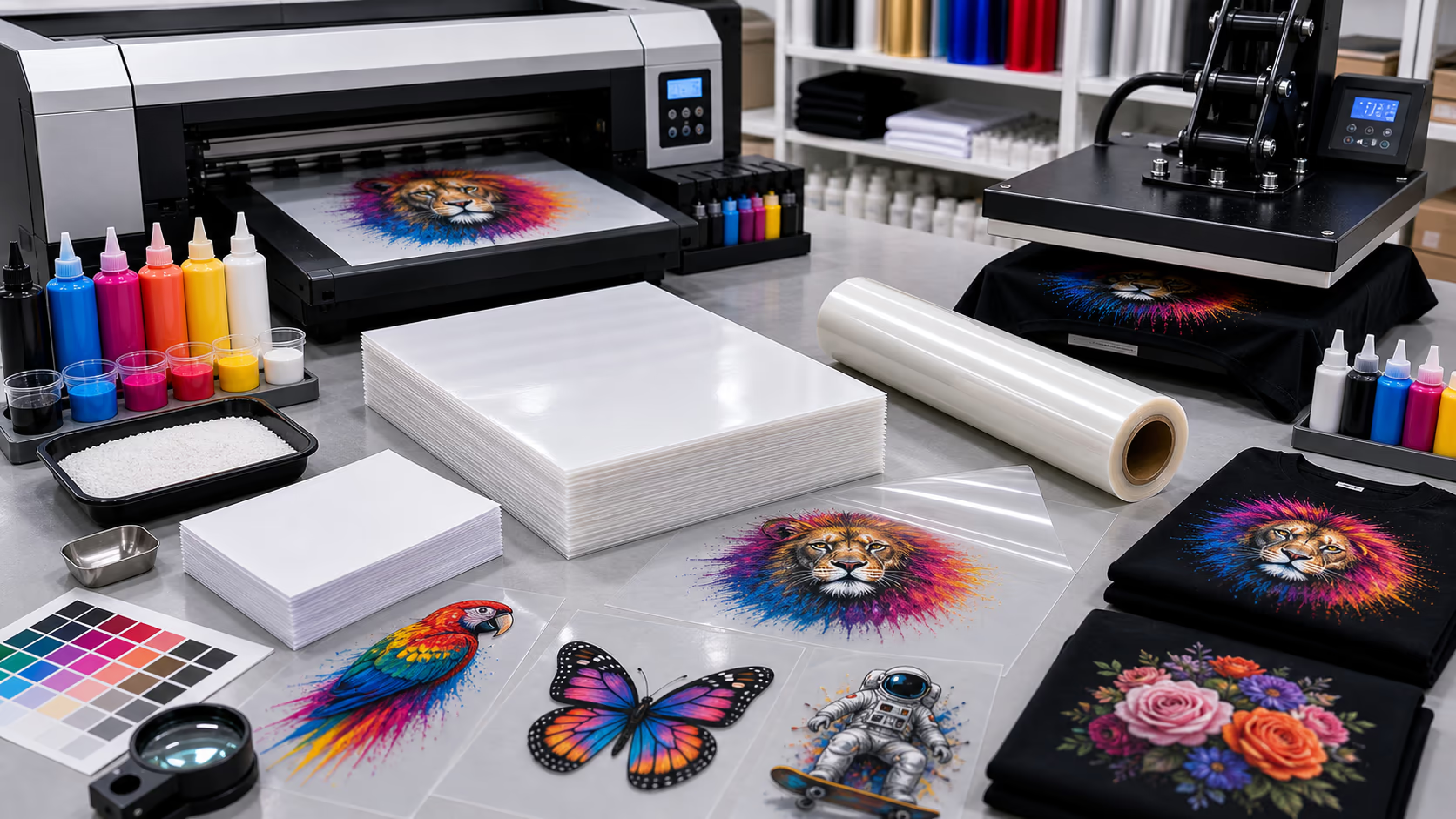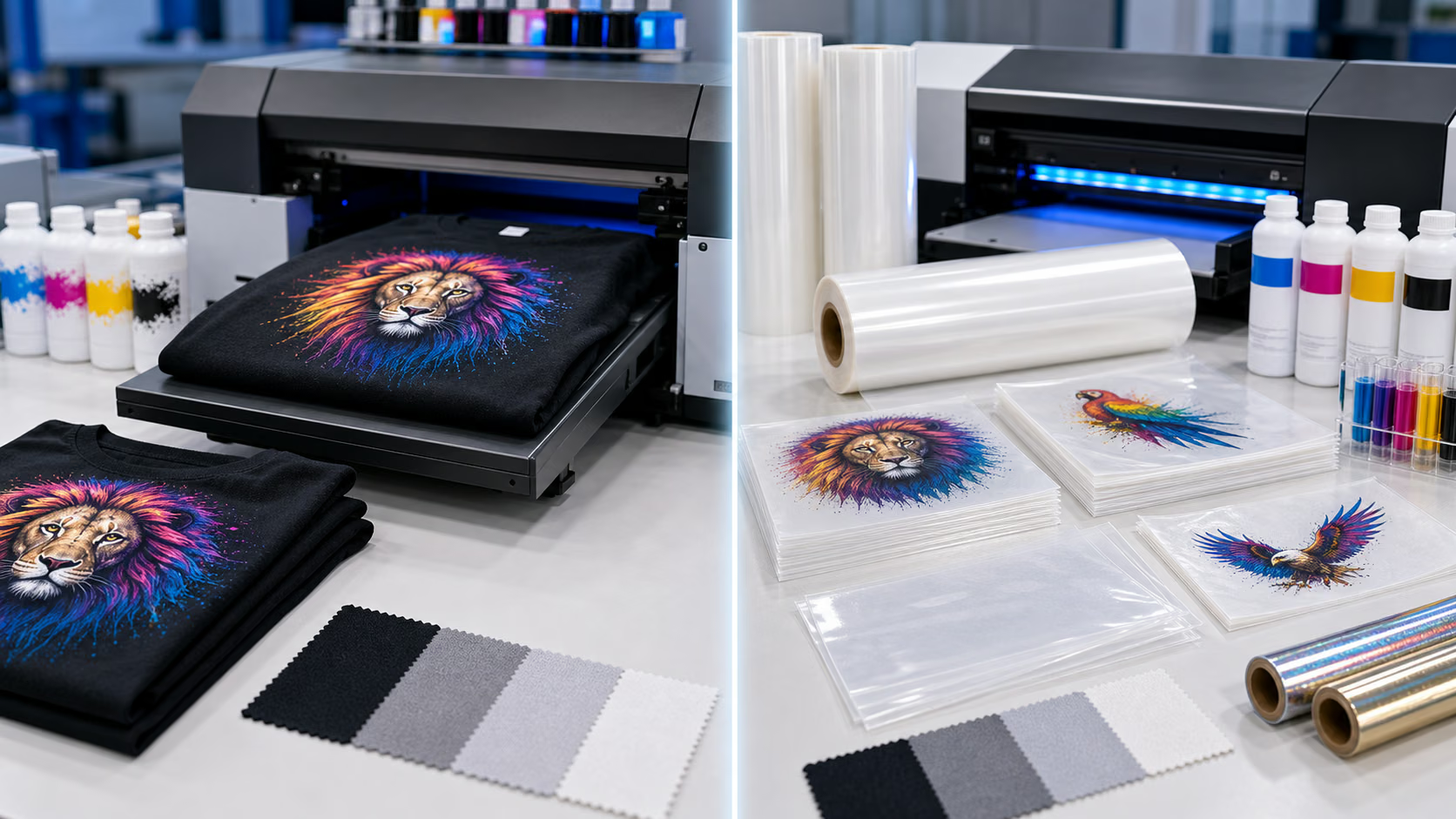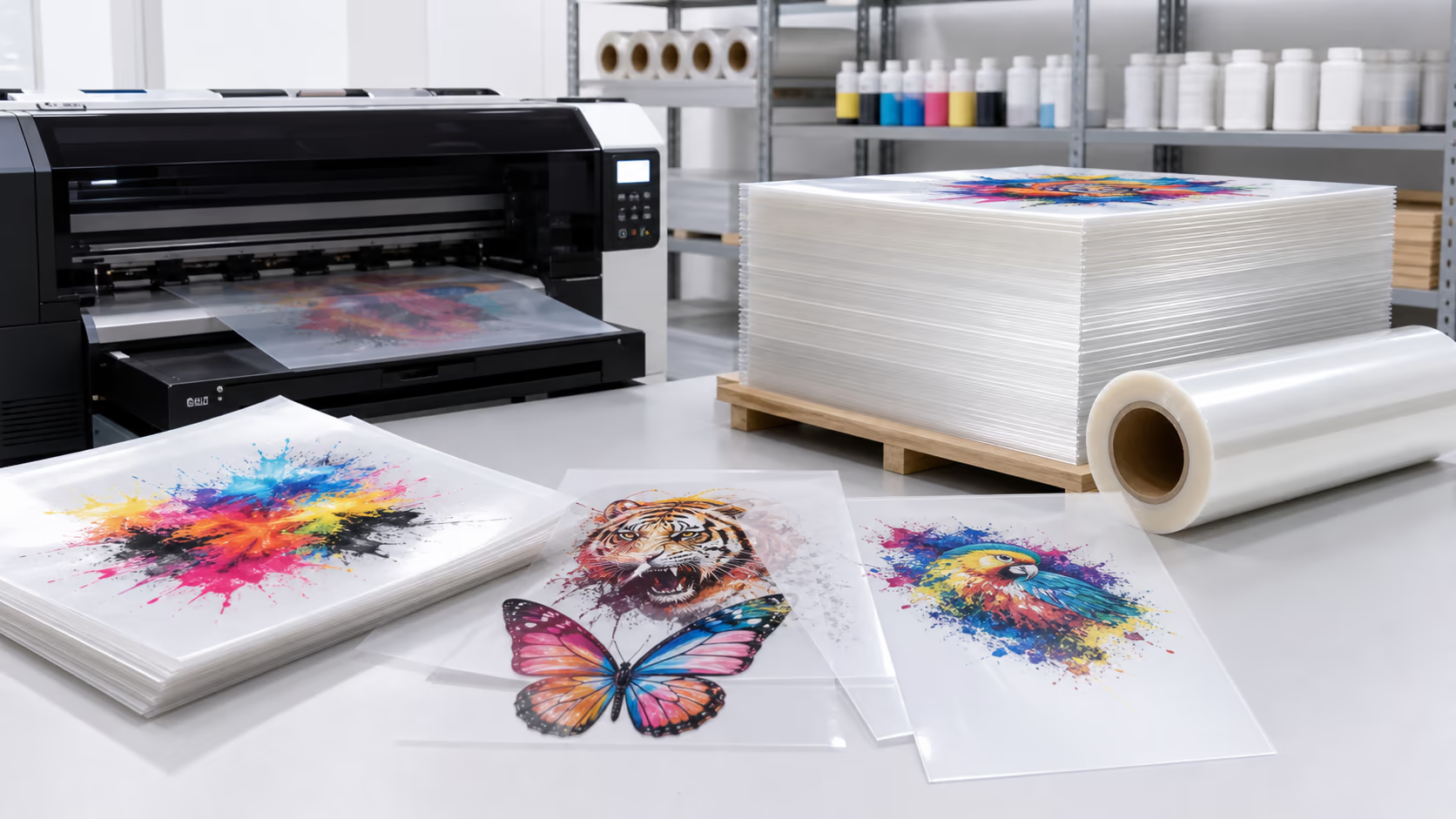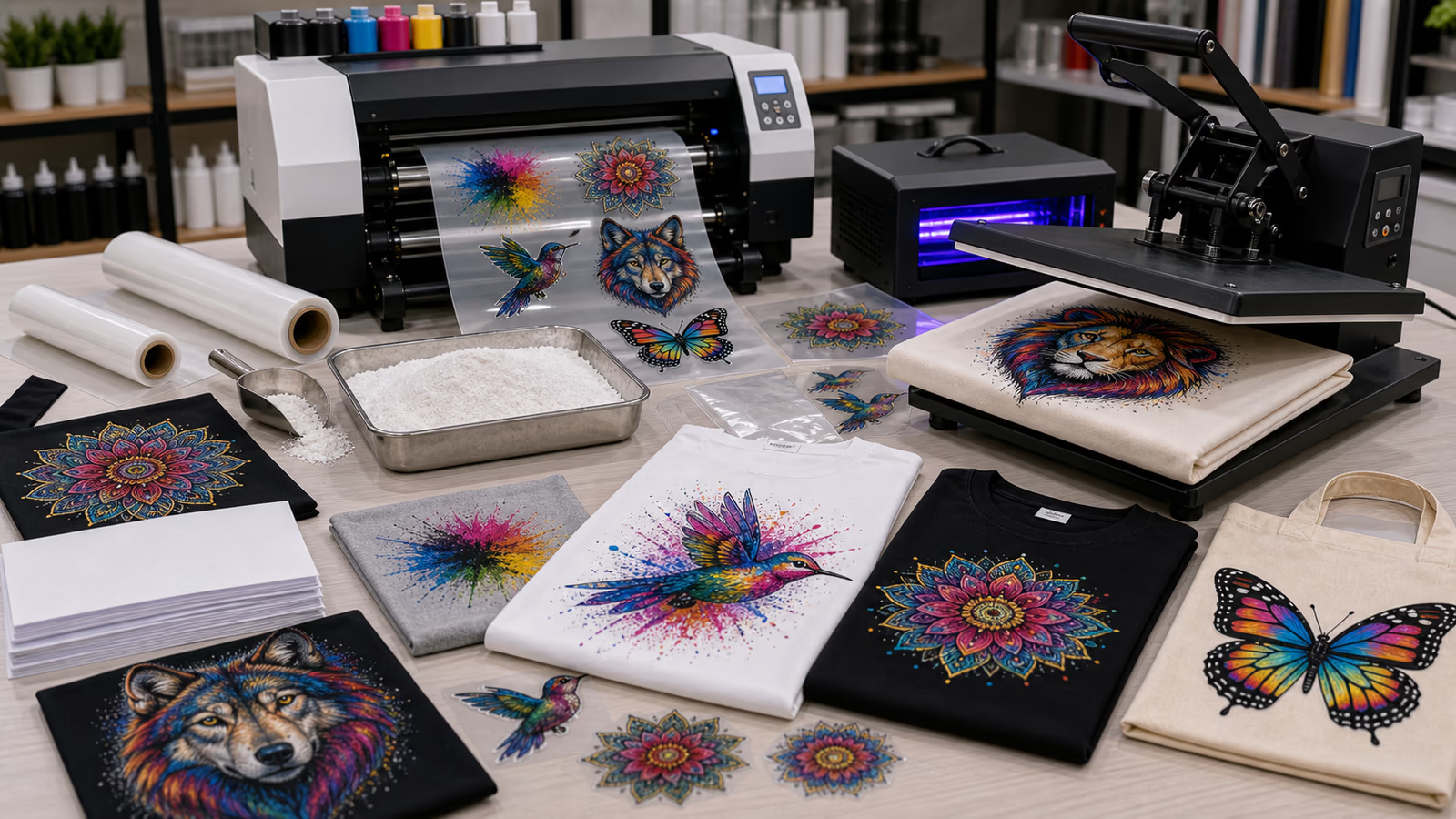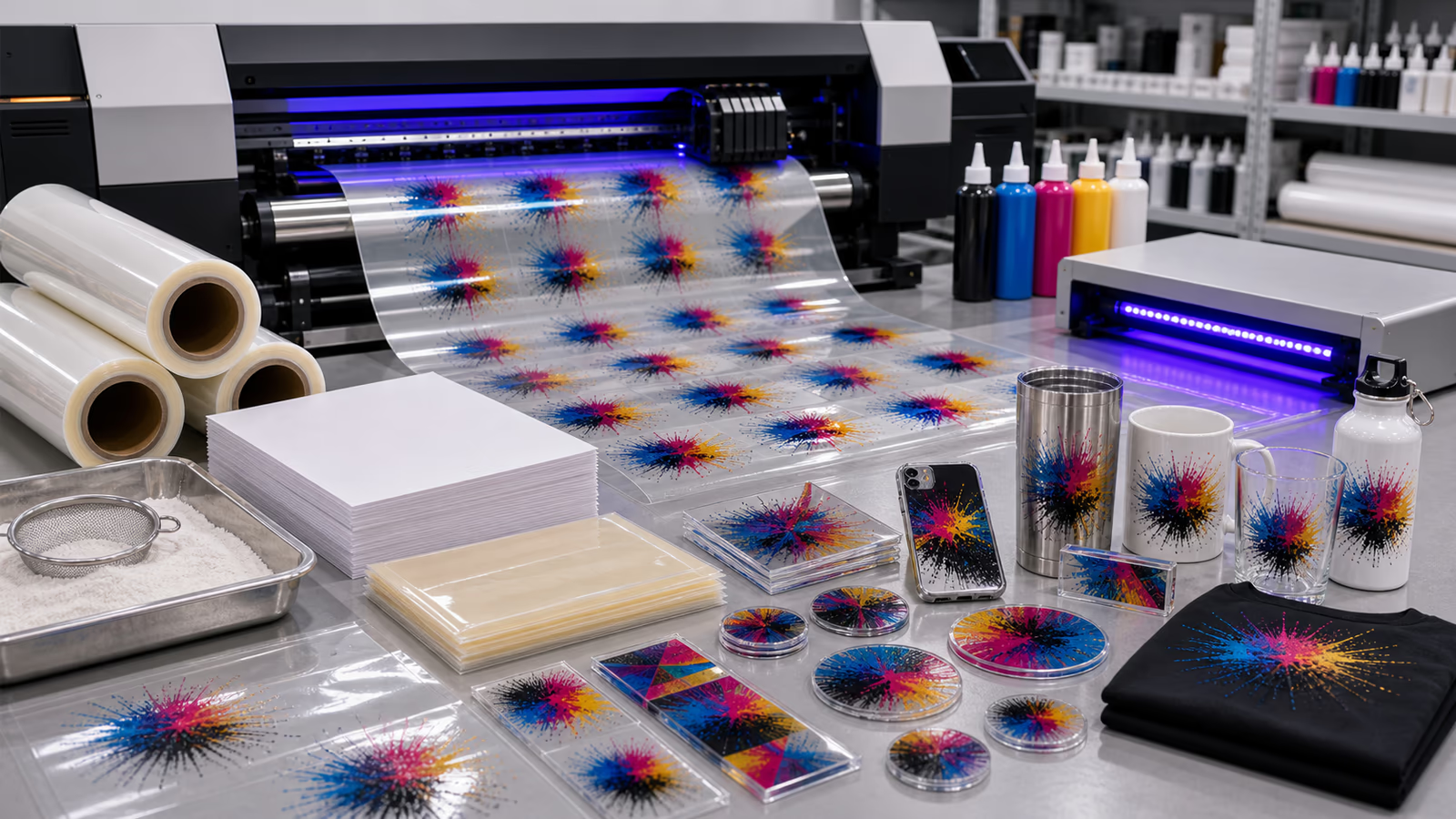
DTF transfer film sheets are indispensable in the Direct-to-Film (DTF) printing ecosystem, serving as the critical bridge between digital designs and physical substrates. As temporary carriers for inks and adhesives, these specialized sheets enable high-quality, durable custom prints on a diverse range of materials, making them a staple for businesses, hobbyists, and designers alike. This article delves into the world of DTF transfer film sheets, covering their core definition, varied types, step-by-step application, key advantages, and practical tips to help users make the most of this essential printing tool.
What Are DTF Transfer Film Sheets?
At their core, DTF transfer film sheets are thin, flexible carriers, most commonly crafted from polyethylene terephthalate (PET). PET is chosen for its excellent heat resistance and dimensional stability—two crucial properties that ensure the sheet maintains its shape during printing and heat transfer. The primary role of these sheets is to hold printed designs (in DTF ink) and hot-melt adhesive until they are securely transferred to the target substrate, such as fabric, leather, or plastic. A smooth, specially coated surface on each sheet guarantees crisp ink adhesion and easy release after heat pressing. A key advantage over traditional transfer papers is that DTF transfer film sheets require no pre-treatment of the substrate, enhancing their versatility and user-friendliness.
Key Types of DTF Transfer Film Sheets
To meet the diverse needs of different printing projects and substrates, DTF transfer film sheets are available in several specialized types. Each type is engineered to deliver optimal results for specific use cases, as outlined below:
Standard DTF Transfer Film Sheets
Ideal for general-purpose applications, standard DTF transfer film sheets work seamlessly with most fabrics (cotton, polyester, blends) and hard surfaces. They offer balanced ink absorption and adhesive compatibility, delivering consistent results for everyday custom prints like t-shirts, tote bags, and mugs. These sheets are cost-effective and suitable for both small-batch and high-volume production.
Reflective DTF Transfer Film Sheets
Equipped with a reflective coating, these specialized sheets add a light-reflective effect to prints, making them highly visible in low-light conditions. They are widely used for safety apparel (workwear, sportswear), promotional items, and signage where visibility is a priority. Reflective DTF transfer film sheets maintain the same ease of use as standard sheets but offer enhanced functional value.
Clear DTF Transfer Film Sheets
Designed for transparent or semi-transparent substrates, clear DTF transfer film sheets ensure that the design’s true colors and details are preserved without adding a visible carrier layer. They are perfect for delicate fabrics, glass, and plastic items where a seamless, natural finish is desired. These sheets are also suitable for multi-layer prints that require precise alignment.
Step-by-Step Application Process for DTF Transfer Film Sheets
The application of DTF transfer film sheets follows a simple, four-step workflow that requires minimal specialized equipment, making it accessible to both beginners and seasoned professionals. Here’s a detailed breakdown:
1. Printing: Load the DTF transfer film sheet into a DTF printer and print the desired design onto the coated surface. The printer uses DTF inks that are formulated to adhere to the film’s coating.
2. Powder Coating: Immediately after printing, apply hot-melt adhesive powder to the printed design. The powder adheres to the wet ink, covering the entire design area.
3. Curing: Place the coated sheet into a curing oven (or use a heat press) to melt the adhesive powder, fusing it with the ink. This step ensures the design is firmly bonded to the film.
4. Heat Transfer: Position the cured film sheet (design side down) onto the target substrate. Use a heat press to apply controlled temperature and pressure, allowing the ink-adhesive layer to transfer from the film to the substrate. Peel off the film sheet (hot or cold, depending on the film type) to reveal the final print.
Advantages of Using DTF Transfer Film Sheets
Compared to other transfer printing methods, DTF transfer film sheets offer a unique combination of benefits that make them a preferred choice in the customization industry. These key advantages include:
• Versatility: Compatible with a wide range of substrates, including fabrics, leather, wood, plastic, and metal, without pre-treatment.
• High-Quality Prints: Deliver vibrant colors, sharp details, and smooth gradients, even for intricate designs.
• Durability: Prints resist washing, fading, and stretching, maintaining their quality over time.
• Cost-Effectiveness: Eliminate the need for plate-making or weeding, reducing setup costs and material waste, especially for small-batch production.
• User-Friendly: Simple application process that is accessible to both beginners and professionals, requiring only a DTF printer and heat press.
Tips for Selecting and Maintaining DTF Transfer Film Sheets
To ensure consistent, high-quality results and extend the usability of DTF transfer film sheets, follow these practical selection and maintenance tips:
• Match the Sheet to the Substrate: Choose standard sheets for general use, reflective sheets for high-visibility applications, and clear sheets for transparent substrates.
• Check Compatibility: Ensure the film sheet is compatible with your DTF inks and hot-melt adhesive powder to avoid adhesion issues.
• Store Properly: Keep sheets in a cool, dry place away from direct sunlight and moisture to prevent warping or coating damage.
• Calibrate Equipment: Adjust heat press temperature and pressure according to the film manufacturer’s recommendations for optimal transfer results.
Conclusion: The Role of DTF Transfer Film Sheets in Custom Printing
DTF transfer film sheets stand as a foundational element in modern custom printing, offering unmatched versatility, quality, and efficiency. Their ability to facilitate seamless transfers onto a wide range of substrates—without pre-treatment—makes them ideal for both small-batch DIY projects and large-scale commercial production. By understanding the different types of sheets, mastering the application process, and following best practices for selection and maintenance, users can unlock the full potential of DTF printing, bringing creative designs to life with professional-grade durability and vibrancy. As the customization industry continues to grow, DTF transfer film sheets will remain a vital tool for turning creative visions into tangible, high-quality products.