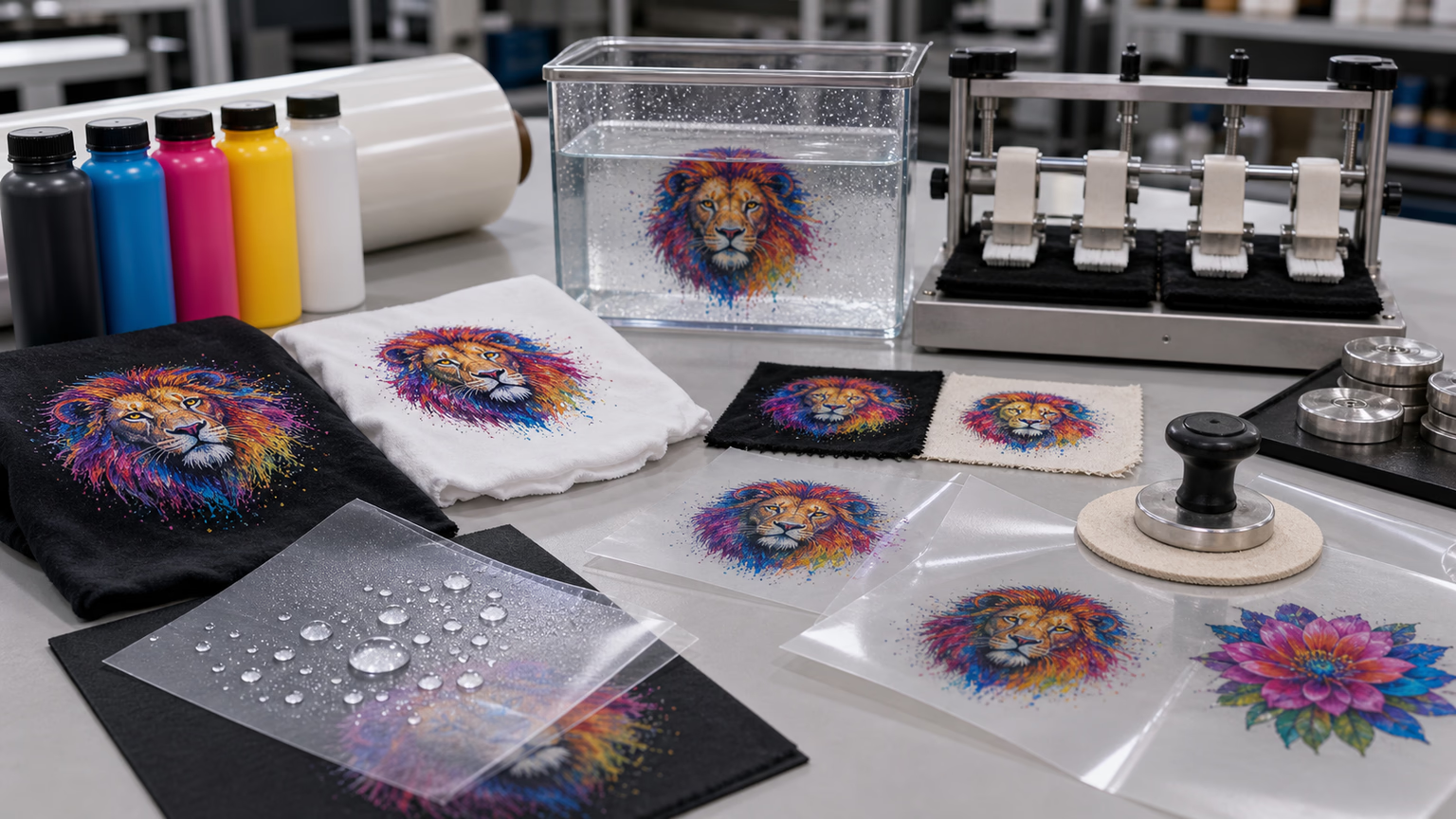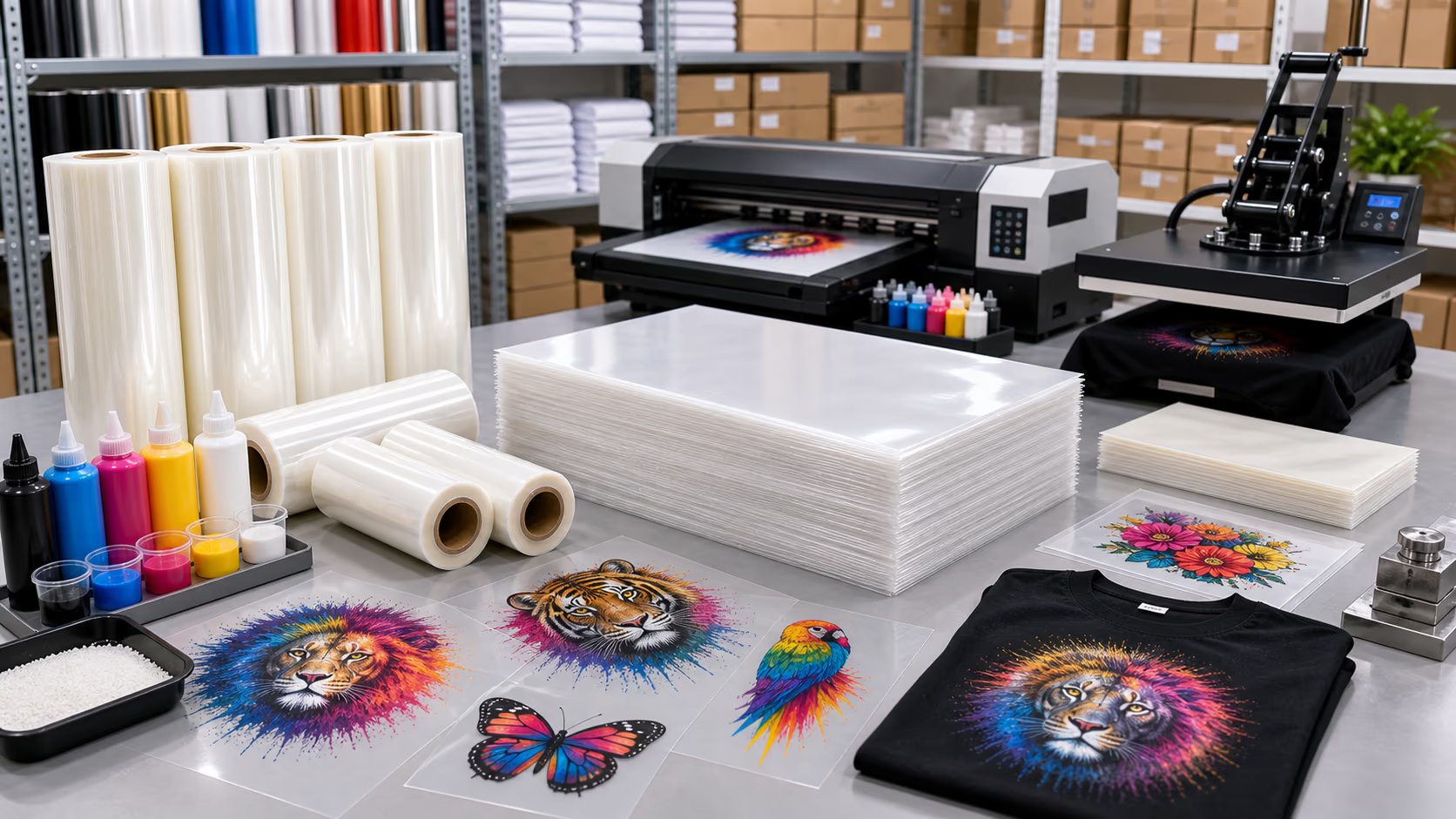
In the dynamic world of textile printing and customization, new technologies emerge constantly to meet the growing demand for versatility, quality, and cost-effectiveness. Direct to Film (DTF) transfer is one such innovation that has gained significant traction in recent years, revolutionizing how designs are applied to various substrates. From fashion apparel to promotional items, DTF transfer offers a flexible and efficient solution that bridges the gaps left by traditional printing methods like screen printing and heat transfer vinyl (HTV). This article delves into the fundamentals of DTF transfer, exploring its working mechanism, key advantages, applications, and considerations for optimal results.
Defining DTF Transfer: What Exactly Is It?
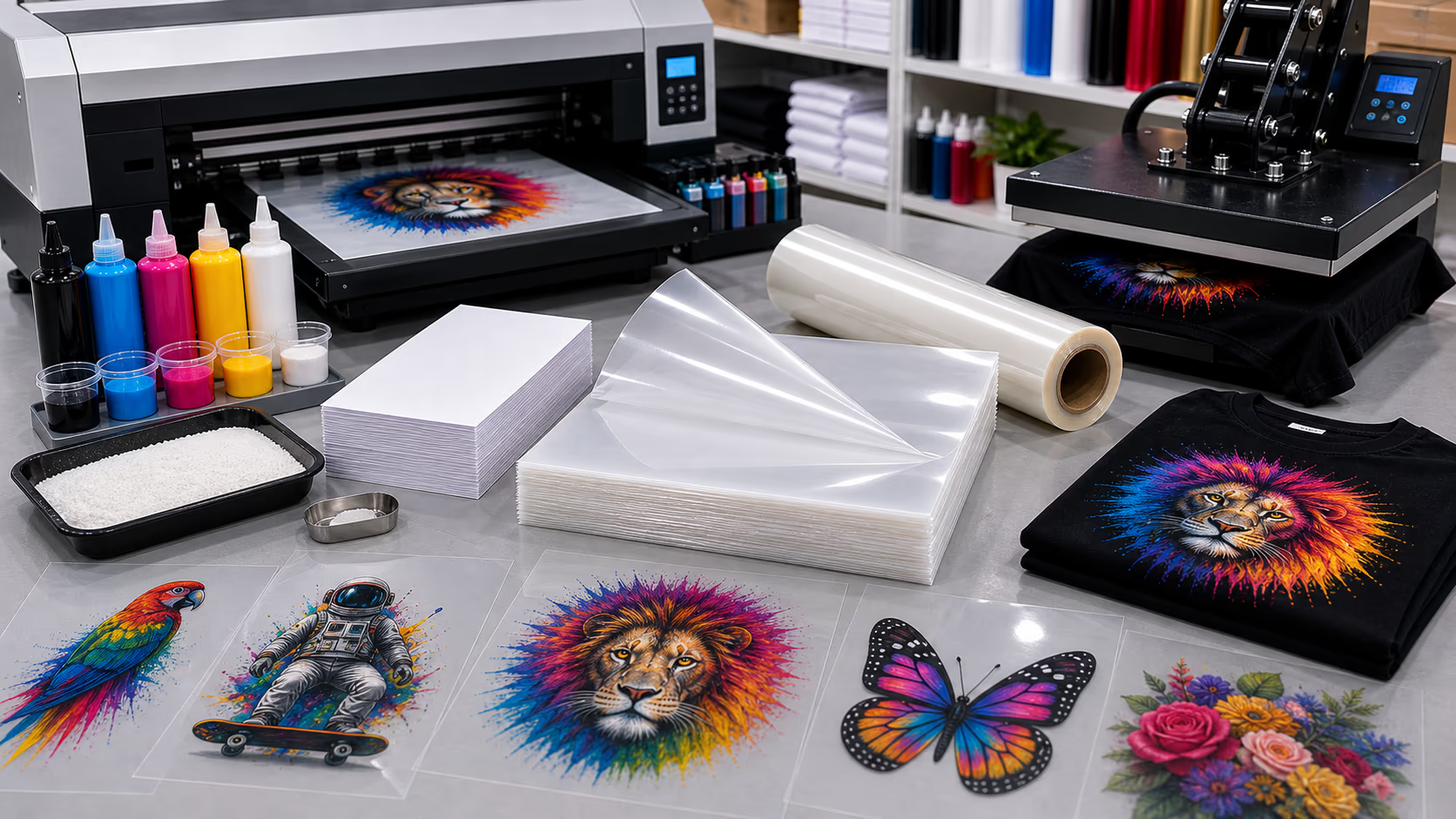
DTF, short for Direct to Film, is a digital printing technology that involves printing a design directly onto a special heat-resistant film using water-based inks, followed by applying a layer of hot-melt powder. Once the ink and powder are cured, the printed film is transferred onto a substrate (such as fabric, leather, or wood) using heat and pressure. Unlike screen printing, which requires the creation of physical stencils for each color, or direct-to-garment (DTG) printing, which prints directly onto the fabric, DTF acts as an intermediary process—using the film as a carrier for the design before it adheres to the final product.
The core distinction of DTF transfer lies in its “transfer” nature. Instead of depositing ink directly onto the substrate, the design is first rendered on a film, allowing for greater control over ink placement and adherence. This unique approach makes DTF compatible with a wide range of materials, including those that are traditionally challenging for other printing methods, such as dark-colored fabrics, synthetic blends, and even non-textile items.
How Does DTF Transfer Work? A Step-by-Step Breakdown
While DTF transfer may seem complex at first glance, its process is straightforward and can be broken down into four key steps, each critical to achieving high-quality results:
1. Design Preparation and Printing
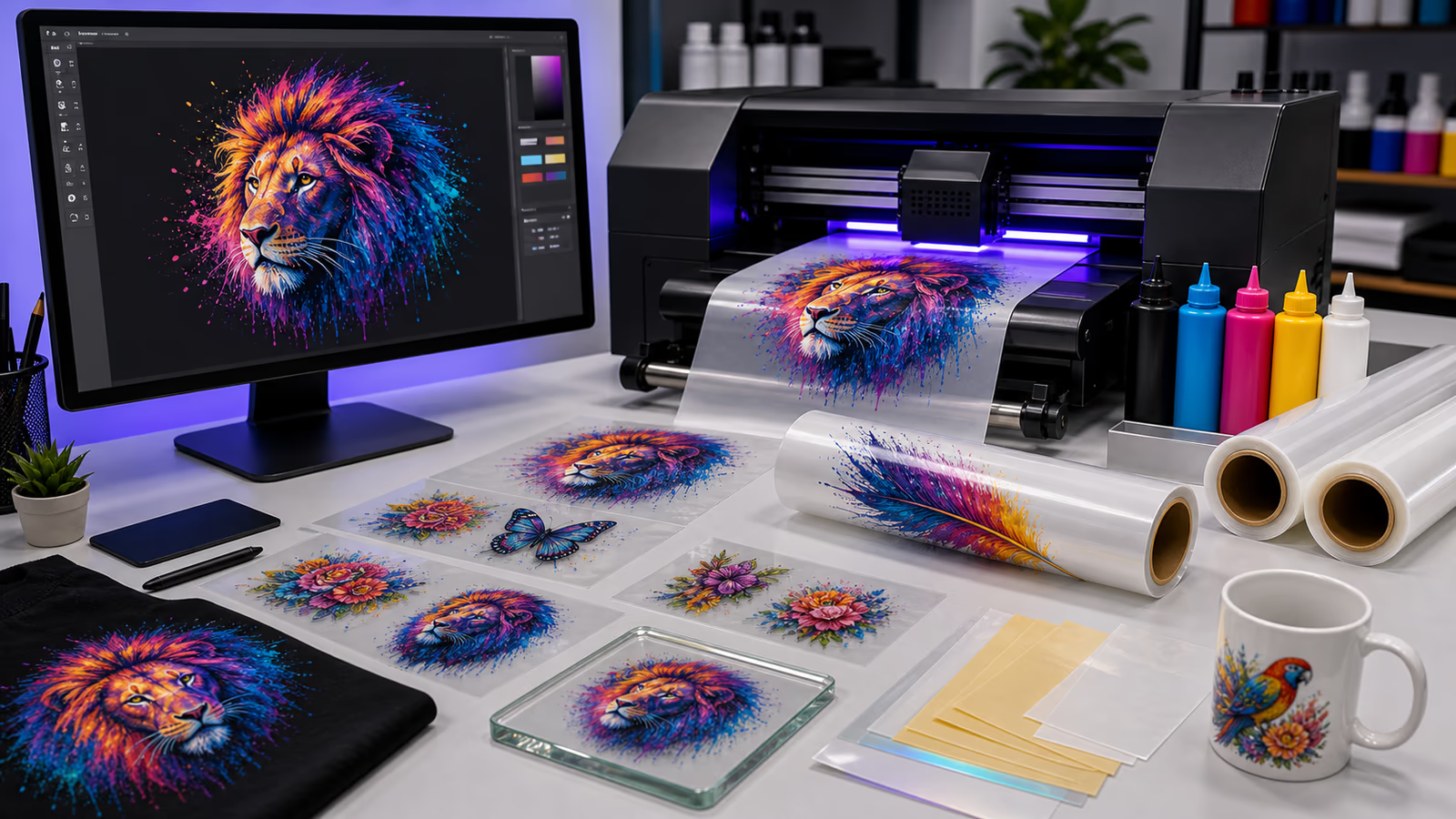
The process begins with creating or optimizing a design using graphic design software (e.g., Adobe Photoshop, Illustrator). The design is then sent to a DTF printer, which uses specialized water-based, pigmented inks to print the image onto a roll of DTF film. These inks are formulated to bond with the hot-melt powder and adhere to various substrates later in the process. Unlike some digital printing inks, DTF inks offer vibrant color reproduction and excellent opacity, even on dark materials.
2. Applying Hot-Melt Powder
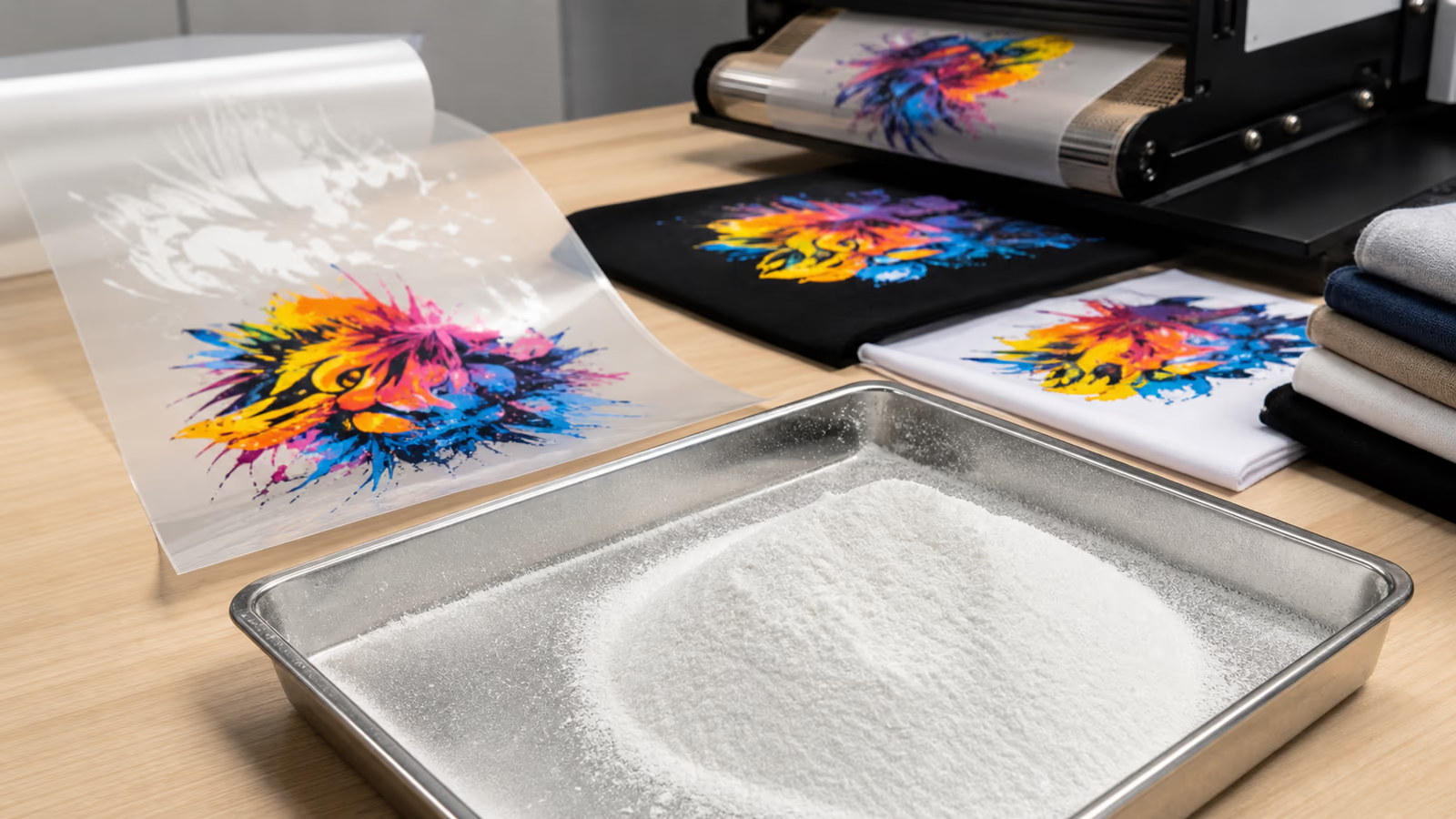
Immediately after printing, the wet ink on the DTF film is passed through a powder shaker or applicator, which evenly distributes a layer of hot-melt adhesive powder over the printed design. The powder is designed to stick only to the inked areas, thanks to the tackiness of the wet ink—this ensures minimal waste and precise application. The type of powder used (e.g., low-temperature, high-temperature) can be adjusted based on the substrate’s heat tolerance, a flexibility that adds to DTF’s versatility.
3. Curing the Ink and Powder
Once the powder is applied, the film moves through a curing oven at a controlled temperature (typically between 100°C and 130°C). During this stage, two key processes occur: the water-based ink dries completely, and the hot-melt powder melts slightly, forming a cohesive layer that bonds tightly with the ink. The cured film is now durable and ready for transfer, with the design securely embedded in the melted powder layer.
4. Heat Transfer to the Substrate
The final step involves using a heat press to transfer the cured design from the film to the target substrate. The film is placed face-down on the substrate, and the heat press applies a combination of high temperature (usually 150°C to 180°C) and pressure (around 30-50 psi) for a specific duration (10-30 seconds). The heat reactivates the hot-melt adhesive, causing it to bond firmly with the substrate. After the press cools slightly, the DTF film is peeled away, leaving the design permanently transferred to the product.
Key Advantages of DTF Transfer Over Traditional Methods
DTF transfer has become a preferred choice for many printers and crafters due to its numerous advantages that address the limitations of older technologies. Here are the most notable benefits:
1. Unmatched Material Versatility
Unlike DTG printing, which works best on 100% cotton, or HTV, which can be restrictive on stretchy fabrics, DTF works with almost any material. This includes cotton, polyester, spandex, denim, leather, canvas, wood, metal, and even plastic. It also performs exceptionally well on dark-colored fabrics, as the opaque inks and powder layer eliminate the need for a white underbase (a common requirement in DTG for dark substrates).
2. Cost-Effective for Small to Medium Runs
Screen printing requires expensive stencils and setup, making it cost-prohibitive for small orders (e.g., 1-50 pieces). DTF, by contrast, has no setup costs—designs can be printed on-demand directly from a digital file. This makes it ideal for custom orders, limited-edition merchandise, and small business operations that can’t afford large minimum order quantities.
3. Vibrant Colors and High Detail
DTF inks are formulated to produce rich, saturated colors with excellent color accuracy. The technology supports full-color printing, including gradients, photorealistic images, and fine details (such as small text or intricate patterns) that are often lost in screen printing or HTV. The powder layer also adds a slight texture that enhances the design’s durability without compromising its visual appeal.
4. Durability and Wash Resistance
When done correctly, DTF transfers are highly durable. The hot-melt adhesive bonds deeply with the substrate, ensuring the design resists fading, cracking, or peeling even after multiple washes (for textiles) or exposure to wear and tear (for hard substrates). This makes DTF suitable for items that require long-lasting prints, such as clothing, bags, and promotional products.
5. Easy Setup and Operation
Compared to complex DTG printers, which require regular maintenance (e.g., ink system flushing) and specialized training, DTF systems are relatively easy to set up and operate. Many entry-level DTF printers are compact and user-friendly, making them accessible to hobbyists and small business owners with limited printing experience.
Practical Applications of DTF Transfer
The versatility and quality of DTF transfer have opened up a wide range of applications across various industries. Some of the most common uses include:
- Fashion and Apparel: Custom t-shirts, hoodies, jackets, leggings, and accessories (e.g., hats, scarves) are among the most popular DTF applications. The technology’s ability to handle stretchy fabrics and dark colors makes it a favorite for streetwear brands and custom clothing shops.
- Promotional Products: Items like tote bags, backpacks, water bottles, and keychains can be easily customized with logos or slogans using DTF, making it a go-to choice for marketing campaigns and corporate giveaways.
- Home Decor: DTF is used to print designs on pillows, curtains, blankets, and even wooden signs, adding a personalized touch to home interiors. Its compatibility with hard substrates also makes it suitable for customizing furniture accents.
- Industrial and Functional Items: Workwear (e.g., uniforms, safety vests) and outdoor gear (e.g., tents, backpacks) benefit from DTF’s durability and weather resistance. The technology can also print functional designs like size labels or care instructions on textiles.
- Craft and Hobby Projects: Hobbyists use DTF to create custom items like scrapbook embellishments, personalized gifts, and handmade crafts. The on-demand nature of DTF allows for quick experimentation with different designs.
Important Considerations for DTF Transfer Success
While DTF transfer is relatively straightforward, certain factors can impact the quality and durability of the final print. Here are key considerations to keep in mind:
1. Choosing the Right Materials
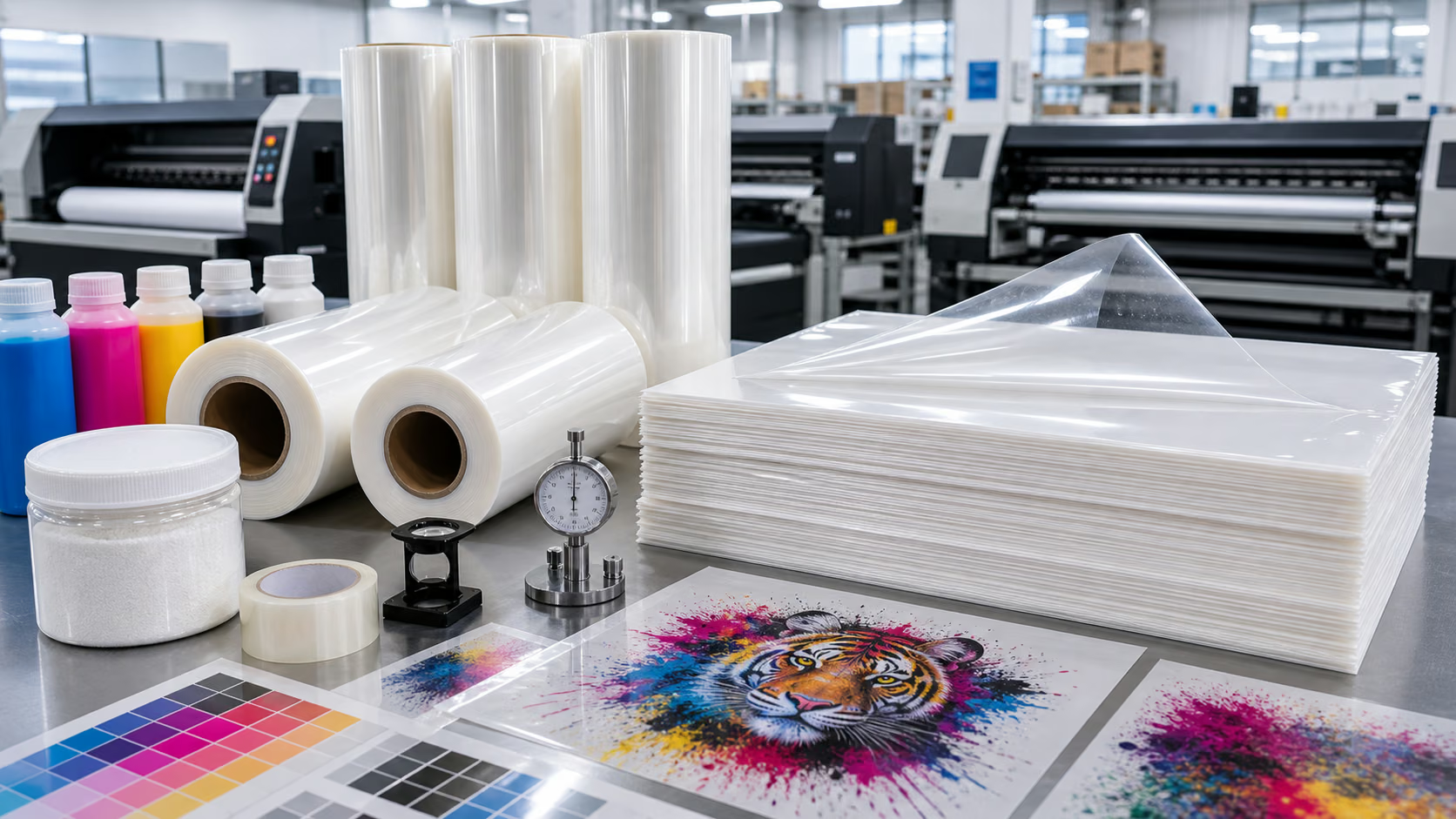
Use high-quality DTF film, inks, and hot-melt powder—cheaper alternatives may result in poor adhesion, faded colors, or cracking. Match the powder type to the substrate: for example, use low-temperature powder for heat-sensitive materials like nylon.
2. Controlling Heat and Pressure
The heat press settings (temperature, pressure, time) must be adjusted based on the substrate. Too much heat can damage delicate fabrics, while insufficient pressure may cause the design to peel. Always test settings on a scrap piece of material before printing the final product.
3. Proper Design Preparation
Optimize designs for DTF by ensuring high resolution (at least 300 DPI) and converting text to outlines to avoid font issues. For dark substrates, ensure the design has sufficient opacity—most DTF inks will provide good coverage, but adjusting the ink density in the design software can help.
4. Maintaining Equipment
Regularly clean the DTF printer’s print heads to prevent clogs, which can cause uneven ink application. Keep the powder applicator and curing oven free of debris to ensure consistent powder distribution and curing.
The Future of DTF Transfer
As demand for custom and on-demand printing continues to grow, DTF transfer is poised to become even more advanced. Manufacturers are developing faster printers, more eco-friendly inks (e.g., water-based and biodegradable options), and specialized powders for new substrates. Additionally, the integration of AI and automation into DTF systems is making the process more efficient, reducing human error and increasing production speeds.
For businesses and hobbyists alike, DTF transfer represents a powerful tool that combines quality, versatility, and affordability. Whether you’re creating custom clothing, promotional items, or home decor, DTF offers a flexible solution that adapts to your needs—proving why it’s quickly becoming a staple in the world of digital printing.