“Transfer Your Prints with Ease – Impressora DTF Transfer!” -MAXDTF- DTF Transfer sheet 8 x 11 Supplier, DTF Transfer sheet 8 x 11 Manufacturer, Made in China
In the rapidly evolving landscape of digital printing, the term “DTF transfer printer” is increasingly prevalent, yet its full meaning and significance remain unclear to many. Simply put, a DTF transfer printer (Direct-to-Film transfer printer) is a specialized digital printing device designed to print designs directly onto a heat-transfer film, which is then transferred onto various substrates like fabrics, plastics, or metals. Unlike traditional printing methods that limit creativity and application, this technology has democratized custom printing, enabling businesses and hobbyists alike to produce high-quality, vibrant designs with minimal hassle. This article delves into the definition, core components, working mechanism, and practical advantages of DTF transfer printers, demystifying their role in modern printing.
1. Defining DTF Transfer Printer: Beyond the Acronym
To grasp the essence of a DTF transfer printer, it’s essential to break down its name and distinguish it from related technologies. “DTF” stands for “Direct-to-Film,” which differentiates it from DTG (Direct-to-Garment) printers that print directly onto fabrics. The “transfer” element highlights its two-step process: first printing onto a specialized PET film, then transferring the design to the target substrate via heat press. This distinction is critical—DTF transfer printers bypass the substrate limitations of DTG, which often require pre-treated fabrics, and instead work with a wide range of materials, from cotton and polyester to leather and ceramic.
Unlike screen printing, which demands costly stencils and is inefficient for small batches, DTF transfer printers offer on-demand printing with quick setup times. They combine the precision of digital printing with the versatility of transfer technology, making them a hybrid solution that bridges gaps between different printing needs. Whether for custom apparel, promotional products, or industrial branding, a DTF transfer printer transforms digital designs into physical, durable prints with remarkable consistency.
2. Core Components: The Building Blocks of a DTF Transfer Printer
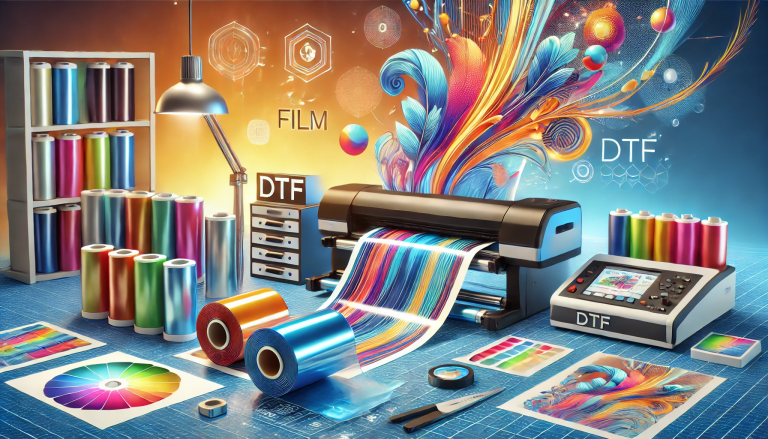
A high-performance DTF transfer printer relies on several key components that work in harmony to ensure quality and efficiency. The print head is the most critical part—typically using piezoelectric technology, it deposits tiny droplets of water-based or solvent-based DTF inks onto the film with exceptional precision. This enables sharp details and vibrant color gradients, even for intricate designs.
The ink system is another vital component, consisting of CMYK inks plus white ink (essential for printing on dark substrates). White ink circulation systems prevent clogs, ensuring smooth flow during long print runs. Many modern DTF printers also include a powder shaking and curing unit: after printing, a layer of hot-melt adhesive powder is applied to the film, then cured with heat to bond the ink and powder, creating a transferable layer.
The film feeding mechanism, equipped with anti-slip rollers, ensures the PET film moves evenly through the printer, avoiding misalignment that could ruin prints. Finally, a control panel or connected software allows users to adjust settings like ink density, print speed, and powder application, tailoring the process to different designs and substrates.
3. How It Works: The Step-by-Step Process of DTF Transfer Printing
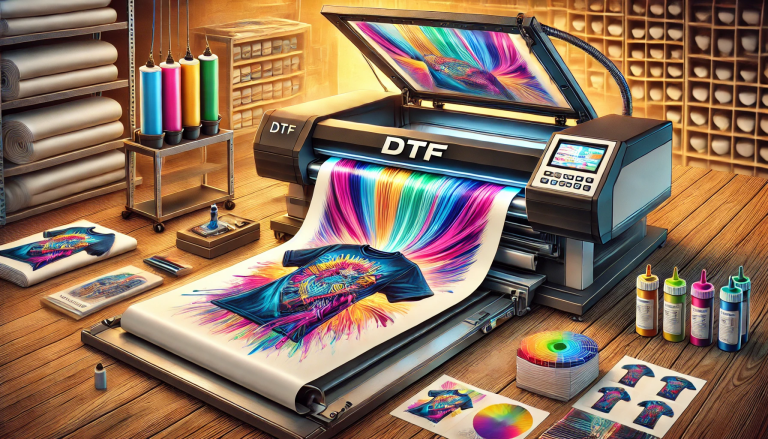
The operation of a DTF transfer printer is straightforward, making it accessible to both beginners and professionals. The first step is preparing the digital design using graphic software (e.g., Adobe Photoshop or CorelDRAW), ensuring it is sized correctly for the target substrate. The design is then sent to the printer, which processes it and begins printing onto the DTF film—starting with a white ink layer if the substrate is dark, followed by the CMYK color layers.
After printing, the film moves to the powder unit, where a fine layer of hot-melt adhesive powder is evenly sprinkled over the wet ink. Excess powder is recycled, reducing waste. The film then passes through a curing tunnel, where low heat (around 100-120°C) dries the ink and melts the powder slightly, creating a cohesive, transferable design layer.
The final step is transfer: the printed film is placed onto the substrate, and a heat press applies high temperature (160-180°C) and pressure (40-60 psi) for 10-20 seconds. This activates the adhesive, bonding the design to the substrate. Depending on the film type (hot or cold peel), the film is removed either immediately after pressing or once cooled, leaving a durable, vibrant print.
4. Key Advantages: Why DTF Transfer Printers Are Gaining Popularity
DTF transfer printers have become a favorite in the printing industry due to their unique blend of versatility, quality, and cost-effectiveness. Their most significant advantage is substrate flexibility—they work with almost any material, including heat-tolerant fabrics, hard surfaces like mugs and phone cases, and even delicate items like silk scarves. This eliminates the need for multiple printers, reducing equipment costs.
Quality is another standout feature. The piezoelectric print heads deliver high-resolution prints (up to 1200 DPI) with vivid colors and sharp details, rivaling screen printing. The adhesive powder ensures strong adhesion, making prints resistant to washing, fading, and scratching—ideal for apparel and everyday items.
Cost-effectiveness is crucial for small businesses and hobbyists. DTF transfer printers require minimal setup, no stencils, and low material waste, making them efficient for small-batch orders or one-off customizations. They also have lower maintenance costs compared to DTG printers, as they avoid fabric pre-treatment and ink clogs associated with direct fabric printing.
Finally, user-friendliness makes DTF transfer printers accessible. Most models come with intuitive software, and the two-step process is easy to master with minimal training. This allows businesses to quickly adapt to customer demands, offering fast turnaround times that enhance customer satisfaction.
In conclusion, a DTF transfer printer is a versatile, high-quality printing solution that simplifies custom printing across diverse substrates. Its core components ensure precision and efficiency, its step-by-step process is user-friendly, and its advantages make it a valuable asset for businesses of all sizes. As digital printing demands continue to grow, DTF transfer printers are poised to remain at the forefront, empowering creativity and driving innovation in the industry.