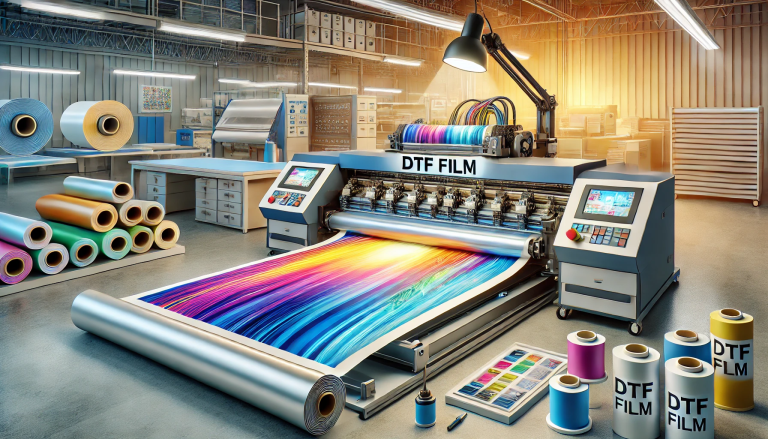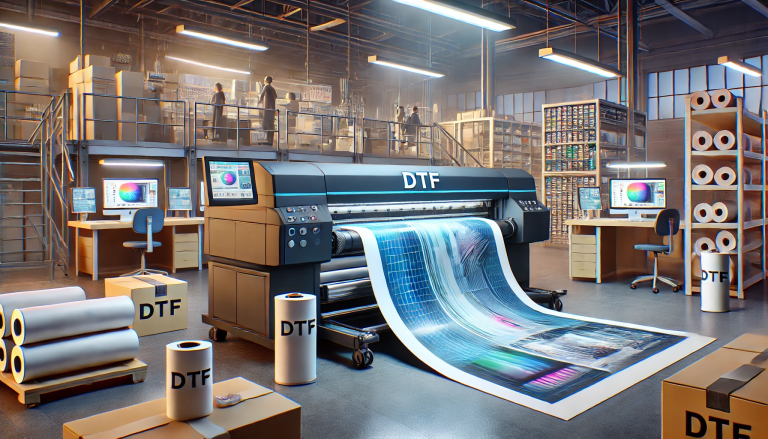
“DTF PET Film: The Clear Choice for Durable Protection!” -MAXDTF- DTF Transfer Film Manufacturer, DTF cold peel Film Factory, Made in china
In the realm of modern textile printing, acronyms and technical terms often feel like a barrier to entry—especially for those new to the field. Among these, “DTF PET Film” stands out as a foundational component of one of the most revolutionary printing technologies today. But what exactly does this term mean? Breaking down its components, understanding its role in the printing process, and recognizing its unique advantages is essential for anyone involved in garment decoration, from small business owners to hobbyists. This article demystifies DTF PET Film, covering its definition, composition, functionality, and why it has become indispensable in digital textile printing.
Decoding the Acronym: DTF PET Film Explained
To grasp the meaning of DTF PET Film, we first break down the acronym into its core parts—each representing a key aspect of the material’s identity and purpose:
1. DTF: Direct-to-Film
DTF, or Direct-to-Film, refers to a digital printing technology that eliminates the need for traditional screen setup or garment pretreatment (a requirement for technologies like DTG, Direct-to-Garment). Unlike methods that print directly onto fabric, DTF printing first transfers designs onto a specialized film, which is then pressed onto the garment using heat. This approach unlocks unparalleled versatility, allowing printing on a wide range of materials—from cotton and polyester to spandex, leather, and even wood or metal.
2. PET: Polyethylene Terephthalate
PET, short for Polyethylene Terephthalate, is a synthetic polymer widely recognized for its durability, clarity, and heat resistance. You encounter PET daily in items like plastic water bottles, food containers, and polyester fabrics—but in DTF printing, it serves as the critical base material for the film. PET’s inherent properties, such as its smooth surface, dimensional stability (it resists stretching or warping under heat), and chemical compatibility with printing inks, make it the ideal substrate for DTF applications.
3. Film: The Functional Medium
The “Film” component highlights the material’s physical form—a thin, flexible sheet designed to act as a temporary carrier for ink during the printing and transfer process. Unlike rigid PET products, DTF PET Film is engineered to be lightweight yet robust enough to hold ink particles securely while remaining pliable for easy application to curved or textured surfaces.
Put simply, DTF PET Film is a heat-stable, PET-based sheet that serves as the intermediate carrier in the Direct-to-Film printing process, facilitating the transfer of digital designs from printer to garment with precision and durability.
The Core Composition of DTF PET Film
DTF PET Film is more than just a plain PET sheet—it is a engineered multi-layer material, each layer tailored to support a specific step in the printing and transfer workflow. While formulations may vary slightly between manufacturers, the typical structure includes three key layers:
- PET Base Layer: The foundation of the film, this layer provides structural integrity, heat resistance, and dimensional stability. It ensures the film does not shrink, curl, or melt during the printing (which involves mild heat for ink curing) or heat-pressing (which uses temperatures between 150–180°C) stages. The thickness of this layer typically ranges from 100–150 microns, balancing flexibility with sturdiness.
- Adhesive Coating: A thin, heat-activated adhesive layer applied to one side of the PET base. This layer is dormant during printing but activates under heat and pressure, bonding the ink design permanently to the garment. High-quality DTF PET Films use adhesives that form a flexible bond—critical for avoiding cracking or peeling when the garment is stretched or washed.
- Ink-Receptive Layer: The top layer, designed to absorb and hold DTF inks (typically water-based or solvent-based pigment inks) with precision. It features a micro-porous or smooth surface that prevents ink bleeding, ensures sharp detail, and allows for vibrant color deposition. This layer also facilitates easy release of the ink from the PET base onto the garment during heat pressing— a process known as “decal transfer.”
How DTF PET Film Works in the Printing Process
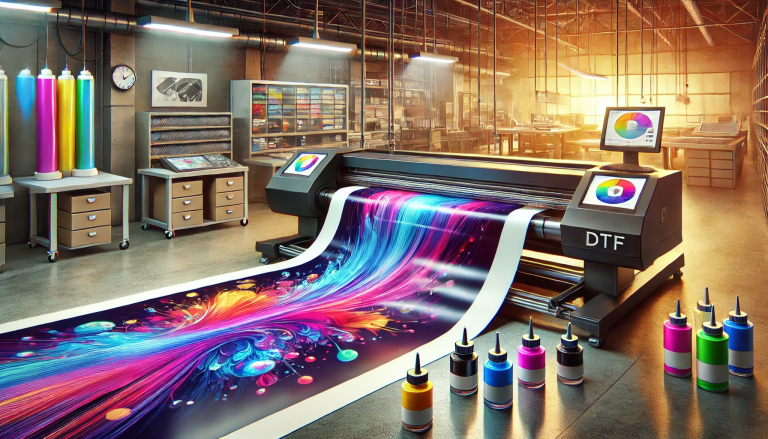
DTF PET Film’s role is best understood by following its journey through the complete DTF printing workflow. Unlike complex traditional methods, the process is streamlined, relying on the film to bridge the gap between digital design and physical garment:
- Design Preparation: A digital design is created or modified using graphic software (e.g., Adobe Photoshop, CorelDRAW) and sent to a DTF printer. The design is often mirrored to ensure correct orientation when transferred to the garment.
- Printing onto DTF PET Film: The DTF printer deposits layers of ink onto the ink-receptive surface of the PET film. For printing on dark garments, a white ink layer is first applied as a base, followed by the colored design—ensuring colors remain vibrant against dark fabrics. Some printers also apply a clear overcoat to protect the design during transfer.
- Drying/Curing: The printed film passes through a dryer or curing unit, which dries the ink and sets it into the receptive layer. This step ensures the ink adheres to the film temporarily without smudging.
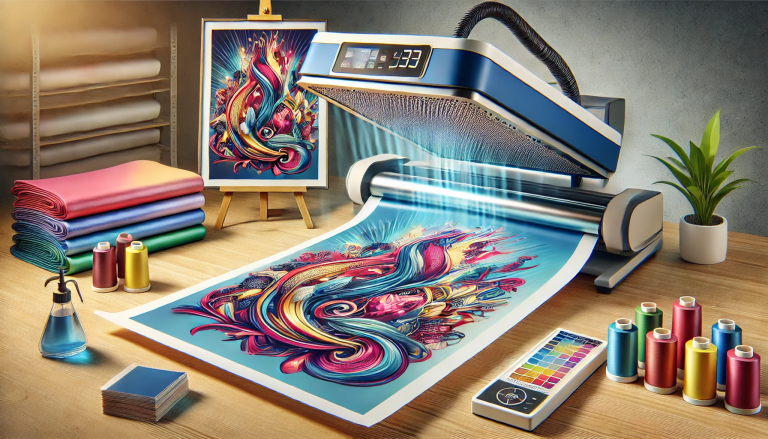
- Heat Press Transfer: The printed film is placed ink-side down onto the garment. A heat press applies consistent pressure (typically 3–5 kg/cm²) and temperature (150–180°C) for 10–20 seconds, activating the adhesive layer. This causes the ink design to release from the PET base and bond permanently to the fabric.
- Peeling the PET Film: After cooling slightly, the PET film is peeled away—leaving the design embedded in the garment. The result is a high-quality, durable print that resists fading, washing, and stretching.
Key Properties of DTF PET Film That Make It Indispensable
DTF PET Film’s popularity stems from a unique combination of properties that address the limitations of older printing technologies. These characteristics make it suitable for both small-batch customization and large-scale production:
1. Exceptional Versatility
Unlike DTG printing, which works best on 100% cotton, DTF PET Film enables printing on virtually any fabric type—including blends, synthetic materials (like polyester and nylon), and even non-textile surfaces (e.g., hats, backpacks, or phone cases). This versatility eliminates the need for multiple printing setups, reducing costs and expanding business opportunities.
2. Heat and Chemical Resistance
The PET base layer’s inherent heat resistance ensures the film remains stable during both printing and heat pressing, preventing distortion that would ruin the design. Additionally, the ink-receptive coating is compatible with most DTF inks, avoiding chemical reactions that cause smudging or color degradation.
3. High Print Precision
The smooth, uniform surface of DTF PET Film allows for sharp, detailed prints—even for intricate designs with fine lines, gradients, or small text. This is a significant advantage over screen printing, which often struggles with complex patterns, and DTG, which can produce fuzzy details on textured fabrics.
4. Durability and Longevity
When paired with high-quality inks, DTF PET Film produces prints that withstand repeated washes (up to 50+ wash cycles) without fading, peeling, or cracking. The heat-activated adhesive forms a strong bond with the fabric, ensuring the design remains intact even with regular wear and tear.
5. Cost-Effectiveness
DTF PET Film eliminates the need for expensive pretreatment chemicals (required for DTG) or custom screen setups (required for screen printing). This makes it an affordable option for small businesses and hobbyists, as it reduces upfront costs and minimizes waste from misprints.
Common Applications of DTF PET Film
The versatility of DTF PET Film has made it a go-to choice for a wide range of industries and use cases. Some of the most common applications include:
- Garment Customization: T-shirts, hoodies, sweatpants, and activewear—especially for limited-edition drops or personalized orders.
- Accessories: Hats, socks, bags, and scarves, where traditional printing methods struggle with curved or textured surfaces.
- Workwear and Uniforms: Durable prints for company logos or safety insignias on jackets, aprons, and industrial uniforms.
- Promotional Products: Branded items like tote bags, mousepads, and phone cases, offering a cost-effective way to expand brand reach.
- Craft and Hobby Projects: Custom designs for fabric-based crafts, such as quilts, pillows, or DIY clothing modifications.
Choosing the Right DTF PET Film: Key Considerations
Not all DTF PET Films are created equal—quality varies significantly between manufacturers, and choosing the right one is critical for achieving professional results. When selecting DTF PET Film, keep the following factors in mind:
- Thickness: Thicker films (130–150 microns) offer more stability for large designs, while thinner films (100–120 microns) are better for curved or tight-fitting garments.
- Adhesive Strength: High-tack adhesives are ideal for textured fabrics (denim, fleece), while standard adhesives work well for smooth materials (cotton, polyester).
- Ink Compatibility: Ensure the film is compatible with your DTF inks (water-based vs. solvent-based) to avoid adhesion issues or color distortion.
- Peel Type: Some films require “hot peeling” (removing immediately after pressing), while others use “cold peeling” (waiting for cooling). Choose based on your workflow and fabric type.
Conclusion
DTF PET Film is far more than just a “piece of plastic”—it is the backbone of the DTF printing revolution, enabling versatile, high-quality, and cost-effective garment decoration. By understanding its definition (a PET-based carrier film for Direct-to-Film printing), its multi-layer composition, and its role in the printing process, you can leverage this material to expand your creative capabilities and meet the demands of modern consumers. Whether you are a seasoned printer or just starting, investing in high-quality DTF PET Film is the first step toward achieving professional, durable prints that stand out in a crowded market.