UV DTF (Ultraviolet Direct-to-Film) printing technology has rapidly gained traction in the custom printing industry, thanks to its versatility and high-quality output. A common question among businesses and hobbyists is whether UV DTF printers can be used to make stickers. The short answer is yes—but understanding how, and the unique advantages this technology offers, requires a deeper dive into its mechanics and applications. Below, we explore the potential of UV DTF printers for sticker production, breaking down key aspects to highlight their suitability for this popular printing need.
1. Understanding UV DTF Technology: The Basics
To grasp why UV DTF printers excel at sticker making, it’s first essential to understand how the technology works. Unlike traditional DTF printing, which uses water-based inks cured with heat, UV DTF printers employ UV-curable inks that harden instantly when exposed to ultraviolet light. The process involves printing the design onto a specialized PET film, followed by a layer of UV-curable adhesive. The UV light cures both the ink and adhesive simultaneously, creating a durable, flexible transfer layer that can be applied to various surfaces—including the materials used for stickers.
This core mechanism is what makes UV DTF printers compatible with sticker production. The cured ink-adhesive layer forms a self-contained design that can be easily transferred to sticker substrates (such as vinyl, paper, or polyester) with heat and pressure, resulting in a professional, long-lasting sticker.
2. Why UV DTF Printers Are Ideal for Sticker Making
UV DTF printers offer several distinct advantages over traditional sticker printing methods (e.g., screen printing, vinyl cutting) that make them a compelling choice.
First, vibrant, high-resolution output is a hallmark of UV DTF printing. The UV-curable inks produce bright, saturated colors that resist fading, even when exposed to sunlight or harsh environmental conditions—critical for stickers that may be used outdoors. Additionally, UV DTF printers can handle intricate designs, gradients, and photo-realistic images with precision, something that is challenging or costly with screen printing.
Second, versatility in substrates sets UV DTF apart. Sticker makers work with a wide range of materials, from glossy vinyl to matte paper and even textured surfaces. UV DTF’s adhesive layer bonds effectively to most of these substrates, eliminating the need for specialized inks or pre-treatment for each material. This flexibility allows for the creation of diverse sticker types, from decorative laptop stickers to durable outdoor decals.
Third, efficiency and cost-effectiveness make UV DTF suitable for both small-batch and large-scale sticker production. The instant UV curing process eliminates drying time, speeding up production. For small runs or custom orders, UV DTF avoids the setup costs associated with screen printing, while large batches benefit from consistent, fast output. Additionally, the minimal material waste (since designs are printed directly onto the transfer film) reduces overall production costs.
3. The Process of Making Stickers with a UV DTF Printer
Creating stickers with a UV DTF printer involves a straightforward, four-step process that is accessible even to those new to the technology:
1. Design Preparation: Create or upload the desired sticker design using graphic design software (e.g., Adobe Photoshop, CorelDRAW). Ensure the design is sized correctly for the intended sticker and optimized for high-resolution printing.
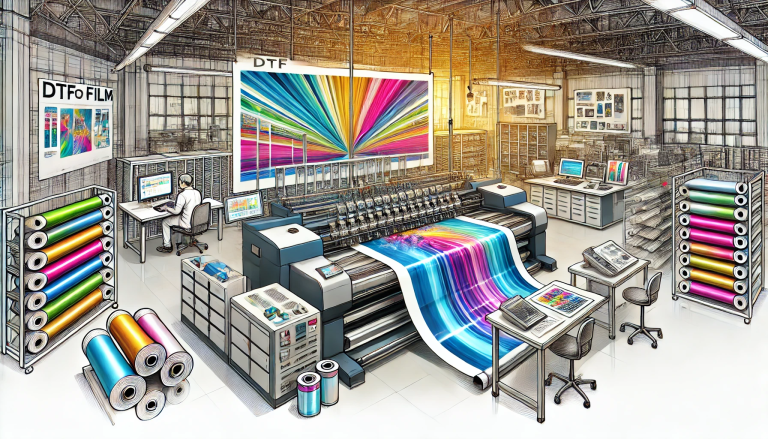
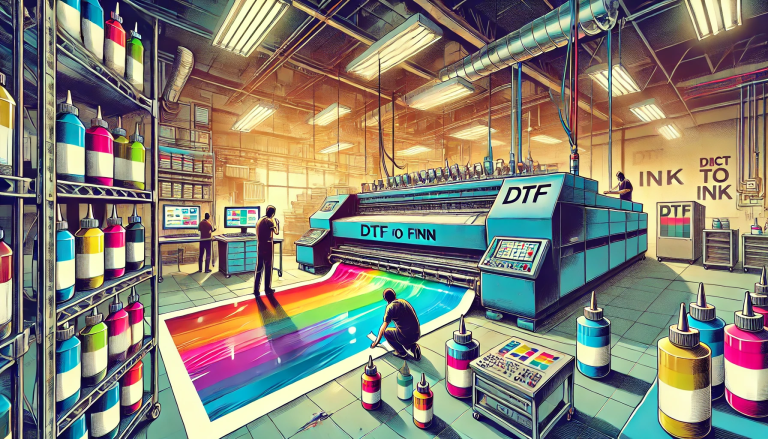
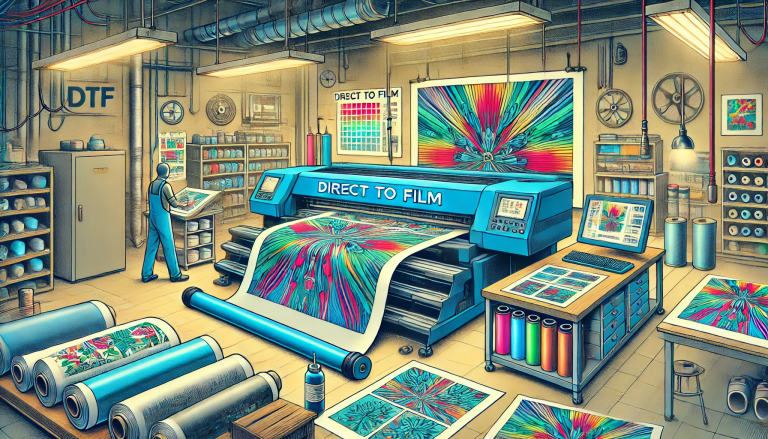
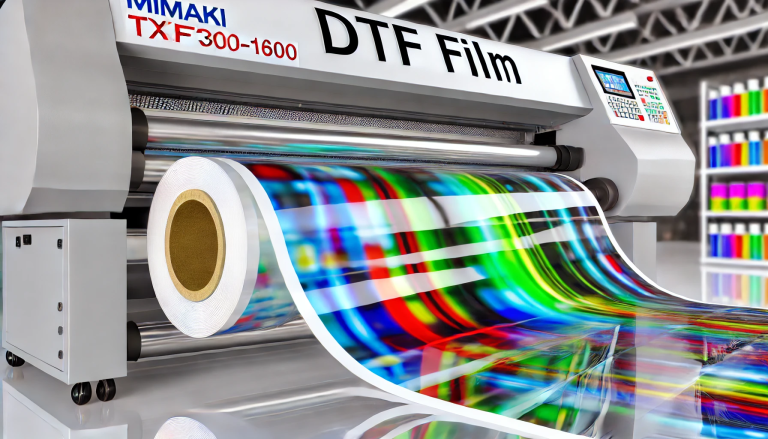
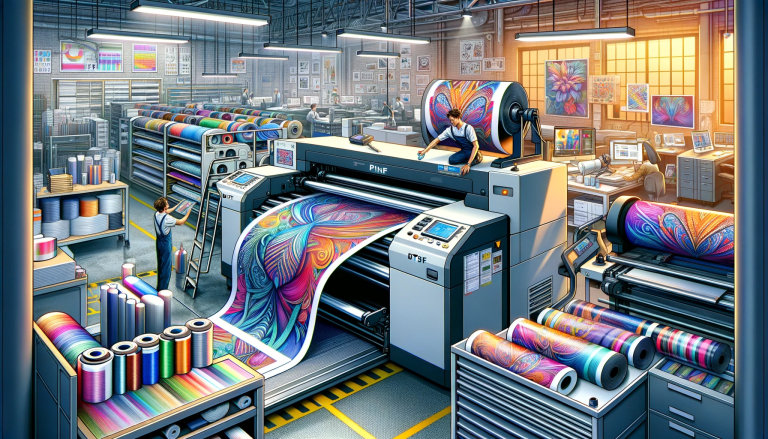
2. Printing on PET Film: Load the UV DTF printer with PET transfer film. The printer first prints the design using UV-curable inks, then applies a layer of UV-curable adhesive over the design. As the film exits the printer, UV lights cure both the ink and adhesive, creating a solid, flexible transfer layer.
3. Transfer to Sticker Substrate: Cut the cured transfer film to the size of the design. Place the film (design side down) onto the chosen sticker substrate (e.g., vinyl, paper) and apply heat and pressure using a heat press. The adhesive layer bonds the design to the substrate, forming the final sticker.
4. Finishing (Optional): For added durability, especially for outdoor stickers, apply a clear laminate layer over the transferred design. This step protects against scratches, water, and UV damage, extending the sticker’s lifespan.
4. Limitations and Considerations for UV DTF Sticker Production
While UV DTF printers are highly capable of making stickers, there are a few limitations to keep in mind. First, the initial investment in a UV DTF printer is higher than that of basic vinyl cutters, which may be a barrier for small hobbyists or startups. However, the long-term cost savings and versatility often justify the investment for businesses focused on custom or high-quality stickers.
Second, UV DTF stickers rely on the adhesive layer for bonding, so the choice of substrate still matters. Extremely porous or low-surface-energy materials (e.g., some plastics) may require a primer to ensure strong adhesion. Additionally, while UV-curable inks are durable, very thin or delicate sticker designs may be prone to tearing if not handled carefully during the transfer process.
Conclusion
UV DTF printers are not only capable of making stickers—they excel at it. Their ability to produce vibrant, high-resolution designs on a wide range of substrates, combined with efficient production and cost-effectiveness, makes them a valuable tool for sticker makers of all scales. Whether creating custom stickers for personal use, small-batch orders for a business, or large-scale promotional decals, UV DTF technology unlocks new possibilities for creativity and quality. As the technology continues to evolve, it’s likely to become an even more dominant force in the sticker printing industry, offering an accessible, versatile alternative to traditional methods.