The textile printing industry has undergone a significant transformation in recent years, driven by advancements in technology and innovation. Among the most groundbreaking developments is the introduction of Direct to Film (DTF) cold peel printing. This process represents a paradigm shift in how designs are transferred onto fabrics, offering unparalleled flexibility, ease of use, and creative potential. In this article, we will explore how DTF cold peel is revolutionizing textile printing, unlocking new levels of creativity, and redefining the industry’s boundaries.
1. Understanding DTF Cold Peel: A New Frontier in Textile Printing
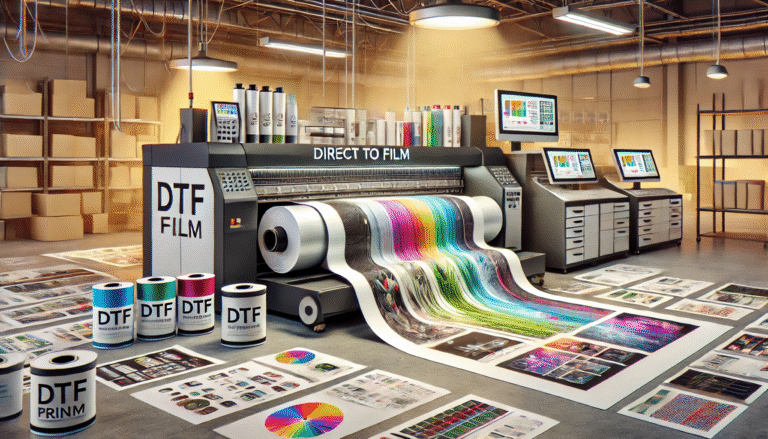
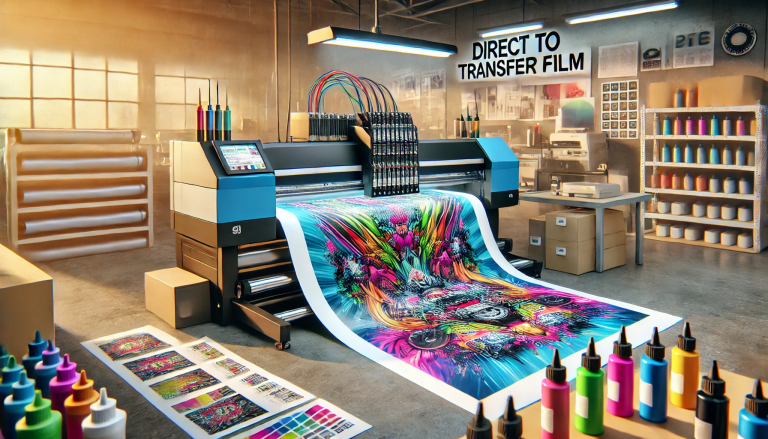
DTF cold peel printing is a modern approach to transferring designs onto textiles, distinguished by its simplicity and versatility. Unlike traditional methods, which often require heat and intricate setups, DTF cold peel relies on a straightforward process involving inkjet printing and adhesive powders. The technique involves printing designs onto a special transfer film using an inkjet printer, applying a layer of adhesive powder, and then transferring the design onto the fabric using pressure. The “cold peel” aspect refers to the ability to remove the transfer film at room temperature, eliminating the need for heat presses or other specialized equipment.
This method is particularly revolutionary because it simplifies the printing process while maintaining high-quality output. It is particularly advantageous for small businesses and individual creators who may not have access to expensive machinery or extensive technical expertise. The ease of use, combined with the ability to print on a wide range of fabrics, has made DTF cold peel a favorite among textile designers, fashion brands, and custom apparel makers.
2. Flexibility: The Key to Unlocking Creativity
One of the most compelling aspects of DTF cold peel printing is its unmatched flexibility. This method allows for the creation of intricate, full-color designs with precise details, making it ideal for a wide range of applications. Whether you’re designing custom t-shirts, promotional materials, or intricate fashion pieces, DTF cold peel offers the versatility needed to bring your vision to life.
The ability to print on various fabric types, including cotton, polyester, and blends, further enhances its creative potential. Unlike traditional screen printing, which often requires separate screens for each color, DTF cold peel enables the seamless integration of multiple colors and complex patterns in a single print. This makes it an excellent choice for high-fashion designs, where color consistency and detail are paramount.
Moreover, DTF cold peel allows for short-run printing, enabling designers to experiment with new styles and products without the hefty setup costs associated with traditional methods. This flexibility fosters innovation and encourages creative experimentation, pushing the boundaries of what’s possible in textile design.
3. Durability and Longevity: Quality That Lasts
In addition to its creative advantages, DTF cold peel printing is celebrated for its durability and longevity. The adhesive powder used in the process bonds the ink to the fabric, creating a robust and wash-resistant print that retains its vibrancy over time. This is particularly important for apparel and home textiles, where repeated washing and wear can lead to fading or peeling of traditional prints.
The durability of DTF cold peel prints makes it an ideal choice for industries that require long-lasting quality, such as sportswear, uniforms, and promotional items. Brands can trust that their designs will remain intact and vibrant, even after numerous washes and extended use. This reliability not only enhances the overall quality of the product but also contributes to a positive customer experience, reinforcing brand loyalty and satisfaction.
Furthermore, the eco-friendly nature of DTF cold peel printing, with its use of water-based inks and reduced waste, aligns with the growing demand for sustainable practices in the textile industry. By offering a high-quality, environmentally responsible printing method, DTF cold peel empowers brands to meet both the needs of their customers and the demands of a socially conscious market.
4. Ease of Use: Empowering Creators of All Levels
One of the most significant advantages of DTF cold peel printing is its ease of use. The process is user-friendly, requiring minimal technical expertise or special equipment. This accessibility makes it an attractive option for small businesses, hobbyists, and independent designers who may not have the resources to invest in complex printing setups.
The straightforward workflow of DTF cold peel printing allows creators to focus on their designs rather than the technicalities of the process. This simplicity not only saves time and effort but also reduces the learning curve, enabling more people to participate in the world of textile printing. As a result, DTF cold peel has democratized the printing industry, making high-quality, custom designs accessible to a broader audience.
Moreover, the compact and portable nature of DTF cold peel equipment means that creators can work from virtually anywhere. Whether you’re running a home-based business, attending craft fairs, or collaborating with other designers, the flexibility of DTF cold peel printing ensures that you can bring your designs to life on the go.
5. The Future of Textile Printing: DTF Cold Peel as a Game-Changer
As we look to the future, it’s clear that DTF cold peel printing is poised to play a central role in the evolution of textile design. The combination of flexibility, durability, ease of use, and creative potential makes it a game-changer for both established brands and emerging creators. This innovative method not only enhances the quality and longevity of printed textiles but also empowers designers to push the boundaries of their creativity.
The growing adoption of DTF cold peel technology is indicative of its transformative impact on the industry. As more designers and businesses recognize its advantages, we can expect to see a surge in the use of DTF cold peel for a wide range of applications, from fashion and sportswear to home decor and promotional items.
In conclusion, DTF cold peel printing represents a monumental shift in the textile printing industry, unlocking new levels of creativity and potential. By offering a flexible, durable, and user-friendly method of transferring designs onto fabrics, DTF cold peel is empowering creators to bring their visions to life with ease and precision. As this technology continues to evolve, it will undoubtedly play a pivotal role in shaping the future of textile design, driving innovation and inspiring countless creative possibilities.