“Understanding the Difference Between UV and UV DTF: Exploring Printing Technologies” -MAXDTF- Direct Transfer UV DTF Paper Factory, Transfer DTF UV Decal Wholesale, Made in China
In the realm of modern printing, UV (Ultraviolet) curing technology has revolutionized how we produce high-quality, durable prints across various substrates. Within this landscape, two innovations stand out: traditional UV printing and UV DTF (Direct-to-Film) printing. While both leverage UV light for ink curing, their operational mechanisms, substrate compatibility, and practical applications diverge significantly. For businesses, designers, and print service providers, distinguishing between these two technologies is key to optimizing print quality, cost-efficiency, and project suitability. This article dissects the core differences between UV and UV DTF printing, covering technology, versatility, performance, and use cases.
1. Core Definition: What Are UV and UV DTF Printing?
Before delving into differences, it is essential to establish the foundational identity of each technology, as their names often lead to confusion due to the shared “UV” component.
Traditional UV Printing – UV printing is a digital printing method that uses UV-curable inks, which dry (cure) instantly when exposed to ultraviolet light. The process involves printing inks directly onto a substrate (e.g., paper, plastic, metal, wood) via a UV printer. The UV light source integrated into the printer triggers a chemical reaction in the inks, converting them from liquid to solid in milliseconds. This direct-to-substrate approach eliminates the need for transfer media, with the cured ink forming a permanent bond with the material’s surface.
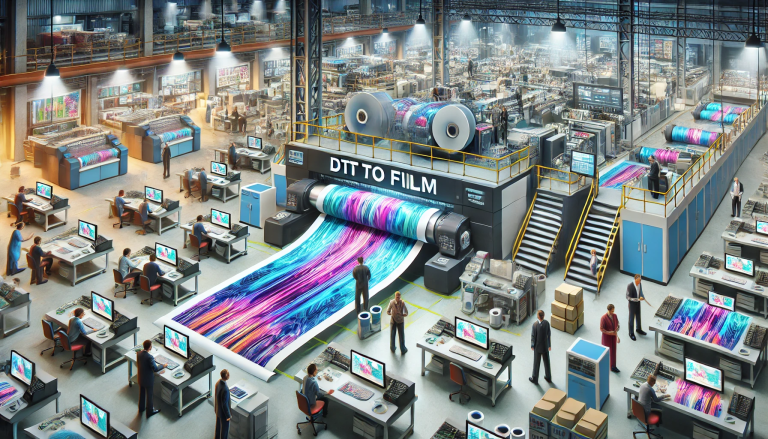
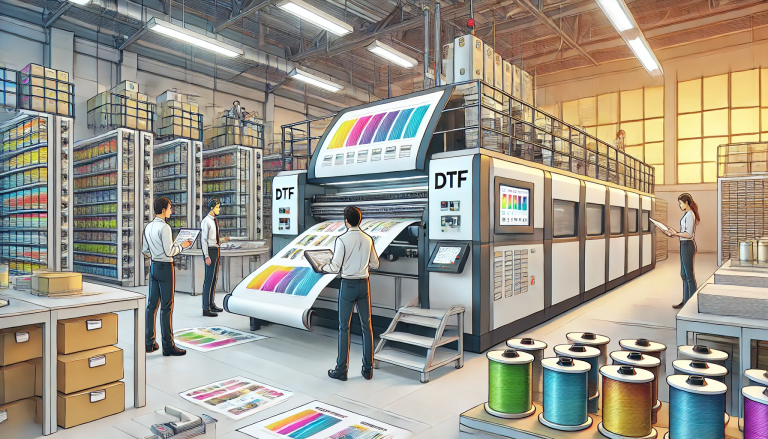
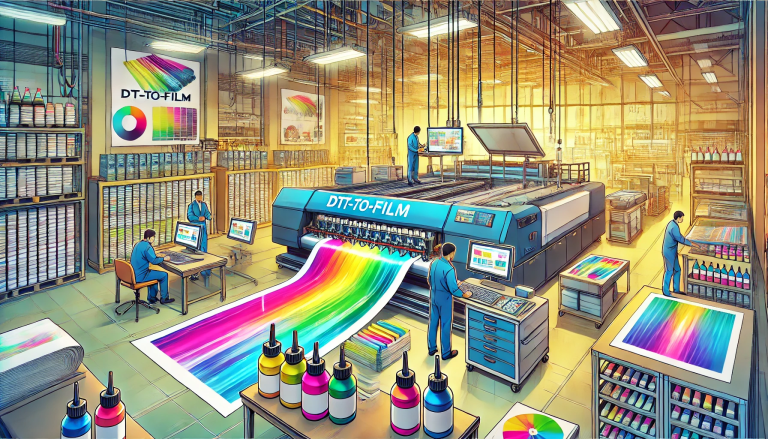
UV DTF Printing – UV DTF printing combines the benefits of UV curing with the transfer mechanism of DTF technology. It involves printing UV-curable inks onto a specialized PET transfer film (similar to standard DTF but optimized for UV inks) rather than directly onto the final substrate. After printing, a layer of UV-curable adhesive is applied to the inked design. The entire film is then cured under UV light to set both the ink and adhesive. Finally, the cured design is transferred from the film to the target substrate using heat and pressure, creating a durable bond.
2. Operational Mechanism: Direct Curing vs. Print-Cure-Transfer
The most fundamental distinction between UV and UV DTF lies in their workflow, which dictates their efficiency and adaptability to different production scenarios.
UV Printing Workflow – UV printing follows a streamlined, single-step process relative to UV DTF: 1) Prepare the substrate (cleaning or light pre-treatment for some materials); 2) Load the substrate into the UV printer; 3) Print the design using UV-curable inks; 4) Instantly cure the inks via the printer’s built-in UV lamps. The entire process is completed in one pass, with the substrate emerging as a finished product. This direct workflow minimizes handling and reduces production time for large runs of the same substrate.
UV DTF Printing Workflow – UV DTF requires a multi-step, indirect process: 1) Print the design onto UV DTF transfer film using UV-curable inks; 2) Apply UV-curable adhesive over the printed design; 3) Cure the film (inks + adhesive) under UV light to ensure stability; 4) Store the cured transfer films until needed; 5) Transfer the design to the final substrate via heat press (typically 10–15 seconds at 120–150°C). The “print-cure-transfer” sequence allows for batch production of transfer films, which can be stored and applied on-demand to various substrates.
3. Substrate Versatility: Limited by Printer Size vs. Universal Adaptability
Substrate compatibility is a defining factor for both technologies, with UV DTF addressing a key limitation of traditional UV printing.
UV Printing: Constraints on Size and Material Type – While UV printing works with a wide range of rigid and semi-rigid substrates (e.g., acrylic, aluminum, PVC, canvas), it is constrained by two critical factors: substrate size and flexibility. The substrate must fit within the UV printer’s bed, making it impractical for oversized items (e.g., large signage, furniture panels) or irregularly shaped objects (e.g., curved mugs, 3D gadgets). Additionally, UV inks may not adhere well to highly flexible substrates (e.g., stretchy fabrics, silicone) or porous materials (e.g., uncoated wood), requiring specialized pre-treatments that add cost and complexity.
UV DTF Printing: No Size or Shape Barriers – UV DTF eliminates the constraints of printer bed size and substrate rigidity. Since the design is printed on flexible transfer film first, it can be cut to any size or shape before transfer. This makes UV DTF suitable for: 1) Oversized items (e.g., billboards, vehicle wraps) by拼接 multiple transfer films; 2) Irregularly shaped objects (e.g., phone cases, bottles, hats); 3) Highly flexible materials (e.g., fabrics, leather, rubber); 4) Delicate substrates (e.g., glass, silk) that may be damaged by direct printer contact. The adhesive layer ensures strong adhesion to nearly all materials, with no pre-treatment required.
4. Print Quality and Durability: Surface Bond vs. Flexible Adhesion
Both technologies produce high-quality, durable prints, but their performance characteristics differ in terms of feel, texture, and resistance to external factors.
UV Printing: Hard, Surface-Bound Finish – UV prints form a hard, glossy or matte finish that sits on the substrate’s surface. The cured ink is resistant to scratches, water, and fading, making it ideal for outdoor signage, packaging, and industrial labels. For rigid substrates, this hard finish enhances durability, but it can become brittle on flexible materials—leading to cracking or peeling when the substrate is bent. UV printing also excels in color vibrancy and fine detail, with the ability to print sharp text and intricate graphics for applications like business cards or product labels.
UV DTF Printing: Flexible, Layered Adhesion – UV DTF prints have a slightly raised, flexible finish due to the adhesive layer between the design and substrate. This flexibility allows the print to move with the substrate, making it resistant to cracking even on stretchy fabrics or bendable plastics. The UV-cured ink and adhesive combination offers excellent durability: resistance to water, UV radiation, and abrasion, comparable to traditional UV printing. While the finish is slightly more noticeable than UV printing, it provides a softer touch on fabrics and a seamless bond on irregular surfaces. Color vibrancy is also high, with UV DTF excelling in bold, eye-catching designs for promotional items.
5. Cost and Scalability: High Upfront vs. Low Entry Barrier
The cost structures of UV and UV DTF printing vary, making each more suitable for specific business models and production volumes.
UV Printing: High Initial Investment, Efficient for Large Runs – Traditional UV printers are expensive, with costs ranging from tens of thousands to hundreds of thousands of dollars, depending on size and capabilities. Additionally, UV-curable inks and maintenance (e.g., replacing UV lamps) add to operational costs. However, for large runs (e.g., 1000+ identical product labels), UV printing becomes cost-effective due to its direct workflow and minimal material waste. It is ideal for large print shops or manufacturers with consistent, high-volume orders.
UV DTF Printing: Low Entry Cost, Flexible for Small to Medium Runs – UV DTF systems have a significantly lower upfront cost, with compact UV DTF printers priced at a fraction of traditional UV printers. The transfer films and adhesives are affordable, and the technology requires minimal maintenance. UV DTF is highly cost-effective for small batches (1–50 pieces) and custom orders, as transfer films can be printed in advance and stored. For large runs, it remains competitive by allowing batch printing of films, though the transfer step adds a small per-unit labor cost. This makes UV DTF perfect for small businesses, independent designers, and print shops handling diverse, low-to-medium volume orders.
6. Key Applications: Specialized vs. Versatile Use Cases
The unique characteristics of each technology align with distinct industry applications, ensuring they serve complementary niches.
UV Printing Applications – Traditional UV printing is favored for: 1) Rigid signage (e.g., storefront signs, exhibition displays); 2) Packaging (e.g., cosmetic boxes, food containers); 3) Industrial labels (e.g., machine parts, electrical panels); 4) Fine art reproduction on canvas or wood; 5) Large-format prints on rigid substrates (e.g., billboards on aluminum composite panels).
UV DTF Printing Applications – UV DTF shines in: 1) Custom merchandise (e.g., phone cases, mugs, hats, t-shirts); 2) Flexible signage (e.g., banner flags, vehicle wraps); 3) Irregularly shaped objects (e.g., bottles, toys, promotional gadgets); 4) Textile printing (e.g., fashion accessories, sportswear); 5) Small-batch, personalized items (e.g., wedding favors, corporate gifts).
Conclusion: Choosing Between UV and UV DTF
UV and UV DTF printing are not competing technologies but rather complementary solutions tailored to different needs. Traditional UV printing is the go-to choice for high-volume, rigid substrate applications where a hard, durable finish and direct workflow are prioritized. UV DTF printing, by contrast, offers unmatched versatility, low entry costs, and adaptability to irregular or flexible substrates—making it ideal for custom, low-to-medium volume projects and personalized merchandise. As printing demands grow more diverse, understanding these differences allows businesses to leverage the strengths of each technology, ensuring optimal results for every project. Whether it’s a large rigid sign or a custom phone case, UV and UV DTF printing provide the tools to bring designs to life with durability and precision.