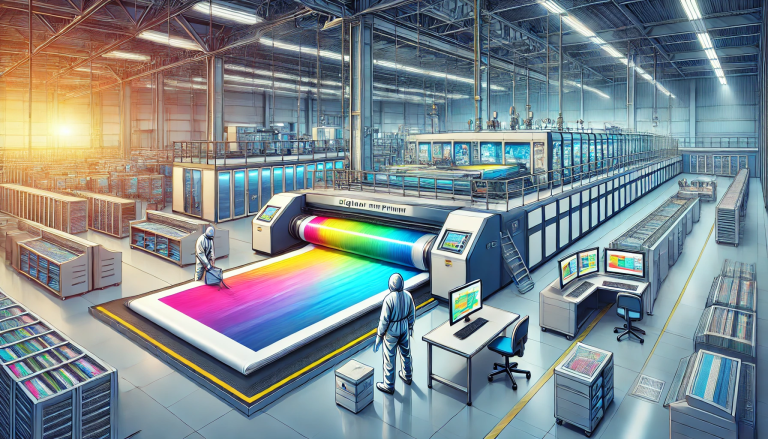
In the dynamic landscape of printing and packaging, innovation is the cornerstone of market competitiveness. Among the materials that have reshaped these industries in recent decades, PET (Polyethylene Terephthalate) transfer film stands out as a transformative force. More than a mere auxiliary material, it has redefined the boundaries of design possibilities, production efficiency, and sustainability standards. From enhancing the visual appeal of consumer goods to streamlining manufacturing workflows, PET transfer film’s impact spans across product categories and production scales. This article explores how this versatile material has revolutionized the printing and packaging sectors, driving progress and opening new avenues for creativity and profitability.
Understanding PET Transfer Film: A Foundation for Innovation
Before delving into its industry impact, it is essential to clarify what PET transfer film is and why it has become indispensable. PET transfer film is a thin, flexible sheet made from polyethylene terephthalate—a synthetic polymer celebrated for its exceptional durability, heat resistance, chemical stability, and transparency. What sets it apart from standard PET materials is its specialized coating technology: one or more layers (such as adhesive, release, or ink-receptive coatings) are applied to enable the transfer of designs, textures, or functional properties from the film to a target substrate (e.g., paper, plastic, metal, or fabric).
The transfer process typically involves printing a design onto the film’s receptive layer, then using heat, pressure, or chemical activation to release the design onto the final product—leaving the PET film reusable or recyclable in many cases. This core functionality, combined with PET’s inherent physical properties, makes the film adaptable to a wide range of printing techniques, including gravure, offset, flexography, and digital printing. It is this versatility that has positioned PET transfer film as a catalyst for change in printing and packaging.
Redefining Visual Aesthetics: Elevating Product Appeal
In the consumer-driven packaging market, visual appeal is often the first factor influencing purchasing decisions. PET transfer film has revolutionized how brands communicate through packaging by enabling high-quality, intricate, and consistent designs that were once impractical or cost-prohibitive with traditional materials.
1. Precision and Detail for Premium Branding
PET transfer film’s smooth, uniform surface provides an optimal substrate for high-resolution printing, supporting fine lines, gradients, and complex patterns with exceptional clarity. Unlike paper-based transfer materials, which may absorb ink unevenly or tear during processing, PET film maintains dimensional stability—ensuring that designs are reproduced consistently across thousands of units. This precision is particularly valuable for premium products, such as cosmetics, luxury goods, and spirits, where packaging details (e.g., metallic finishes, holographic effects, or embossed textures) convey brand prestige.
For example, high-end perfume bottles often use PET transfer film to apply intricate metallic logos or iridescent patterns that adhere seamlessly to curved glass surfaces. The film’s flexibility allows it to conform to irregular shapes without distorting the design, a feat that was difficult to achieve with screen printing or direct labeling.
2. Versatile Finishes and Effects
PET transfer film has expanded the palette of decorative effects available to designers, from matte and glossy textures to holographic, chrome, and soft-touch finishes. These effects are achieved through specialized coatings on the film, which can be customized to meet brand-specific needs. Holographic PET transfer film, for instance, is widely used in food and beverage packaging to enhance shelf presence and deter counterfeiting—its light-reflecting properties make products stand out in crowded retail environments while providing a tamper-evident feature.
Additionally, the film’s compatibility with UV and water-based inks allows for the creation of eco-friendly decorative effects, addressing the growing consumer demand for sustainable packaging without compromising on visual quality.
Boosting Production Efficiency: Streamlining Workflows and Reducing Costs
Beyond aesthetics, PET transfer film has transformed production processes in printing and packaging, driving efficiency gains and cost reductions that benefit manufacturers and brands alike.
1. Compatibility with Automated Manufacturing
Modern packaging production relies heavily on automated machinery, and PET transfer film is engineered to integrate seamlessly with these systems. Its durability resists tearing or jamming in high-speed printers and laminators, reducing downtime and material waste. Unlike fragile transfer papers, which require careful handling to avoid damage, PET film can withstand the rigors of continuous production lines—making it ideal for large-scale runs of products like beverage cans, snack packages, and pharmaceutical blister packs.
In the pharmaceutical industry, for example, PET transfer film is used to apply dosage information and brand labels to blister packs. The film’s resistance to moisture and chemicals ensures that the labels remain legible throughout the product’s shelf life, while its compatibility with automated labeling machines speeds up production and reduces human error.
2. Eliminating Secondary Processing Steps
Traditional packaging decoration often requires multiple secondary steps, such as laminating, embossing, or die-cutting, which add time and cost to production. PET transfer film consolidates these steps by incorporating decorative or functional properties directly into the film. For instance, a PET film with a pre-applied adhesive and embossed texture can transfer both the design and texture to a substrate in a single heat-press operation, eliminating the need for separate embossing and laminating processes.
This streamlining not only reduces production time but also lowers labor costs and minimizes waste, as fewer steps mean fewer opportunities for errors (e.g., misalignment of embossed patterns with printed designs).
Advancing Sustainability: A Greener Alternative for Modern Packaging
As the global focus on sustainability intensifies, the printing and packaging industries face growing pressure to reduce their environmental footprint. PET transfer film has emerged as a greener alternative to traditional materials, offering recyclability, reduced waste, and compatibility with eco-friendly production practices.
1. Recyclability and Circularity
PET is one of the most widely recyclable polymers, and PET transfer film is no exception. Unlike many plastic films that are contaminated by inks or adhesives and rendered non-recyclable, modern PET transfer films are designed with recyclability in mind. Manufacturers use water-based or solvent-free adhesives that do not interfere with the recycling process, and the PET base can be separated from the transferred design and recycled into new PET products (e.g., bottles, fibers, or new film).
Additionally, the reusability of some PET transfer films—particularly in industrial printing applications—further reduces waste. Unlike single-use transfer papers, which are discarded after one use, certain PET films can be reused multiple times before being recycled, lowering the overall material consumption.
2. Reducing Material Waste in Production
The precision and stability of PET transfer film minimize material waste during production. Its dimensional stability ensures that designs are printed accurately, reducing the number of misprinted or defective units. Furthermore, the film’s thin profile means that less material is used per unit compared to traditional laminates or thick labels. For example, using PET transfer film to decorate cardboard packaging eliminates the need for thick metallic foils, reducing the amount of material that ends up in landfills.
Expanding Application Boundaries: From Traditional Packaging to Emerging Sectors
PET transfer film’s versatility has allowed it to transcend traditional printing and packaging applications, entering new sectors and driving innovation in areas such as flexible packaging, textile printing, and even electronics.
1. Flexible Packaging: Adapting to Changing Consumer Habits
The rise of flexible packaging (e.g., stand-up pouches, resealable bags) has been fueled in part by PET transfer film. Its flexibility and resistance to moisture make it ideal for decorating flexible substrates like polyethylene (PE) or polypropylene (PP) pouches, which are widely used for snacks, pet food, and personal care products. The film’s ability to adhere to flexible materials without cracking or peeling ensures that designs remain intact even when the packaging is squeezed or folded.
2. Textile and Apparel Printing
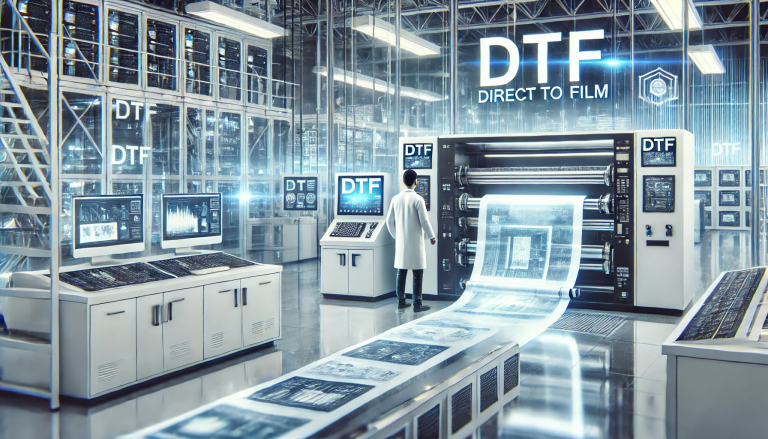
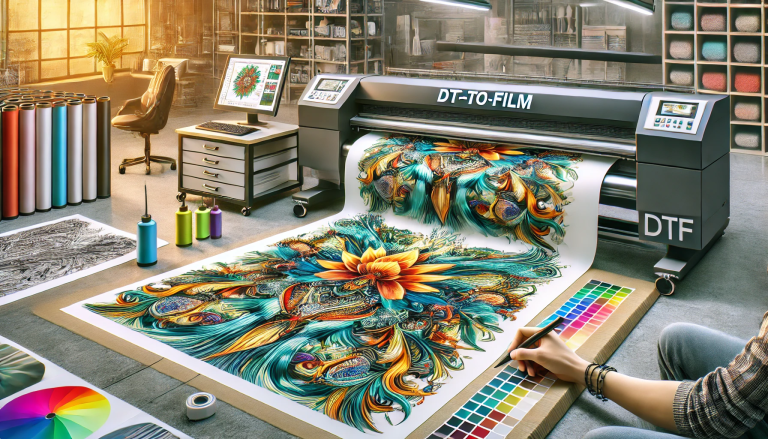
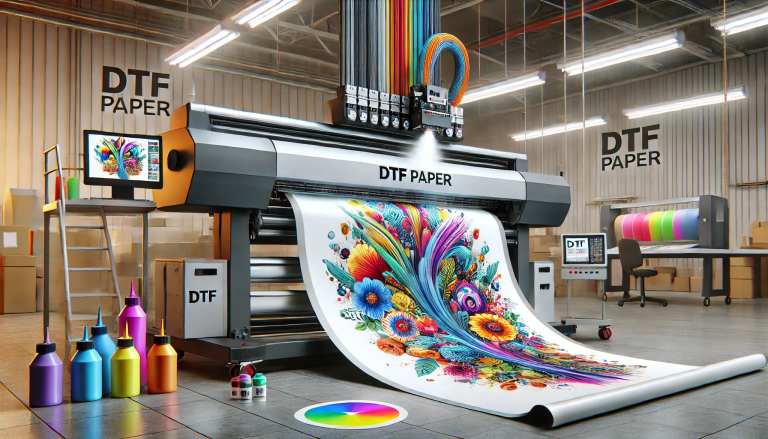
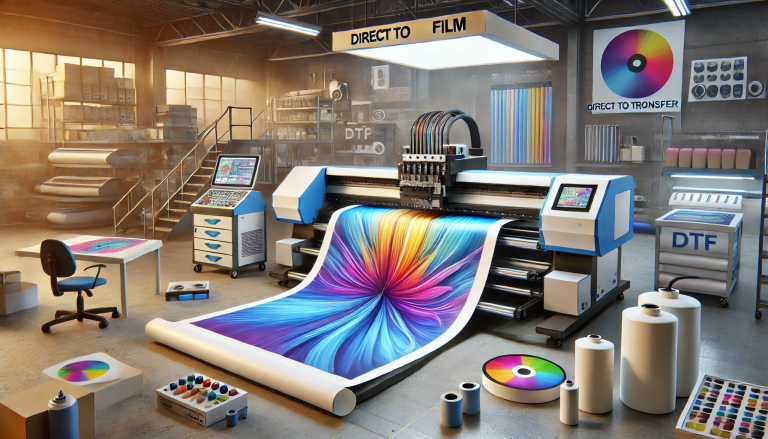
Beyond packaging, PET transfer film has made inroads into textile printing—particularly in the DTF (Direct-to-Film) printing process. As discussed in previous contexts, DTF PET film acts as a carrier for ink, allowing designs to be transferred onto fabrics with high durability and vibrancy. This application has revolutionized the custom apparel industry, enabling small businesses and hobbyists to produce high-quality printed garments without the need for expensive screen printing setups.
3. Electronics and Industrial Labeling
In the electronics industry, PET transfer film is used to apply durable, heat-resistant labels to devices such as smartphones, laptops, and circuit boards. The film’s resistance to chemicals and extreme temperatures ensures that labels remain legible and intact in harsh environments, while its thin profile does not interfere with the device’s functionality.
Challenges and Future Directions
While PET transfer film has made significant strides, it is not without challenges. The initial cost of high-quality PET film can be higher than traditional materials, which may deter small-scale manufacturers. Additionally, the recycling infrastructure for PET film varies by region, limiting its circular potential in some areas.
Looking ahead, the future of PET transfer film lies in further innovation: manufacturers are developing thinner, lighter films to reduce material usage, and exploring bio-based PET alternatives to enhance sustainability. Advances in coating technology will also expand the range of functional properties, such as antimicrobial or waterproof coatings, opening new applications in healthcare and food packaging.
Conclusion
PET transfer film has emerged as a revolutionary force in the printing and packaging industries, redefining what is possible in terms of design, efficiency, and sustainability. Its ability to deliver high-precision, versatile designs while streamlining production workflows has made it a staple for brands and manufacturers worldwide. As consumer demands for premium, sustainable packaging continue to grow, PET transfer film will remain at the forefront of innovation—adapting to new technologies and applications, and driving the industries toward a more efficient, creative, and eco-friendly future. For businesses looking to stay competitive in a rapidly evolving market, embracing the potential of PET transfer film is not just an option; it is a strategic necessity.