“The Art and Science of DTF Gang Sheet Transfers: A Comprehensive Analysis” -MAXDTF- A3 DTF Supplier, DTF printing material Manufacturer, Made in China
Direct-to-Film (DTF) printing has emerged as a revolutionary technology in the textile printing industry, offering a blend of quality, versatility, and efficiency. Among the various components that make up the DTF printing process, the gang sheet transfer is a critical element that bridges the gap between digital design and physical output. This article delves into the intricacies of DTF gang sheet transfers, exploring both the artistic and scientific aspects that contribute to their effectiveness and success.
Understanding DTF Printing and Gang Sheets
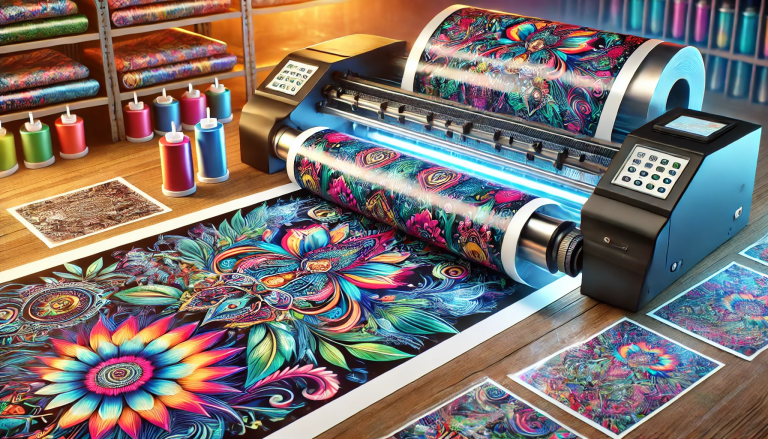
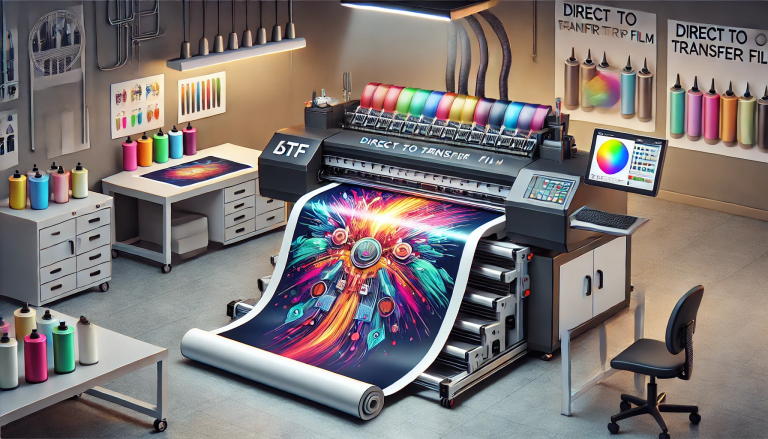
DTF printing is a technique where digital designs are printed onto a special film, which is then transferred onto a fabric using heat and pressure. This method combines the precision of digital printing with the durability of traditional textile printing, making it suitable for a wide range of applications, from fashion to promotional materials.
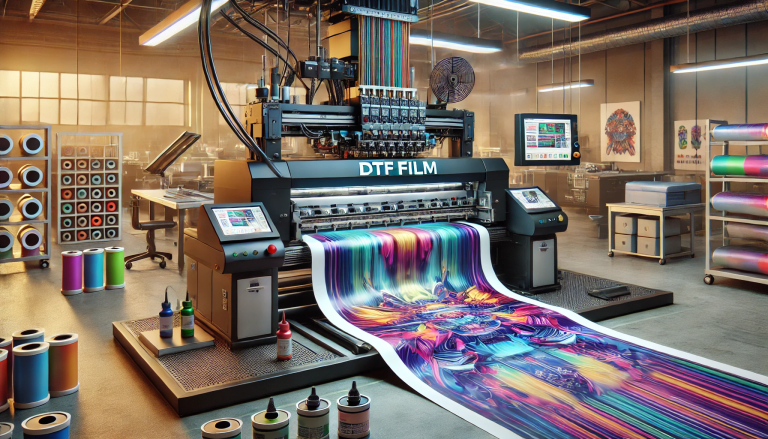
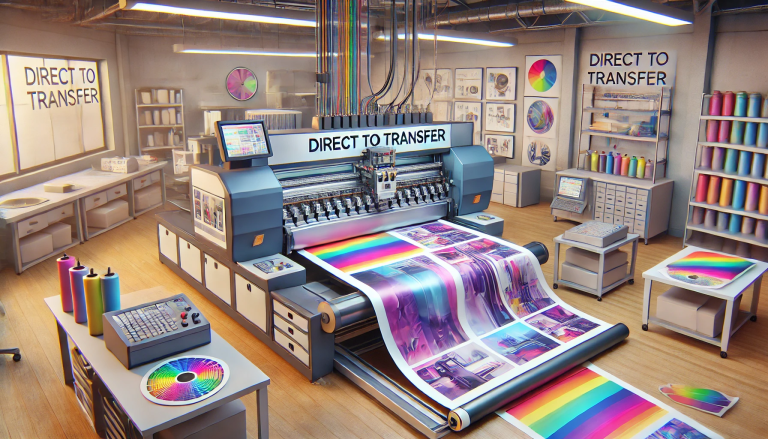
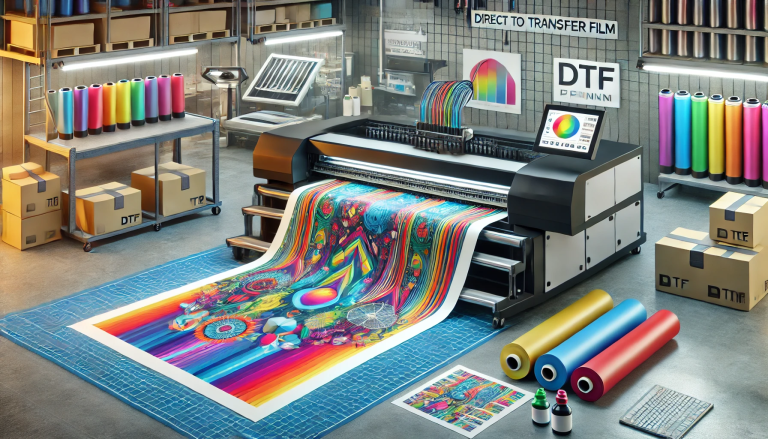
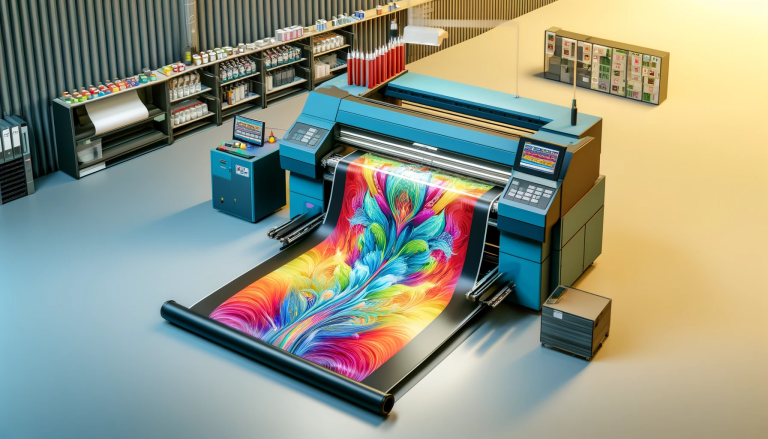
A gang sheet, in the context of DTF printing, refers to a specially coated sheet of film onto which multiple designs are printed simultaneously. These designs are then transferred onto fabric in a single, coordinated process. The gang sheet transfer process is a pivotal step in DTF printing, as it directly influences the quality, consistency, and efficiency of the final output.
The Science of Gang Sheet Transfers
The science behind gang sheet transfers lies in the materials, machinery, and process controls involved. Key factors include:
- Film Selection: The choice of film is crucial, as it must have the right balance of adhesion, release properties, and flexibility. High-quality films ensure that the ink adheres well during printing but can be easily transferred to the fabric without leaving residue.
- Ink Compatibility: DTF printing uses specialized ink that is designed to work with the film’s coating. The ink must be able to dry quickly on the film without clogging the printer, and it must have the right viscosity to ensure smooth transfer during the heat press phase.
- Printing Technology: Advanced digital printers, often equipped with precision nozzles and automated calibration systems, are essential for creating accurate and vibrant designs on the gang sheet. The resolution and color accuracy of the printer play a significant role in the final output.
- Heat and Pressure: The transfer process relies on precise control of temperature, pressure, and time during the heat press. These parameters must be carefully calibrated to ensure that the ink transfers cleanly from the film to the fabric without compromising the integrity of the design or the fabric.
- Environmental Factors: Humidity, temperature, and other environmental conditions can affect the performance of the film and ink, necessitating adjustments to the printing and transfer process to maintain consistency.
The Art of Gang Sheet Transfers
Beyond the technical aspects, the art of gang sheet transfers involves the creative process of designing and arranging multiple images on a single sheet. This requires a deep understanding of layout, color theory, and spatial relationships. Key artistic considerations include:
- Design Placement: Efficiently organizing multiple designs on a gang sheet requires careful planning to maximize the use of space while ensuring that each design is positioned correctly for the subsequent transfer.
- Color Matching: Accurate color reproduction is essential, especially when transferring designs to fabrics with different color bases. The artist must be skilled in color management to achieve consistent results across different batches and fabrics.
- Consistency and Reproducibility: The ability to produce identical prints consistently is a hallmark of a skilled DTF artist. This involves mastering both the technical parameters and the creative aspects of the process.
- Problem-Solving: Troubleshooting issues such as ink bleeding, uneven transfers, or color discrepancies requires both technical know-how and creative problem-solving skills. The artist must be able to quickly diagnose and resolve these issues to maintain production efficiency.
Challenges and Solutions in Gang Sheet Transfers
Despite the advancements in DTF technology, gang sheet transfers are not without their challenges. Common issues include:
- Ink Adhesion: Ensuring that the ink adheres properly to the film without bleeding or smudging requires careful calibration of the printer and selection of the right ink.
- Transfer Efficiency: Efficient transfer of the ink from the film to the fabric is dependent on precise heat press settings and adequate pressure.
- Material Variability: Different fabrics may require adjustments in the transfer process to achieve optimal results.
To address these challenges, DTF operators must stay informed about the latest materials, techniques, and best practices. Continuous training, testing, and feedback are essential for maintaining high standards of quality and efficiency.
Future Trends and Innovations
As DTF printing continues to evolve, gang sheet transfers are likely to benefit from new innovations in film technology, ink formulations, and printing machinery. Advances in automation, artificial intelligence, and digital workflows could further streamline the process, reducing the margin for human error and increasing productivity.
Moreover, the integration of sustainable materials and eco-friendly processes is becoming increasingly important in the textile industry. Future developments in gang sheet transfers may focus on creating more environmentally friendly options without compromising on performance.
Conclusion
The art and science of DTF gang sheet transfers represent a fascinating intersection of creativity and technology. Mastering this process requires a deep understanding of both the technical aspects—such as material science, printing technology, and heat transfer engineering—and the artistic elements—such as design layout, color management, and problem-solving.
As the demand for high-quality, customized textile printing continues to grow, the role of gang sheet transfers in DTF printing will remain central to achieving the blend of efficiency and excellence that the industry strives for. By staying at the forefront of both the art and science of gang sheet transfers, practitioners can unlock new possibilities and set new standards in the world of DTF printing.