The textile industry has long been a cornerstone of global manufacturing, influencing fashion, apparel, and home decor. However, traditional production methods often come with challenges such as high costs, environmental impact, and limited customization options. In recent years, digital textile printing (DTP) has emerged as a game-changer, offering a more flexible, sustainable, and efficient alternative to conventional printing techniques. Among the many innovations in this space, the DTF-A3 Factory stands out as a revolutionary solution, transforming the way textiles are produced and printed.
What is DTF-A3 Factory?
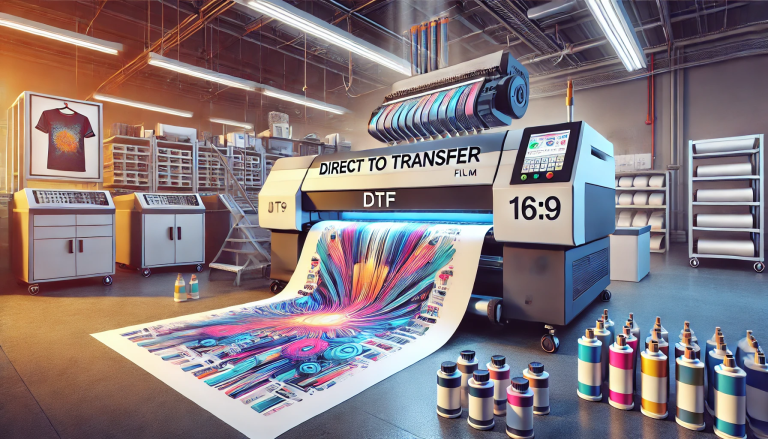
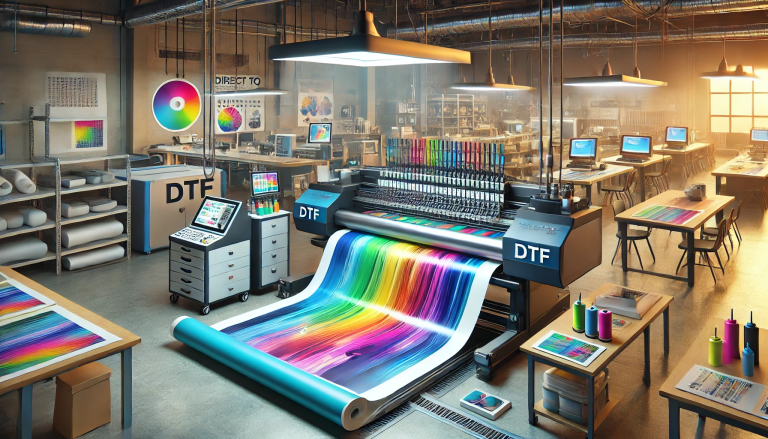
DTF-A3 Factory refers to a state-of-the-art digital textile printing system that utilizes Direct-to-Film (DTF) technology combined with A3-sized printing capabilities. This innovative approach bridges the gap between traditional textile printing and modern digital methods, providing a scalable and versatile solution for businesses of all sizes.
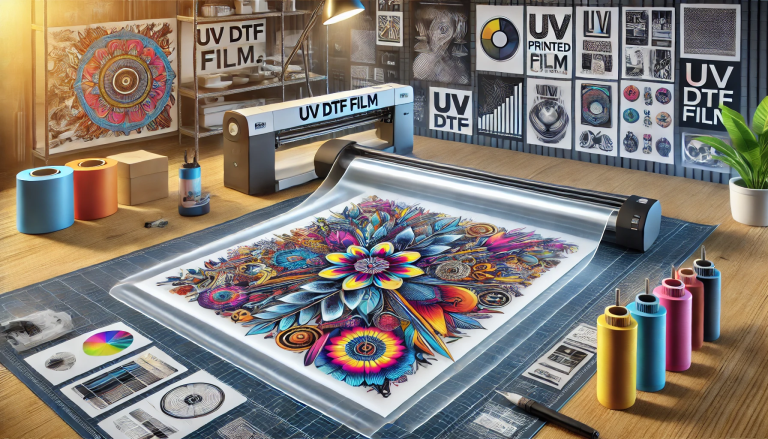
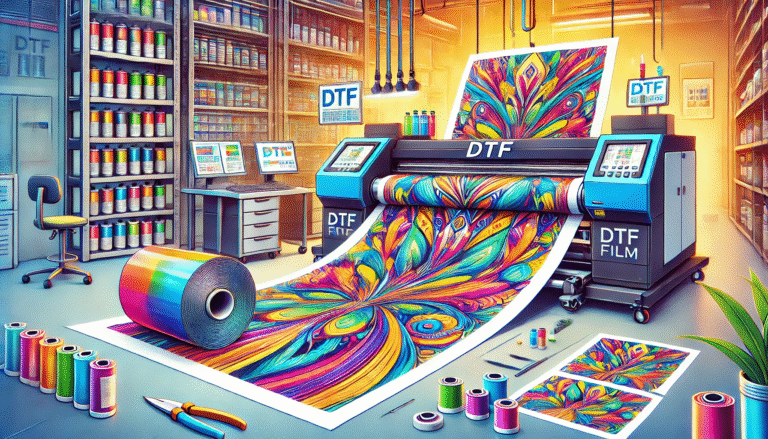
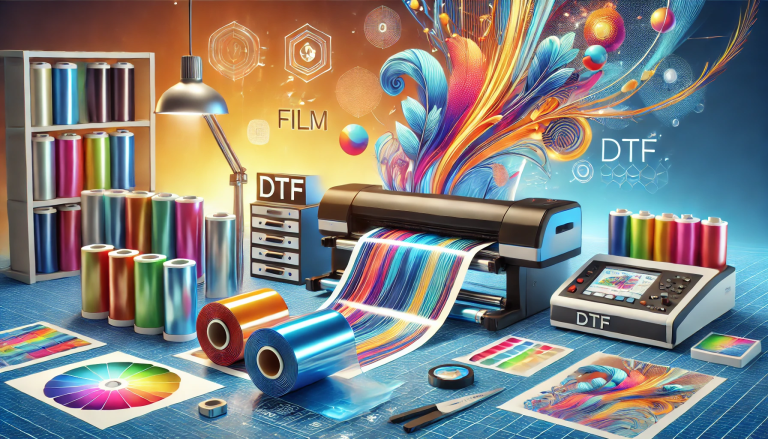
The DTF-A3 Factory system involves printing designs onto a film, which is then transferred to various fabric substrates using a heat press. This method offers several advantages, including high-quality resolution, vibrant colors, and the ability to print on a wide range of materials, from cotton and polyester to blends and even specialty fabrics.
Key Features of DTF-A3 Factory
- High-Quality Printing: The DTF-A3 Factory delivers exceptional print quality with sharp details, vibrant colors, and consistent coverage. The A3-sized printing capabilities allow for larger designs, making it ideal for apparel, flags, banners, and home textiles.
- Versatility: Unlike traditional methods that require separate screens for each color, DTF technology allows for full-color designs in a single step. This flexibility is especially beneficial for custom designs, small production runs, and fast-paced fashion trends.
- Cost-Effectiveness: The DTF-A3 Factory reduces production costs by eliminating the need for expensive setup processes, such as screen printing or dye sublimation. Its ability to handle small to medium-sized batches makes it a cost-effective solution for small businesses and entrepreneurs.
- Sustainability: Digital textile printing is inherently more eco-friendly than traditional methods, as it minimizes waste, reduces the use of water, and eliminates harmful chemicals. The DTF-A3 Factory further enhances sustainability by using recyclable materials and energy-efficient processes.
- Speed and Efficiency: With automated workflows and faster printing speeds, the DTF-A3 Factory enables rapid turnaround times, making it suitable for quick-response manufacturing and seasonal collections.
Applications of DTF-A3 Factory
The versatility of the DTF-A3 Factory makes it suitable for a wide range of applications:
- Apparel: From T-shirts and hoodies to sportswear and fashion collections, the DTF-A3 Factory offers endless possibilities for custom designs and branding.
- Home Decor: The system can be used to print on fabrics for curtains, upholstery, cushions, and wall art, enabling personalized home decor solutions.
- Promotional Products: Businesses can use the DTF-A3 Factory to create branded merchandise such as bags, hats, and promotional banners with high-quality, long-lasting prints.
- Industrial Textiles: The DTF-A3 Factory also caters to industrial applications, such as printing on technical fabrics for automotive, medical, and outdoor uses.
The Future of Textile Production
The emergence of the DTF-A3 Factory marks a significant shift in the textile industry, moving away from conventional methods toward digitization and automation. As consumers increasingly demand personalized products, sustainable practices, and faster production cycles, the DTF-A3 Factory is poised to become a standard in modern textile manufacturing.
Moreover, advancements in DTF technology are likely to further enhance capabilities, such as improved ink formulations for better durability, augmented reality (AR) integration for interactive textile designs, and integration with artificial intelligence (AI) for predictive manufacturing.
Conclusion
The DTF-A3 Factory represents a paradigm shift in textile production, offering a combination of quality, efficiency, and sustainability that traditional methods cannot match. By embracing this innovative solution, businesses can stay ahead in a rapidly evolving market, meeting the growing demands for customization, speed, and environmental responsibility.