“is dtf the same as screen printing?” -MAXDTF- DTF Film sheets 8.5 x 11 Factory, PET Transfer Film Supplier, Made in China
In the world of printing technologies, two popular methods often come up in discussions: DTF (Direct to Film) printing and screen printing. While both techniques are used to transfer designs onto various surfaces, they differ significantly in terms of process, materials, and applications. Let’s explore whether DTF printing is the same as screen printing and how they compare.
What is Screen Printing?
Screen printing, also known as silk screening or serigraphy, is one of the oldest and most traditional printing methods. It involves creating a stencil on a mesh screen using a photosensitive emulsion or film. Ink is then pushed through the open areas of the stencil onto the surface below, such as a T-shirt, paper, or ceramic.
Key Features of Screen Printing:
- Multiple Colors: Each color in the design requires a separate screen, making it suitable for multi-colored designs.
- Thick Layers: The ink is applied in a thick layer, resulting in vibrant, durable prints.
- High Volume: Ideal for large production runs due to its efficiency and cost-effectiveness.
- Versatility: Can be used on a wide range of materials, including textiles, glass, and plastic.
What is DTF Printing?
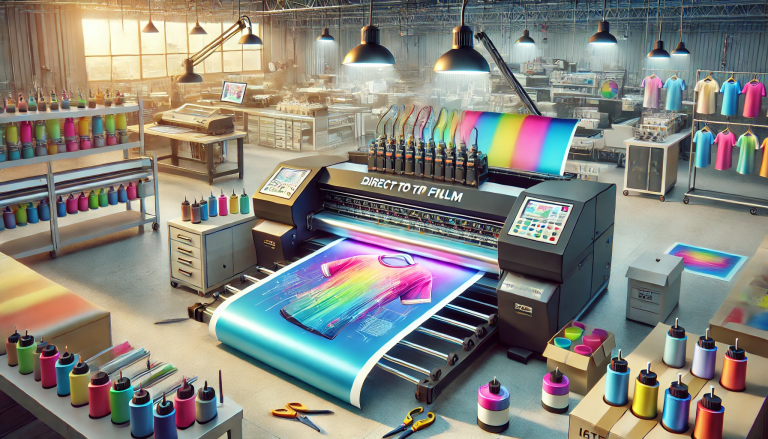
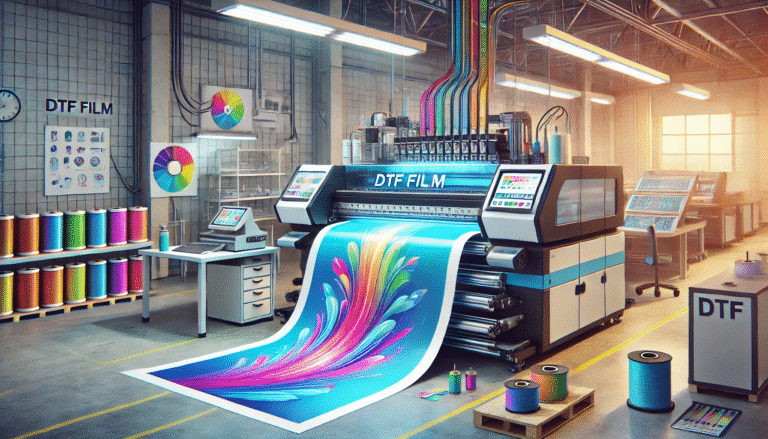
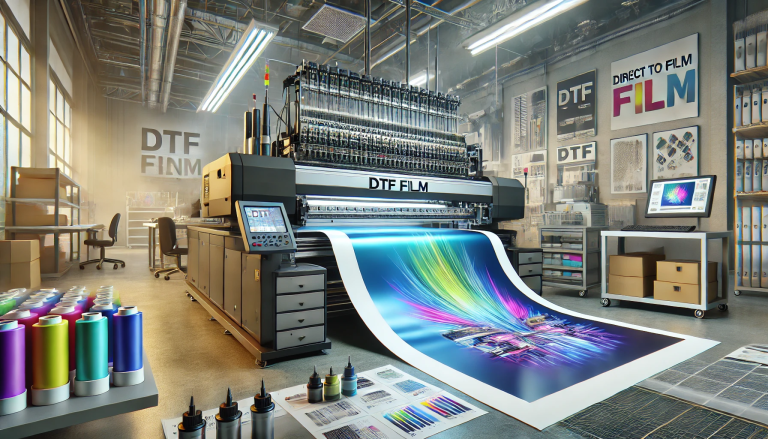
DTF, or Direct to Film printing, is a relatively newer printing technology that has gained popularity in recent years. It involves printing the design onto a special transfer film using an inkjet printer with dye-sublimation or pigment-based inks. The printed film is then coated with a special adhesive powder and heat-pressed onto the desired surface.
Key Features of DTF Printing:
- Digital Process: Uses digital files for printing, allowing for easy editing and customization.
- Multiple Colors: Can print intricate, multi-colored designs in a single step.
- Thin Layers: The ink is applied in a thinner layer compared to screen printing, resulting in a softer feel.
- Versatility: Suitable for a wide range of fabrics and materials, including those that are difficult to screen print on.
- Small to Medium Runs: More cost-effective for smaller production runs than screen printing.
Key Differences Between DTF and Screen Printing
- Process:
- Screen Printing: Manual or semi-automatic process that requires stencils and ink application.
- DTF Printing: Fully digital process that uses inkjet technology and heat transfer.
- Ink Application:
- Screen Printing: Thick, opaque layers of ink produce bold, vibrant colors.
- DTF Printing: Thin, flexible layers of ink result in a softer feel and more detailed designs.
- Cost:
- Screen Printing: More cost-effective for large production runs due to the setup costs.
- DTF Printing: More suitable for smaller runs and custom orders, though costs can be higher per unit for larger runs.
- Turnaround Time:
- Screen Printing: Slower due to the need to create and align multiple screens.
- DTF Printing: Faster, as it relies on digital files and automated processes.
- Suitability for Materials:
- Screen Printing: Best for flat, smooth surfaces and fabrics like cotton.
- DTF Printing: Better for stretchable fabrics, complex shapes, and materials that are difficult to screen print on.
Conclusion
While DTF printing and screen printing share the common goal of transferring designs onto various surfaces, they are fundamentally different in their processes, materials, and applications. Screen printing is a traditional, tried-and-true method that excels in large production runs and bold, vibrant prints, while DTF printing offers a modern, digital approach that is ideal for smaller runs, detailed designs, and a wider range of materials.
Ultimately, the choice between DTF and screen printing will depend on the specific needs of your project, including the desired print quality, production volume, and the materials you are working with. Understanding these differences can help you make an informed decision and choose the right printing method for your needs.