“Transfer Your Designs with Ease – Is DTF Digital Transfer Paper Vinyl!” -MAXDTF- DTF Foil Manufacturer, DTF Film Sheet Supplier, Made in China
In the world of custom printing and decoration, terms like “DTF digital transfer paper” and “vinyl” are often used interchangeably by beginners, leading to confusion about whether they are the same material. The short answer is no—DTF digital transfer paper and vinyl are distinct products with different compositions, working principles, and applications. This article aims to clarify this common misunderstanding by breaking down their core characteristics, highlighting key differences, and explaining why each serves unique purposes in the printing industry.
Defining the Basics: What Is DTF Digital Transfer Paper?
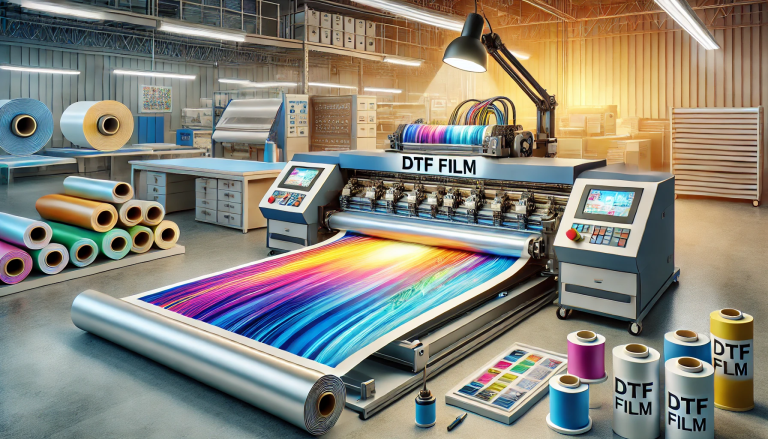
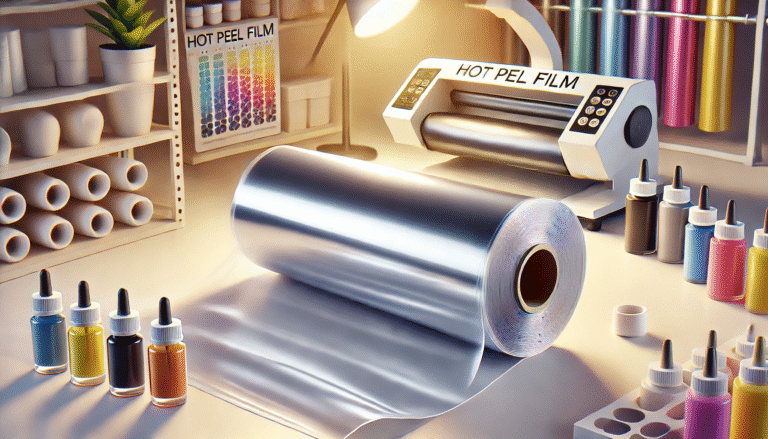
DTF (Direct-to-Film) digital transfer paper, also known as DTF transfer film, is a specialized carrier material designed for the DTF printing process. Typically made from polyethylene terephthalate (PET), it features a coated surface that enables ink adhesion and easy release after heat transfer. Its primary function is to temporarily hold the printed design (using DTF inks) and hot-melt adhesive until the design is transferred to a target substrate (such as fabric, leather, or plastic) via heat and pressure. Unlike traditional transfer papers, DTF digital transfer paper does not require the substrate to be pre-treated, and it integrates with the substrate’s fibers during transfer, resulting in a soft, seamless finish.
What Is Vinyl, and How Does It Differ?
Vinyl, on the other hand, is a synthetic plastic material (most commonly polyvinyl chloride, PVC, or polyurethane, PU) available in thin, flexible sheets. It is not a transfer paper but a standalone decorative material that is cut into designs and applied directly to substrates. Vinyl relies on heat-activated or pressure-sensitive adhesive to bond with surfaces, and it sits atop the substrate rather than integrating with it. There are various types of vinyl, including permanent vinyl for long-term applications (e.g., vehicle wraps, signage) and removable vinyl for temporary decorations (e.g., wall decals). Its key trait is a stiff, plastic-like texture that is distinct from the soft, substrate-integrated finish of DTF prints.
Core Differences Between DTF Digital Transfer Paper and Vinyl
To further clarify why DTF digital transfer paper is not vinyl, let’s examine their fundamental differences across four critical dimensions:
1. Composition and Material Nature
DTF digital transfer paper is a paper-like or film-like carrier (PET-based) designed to facilitate transfer. It is a temporary medium—once the design is transferred, the paper/film is peeled away, leaving only the ink and adhesive on the substrate. Vinyl, by contrast, is a solid plastic material that becomes a permanent part of the decorated product. It has no “carrier” function; the vinyl itself is the decorative layer.
2. Working Principle and Application Process
DTF digital transfer paper requires a multi-step printing process: designing, printing on the transfer paper with DTF inks, applying hot-melt powder, curing, and heat-pressing onto the substrate. The transfer paper acts as a bridge between the printer and the final product. Vinyl uses a cutting-based process: designs are cut from vinyl sheets (via a vinyl cutter), excess vinyl is weeded out, and the remaining design is applied to the substrate with heat or pressure. No printing is required for vinyl (unless using printed vinyl, which is a separate variant), and there is no transfer step involving a carrier paper.
3. Finish and Tactile Quality
Prints created with DTF digital transfer paper have a soft, breathable feel that blends seamlessly with the substrate. On fabrics, the print is barely perceptible to the touch, maintaining the material’s original flexibility. Vinyl applications have a stiff, pronounced texture—even thin apparel vinyl feels plastic-like and creates a noticeable boundary between the design and the substrate. This makes DTF ideal for apparel where comfort is key, while vinyl is better suited for applications where texture and durability take priority.
4. Design Versatility and Compatibility
DTF digital transfer paper excels at intricate, full-color designs, gradients, and photographic prints. It works with a wide range of substrates, including fabrics, leather, wood, and plastic, without pre-treatment. Vinyl is limited to simple, solid-color designs or pre-printed patterns. Complex designs with fine details or multiple colors are difficult to achieve with vinyl due to the weeding process, and it is less compatible with textured or porous substrates (e.g., thick cotton, canvas).
Practical Implications: Choosing Between the Two
Understanding that DTF digital transfer paper is not vinyl is crucial for selecting the right material for your project. Use DTF digital transfer paper if you need full-color, intricate designs on fabrics or soft goods and prioritize a soft, seamless finish. Choose vinyl if you need simple, solid-color designs for hard surfaces (e.g., mugs, signs) or outdoor applications where stiffness and durability are essential. For printed vinyl (a hybrid variant that combines printing and vinyl), note that it is still vinyl—distinct from DTF transfer paper in composition and application.
Conclusion: DTF Transfer Paper ≠ Vinyl
In summary, DTF digital transfer paper and vinyl are not the same. DTF transfer paper is a PET-based carrier film for transferring printed designs, while vinyl is a plastic material applied directly as a decorative layer. Their composition, working principles, finishes, and applications are fundamentally different. By recognizing these differences, you can avoid confusion and select the right material to achieve the desired results for your custom printing projects. Whether you prioritize softness and color complexity (DTF) or durability and simplicity (vinyl), understanding their unique roles is key to successful decoration.