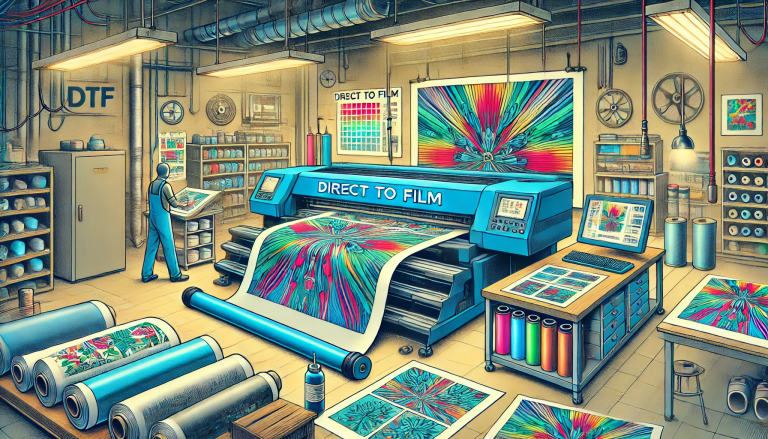
In the realm of custom printing and garment decoration, two prominent technologies have secured their positions: DTF (Direct-to-Film) and vinyl. Both are extensively utilized for crafting personalized designs on textiles, promotional products, and a variety of substrates, yet they diverge markedly in workflow, performance, and application scope. The question “Is DTF better than vinyl?” lacks a universal answer, as its resolution hinges on specific requirements such as substrate type, design complexity, production volume, and desired finish. This article conducts a comprehensive comparison of DTF and vinyl across key dimensions, equipping you with insights into their respective strengths, limitations, and ideal use cases to facilitate an informed decision.
Understanding the Basics: DTF vs. Vinyl
Prior to delving into the comparison, it is essential to clarify the core mechanisms of each technology, as these underpin their unique advantages and drawbacks. A solid understanding of how DTF and vinyl operate lays the groundwork for evaluating their suitability for different projects.
What is DTF (Direct-to-Film) Printing?
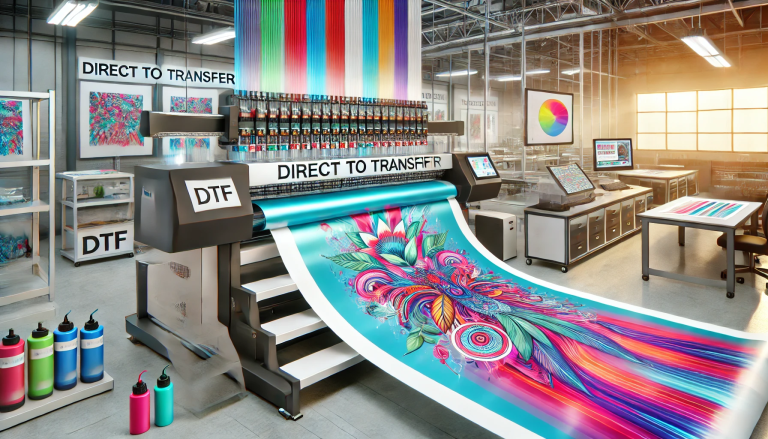
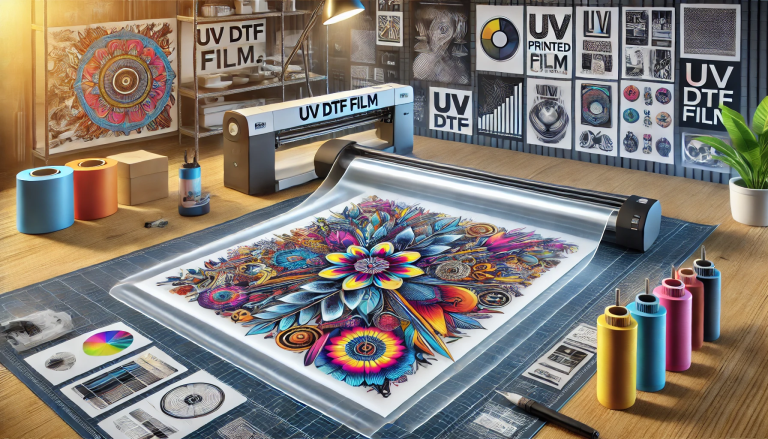
DTF printing revolves around transferring digital designs from a specialized DTF film to a substrate via heat and pressure. The workflow commences with printing a design onto the ink-receptive coating of a DTF film, followed by the application of adhesive powder, curing the film to fuse the ink and powder, and ultimately heat-pressing the film onto the target material—most frequently textiles. DTF is celebrated for its broad compatibility with diverse fabrics and its capacity to reproduce full-color, high-resolution designs without the need for pre-cutting.
What is Vinyl Printing (Heat Transfer Vinyl, HTV)?
Vinyl printing, particularly Heat Transfer Vinyl (HTV), employs pre-colored vinyl sheets that are cut into the desired design using a vinyl cutter. After cutting, excess vinyl is “weeded” out, and the remaining design is heat-pressed onto the substrate. Vinyl is available in an array of finishes—including matte, glossy, metallic, and reflective—and is valued for its durability and ease of use when creating simple designs. Unlike DTF, vinyl relies on physical cutting rather than digital printing, a limitation that restricts its ability to handle complex, multi-color gradients.
Key Comparison: DTF vs. Vinyl
To determine whether DTF outperforms vinyl, we analyze both technologies across critical factors that are pivotal to printers, businesses, and designers. This comparative analysis focuses on practical considerations that directly impact project outcomes and operational efficiency.
1. Design Complexity and Color Capability
When it comes to handling intricate designs and diverse color palettes, DTF holds a distinct advantage. Leveraging digital printing technology, DTF can effortlessly reproduce full-color gradients, photorealistic images, and fine details—such as small text or complex patterns. There are no constraints on the number of colors in a design, making it the ideal choice for creative, multi-hued projects like custom artwork or branded designs featuring complex logos.
Vinyl, in contrast, is constrained by its cutting-based workflow. Each color in a design necessitates a separate vinyl sheet, and weeding—removing excess vinyl—becomes time-consuming or even unfeasible for complex designs with fine lines or overlapping colors. Gradients and photorealistic images are nearly unattainable with standard vinyl, rendering it better suited for simple, single-color or two-color designs such as text, basic logos, or shapes.
2. Substrate Compatibility
DTF excels in substrate versatility, particularly when it comes to textiles. It works seamlessly with virtually all fabric types, including cotton, polyester, blends, denim, spandex, and silk. Unlike sublimation (which requires polyester) or DTG (Direct-to-Garment) printing (limited primarily to cotton), DTF’s adhesive-based transfer enables effective bonding with non-polyester fabrics. Additionally, it can be applied to certain non-textile substrates like leather or canvas, further expanding its application scope.
Vinyl is also compatible with many textiles, but its performance varies depending on the fabric type. It adheres best to cotton, polyester, and smooth-surfaced blends; however, it may not bond effectively with stretchy fabrics (such as spandex) or textured materials (like thick denim) without specialized vinyl variants. Moreover, vinyl is frequently used on hard substrates (e.g., plastic, metal, wood) for signage or promotional products—a niche where DTF is less commonly employed.
3. Print Quality and Finish
DTF prints deliver a soft, breathable finish that integrates seamlessly with the fabric. The ink layer is thin, ensuring the design does not feel stiff or bulky—making it comfortable for apparel such as t-shirts, hoodies, and athletic wear. Additionally, DTF produces vibrant, consistent colors that retain their brightness even after repeated washes.
Vinyl prints, by comparison, have a more noticeable, tactile finish. Depending on the vinyl type, the design may feel slightly rigid or raised on the substrate. While this quality can be desirable for creating bold, eye-catching effects (e.g., metallic or reflective logos), it may be less comfortable for lightweight or form-fitting apparel. Vinyl colors are bold and opaque, a benefit when covering dark substrates, but the finish lacks the softness characteristic of DTF.
4. Durability and Longevity
When applied correctly, both DTF and vinyl produce durable prints, but their longevity varies based on the use case. DTF prints are resistant to washing, fading, and abrasion, with most designs maintaining their quality for 50+ wash cycles when properly cured. The adhesive bond is strong, and the thin ink layer is less prone to cracking or peeling—even on stretchy fabrics.
Vinyl is renowned for its exceptional durability, especially in high-wear applications. High-quality HTV can last for 100+ wash cycles, making it ideal for workwear, team uniforms, or items that require frequent laundering. Additionally, vinyl is more resistant to scratches and external damage than DTF, a key advantage for prints on hard substrates or items used outdoors.
5. Cost and Production Efficiency
DTF is cost-effective for small-batch and on-demand production. It eliminates the setup costs associated with screen printing (e.g., stencil creation) and does not require color-specific materials, making it ideal for custom orders, limited-edition designs, or small production runs (1–50 pieces). However, DTF does require specialized equipment (a DTF printer and curing oven) and consumables (DTF film and adhesive powder), which entail higher upfront costs.
Vinyl is cost-efficient for very small runs (1–10 pieces) and simple designs. The upfront equipment cost (a vinyl cutter and heat press) is typically lower than that of DTF, and vinyl sheets are relatively affordable. However, for multi-color designs, vinyl becomes more expensive and time-consuming, as each color requires separate cutting and weeding. For large production runs, vinyl’s labor-intensive workflow makes it less efficient than DTF.
6. Environmental Impact
DTF has a mixed environmental profile. While the process generates less waste than vinyl (excess adhesive powder can be recycled), some DTF inks and films may contain VOCs (volatile organic compounds). Fortunately, eco-friendly DTF inks and films are becoming increasingly available, helping to reduce their environmental impact.
Vinyl production involves plastic materials (PVC is common), which are non-biodegradable and can release harmful chemicals during manufacturing or disposal. The weeding process also generates plastic waste, further contributing to its environmental footprint. That said, some manufacturers offer eco-friendly vinyl options (e.g., PVC-free vinyl), though these tend to be more expensive.
When is DTF Better Than Vinyl? When is Vinyl Better?
Based on the foregoing comparison, DTF emerges as the better choice over vinyl in the following scenarios:
- You need to print complex, full-color designs (such as gradients, photorealistic images, or intricate patterns).
- The target substrate is a stretchy fabric (e.g., spandex, lycra) or a blend that requires a soft, breathable finish.
- You’re producing small to medium batches (10–50 pieces) of custom apparel with diverse designs.
- Design comfort and seamless integration with the fabric are top priorities (e.g., for loungewear or lightweight t-shirts).
Conversely, vinyl is preferable to DTF in these scenarios:
- You’re creating simple, single-color or two-color designs (e.g., text, basic logos, or shapes).
- The project demands maximum durability (e.g., for workwear, team uniforms, or outdoor items).
- You’re printing on hard substrates (e.g., plastic, metal, wood) for signage or promotional products.
- You have a limited budget for upfront equipment or are producing very small runs (1–5 pieces).
Conclusion: It’s About Fit, Not Superiority
Returning to the core question “Is DTF better than vinyl?” the answer lies in your specific needs. DTF is not universally superior to vinyl, nor is vinyl inherently better than DTF—each technology excels in distinct scenarios. DTF shines when it comes to complex, full-color designs on textiles that demand a soft finish and flexibility, while vinyl is ideal for simple, highly durable designs on both textiles and hard substrates. To make the right choice, evaluate your design complexity, substrate type, production volume, budget, and desired finish. For many printers and businesses, having both technologies at their disposal enables them to cater to a broader range of customer needs. Ultimately, the “better” option is the one that aligns with your project goals and delivers the highest-quality results for your specific application.