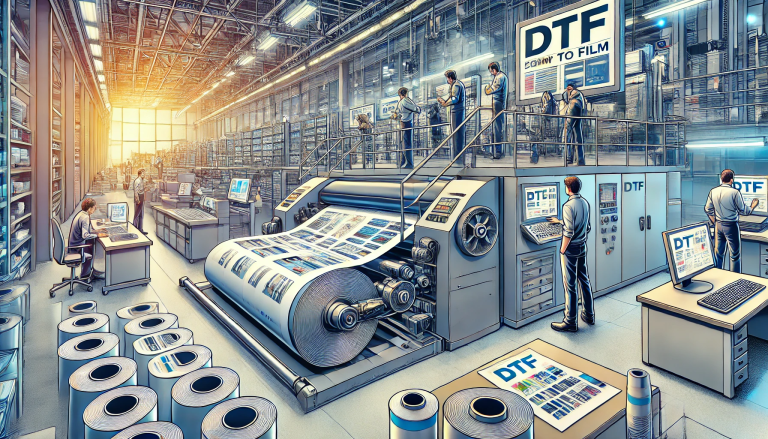
Direct-to-Film (DTF) printing has gained widespread popularity for its versatility and high-quality results on various fabrics. A common question among users—from small business owners to hobbyists—is: How long do DTF transfers last? The answer depends on multiple factors, including material quality, printing processes, fabric type, and post-care routines. This article explores the typical lifespan of DTF transfers, key influencing factors, and practical tips to extend their durability.
1. Typical Lifespan of DTF Transfers
When executed correctly with high-quality materials and proper care, DTF transfers offer impressive longevity. For everyday garments like t-shirts, hoodies, and tote bags, DTF prints can last 50 to 100 washes without significant fading, peeling, or cracking. This equates to 1 to 3 years of regular wear, making them suitable for both personal use and commercial products.
On non-textile surfaces (such as leather, canvas, or polyester blends), the lifespan can be even longer—up to 5 years or more—since these materials experience less friction and wear compared to frequently washed clothing. However, subpar materials or incorrect processes can reduce this lifespan to as few as 10 to 20 washes, leading to premature deterioration.
2. Key Factors That Affect DTF Transfer Longevity
The durability of DTF transfers is not fixed; it is shaped by four core factors that interact with each other during and after the printing process.
2.1 Material Quality
High-quality DTF films, inks, and adhesive powders are the foundation of long-lasting transfers. Inferior DTF films may have uneven coatings, weakening ink adhesion, while expired or generic inks lose color fast and fail to bond with fabrics. Premium adhesive powders melt uniformly, creating a strong bridge between the film and fabric fibers, whereas low-grade powders clump or lack stickiness, leading to peeling.
2.2 Printing and Transfer Processes
Proper calibration of printing and heat press settings is critical. Printing on the correct (matte) side of the DTF film ensures maximum ink absorption. Optimal heat press parameters—typically 160-170°C (320-338°F) with medium pressure for 15-20 seconds—ensure the adhesive fully melts and bonds with the fabric. Underheating, insufficient pressure, or uneven curing of adhesive powder will result in weak bonds that deteriorate quickly.
2.3 Fabric Type
DTF transfers perform best on synthetic or blended fabrics (e.g., polyester, cotton-poly blends) due to their ability to bond with the adhesive layer. Pure cotton fabrics, while compatible, may have slightly shorter lifespans (40-80 washes) because their natural fibers are more porous and prone to friction-induced wear. Rough or textured fabrics (like denim) can also accelerate wear by abrading the print surface.
2.4 Post-Transfer Care
Improper care is one of the leading causes of shortened DTF transfer lifespan. Washing garments too soon (before 24-48 hours of curing), using hot water, harsh detergents, or bleach, and machine-drying on high heat all break down the adhesive layer. Friction from washing with other rough items or scrubbing the print directly also damages the transfer.
3. Tips to Extend the Lifespan of DTF Transfers
With simple adjustments to care routines and process habits, you can significantly prolong the durability of DTF prints.
First, allow sufficient curing time: Let printed items air-dry for 24-48 hours after transfer to ensure the adhesive fully bonds with the fabric. Avoid folding or stretching the printed area during this period.
Second, adopt gentle washing practices: Turn garments inside out before washing to minimize friction on the print. Use cold or lukewarm water and mild, phosphate-free detergent. Skip bleach, fabric softeners, and dry cleaning, as these chemicals damage the adhesive and ink.
Third, optimize drying and ironing: Air-dry printed items whenever possible. If using a dryer, select the lowest heat setting. Never iron directly on the print—use a pressing cloth or iron the garment inside out.
Finally, invest in quality materials: Choose reputable DTF films, inks, and powders that are compatible with your fabric type. Store unused materials in a cool, dry place to preserve their performance.
4. Common Myths About DTF Transfer Lifespan
Several misconceptions surround DTF durability, leading to unrealistic expectations or improper use.
Myth 1: “DTF transfers last as long as screen printing.” While DTF is durable, screen printing typically offers longer lifespans (100+ washes) on cotton fabrics, as ink is embedded deeper into fibers. However, DTF outperforms screen printing in versatility and small-batch efficiency.
Myth 2: “Hot-peel DTF transfers are less durable than cold-peel.” When applied correctly, hot-peel and cold-peel transfers have similar lifespans. The peeling method affects production speed, not long-term durability.
Myth 3: “DTF transfers fade quickly on dark fabrics.” High-quality DTF inks are formulated to resist fading on both light and dark fabrics, provided they are paired with compatible films and proper curing.
In conclusion, DTF transfers offer reliable durability—50 to 100 washes for garments—when supported by quality materials, correct processes, and gentle care. By understanding the factors that influence lifespan and implementing simple maintenance tips, you can ensure your DTF prints remain vibrant and intact for years.