“Exploring UV DTF Printing: A Guide to Suitable Printers” -MAXDTF-DTF UV Paper Factory, UV DTF transfer Paper Manufacturer, Made in China
UV DTF (Ultraviolet Direct-to-Film) printing has revolutionized the custom decoration industry with its versatility, fast curing speed, and ability to print on diverse substrates. At the heart of this technology lies the UV DTF printer—a specialized device that combines UV curing technology with DTF’s film-based transfer process. Choosing the right printer is critical to unlocking the full potential of UV DTF printing, whether for small-batch DIY projects, small business operations, or large-scale commercial production. This guide explores the essentials of UV DTF printing and provides a comprehensive overview of suitable printers, helping users make informed decisions based on their needs.
Understanding UV DTF Printing: Core Principles
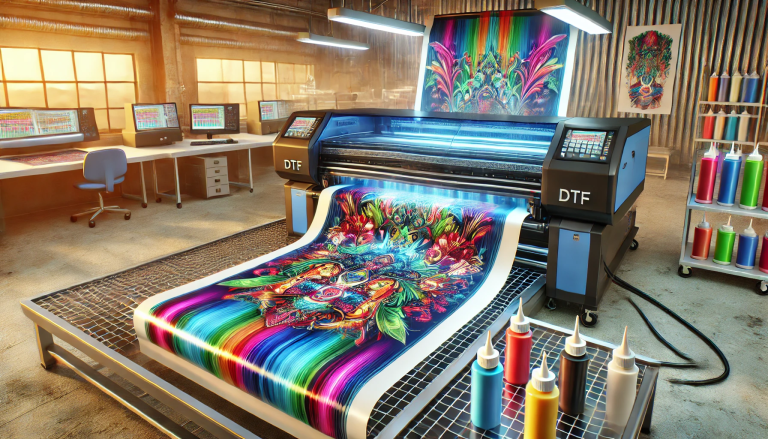
Before delving into printer selection, it’s essential to grasp how UV DTF printing works. Unlike traditional DTF printing that uses thermal curing, UV DTF relies on UV light to instantly cure inks as they are printed onto a specialized DTF film. The process involves three key steps: printing the design onto UV DTF film using UV-curable inks, applying hot-melt adhesive powder to the printed design, and transferring the cured design onto the target substrate (such as plastic, glass, fabric, or metal) via pressure (no heat press required in most cases). The instant UV curing ensures fast production cycles, stable ink adhesion, and high-quality prints with vibrant colors and sharp details—advantages that depend heavily on the performance of the UV DTF printer.
Types of Suitable UV DTF Printers
UV DTF printers come in various models tailored to different production scales and use cases. The most common types include desktop printers for small-scale use and industrial printers for high-volume production. Each type offers distinct features and capabilities to meet specific user needs:
Desktop UV DTF Printers: Ideal for Hobbyists and Small Businesses
Desktop UV DTF printers are compact, cost-effective, and easy to operate, making them perfect for hobbyists, crafters, and small businesses with limited space and low to medium production demands. These printers typically have a print width ranging from 20cm to 30cm, suitable for creating custom stickers, phone cases, small promotional items, and personalized crafts. Key features include user-friendly control software, low power consumption, and compatibility with standard UV DTF films and inks. Popular models often support wireless connectivity and quick setup, allowing beginners to get started with minimal technical knowledge. While they may not match industrial printers in speed, desktop models offer excellent value for money and flexibility for on-demand small-batch production.
Industrial UV DTF Printers: For High-Volume Commercial Production
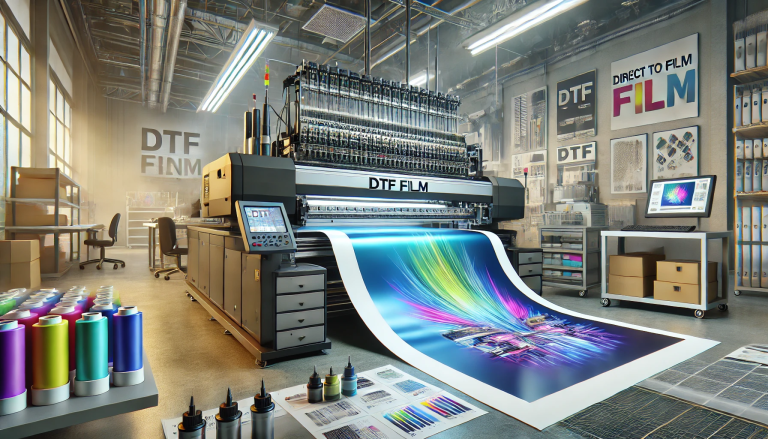
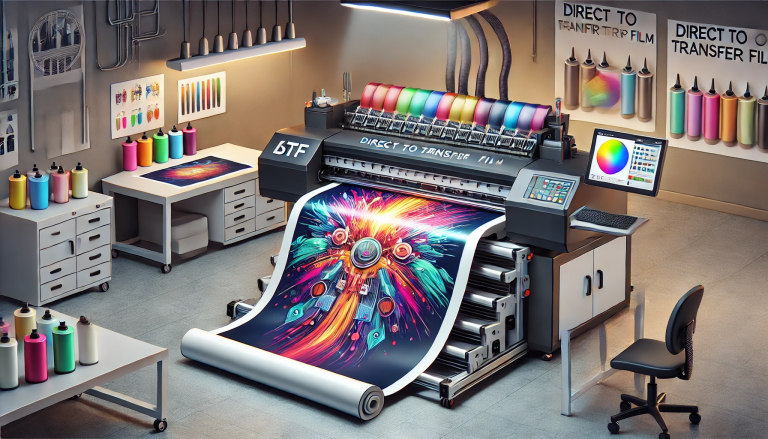
Industrial UV DTF printers are designed for large-scale commercial operations, such as printing factories, signage companies, and large promotional product manufacturers. These printers boast wider print widths (up to 160cm or more), faster printing speeds, and higher ink capacity, enabling continuous high-volume production. They are equipped with advanced features like multiple UV lamp modules for uniform curing, precision print heads (such as Epson or Ricoh heads) for superior print quality, and automated powder coating and curing systems that streamline the workflow. Industrial UV DTF printers also offer enhanced durability and reliability, capable of operating for long hours without frequent maintenance. While they come with a higher price tag, their efficiency and productivity make them a worthwhile investment for businesses with high production demands.
Key Factors to Consider When Choosing a UV DTF Printer
Selecting the right UV DTF printer requires evaluating several critical factors to ensure it aligns with your production needs, budget, and long-term goals. The following are the most important considerations:
1. Print Size and Speed
Assess the maximum print size you need for your projects—desktop printers are suitable for small items, while industrial models handle larger formats like signage or large promotional products. Print speed is also crucial: if you need to fulfill high-volume orders quickly, an industrial printer with high speed (measured in square meters per hour) is essential. For small-batch or custom orders, speed may be less critical than print quality and ease of use.
2. Print Head Quality
The print head is the core component of a UV DTF printer, directly affecting print quality and durability. High-quality print heads (e.g., Epson I3200, Ricoh Gen5) deliver sharper details, smoother color gradients, and more consistent results. They also have a longer lifespan and are less prone to clogging, reducing maintenance costs and downtime. When choosing a printer, prioritize models with reputable print heads and easy-to-replace components.
3. UV Curing System
The UV curing system determines the speed and quality of ink curing. Look for printers with multiple UV lamp modules (LED UV lamps are preferred for energy efficiency and long life) that provide uniform light distribution. A reliable curing system ensures that inks dry instantly, preventing smudging and ensuring strong adhesion to the DTF film. Some advanced models offer adjustable UV intensity, allowing users to optimize curing for different ink types and substrates.
4. Compatibility and Versatility
Ensure the printer is compatible with a wide range of UV DTF films (e.g., standard, clear, reflective) and UV-curable inks (CMYK, white, varnish). Versatility in substrate compatibility (even though the printer itself prints on film, the quality of the print affects transfer to various substrates) is also important. Additionally, check if the printer supports additional features like white ink printing (essential for printing on dark substrates) or varnish coating for enhanced durability and gloss.
5. Cost and Maintenance
Consider the initial purchase price, as well as long-term costs such as ink, film, replacement parts, and maintenance. Desktop printers have lower upfront costs but may have higher per-print costs for small volumes. Industrial printers have higher initial investments but lower per-unit costs for high-volume production. Also, choose a printer with easily accessible spare parts and reliable after-sales support to minimize downtime and maintenance headaches.
Maintenance Tips for UV DTF Printers
Proper maintenance is essential to extend the lifespan of a UV DTF printer and ensure consistent print quality. Key maintenance practices include: regular cleaning of the print head to prevent clogging (follow the manufacturer’s guidelines for cleaning solutions and frequency); checking and replacing UV lamps as needed to maintain curing efficiency; keeping the printer in a clean, dry environment to avoid dust and moisture buildup; and using high-quality, compatible inks and films to prevent damage to the print head and other components. Regular software updates can also improve printer performance and add new features.
Conclusion: Choosing the Right UV DTF Printer for Your Needs
UV DTF printing offers unparalleled versatility and efficiency for custom decoration, and selecting the right printer is the key to leveraging these benefits. Hobbyists and small businesses should opt for desktop UV DTF printers, which balance cost, size, and ease of use. For commercial operations with high-volume demands, industrial UV DTF printers provide the speed, durability, and productivity needed to meet large orders efficiently. By considering factors like print size, speed, print head quality, curing system, and cost, users can select a printer that aligns with their specific projects and goals. With the right UV DTF printer, creators and businesses can unlock endless possibilities for custom designs, delivering high-quality, durable products that stand out in the market.