“Exploring UV DTF Compatible Printers: Bridging Innovation and Creativity” -MAXDTF- UV DTF Adhesive Transfer Film Wholesale, UV DTF transfer Decal Supplier, Made in China
UV DTF (Ultraviolet Direct-to-Film) technology has revolutionized the custom printing industry, enabling high-quality, versatile prints on an extensive range of substrates—from textiles and leather to ceramics and metal. At the heart of this revolution lies UV DTF compatible printers, the critical hardware that translates digital creativity into tangible, durable outputs. These printers are not just tools but enablers, bridging technological innovation with artistic expression by overcoming the limitations of traditional printing methods. This article delves into the world of UV DTF compatible printers, exploring their core characteristics, key types, factors for selection, and how they unlock new creative possibilities for designers, businesses, and hobbyists alike.
The Core Role of UV DTF Compatible Printers: Innovation Meets Practicality
UV DTF compatible printers serve as the linchpin of UV DTF printing workflows, integrating advanced inkjet technology with UV curing systems to deliver consistent, high-performance results. Unlike standard printers, these specialized devices are engineered to work seamlessly with UV-curable inks and UV DTF films, ensuring precise ink deposition, strong adhesion, and rapid curing. Their core value lies in bridging innovation—such as piezoelectric print head technology and adjustable UV curing systems—with practicality, enabling prints that are both visually striking and durable. By facilitating compatibility across diverse substrates and supporting intricate design reproduction, UV DTF compatible printers empower creators to push the boundaries of traditional printing, turning bold ideas into reality.
Key Types of UV DTF Compatible Printers: Tailored to Diverse Needs
UV DTF compatible printers are not one-size-fits-all; they come in various configurations to cater to different production scales, budgets, and application requirements. From industrial-grade machines for large-scale manufacturing to modified desktop models for small-batch creation, each type offers unique advantages that align with specific creative and commercial goals.
1. Industrial-Grade UV DTF Printers: Powering Large-Scale Innovation
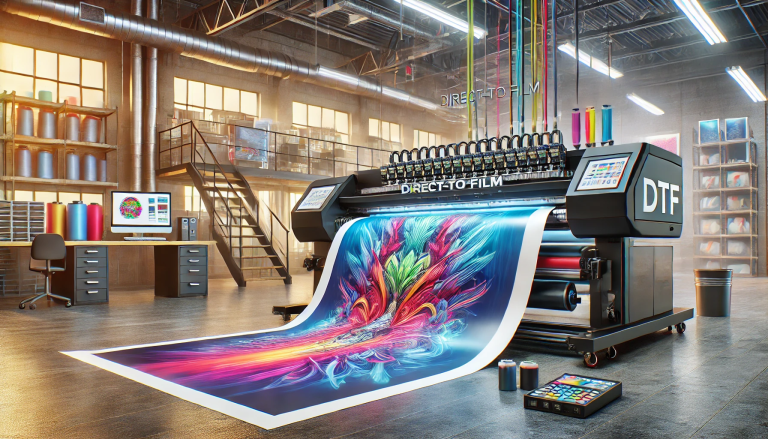
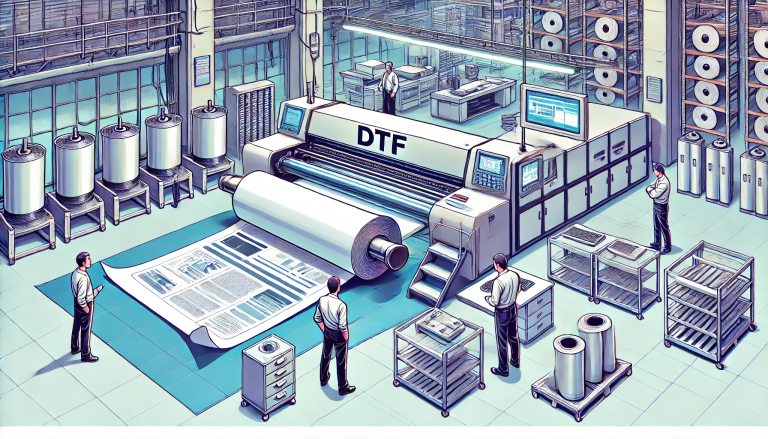
Industrial-grade UV DTF printers are the workhorses of the commercial printing sector, specifically engineered to meet the demands of high-volume production. Equipped with high-performance piezoelectric print heads, these printers deliver exceptional precision and speed, capable of handling large rolls of UV DTF film with consistent results. A defining feature is their integrated UV curing systems, which ensure rapid, uniform curing of inks—critical for maintaining print quality and production efficiency. Designed to be fully compatible with a wide range of UV DTF films and inks, industrial-grade models offer adjustable settings for ink droplet size, print speed, and curing intensity, making them versatile enough for applications ranging from mass-produced apparel to large-format promotional displays. Their robust construction and reliable performance make them ideal for businesses seeking to scale operations while upholding high print standards.
2. Modified Desktop UV DTF Printers: Democratizing Creative Expression
For small-batch producers, hobbyists, and independent designers, modified desktop UV DTF printers have democratized access to UV DTF technology. These printers are typically standard desktop inkjet printers retrofitted with UV-curable ink systems and external UV curing lamps, making them a cost-effective entry point into UV DTF printing. While they lack the speed and volume capacity of industrial models, they offer significant flexibility, supporting small-scale projects like custom apparel, personalized gifts, and niche art prints. A key requirement for these modified printers is compatibility with piezoelectric print heads—thermal heads are unsuitable, as their heat can prematurely cure UV inks or damage UV DTF film coatings. Despite their limitations in consistency and scale, modified desktop printers empower creators to experiment with UV DTF technology without substantial upfront investment, fostering innovation at the grassroots level.
Critical Characteristics of High-Performance UV DTF Compatible Printers
Not all UV DTF compatible printers are created equal; high-performance models share key characteristics that ensure they effectively bridge innovation and creativity. These features are essential for delivering reliable, high-quality prints and maximizing creative potential.
1. Piezoelectric Print Head Technology
The print head is the most critical component of a UV DTF compatible printer, and piezoelectric technology is the gold standard. Unlike thermal print heads, which use heat to eject ink (risking premature UV ink curing and film damage), piezoelectric heads use electrical pulses to expel ink droplets with exceptional precision. This technology ensures consistent ink deposition, sharp detail reproduction, and compatibility with UV-curable inks and UV DTF films, making it indispensable for high-quality creative outputs.
2. Adjustable UV Curing Systems
UV curing is a defining step in UV DTF printing, and compatible printers feature adjustable UV lamp intensity and positioning. This flexibility allows users to tailor the curing process to different UV DTF film types, ink formulations, and substrates, ensuring optimal adhesion and durability without damaging the print or substrate. Advanced models may offer multi-stage curing systems, further enhancing print quality by preventing ink smudging or bleeding.
3. Versatile Substrate and Film Compatibility
Top-tier UV DTF compatible printers support a wide range of UV DTF films (including matte, glossy, and reflective variants) and substrates. This versatility is critical for creative expression, as it allows designers to experiment with different textures and materials—from soft cotton fabrics to rigid acrylic panels. Printers with adjustable roller pressure and feed mechanisms further enhance compatibility, ensuring smooth handling of films and substrates of varying thicknesses.
4. Intuitive Calibration and Control
To bridge innovation and creativity effectively, UV DTF compatible printers must be user-friendly, with intuitive calibration tools for ink density, print speed, and color accuracy. These features allow creators to fine-tune settings to match their design vision, ensuring that colors are vibrant, details are sharp, and prints are consistent across batches. Many modern models also offer software integration, enabling seamless workflow from digital design to print output.
Selecting the Right UV DTF Compatible Printer: Aligning with Creative and Commercial Goals
Choosing the ideal UV DTF compatible printer requires careful consideration of both creative aspirations and practical needs. Below are key factors to guide the selection process:
1. Production Scale and Volume
For large-scale commercial operations, industrial-grade printers are the optimal choice, offering speed and consistency for high-volume runs. Small-batch creators or hobbyists, however, will find modified desktop printers more cost-effective and suitable for their needs.
2. Substrate and Application Scope
Evaluate the range of substrates you plan to print on. If your work spans textiles, hard surfaces, and large formats, an industrial-grade printer with broad compatibility is essential. For specialized niche applications (e.g., small custom accessories), a desktop model may suffice.
3. Budget and Total Cost of Ownership
While desktop modified printers have lower upfront costs, industrial-grade models offer better long-term value for high-volume operations. Consider not just the printer price but also ongoing costs such as inks, UV DTF films, and maintenance.
4. Manufacturer Support and Reliability
Choose printers from reputable manufacturers that offer comprehensive support, including technical assistance, maintenance guides, and compatible consumables (inks, films). Reliable after-sales support ensures minimal downtime and helps maximize the printer’s lifespan.
Unlocking Creative Potential: Real-World Applications of UV DTF Compatible Printers
UV DTF compatible printers are transforming creative industries by enabling applications that were once impractical or impossible with traditional printing methods. Some standout use cases include:
- Fashion and Apparel: Creating intricate, durable prints on 100% cotton, denim, and leather—materials once challenging for UV printing—enabling unique streetwear designs, custom accessories, and limited-edition collections.
- Home Décor and Lifestyle Products: Producing personalized prints on wooden wall art, ceramic vases, and glassware, blending aesthetic appeal with durability for long-lasting home goods.
- Promotional and Branded Merchandise: Crafting high-impact, reflective prints on tote bags, metal water bottles, and acrylic keychains, ensuring brand visibility in diverse settings.
- Art and Custom Artistry: Supporting artists in creating one-of-a-kind prints on non-traditional substrates, such as canvas, stone, and resin, expanding the boundaries of digital art reproduction.
The Future of UV DTF Compatible Printers: Innovations on the Horizon
As UV DTF technology evolves, UV DTF compatible printers are set to become even more advanced, further bridging innovation and creativity. Future developments may include faster print speeds, enhanced energy efficiency, and integration with smart technologies for real-time monitoring and calibration. Additionally, the rise of eco-friendly UV inks and films will drive the development of printers optimized for sustainable workflows, aligning creative production with environmental responsibility. For creators and businesses, these advancements will unlock even more possibilities, making UV DTF printing an increasingly accessible and versatile solution.
Conclusion
UV DTF compatible printers are more than just printing hardware—they are the bridge between technological innovation and creative expression. By combining advanced features like piezoelectric print heads, adjustable UV curing systems, and broad substrate compatibility, these printers empower creators to push the limits of traditional printing, delivering prints that are both visually stunning and durable. Whether through industrial-grade models powering large-scale production or modified desktop printers democratizing small-batch creation, UV DTF compatible printers are reshaping the custom printing landscape. As technology continues to advance, their role in fostering innovation and creativity will only grow, solidifying their status as indispensable tools in the modern creative industry.