“Exploring the Art and Science of Direct-to-Film Printing” -MAXDTF- Direct Transfer UV DTF Paper Wholesale, Direct Transfer UV DTF Paper Manufacturer, Made in China
In the ever-evolving world of printing technology, Direct-to-Film (DTF) printing has emerged as a fascinating blend of artistry and scientific innovation. This versatile and dynamic printing method combines the precision of digital technology with the creativity of design, offering a unique solution for businesses and artists alike. This article delves into the art and science behind DTF printing, exploring how it transforms the way we create, customize, and produce printed materials.
The Art of DTF Printing: Creativity Meets Precision
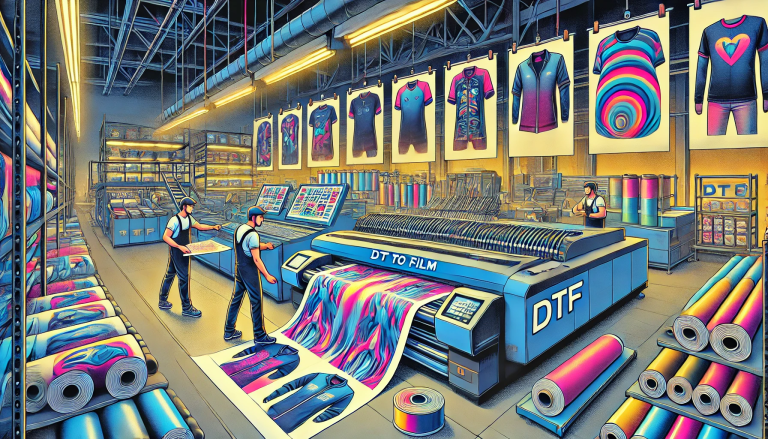
At its core, DTF printing is an artistic medium that allows for the creation of intricate, vibrant, and personalized designs. The process begins with the digital design phase, where creativity knows no bounds. Designers can leverage advanced software to produce detailed graphics, gradients, and photographic-quality images that were once challenging to achieve with traditional printing methods.
1. Creative Flexibility
One of the most compelling aspects of DTF printing is its ability to handle complex designs with ease. Unlike screen printing, which requires separate screens for each color, DTF printing uses digital technology to print all colors in a single pass. This capability opens the door to a world of creative possibilities, from subtle shading and gradients to bold, abstract designs.
Artists and businesses can experiment with textures, patterns, and even 3D effects to create unique and eye-catching visuals. Whether it’s a custom logo, a full-color photo, or a stylized illustration, DTF printing brings designs to life with stunning clarity and precision.
2. Personalization at Scale
DTF printing is particularly celebrated for its ability to cater to personalized products. In today’s market, consumers demand customization, and DTF printing delivers. From unique T-shirt designs to personalized gifts, this method allows for the production of small-batch or even single-item orders. This scalability makes DTF printing ideal for fashion brands, event merchandise, and promotional products.
The art of DTF printing lies not only in the design itself but also in the ability to tell individual stories through personalized products. It’s a testament to the power of innovation in merging creativity with consumer preferences.
The Science of DTF Printing: Innovation and Technology
Behind the scenes, DTF printing is driven by cutting-edge technology that ensures accuracy, efficiency, and sustainability. Understanding the scientific principles behind this process reveals why it has become a go-to solution for modern printing needs.
1. How DTF Printing Works
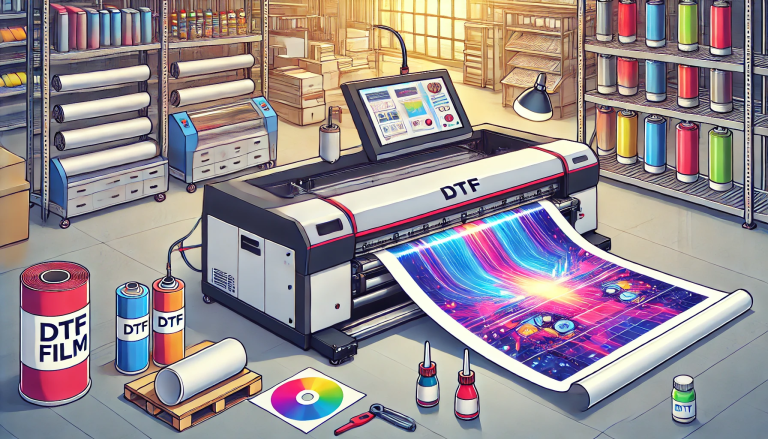
DTF printing involves three key steps:
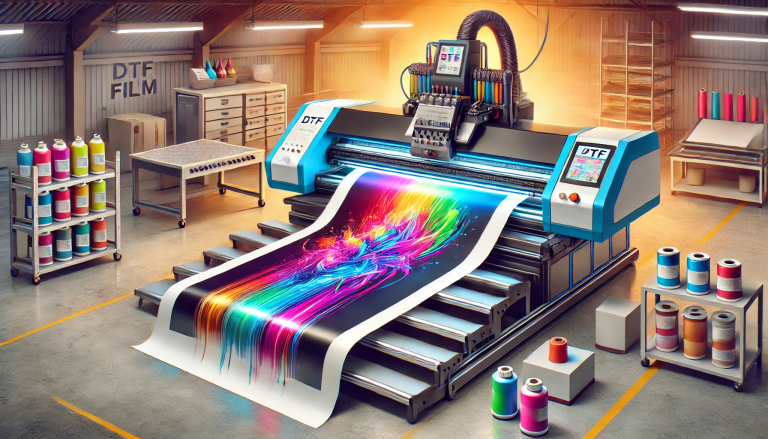
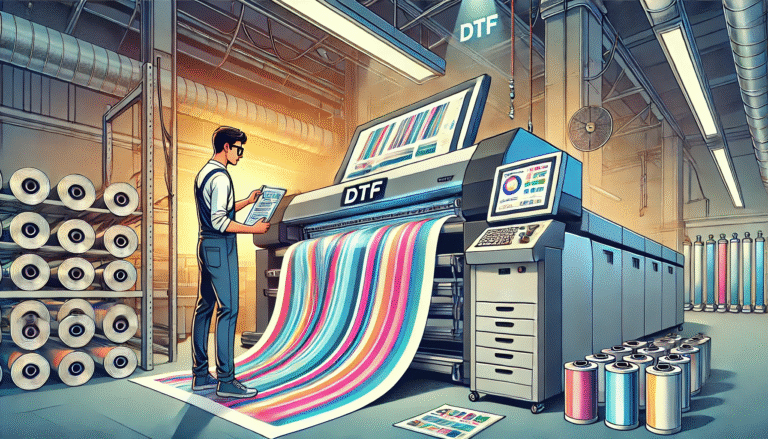
- Printing onto Film: Designs are printed digitally onto a special transfer film using water-based inks. This step ensures precise color reproduction and high resolution.
- Applying Adhesive: A special adhesive powder is applied to the printed film, bonding the ink to the substrate during the transfer process.
- Heat Transfer: The film is then placed onto the desired material and pressed with a heat press, transferring the design seamlessly.
This process is both simple and highly efficient, making it accessible to small businesses and hobbyists while meeting the demands of large-scale production.
2. The Role of Water-Based Inks
One of the most remarkable aspects of DTF printing is its use of water-based inks. Unlike traditional screen printing inks that often contain volatile organic compounds (VOCs), DTF printing relies on eco-friendly, non-toxic inks. These inks not only reduce the environmental footprint of the printing process but also produce vibrant, durable prints that are resistant to fading and cracking.
The science behind water-based inks ensures that the colors remain consistent and long-lasting, even after repeated washes or exposure to sunlight. This is a significant advantage for industries such as fashion, where durability is paramount.
3. Versatility Across Materials
The scientific innovation behind DTF printing extends to its compatibility with a wide range of materials. Unlike traditional methods that are limited to specific substrates, DTF printing can be applied to textiles, plastics, metals, ceramics, and more. This versatility is achieved through the precise application of heat and adhesive during the transfer process.
The ability to print on unconventional surfaces opens up new possibilities for industries such as promotional products, industrial labeling, and even interior design. It’s a testament to the ingenuity of DTF printing, which bridges the gap between science and practical application.
The Synergy of Art and Science
DTF printing is a prime example of how art and science can work together to create something truly remarkable. The artistic aspect lies in the limitless creativity and personalization it enables, while the scientific foundation ensures precision, durability, and sustainability. This synergy makes DTF printing a versatile and forward-thinking solution for businesses and artists in today’s fast-paced world.
1. A Sustainable Choice
The eco-friendly nature of DTF printing, with its water-based inks and reduced waste, aligns with modern sustainability goals. This is not just a scientific achievement but also an artistic statement—emphasizing the importance of preserving the environment while creating beautiful designs.
2. Empowering Small Businesses and Artists
DTF printing levels the playing field for small businesses and independent artists. Its cost-effectiveness, ease of use, and ability to handle small-batch production make it an accessible option for those who may not have the resources for traditional methods. This democratization of printing technology is a testament to the power of innovation.
3. Meeting the Demands of a Digital Age
In an era where e-commerce and digital marketing dominate, DTF printing offers a seamless integration with online platforms. From digital design files to fast production and delivery, it responds to the demands of a digitally connected world. This blend of traditional craftsmanship and modern technology ensures relevance in an ever-changing marketplace.
Conclusion: A Paradigm Shift in Printing
The art and science of Direct-to-Film printing represent a paradigm shift in the printing industry. It reimagines the possibilities of design while embracing the principles of sustainability, efficiency, and innovation. By combining the creativity of art with the precision of science, DTF printing has become a powerful tool for businesses, artists, and consumers alike.
As we explore the endless potential of this technology, one thing is clear: DTF printing is not just a trend but a transformative force that will continue to shape the future of printing. Whether you’re a business owner, an artist, or simply a fan of innovative solutions, the art and science of DTF printing offer a world of possibilities waiting to be explored.