“Direct to Film Transfers: A Comprehensive Overview” -MAXDTF- UV DTF Paper Factory, UV DTF PET Paper Manufacturer, Made in China
Direct to Film (DTF) Transfers have emerged as a transformative technology in the custom printing industry, revolutionizing how designs are applied to a wide array of substrates. Combining versatility, affordability, and high-quality results, DTF Transfers have become a preferred choice for small businesses, hobbyists, and large-scale manufacturers alike. Unlike traditional printing methods that impose limitations on fabric types or design complexity, DTF Transfers offer a flexible solution that adapts to diverse needs. This comprehensive overview delves into the fundamentals of DTF Transfers, their workflow, key advantages, applications, and considerations for successful implementation.
What Are Direct to Film Transfers?
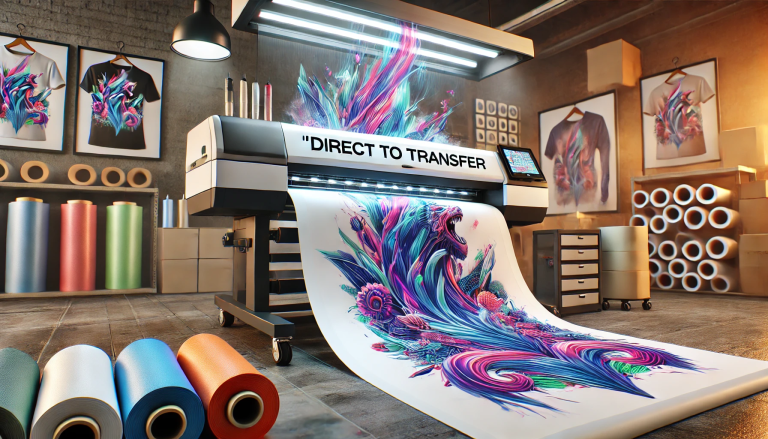
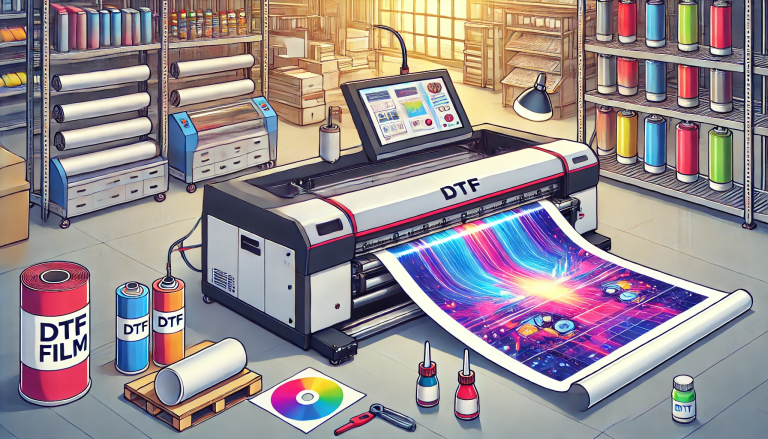
Direct to Film Transfers refer to a digital printing process where designs are first printed onto a specialized polyester film coated with a heat-sensitive adhesive. The printed film is then transferred onto the target substrate (such as fabric, wood, or plastic) using heat and pressure. A critical component of this process is the heat-activated powder adhesive, which bonds the ink to both the film and the final substrate, ensuring durability and longevity.
Unlike Direct to Garment (DTG) printing, which deposits ink directly onto fabric, DTF Transfers use an intermediate film layer. This distinction gives DTF Transfers their unique advantage of compatibility with virtually any material, regardless of its fiber content or texture—a key reason for their growing popularity.
The DTF Transfers Workflow: Step-by-Step
The DTF Transfers process consists of five core steps, each critical to achieving high-quality, long-lasting results. The workflow is straightforward, making it accessible even to beginners with minimal training.
1. Design Preparation
First, the desired design is created or edited using graphic design software (e.g., Adobe Photoshop, CorelDRAW). The design is optimized for printing, ensuring high resolution (300 DPI or higher) to avoid blurriness. For light-colored substrates, no reverse printing is needed; for dark substrates, a white underbase may be added to enhance color vibrancy.
2. Printing on DTF Film
The optimized design is printed directly onto the adhesive-coated side of the DTF film using a DTF-compatible printer. These printers use water-based or solvent-based DTF inks, which are formulated to adhere to the film’s coating and bond with the powder adhesive later in the process. Proper ink coverage and even application are essential here to ensure sharp design details.
3. Powder Adhesive Application
Immediately after printing, a heat-sensitive powder adhesive is evenly sprinkled over the printed design. The powder adheres to the wet ink, covering the entire design area. Excess powder is shaken off and collected for reuse, reducing waste and lowering costs.
4. Curing
The film (with the printed design and powder adhesive) is placed in a curing oven or under a heat press. At temperatures between 320–350°F (160–175°C), the powder melts, forming a smooth, flexible layer that bonds the ink to the film. Curing typically takes 2–3 minutes in an oven or 30–60 seconds with a heat press, depending on the equipment and powder type.
5. Transfer to Substrate
Once cured, the film is positioned onto the target substrate. A heat press applies medium-high pressure (40–50 psi) and the same temperature range as curing for 10–15 seconds. The adhesive layer melts again, bonding the design to the substrate. After cooling briefly, the polyester film is peeled away, leaving the design permanently transferred.
Key Advantages of Direct to Film Transfers
DTF Transfers offer numerous benefits that set them apart from traditional printing methods like DTG, screen printing, or heat transfer vinyl (HTV), making them a versatile solution for various applications.
1. Versatile Substrate Compatibility
One of the biggest advantages of DTF Transfers is their ability to adhere to almost any substrate. They work on cotton, polyester, blends, leather, nylon, wood, metal, and even plastic—eliminating the fabric restrictions of DTG printing, which performs best on 100% cotton.
2. Cost-Effective for Small Batches
Unlike screen printing, which requires expensive setup fees for each design, DTF Transfers have no minimum order quantity. This makes them ideal for small-batch orders, custom one-offs, or seasonal merchandise, where screen printing would be cost-prohibitive.
3. Vibrant, Durable Results
DTF Transfers produce bright, vivid colors that retain their vibrancy after repeated washes. The powder adhesive creates a strong bond with the substrate, ensuring the design resists peeling, cracking, or fading. High-quality DTF prints can withstand 30–50 washes without significant degradation.
4. Easy to Use and Scale
The DTF workflow is simple to learn, with minimal training required. For businesses, this means faster onboarding and less downtime. Additionally, the process scales easily—from small desktop setups for hobbyists to industrial printers for high-volume production.
Common Applications of DTF Transfers
The versatility of DTF Transfers makes them suitable for a wide range of industries and products. Some of the most common applications include:
- Apparel: Custom t-shirts, hoodies, jackets, hats, and sportswear.
- Promotional Products: Branded bags, towels, water bottles, and keychains.
- Home Decor: Printed cushions, curtains, wall art, and wooden signs.
- Industrial Uses: Labeling for tools, equipment, and packaging materials.
- Personalized Gifts: Custom mugs, photo frames, and souvenir items.
Considerations for Successful DTF Transfers
To achieve the best results with DTF Transfers, several key factors should be considered, from equipment and materials to process control.
1. Quality of Materials
Using high-quality DTF film, inks, and powder adhesive is critical. Cheap or low-grade materials can lead to poor adhesion, faded colors, or premature wear. Choose materials compatible with your printer and intended substrate.
2. Equipment Calibration
Properly calibrating the printer, curing oven, and heat press ensures consistent results. Temperature, pressure, and time settings must be adjusted based on the substrate type and material thickness to avoid under-curing (poor adhesion) or over-curing (brittle designs).
3. Substrate Preparation
The target substrate should be clean and dry before transfer. For fabrics, washing and drying to remove dirt, oils, or sizing helps improve adhesion. Lint or dust on the substrate can cause gaps in the design, so using a lint roller is recommended.
Conclusion
Direct to Film Transfers have redefined the custom printing landscape, offering a versatile, cost-effective, and high-quality solution for businesses and creators of all sizes. Their ability to work with diverse substrates, accommodate small batches, and produce durable, vibrant prints makes them a superior alternative to many traditional printing methods. By understanding the DTF workflow, leveraging quality materials, and optimizing process settings, anyone can achieve professional results with DTF Transfers. As the printing industry continues to evolve, DTF Transfers are poised to remain a cornerstone technology, empowering creativity and innovation across countless applications.