“Direct-to-Film (DTF) Printing Versus Vinyl: A Comparative Look at Texture and Feel” -MAXDTF- DTF Digital Transfer paper Supplier, DTF Transfer Sheets Factory, Made in China
In the realm of custom decoration and printing, texture and feel are pivotal factors that shape user experience, product appeal, and even durability. Direct-to-Film (DTF) printing and vinyl application are two widely used techniques, yet they differ dramatically in the tactile qualities they deliver. For businesses, designers, and hobbyists alike, understanding these differences is essential to selecting the right method for specific projects—whether prioritizing comfort, aesthetics, or functional performance. This article takes a comparative deep dive into the texture and feel of DTF prints versus vinyl, exploring their unique characteristics, influencing factors, and ideal use cases.
Foundations: How DTF and Vinyl Define Texture
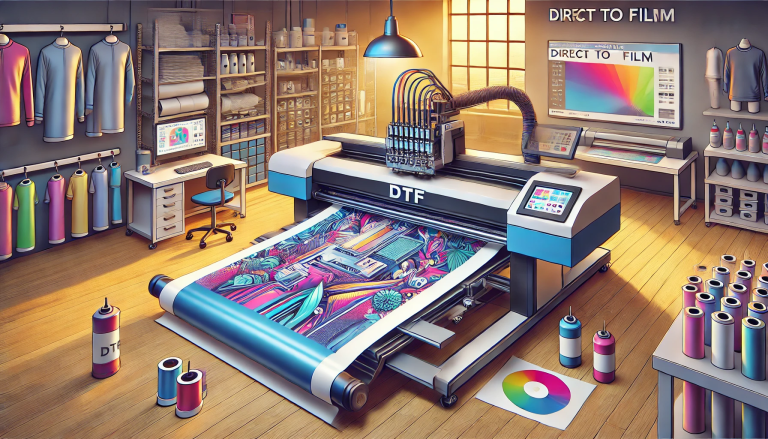
Before delving into tactile differences, it’s critical to grasp how each technique’s core mechanics shape its texture. DTF printing involves transferring designs from a specialized film to a substrate (typically fabric) using heat and pressure. The process relies on UV-cured or thermally cured inks combined with hot-melt adhesive, which fuses with the substrate’s fibers during application. This integration with the material’s structure is key to DTF’s distinct feel.
Vinyl, by contrast, is a physical material—thin sheets of plastic (PVC or polyurethane) that are cut into designs and applied to surfaces via heat-activated or pressure-sensitive adhesive. Unlike DTF, vinyl sits atop the substrate rather than integrating with it, creating a more distinct, layered texture. The thickness of the vinyl sheet, adhesive type, and application method all play roles in its final tactile profile.
Tactile Showdown: DTF Prints vs. Vinyl
DTF Printing: Soft, Breathable, and Substrate-Integrated
The most notable tactile feature of DTF prints is their soft, fabric-like feel. Because the ink and adhesive blend with the substrate’s fibers (especially on fabrics), the print becomes part of the material rather than a separate layer. This results in a smooth texture that is barely perceptible to the touch, maintaining the substrate’s original breathability and flexibility. Even on thicker fabrics like cotton hoodies or canvas, DTF prints do not add bulk or stiffness, making them ideal for apparel where comfort is paramount. For intricate designs or full-color gradients, the texture remains consistent across the entire print, with no edges or seams to disrupt the tactile experience.
Vinyl: Stiff, Layered, and Tactilely Distinct
Vinyl, on the other hand, offers a stiffer, more pronounced texture that is easily felt against the skin or when handling the product. Since vinyl sheets are applied as a top layer, they create a noticeable boundary between the design and the substrate. Thin vinyl (often used for apparel) may feel slightly flexible, but it still lacks the seamless integration of DTF—many users describe it as having a “plastic-like” or “rubbery” feel. Thicker vinyl, commonly used for signage or outdoor applications, is even stiffer and more rigid, with a distinct edge that can catch on clothing or fingers. For complex designs with multiple vinyl layers, the texture becomes increasingly uneven, as each layer adds thickness and tactile separation.
Key Factors Influencing Texture and Feel
Several variables can modify the texture of both DTF prints and vinyl, though their core tactile identities remain consistent:
For DTF: Ink type (UV-cured vs. thermal) and adhesive quality impact softness—high-quality hot-melt adhesives blend more seamlessly with fibers. Substrate choice also matters: DTF feels softer on natural fibers like cotton than on synthetic blends, where fibers are less porous. Additionally, heat press settings (temperature and pressure) affect ink penetration; proper calibration ensures optimal integration without stiffening the material.
For Vinyl: Vinyl thickness (measured in mils) is the primary factor—thinner vinyl (2-3 mils) is softer than thicker options (5+ mils). Vinyl type also plays a role: polyurethane (PU) vinyl is more flexible than polyvinyl chloride (PVC) vinyl. Application technique influences adhesion and texture; under-heating can leave vinyl edges raised, while over-heating may cause it to shrink or stiffen further.
Choosing Based on Texture: Ideal Use Cases
The tactile differences between DTF and vinyl make each technique better suited for specific applications:
DTF printing is the top choice for apparel (t-shirts, hoodies, activewear) and soft goods (tote bags, towels), where comfort and breathability are non-negotiable. Its soft, seamless texture ensures the product feels natural against the skin, even during extended wear. It’s also ideal for custom merchandise where a premium, “high-end” feel is desired.
Vinyl excels in outdoor signage, vehicle wraps, and hard-surface decorations (mugs, phone cases), where stiffness and durability are more important than tactile comfort. Thin vinyl can be used for simple apparel designs (e.g., single-color logos) where cost is a priority, but it’s less suitable for full-color or intricate designs that require a soft feel. Vinyl’s pronounced texture also makes it useful for safety applications (e.g., reflective decals), where tactile visibility adds functional value.
Conclusion: Texture as a Defining Choice
When comparing DTF printing and vinyl, texture and feel emerge as defining differentiators that directly impact product quality and user satisfaction. DTF’s soft, seamless integration with substrates delivers a premium, comfortable tactile experience ideal for apparel and soft goods. Vinyl’s stiff, pronounced texture offers durability and visibility but sacrifices comfort, making it better for hard surfaces and outdoor applications. By prioritizing texture alongside other factors (cost, design complexity, durability), creators and businesses can select the technique that best aligns with their project goals and user expectations.