“China Digital Flatbed UV Transfer Film: Advancing Printing Technology” -MAXDTF- UV DTF AB Paper Manufacturer, China UV Film Transfer Paper, Made in China
In the global landscape of digital printing, China has emerged as a key innovator and leader, particularly in the development and application of digital flatbed UV transfer film technology. This specialized film, integrated with advanced UV curing and digital flatbed printing systems, has redefined the boundaries of traditional printing, enabling high-precision, versatile, and durable prints across an unprecedented range of substrates. As a driving force behind the industry’s transformation, China’s digital flatbed UV transfer film not only enhances production efficiency but also unlocks new creative possibilities for businesses worldwide. This article explores the core attributes, technological advancements, industrial strengths, and future prospects of this game-changing printing solution.
Understanding China Digital Flatbed UV Transfer Film: Core Concepts and Mechanisms
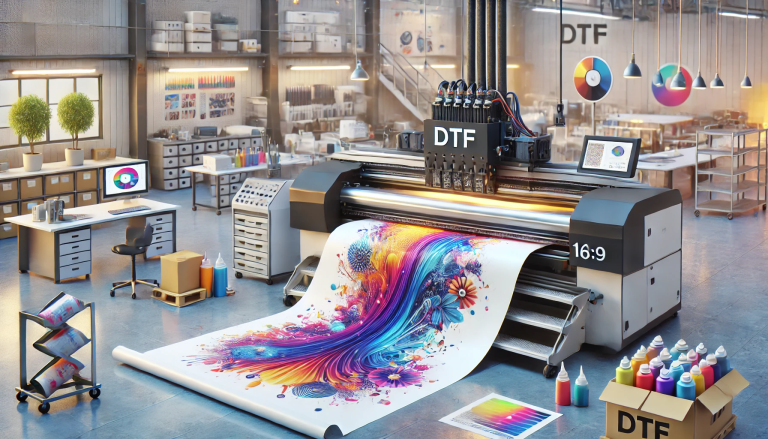
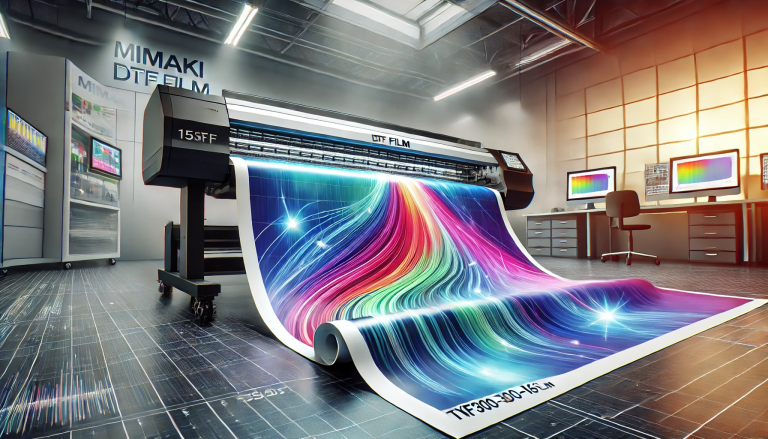
Digital flatbed UV transfer film, as the name suggests, is a specialized carrier medium designed for use with digital flatbed UV printers. Its core function is to serve as an intermediate layer: high-resolution designs are first printed onto the film using UV-curable inks, which are instantly cured by UV lamps within the printer, then transferred to the target substrate via heat and pressure. Unlike conventional transfer materials, China’s advanced iterations of this film are engineered to address key industry pain points, such as limited substrate compatibility and poor print durability.
A defining feature of this technology is its integration of UV curing, which ensures rapid ink drying—eliminating smudging and reducing production cycles significantly. Additionally, the film’s composition, often incorporating high-grade polyester (PET) or TPU (Thermoplastic Polyurethane) materials, provides exceptional dimensional stability under heat and pressure, guaranteeing precise transfer even for intricate designs. This combination of speed, precision, and stability forms the foundation of its role in advancing modern printing technology.
Technological Breakthroughs: How Chinese Innovation Is Reshaping the Industry
Chinese manufacturers and researchers have spearheaded several critical technological breakthroughs in digital flatbed UV transfer film, elevating its performance and expanding its application scope. These innovations have not only strengthened China’s global competitiveness but also pushed the entire printing industry forward.
1. Enhanced Material Formulations for Superior Durability
One of the most notable advancements is the development of high-performance film formulations with enhanced UV resistance and scratch resistance. Chinese-produced UV transfer films are engineered to protect printed graphics from yellowing, fading, and abrasion caused by prolonged exposure to sunlight and daily use—a key improvement over traditional films. For instance, specialized UV-resistant coatings ensure that prints retain their vibrancy for years, making the film ideal for both indoor and outdoor applications. Additionally, TPU-based UV transfer films have been introduced to cater to flexible substrates like textiles, solving the long-standing challenge of poor adhesion and washability in UV printing on fabrics.
2. Integration with Intelligent Printing Systems
China’s digital flatbed UV transfer film technology is closely integrated with the country’s leading intelligent printing equipment. Domestic manufacturers, such as Kingjet and Yueda, have developed integrated solutions where the film is optimized to work seamlessly with high-precision print heads (e.g., Ricoh Gen5/Gen6, Epson i3200) and intelligent control systems. These systems feature visual positioning and smart temperature control, ensuring that the film and ink interact perfectly to deliver consistent, high-resolution prints even on irregular or thick substrates (up to 180mm in some cases). This synergy between film and printer technology has significantly reduced operational errors and improved production efficiency.
3. Eco-Friendly and Cost-Efficient Innovations
Aligning with global trends toward sustainability, Chinese manufacturers have developed eco-friendly UV transfer films that are free from harmful chemicals and volatile organic compounds (VOCs). These non-toxic films not only ensure safer working environments but also meet stringent international environmental standards, expanding their market reach. Furthermore, advancements in film production processes have reduced material waste, while the technology’s support for small-batch, on-demand production minimizes overproduction—making it a cost-effective solution for both large factories and small businesses.
China’s Industrial Strengths: Driving Global Adoption of UV Transfer Film
Beyond technological innovation, China’s robust industrial ecosystem has played a pivotal role in advancing digital flatbed UV transfer film technology and promoting its global adoption. Several key strengths set China apart as a leader in this field:
First, a complete industrial chain—from raw material production (e.g., high-grade PET and TPU) to film manufacturing, printer development, and after-sales service—ensures consistent quality control and cost competitiveness. Chinese manufacturers, such as Henan Zhongli Qi and Xinflying, boast large-scale production capacities (up to 500,000 rolls per month for some products) and the ability to customize film specifications (e.g., thickness, width) to meet diverse customer needs. Second, strong government support for technological innovation, including funding for R&D and the establishment of industry standards, has accelerated the pace of advancement in the sector. Policies promoting green printing have also incentivized manufacturers to develop eco-friendly film solutions, aligning with global sustainability goals.
Transformative Applications Across Industries
China’s digital flatbed UV transfer film has found widespread application across a multitude of industries, thanks to its versatility and superior performance. These applications not only demonstrate the film’s practical value but also highlight its role in driving innovation in various sectors:
1. Textile and Apparel Industry
The integration of TPU-based UV transfer film has revolutionized textile printing, enabling high-quality, flexible prints on fabrics such as cotton, polyester, and waterproof materials. This technology is widely used for custom apparel logos, sportswear designs, and fashion accessories, offering a 3D dimensional effect and excellent washability—advantages over traditional screen printing or heat transfer vinyl.
2. Advertising and Signage
In the advertising sector, digital flatbed UV transfer film enables the creation of vibrant, durable signs and displays on a range of hard substrates, including glass, acrylic, metal, and wood. Its UV resistance makes it ideal for outdoor billboards, while its high precision supports intricate graphic designs for indoor point-of-purchase displays.
3. Consumer Goods and Promotional Products
From personalized phone cases and mugs to corporate merchandise, the film’s ability to adhere to diverse materials has made it a staple in the consumer goods industry. Small-batch production capabilities allow businesses to offer customized products at competitive prices, meeting the growing global demand for personalized items.
4. Home Décor and Furniture
The technology has also made inroads into home décor, enabling custom prints on furniture, wooden panels, ceramic tiles, and decorative textiles. Its durability ensures that designs withstand daily wear and tear, while its versatility allows for unique, personalized interior design solutions.
Future Prospects: China’s Role in the Next Era of Printing Technology
Looking ahead, China’s digital flatbed UV transfer film technology is poised for further advancements, driven by ongoing R&D and evolving market demands. Key areas of focus include the development of thinner, more flexible films for ultra-delicate substrates, the integration of smart technologies (e.g., QR code embedding for product traceability), and the expansion of eco-friendly formulations to meet stricter global environmental regulations. Additionally, as China continues to strengthen its global supply chain and export capabilities, its UV transfer film is expected to gain even wider adoption, particularly in emerging markets where demand for high-quality, cost-effective printing solutions is growing.
Furthermore, the convergence of digital flatbed UV transfer film with other emerging technologies, such as 3D printing and AI-driven design optimization, holds the potential to unlock even more innovative applications. By maintaining its focus on innovation, quality, and sustainability, China is set to remain at the forefront of advancing global printing technology through its digital flatbed UV transfer film solutions.
Conclusion: A Catalyst for Global Printing Transformation
China’s digital flatbed UV transfer film represents more than just a technological advancement—it is a catalyst for the global printing industry’s transformation. Through continuous innovation in material science, integration with intelligent printing systems, and a robust industrial ecosystem, China has elevated this technology to new heights, offering unprecedented versatility, efficiency, and durability. As it continues to evolve and expand into new applications, China’s digital flatbed UV transfer film will undoubtedly remain a key driver of progress, empowering businesses worldwide to push the boundaries of creativity and productivity in printing.