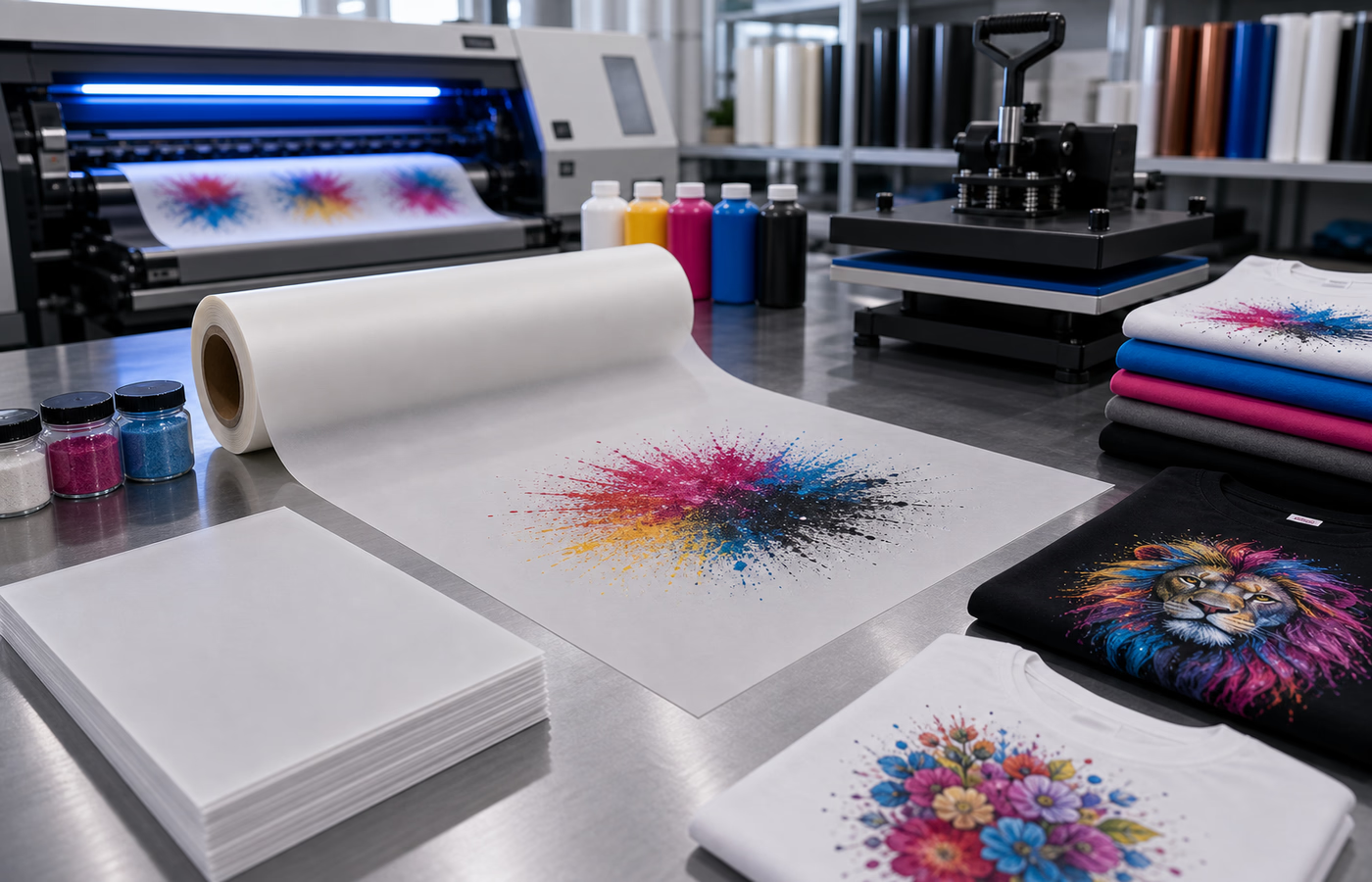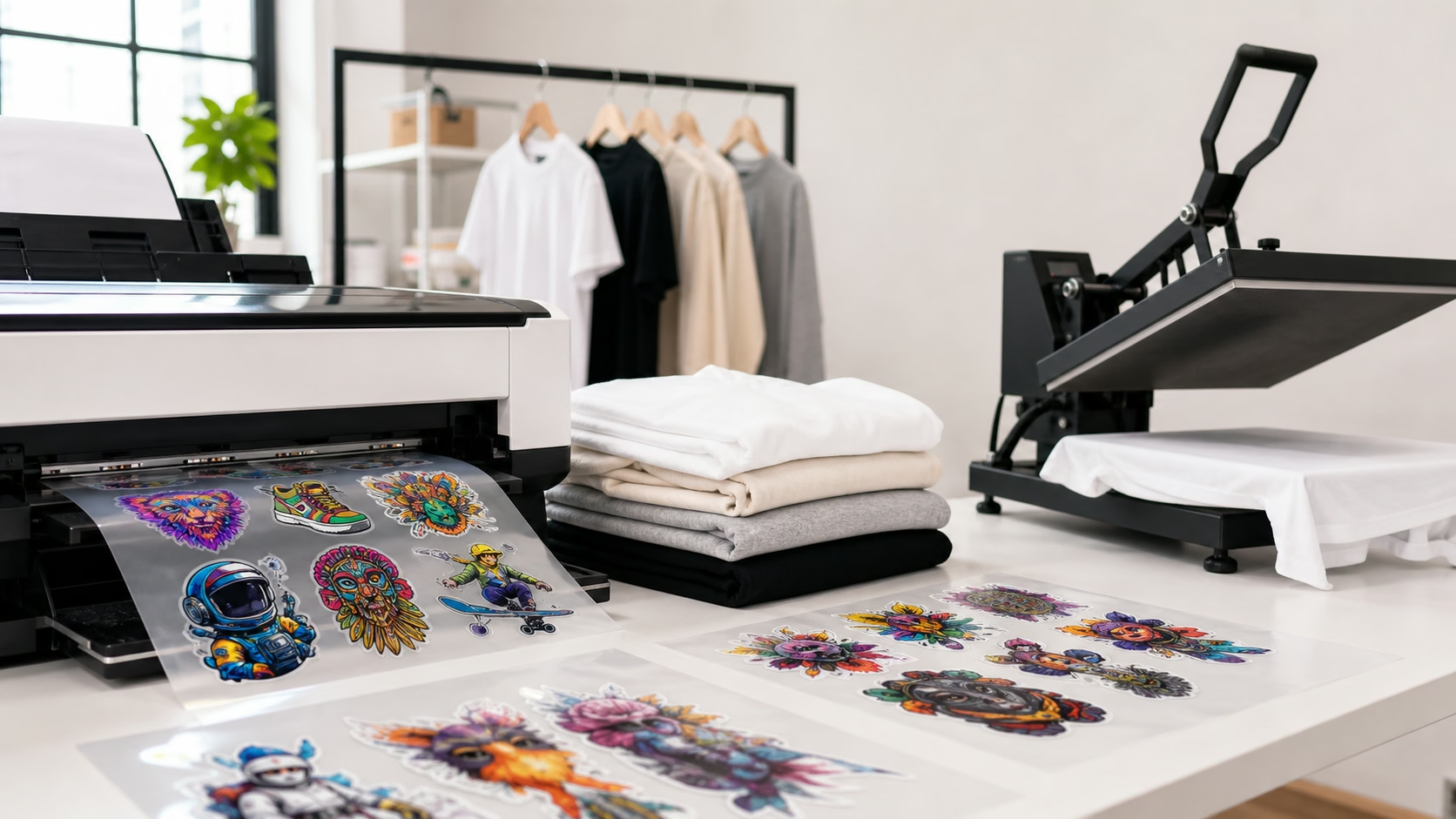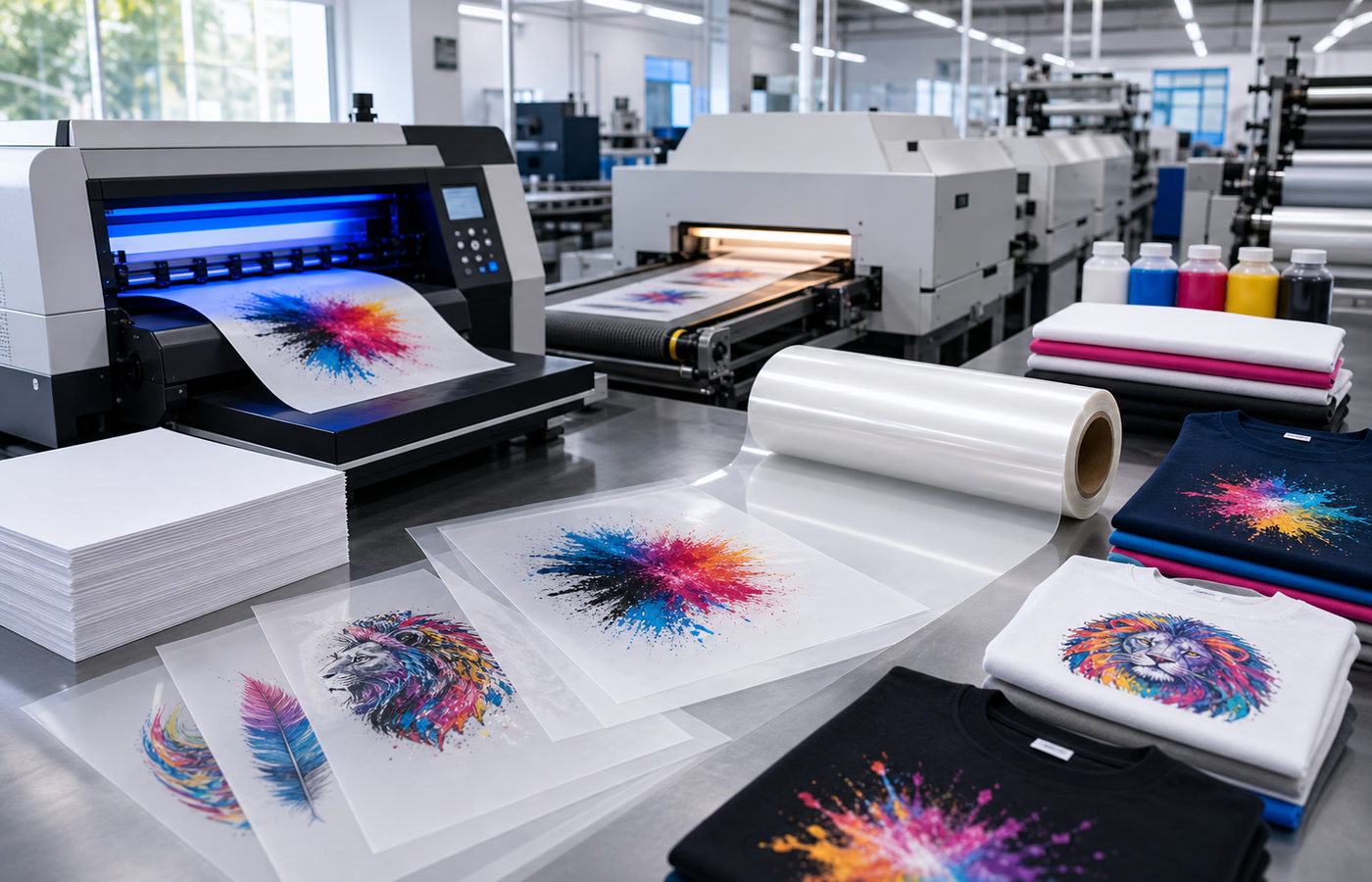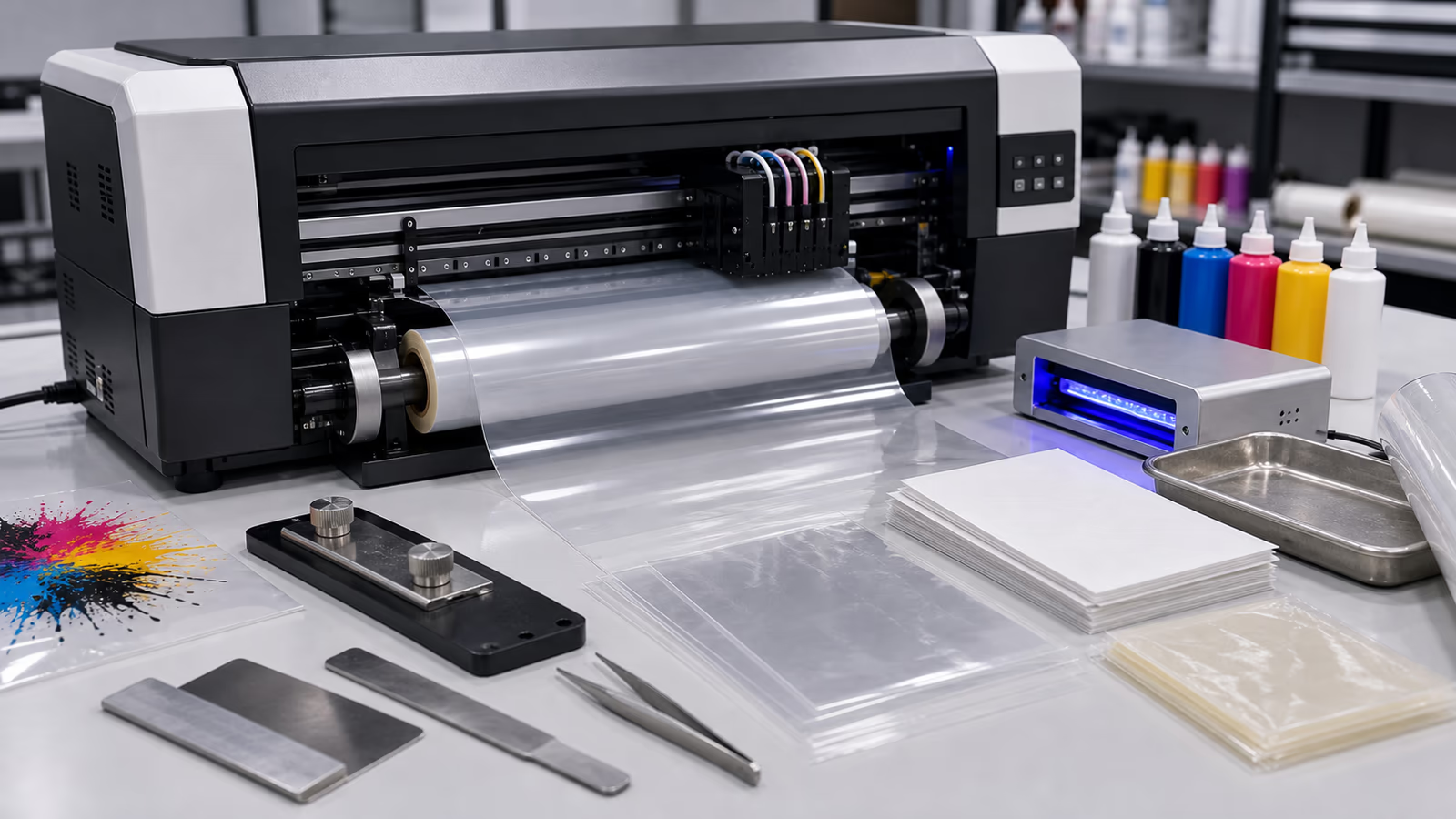
“Unveiling the Magic: UV DTF Film Printing on Dark Shirts” -MAXDTF- UV Magic Decal Supplier, China UV DTF Adhesive Transfer Decal, Made in China
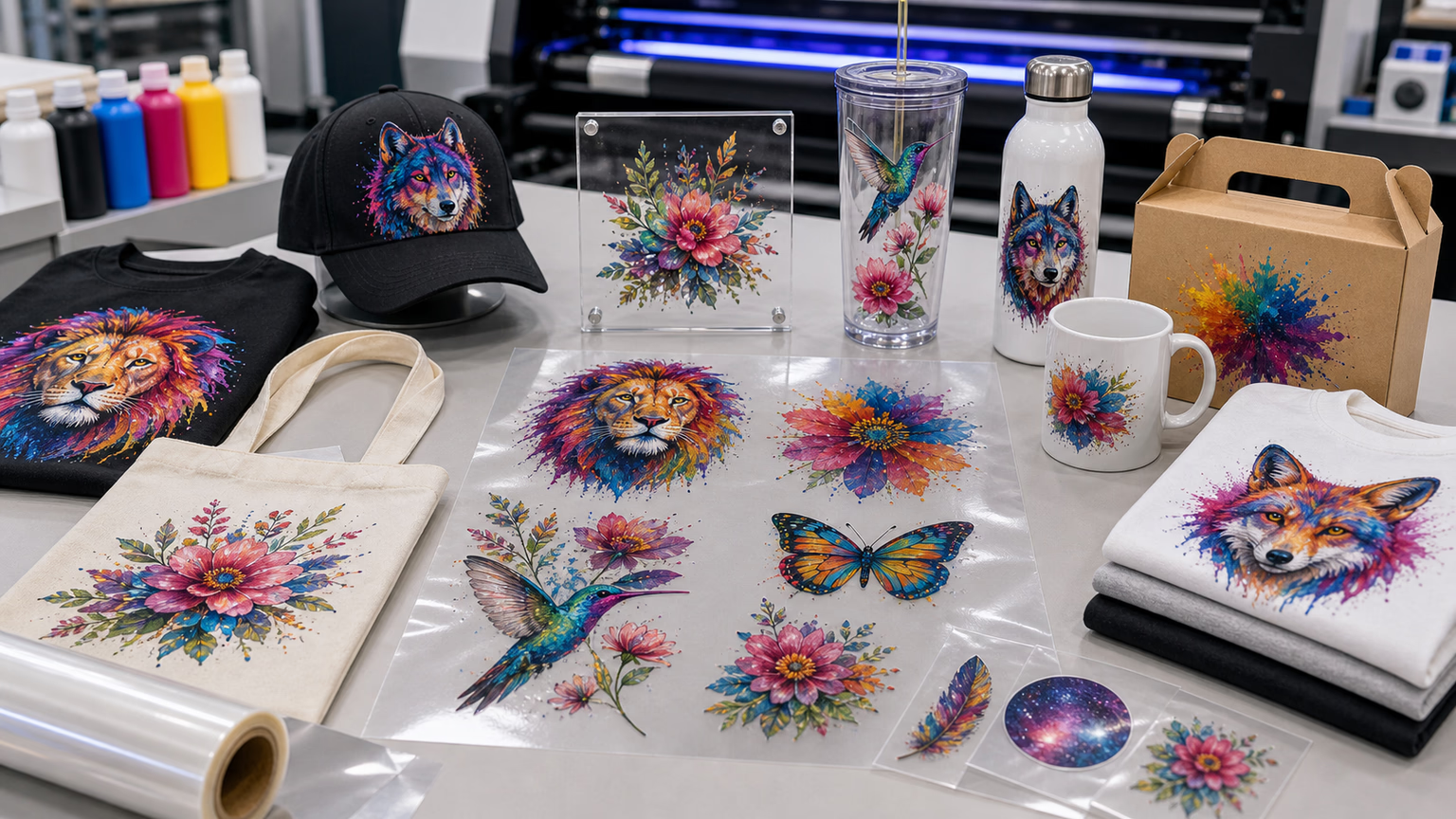
Printing vibrant, durable designs on dark shirts has long been a challenge for custom apparel creators. Traditional methods like screen printing require multiple ink layers or pre-treatment, while direct-to-garment (DTG) printing often struggles with opacity. Enter UV DTF (Ultraviolet Direct-to-Film) Film—a game-changing technology that delivers crisp, vivid, and long-lasting prints on dark fabrics without the hassle. This article explores how UV DTF Film works its magic on dark shirts, from technical mechanics to practical benefits.
1. Why Dark Shirts Are a Printing Challenge (And How UV DTF Solves It)
Dark fabrics, such as black cotton or navy polyester, absorb light rather than reflecting it, making it difficult for standard inks to stand out. Traditional DTG printing requires a white ink base, but uneven application can lead to a “muddy” look. Screen printing demands precise alignment of white and color layers, increasing setup time and cost for small batches.
UV DTF Film addresses these issues with two key innovations: UV-cured inks and a built-in adhesive layer. The inks are formulated to be highly opaque, with white ink that acts as a bright underbase without bleeding into the dark fabric. UV curing ensures the inks bond tightly to both the film and the shirt, creating a vibrant, smudge-proof design that pops against even the deepest hues.
2. The Science Behind UV DTF Film for Dark Shirts
UV DTF Film printing combines the versatility of DTF technology with the durability of UV curing, creating a process tailored to dark fabric needs. Here’s the breakdown of its core components:
UV-Cured Inks: Opacity and Durability in One
Unlike water-based DTG inks, UV DTF inks are solvent-free and cure instantly when exposed to UV light. For dark shirts, a thick layer of white UV ink is printed first, forming a opaque barrier between the dark fabric and the color inks. This underbase ensures that bright colors (like red, yellow, or neon) remain true to their tone, rather than appearing dull or gray. The UV curing process also makes the inks resistant to washing, fading, and abrasion—critical for apparel that sees regular use.
PET Film Carrier: Precision and Easy Transfer
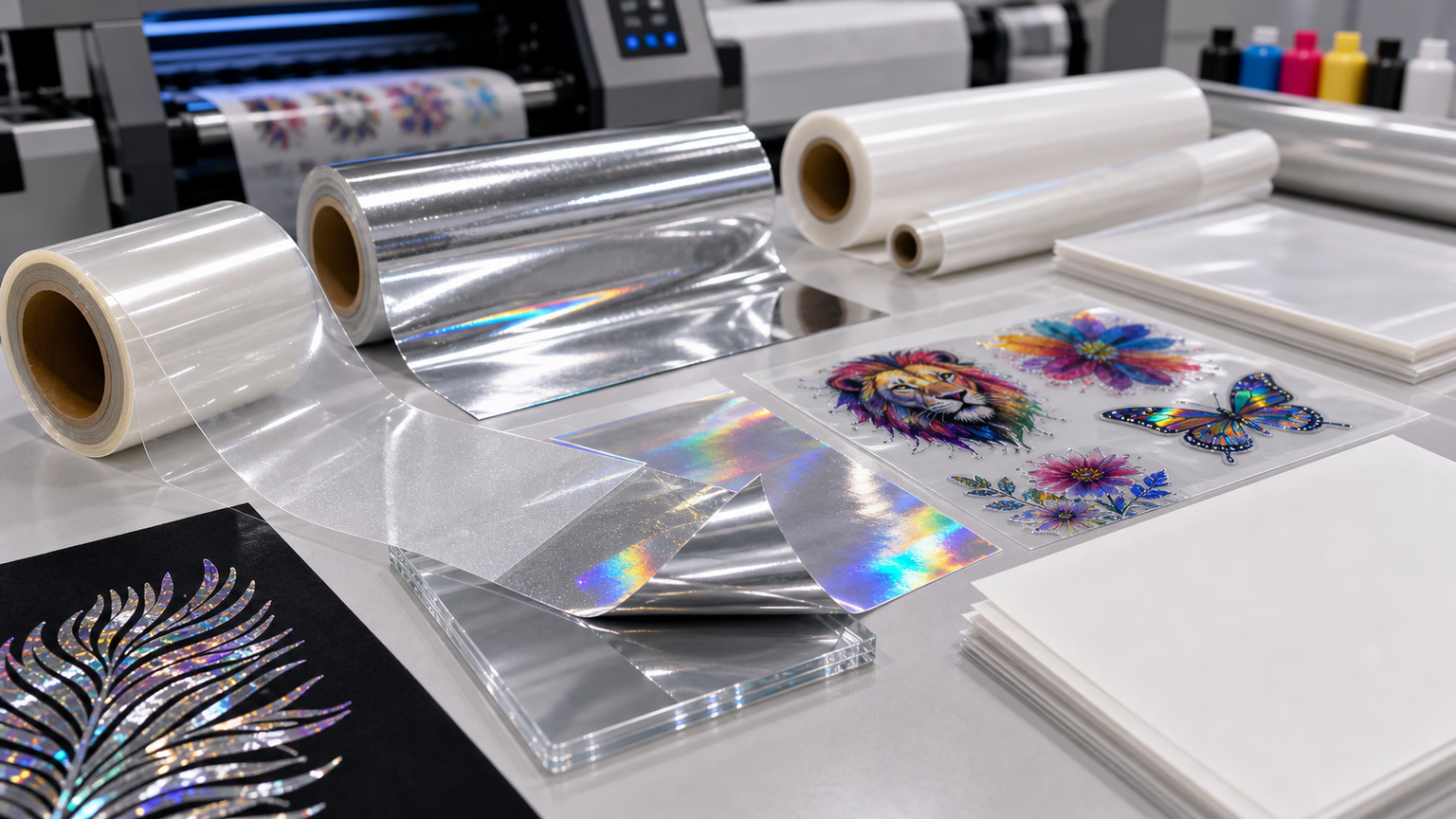
UV DTF designs are printed onto a clear PET film carrier, which holds the ink and adhesive layers during production. The film’s smooth surface ensures the ink spreads evenly, avoiding the streaks or unevenness that plague direct printing on dark fabrics. Once printed and cured, the design is ready to transfer—no messy pre-treatment or drying time required.
Heat-Activated Adhesive: Bonding to Dark Fabrics
Beneath the ink layer lies a heat-activated adhesive, engineered to stick to a variety of dark fabrics (cotton, polyester, blends). When heat-pressed onto the shirt, the adhesive melts, forming a strong bond that keeps the design in place through dozens of washes. Unlike some transfer methods, the adhesive remains flexible, so the print moves with the fabric rather than cracking or peeling.
3. Step-by-Step: UV DTF Film Printing on Dark Shirts
Printing with UV DTF Film on dark shirts is a straightforward process, ideal for both small businesses and hobbyists. Here’s how to achieve professional results:
Step 1: Prep the Design and Film
Load your design into UV DTF printing software, ensuring the white ink layer is enabled (this is non-negotiable for dark shirts). Adjust the design size to fit the shirt, and mirror the image if necessary. Load a roll of UV DTF Film into the printer, with the ink-receptive side facing up.
Step 2: Print and UV Cure
The printer first deposits the white UV ink layer, followed by the CMYK color inks. As each layer prints, UV lamps on the printer cure the ink instantly—no waiting for drying. This rapid curing prevents ink bleeding, ensuring sharp edges and vibrant colors. Once printing is complete, the design sits on the PET film, ready for transfer.
Step 3: Prep the Dark Shirt
Wash and dry the dark shirt to remove any lint or residue (this improves adhesive bond). Preheat the heat press to 160–180°C (320–356°F) and place the shirt on the press platen. Use a lint roller to remove any remaining debris, then smooth the shirt to eliminate wrinkles.
Step 4: Transfer and Peel
Place the UV DTF Film (design side down) onto the shirt, aligning it with your desired position. Close the heat press and apply firm pressure for 10–15 seconds. The heat activates the adhesive, bonding the design to the fabric. Open the press and let the film cool for 5–10 seconds, then peel it away slowly. For best results, peel the film at a 45-degree angle—this ensures the design stays intact.
Step 5: Post-Treatment (Optional)
For extra durability, some printers apply a clear UV topcoat to the design before transfer. This adds an extra layer of protection against fading and abrasion, ideal for workwear or high-use apparel. Alternatively, advise customers to wash the shirt inside out in cold water to extend the print’s lifespan.
4. Benefits of UV DTF Film for Dark Shirt Printing
UV DTF Film offers a host of advantages over traditional methods for dark shirt customization, making it a favorite among apparel creators:
- Unmatched Opacity: The UV-cured white ink base ensures bright colors pop against black, navy, or charcoal shirts, with no graying or fading.
- Fast Turnaround: No pre-treatment or drying time means designs can be printed and transferred in minutes, perfect for small batches or on-demand orders.
- Durable Prints: UV-cured inks and strong adhesive resist washing, stretching, and abrasion—prints can last 50+ washes without peeling.
- Complex Designs Made Easy: UV DTF handles gradients, photographs, and fine details that are difficult to replicate with screen printing on dark fabrics.
- Versatility: Works with most dark fabrics, including cotton, polyester, blends, and even leather or denim.
5. Common Myths About UV DTF Film on Dark Shirts (Debunked)
Despite its benefits, UV DTF Film is often surrounded by misconceptions. Here are the most common myths, clarified:
Myth 1: UV DTF prints feel stiff on dark shirts. Reality: Modern UV DTF inks and adhesives are flexible, so prints feel soft to the touch—no “plastic-like” texture.
Myth 2: It’s too expensive for small batches. Reality: UV DTF eliminates the high setup costs of screen printing, making it cost-effective for orders as small as 1–10 shirts.
Myth 3: UV DTF only works on light fabrics. Reality: The white ink underbase is specifically designed for dark fabrics, making UV DTF one of the best options for vibrant prints on black or navy shirts.
Conclusion: UV DTF Film—The Future of Dark Shirt Customization
UV DTF Film has transformed the way we print on dark shirts, turning a once-frustrating task into a seamless, high-quality process. Its combination of opacity, durability, and versatility makes it ideal for everything from custom band tees to corporate workwear. Whether you’re a small business owner looking to expand your offerings or a hobbyist creating personalized gifts, UV DTF Film unlocks endless possibilities for vibrant, long-lasting designs on dark fabrics. The magic isn’t just in the print—it’s in the ease and reliability that lets your creativity shine.