“Mastering the Art of DTF Printing: How to Cure DTF Powder with a Heat Press” -MAXDTF- UV DTF PET Decal Factory, China DTF UV Paper, Made in China
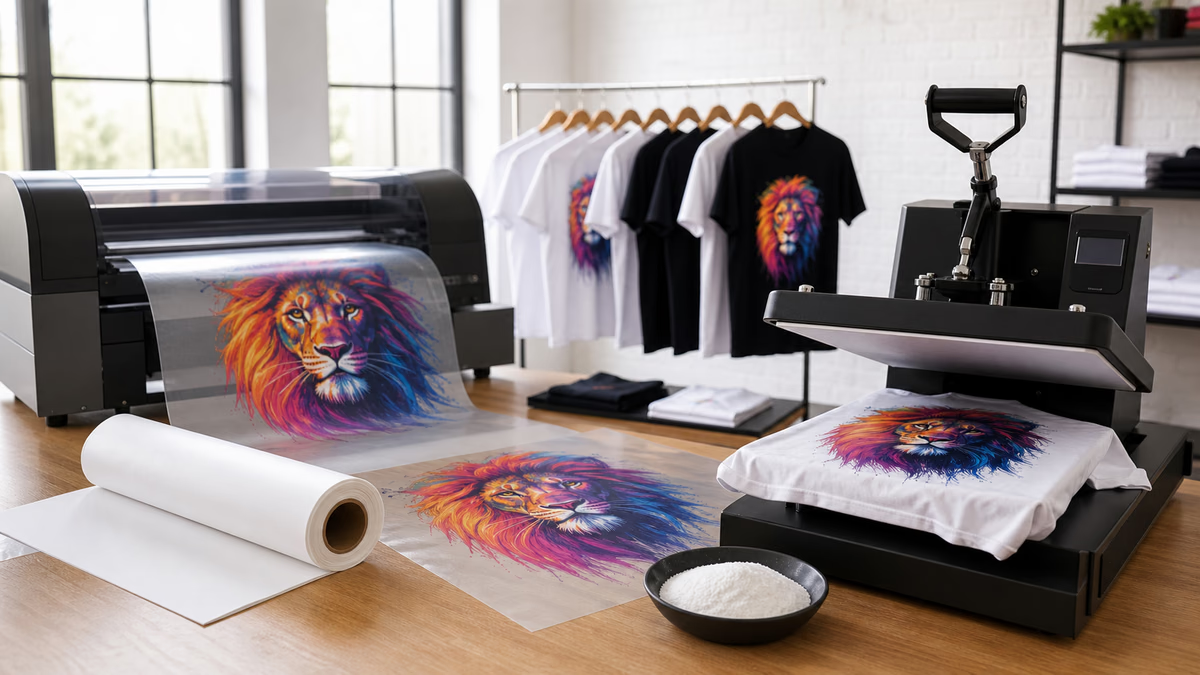
Curing DTF (Direct-to-Film) powder with a heat press is a critical step in the DTF printing workflow, as it directly impacts the durability, adhesion, and overall quality of the final print. A successful cure ensures the hot-melt adhesive powder fuses seamlessly with the DTF film and the target fabric, creating a long-lasting bond that resists washing, scratching, and wear. For both beginners and seasoned printers, mastering this process requires understanding key parameters, following proper techniques, and troubleshooting common issues. This article breaks down the essentials of curing DTF powder with a heat press, helping you achieve consistent, professional results every time.
Understanding the Role of Curing in DTF Printing
Before diving into the curing process, it’s important to grasp why this step is non-negotiable. DTF powder—formally known as hot-melt adhesive powder—acts as the bridge between the printed DTF film and the fabric. When exposed to heat and pressure, the powder melts, flows, and bonds the ink layer of the film to the fabric fibers. A proper cure ensures the adhesive fully activates, eliminating gaps or weak points that could cause the print to peel or fade over time. In contrast, under-curing leads to poor adhesion, while over-curing can damage the fabric (especially heat-sensitive materials like polyester) or cause the print to become stiff and brittle. Achieving the perfect cure balance is thus fundamental to unlocking the full potential of DTF printing.
Pre-Curing Preparation: Setting the Stage for Success
Proper preparation before curing is key to avoiding errors and ensuring consistency. Start by ensuring the DTF film is properly coated with adhesive powder—apply a uniform, thin layer (avoid overcoating, which can lead to excess adhesive buildup) and shake off any excess powder to prevent clumping. Next, prepare the heat press and fabric:
1. Fabric Preparation: Wash and dry the fabric if it’s new (to remove sizing or residues that may hinder adhesion), and ensure it’s free of wrinkles, dust, or moisture. Smooth the fabric flat on the heat press platen to avoid uneven pressure during curing.
2. Heat Press Inspection: Check that the heat press platen is clean and free of debris (which can leave impressions on the print). Verify that the temperature gauge is calibrated accurately—even a 5°C deviation can affect the cure result.
3.Film Positioning: Align the DTF film (print side down) on the fabric precisely, ensuring there are no bubbles or misalignments. Use heat-resistant tape if needed to secure the film in place, preventing shifting during pressing.
Key Curing Parameters: Temperature, Pressure, and Time
The three core parameters of curing DTF powder with a heat press are temperature, pressure, and time—often referred to as the “3 Ts” of heat transfer. These parameters vary based on the fabric type, DTF powder formulation, and film quality, but here are the standard guidelines:
1. Temperature: – Cotton & Cotton Blends: 160–180°C (320–356°F). Cotton can withstand higher temperatures, allowing the adhesive to fully melt and bond. – Polyester & Heat-Sensitive Fabrics: 140–150°C (284–302°F). Lower temperatures prevent polyester from shrinking or discoloring while still activating the adhesive. – Synthetic Blends (e.g., Cotton-Poly): 150–160°C (302–320°F). Adjust based on the polyester content—higher polyester means lower temperature.
2. Pressure: Use medium to high pressure, typically 3–5 bar (43.5–72.5 psi). Sufficient pressure ensures the melted adhesive penetrates the fabric fibers, creating a strong bond. For thicker fabrics (e.g., hoodies), slightly increase pressure; for thin fabrics (e.g., t-shirts), use medium pressure to avoid fabric distortion.
3. Time: 10–15 seconds for most fabrics. Cotton may require 12–15 seconds, while polyester and blends need 10–12 seconds. Longer time is needed for thicker fabrics or larger print areas to ensure heat penetrates evenly.
Step-by-Step Guide to Curing DTF Powder with a Heat Press
Follow this step-by-step process to achieve consistent curing results:
1. Preheat the heat press to the recommended temperature for your fabric (refer to the parameters above). Allow the press to reach full temperature and stabilize (this may take 5–10 minutes).
2. Place the prepared fabric on the heat press platen, smoothing out any wrinkles. If using a heat press with a lower platen, cover the fabric with a Teflon sheet to protect it from direct heat (optional but recommended for delicate fabrics).
3. Position the DTF film (print side down) on the fabric, aligning it correctly. Secure with heat-resistant tape if necessary.
4. Close the heat press and apply the recommended pressure for the specified time. Do not open the press prematurely—interrupting the process will lead to under-curing.
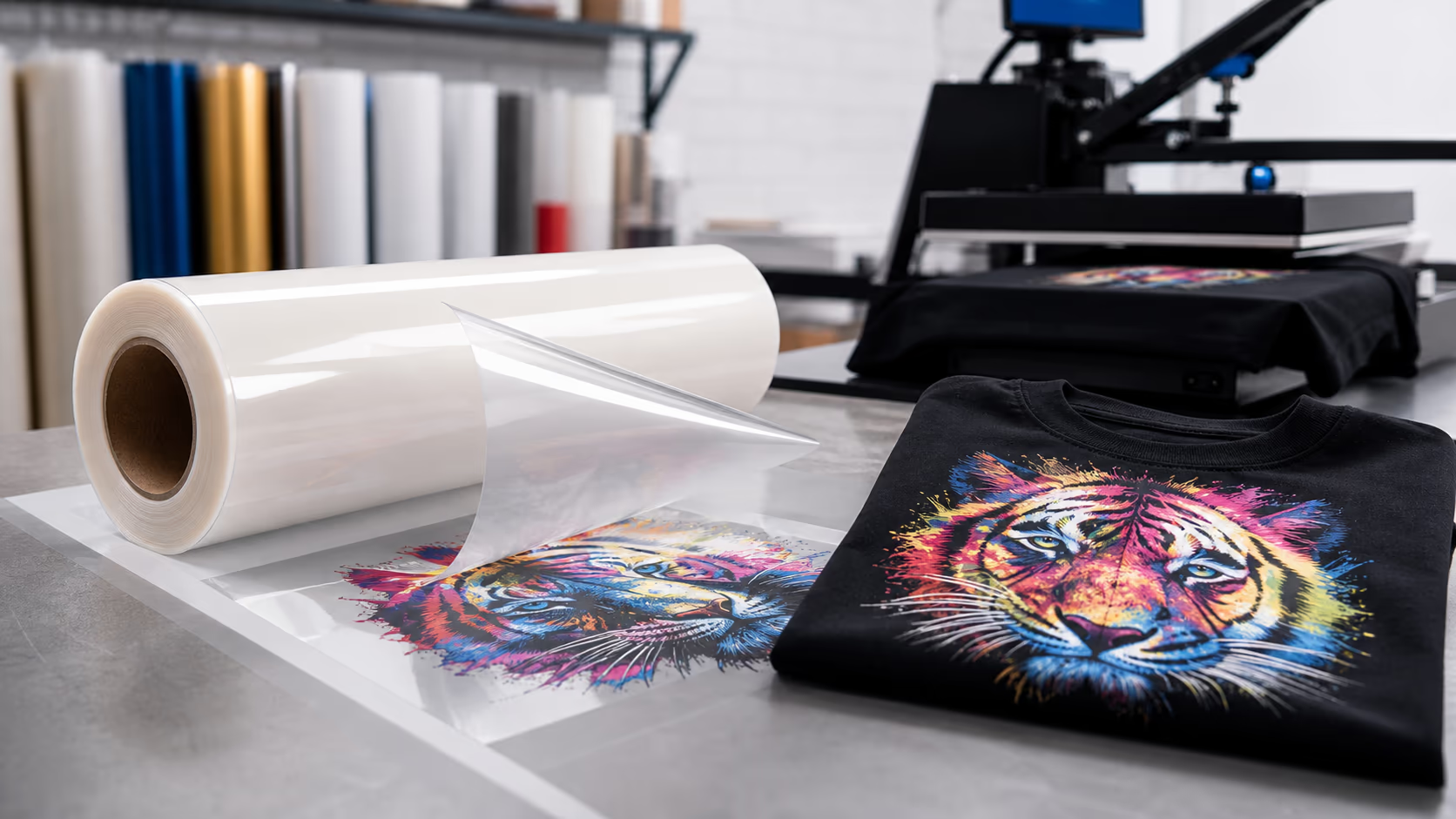
5. After the timer ends, open the press and allow the DTF film to cool slightly (2–3 minutes) before peeling. For best results, use a cold peel method (peeling after cooling) rather than a hot peel, as this ensures the adhesive has fully set and reduces the risk of lifting the print.
6. Once the film is peeled, inspect the print for adhesion. If needed, perform a second press (with a Teflon sheet) for 3–5 seconds to reinforce the bond, especially for large or detailed prints.
Troubleshooting Common Curing Issues
Even with proper preparation, curing issues can arise. Here are solutions to the most common problems:
1. Print Peeling or Poor Adhesion: This is typically caused by under-curing (too low temperature, too little time, or insufficient pressure). Increase the temperature by 5–10°C, extend the time by 2–3 seconds, or raise the pressure slightly. Also, check if the fabric was properly cleaned before printing.
2. Stiff or Brittle Print: Over-curing is the culprit here. Reduce the temperature by 5–10°C or shorten the time by 2–3 seconds. Using a lower-temperature adhesive powder may also help for heat-sensitive fabrics.
3. Fabric Discoloration or Shrinking: Caused by excessive temperature, especially for polyester. Lower the temperature to 140–150°C and ensure the fabric is pre-shrunk. Use a Teflon sheet to buffer the heat.
4. Uneven Adhesion: Likely due to uneven pressure or temperature. Check the heat press platen for flatness (worn platens may cause hot spots) and ensure the fabric is smooth and taut. Rotate the fabric or print area if hot spots are suspected.
Pro Tips for Mastering DTF Powder Curing
To take your curing skills to the next level, consider these expert tips:
– Test first: Always perform a test print on a scrap piece of the same fabric before production runs. This allows you to adjust parameters without wasting materials.
– Invest in a quality heat press: A heat press with even temperature distribution and adjustable pressure (e.g., clamshell or swing-away models) will yield more consistent results than budget presses.
– Store DTF powder properly: Keep adhesive powder in a cool, dry place to prevent clumping, which can lead to uneven coating and curing.
– Follow powder manufacturer guidelines: Different DTF powder brands may have slightly different curing requirements—always refer to the manufacturer’s recommendations for temperature and time.
Conclusion: Curing as the Foundation of Quality DTF Prints
Mastering the art of curing DTF powder with a heat press is not just about following a set of parameters—it’s about understanding how temperature, pressure, and time interact with different fabrics and materials. By prioritizing preparation, calibrating your equipment, and troubleshooting proactively, you can ensure every print is durable, vibrant, and professional. Whether you’re printing custom apparel for personal use or commercial projects, a solid curing process is the foundation of success in DTF printing. With practice and attention to detail, you’ll be able to consistently deliver high-quality prints that stand the test of time