“Unveiling the Secrets of UV DTF Printing: A Comprehensive Guide” -MAXDTF- UV DTF PET Decal Supplier, China Transfer DTF UV Film, Made in China
UV DTF (Ultraviolet Direct to Film) printing has revolutionized the custom printing industry with its versatility, speed, and high-quality results. As a cutting-edge digital printing technology, it combines the advantages of UV curing and DTF transfer, making it suitable for a wide range of substrates and applications. This guide delves into the core secrets of UV DTF printing, from its fundamental working principles to practical tips for optimal results, helping both beginners and industry professionals unlock its full potential.
1. What Is UV DTF Printing? Core Principles Unveiled
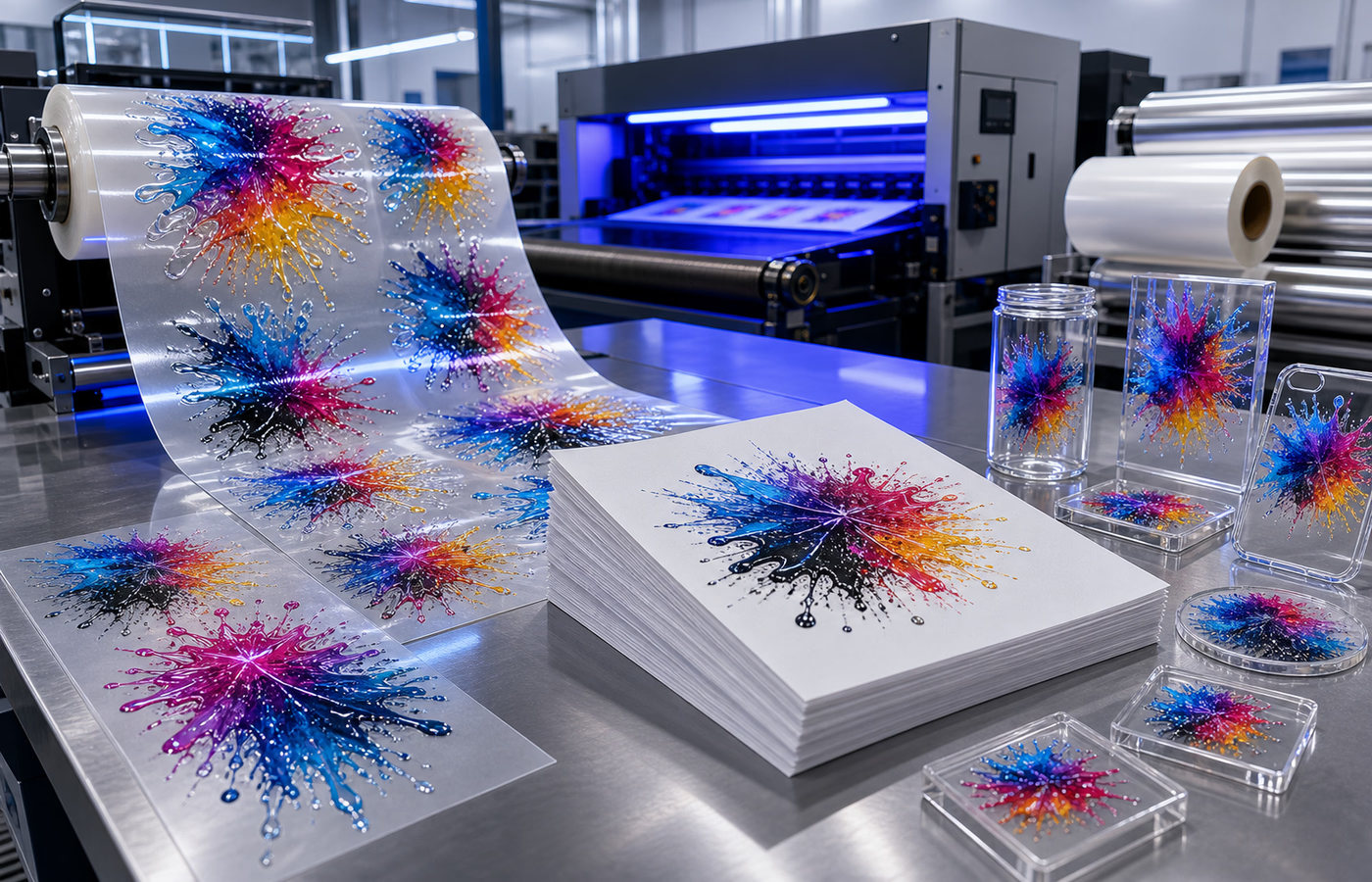
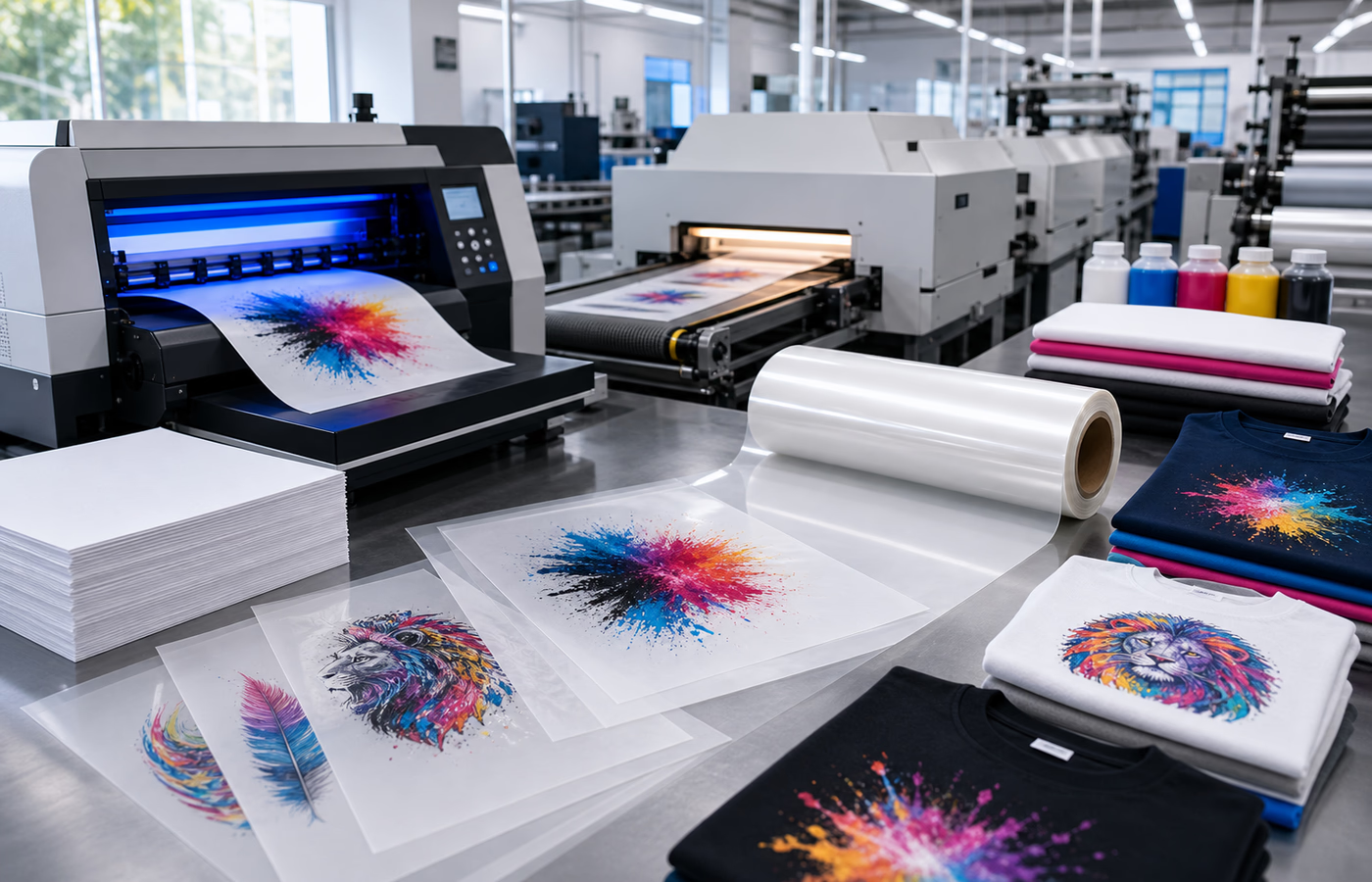
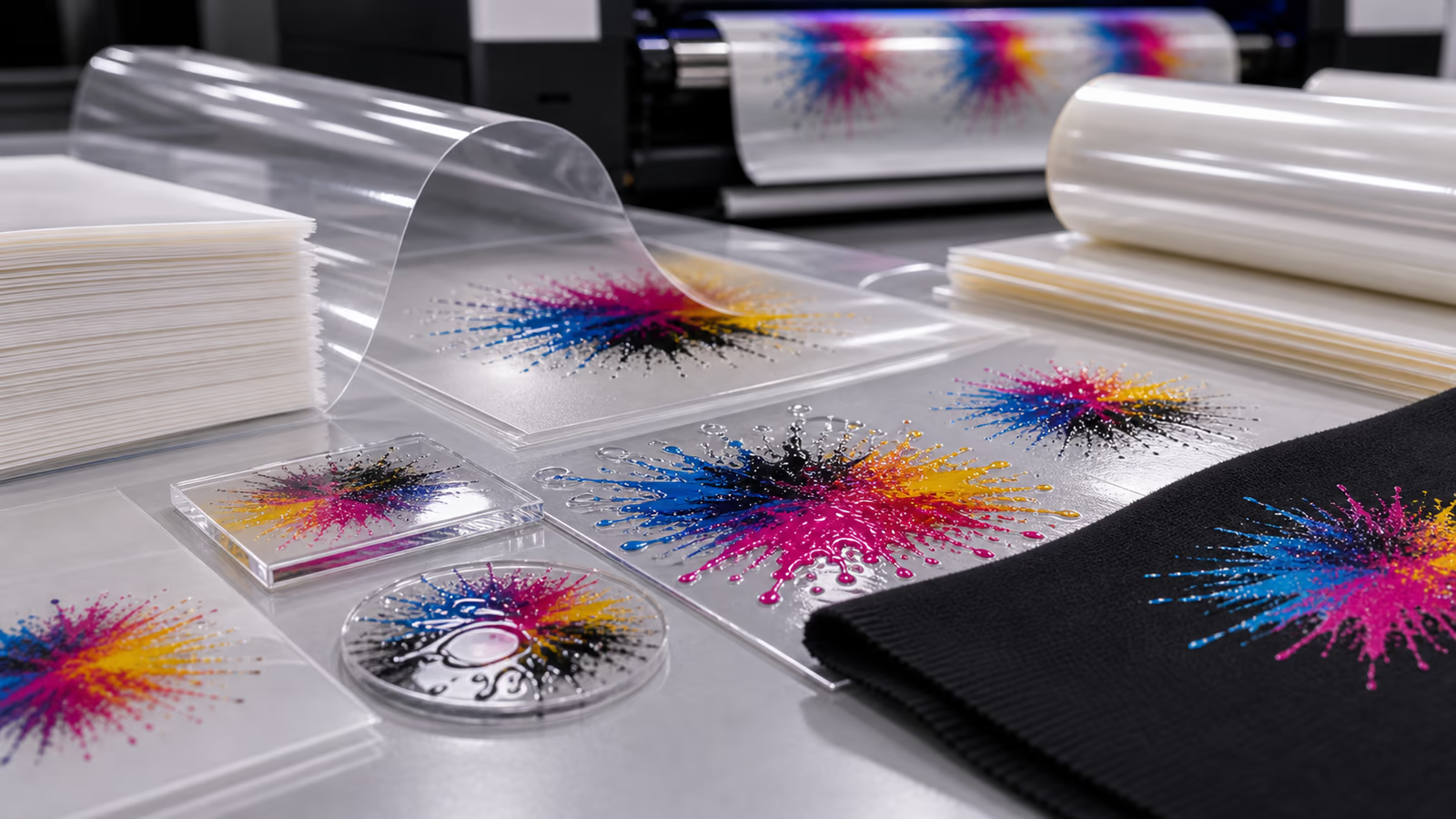
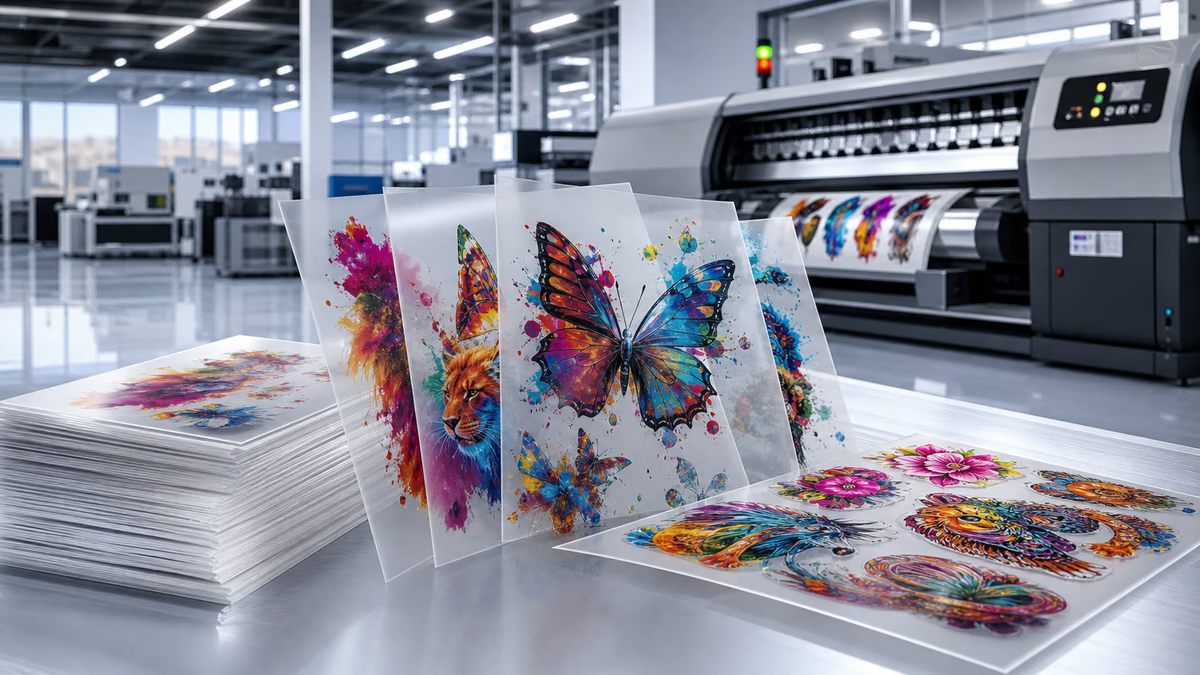
At its core, UV DTF printing is a two-step process that involves printing designs onto a special film using UV-curable inks, followed by transferring the printed film onto the target substrate. Unlike traditional DTF printing that uses water-based inks and requires heat curing of adhesive powder, UV DTF leverages UV light to instantly cure the inks during printing. This instant curing ensures that the ink adheres firmly to the film, reducing drying time and minimizing smudging. The printed film, coated with a pressure-sensitive adhesive, can then be applied to various surfaces—including plastic, glass, metal, wood, and fabric—with heat and pressure, creating durable, vivid prints.
2. Key Advantages of UV DTF Printing: Why It Stands Out
UV DTF printing offers a host of advantages that make it a preferred choice for custom printing projects. Firstly, its instant UV curing significantly boosts production efficiency, allowing for faster turnaround times—critical for commercial printing businesses handling high-volume orders. Secondly, it boasts superior substrate compatibility; unlike screen printing or traditional DTF, it works seamlessly on both porous and non-porous surfaces, expanding the range of customizable products. Thirdly, UV DTF prints exhibit exceptional durability, with resistance to fading, scratching, water, and UV rays, making them suitable for indoor and outdoor applications. Lastly, it delivers vibrant, high-resolution colors, capturing intricate details and subtle gradients that meet professional design standards.
3. Essential Equipment and Materials for UV DTF Printing
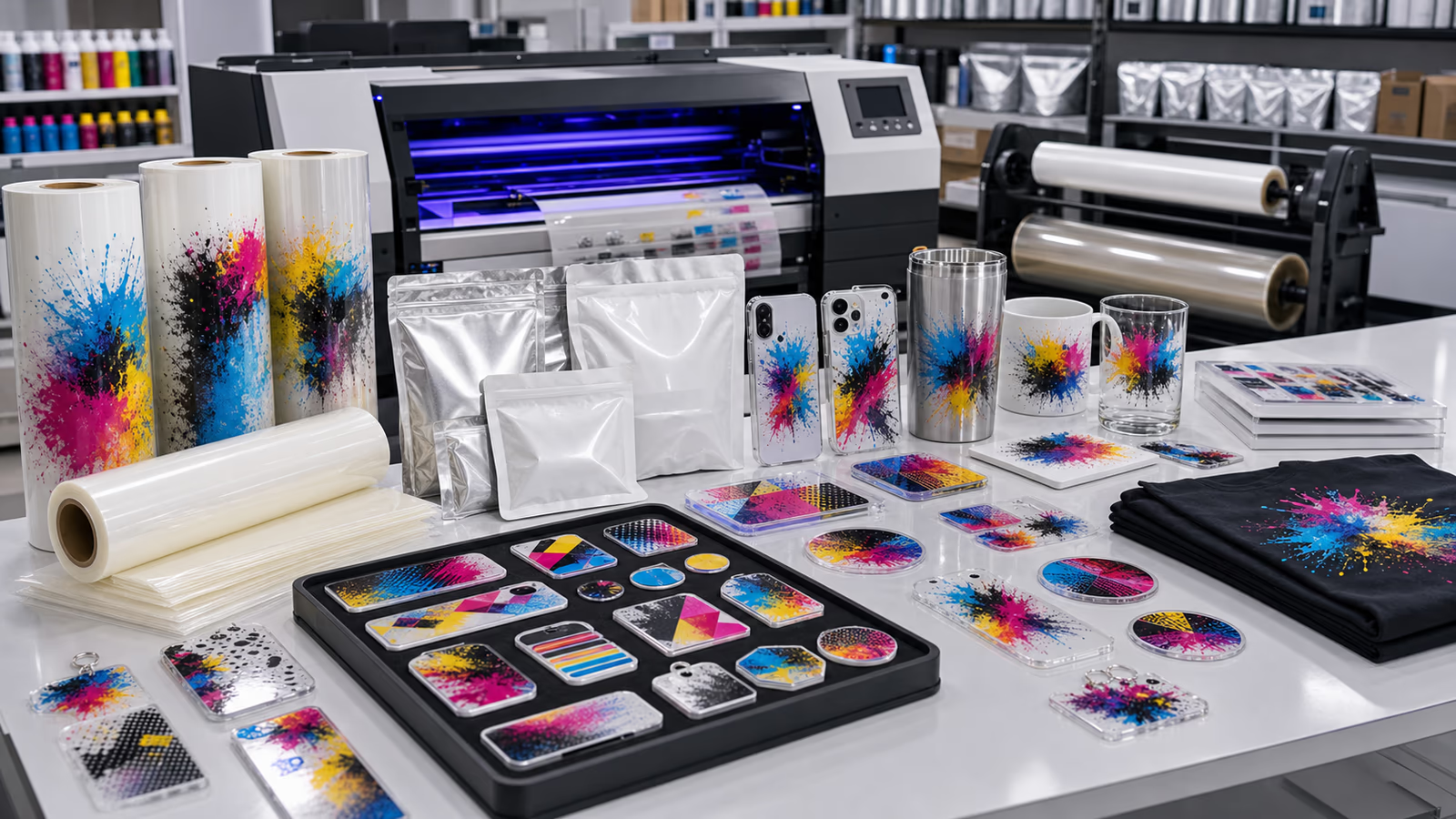
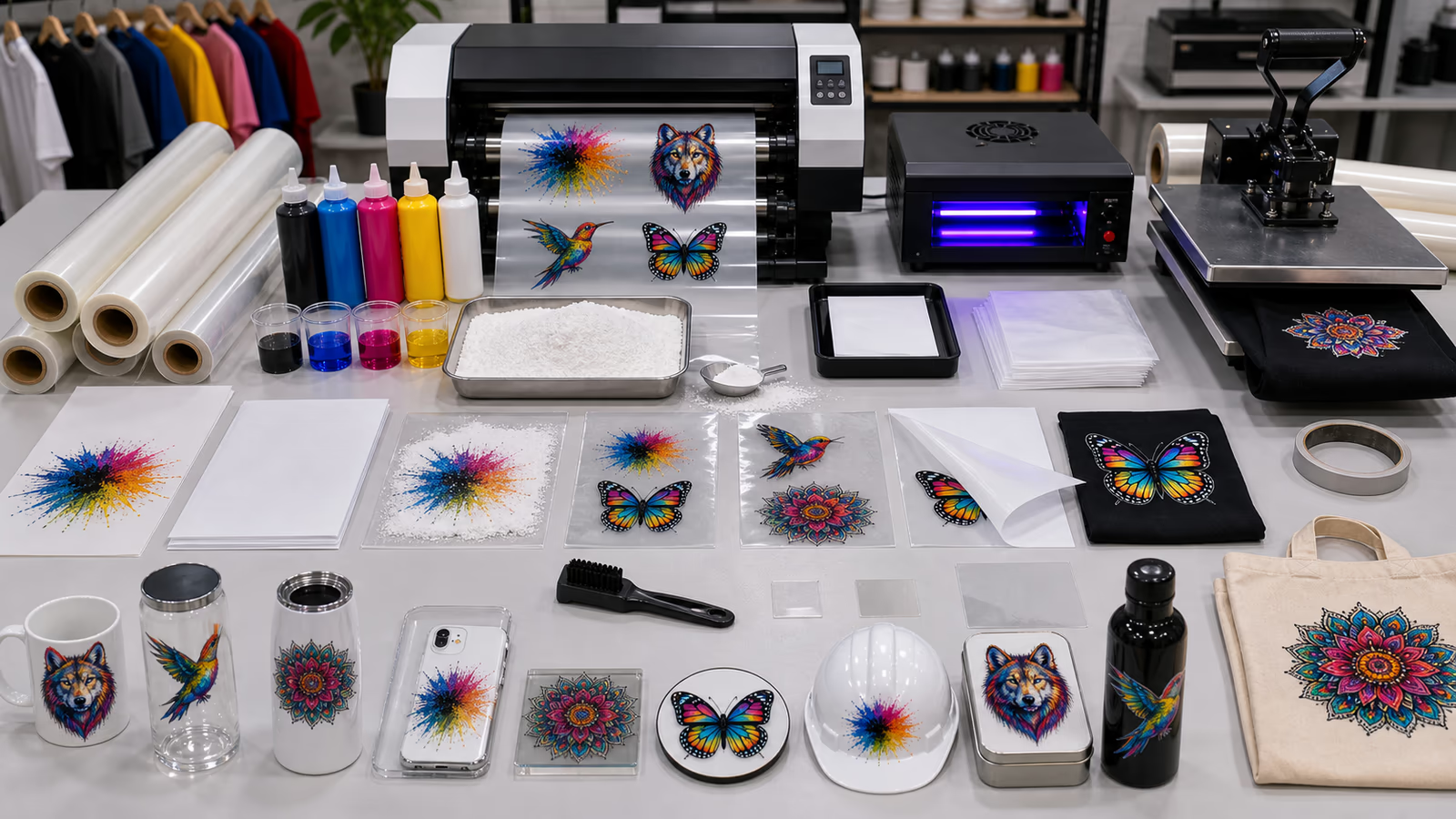
To master UV DTF printing, understanding the necessary equipment and materials is crucial. The core equipment includes a UV DTF printer (equipped with UV light sources), a laminating machine (to apply the adhesive layer), and a heat press (for transferring the film). The key materials are UV-curable inks (available in CMYK and white for opaque prints), UV DTF film (specialized for UV ink adhesion), and pressure-sensitive adhesive sheets. It’s important to choose high-quality materials—subpar inks or film can compromise print durability and color vibrancy. Additionally, maintenance tools (such as ink filters and printhead cleaners) are essential to keep the equipment running smoothly.
4. Step-by-Step Guide to UV DTF Printing Process
Mastering the UV DTF printing process requires following a systematic workflow:
- Design Preparation: Create or import the design into printing software (e.g., Photoshop, CorelDRAW), adjusting size, resolution, and color settings to match the target substrate.
- Printing on Film: Load the UV DTF film into the printer, select the appropriate print parameters (ink density, speed), and start printing. The UV light cures the ink instantly as it prints.
- Laminating with Adhesive: Use a laminating machine to bond the pressure-sensitive adhesive sheet to the printed side of the film, ensuring a smooth, bubble-free bond.
- Cutting the Design: Use a vinyl cutter or plotter to cut the printed film into the desired shape, trimming excess material.
- Transferring to Substrate: Position the cut film on the target surface, apply heat (120-150°C) and pressure (3-5 kg/cm²) using a heat press for 10-20 seconds, then peel off the film backing to reveal the final print.
5. Common Applications of UV DTF Printing
The versatility of UV DTF printing opens up a wide range of applications across industries. It is widely used for customizing promotional items (e.g., keychains, phone cases, mugs), signage (indoor and outdoor banners, decals), apparel (t-shirts, hoodies, caps), home decor (glassware, wooden plaques, ceramic tiles), and industrial products (equipment labels, packaging). Its ability to print on irregular surfaces and deliver durable results also makes it popular in the automotive industry for custom decals and interior accessories.
6. Pro Tips for Perfect UV DTF Prints
To achieve optimal results with UV DTF printing, consider these pro tips:
- Test print on a small piece of film before large-scale production to adjust color and print parameters.
- Ensure the substrate is clean and dry before transfer to improve adhesive bonding.
- Control the temperature and pressure of the heat press according to the substrate type—different materials require different settings.
- Regularly maintain the printer’s printheads and UV light sources to avoid print defects.
- Store UV DTF film and inks in a cool, dry environment to preserve their quality.
Conclusion: Embracing the Potential of UV DTF Printing
UV DTF printing is more than just a printing technology—it’s a gateway to endless customization possibilities. By understanding its core principles, leveraging the right equipment and materials, and following best practices, you can unlock its full potential to create high-quality, durable prints for diverse applications. Whether you’re a small business owner looking to expand your service offerings or a hobbyist exploring creative printing, UV DTF printing offers the speed, versatility, and quality needed to stand out in the competitive custom printing market. With this guide, you’re well-equipped to unveil the secrets of UV DTF printing and take your projects to the next level.