“A Deep Dive into UV DTF Printing: Unveiling the Quality” -MAXDTF- UV DTF Adhesive Transfer Film Wholesale, UV DTF Transfer AB Film Manufacturer, Made in China
In the ever-evolving landscape of digital printing technologies, UV DTF (Drop on Demand Thermal Film) printing has emerged as a game-changer, offering a unique blend of versatility, efficiency, and quality. This article delves into the intricacies of UV DTF printing, exploring its mechanisms, advantages, and the factors that contribute to its exceptional quality.
Understanding UV DTF Printing
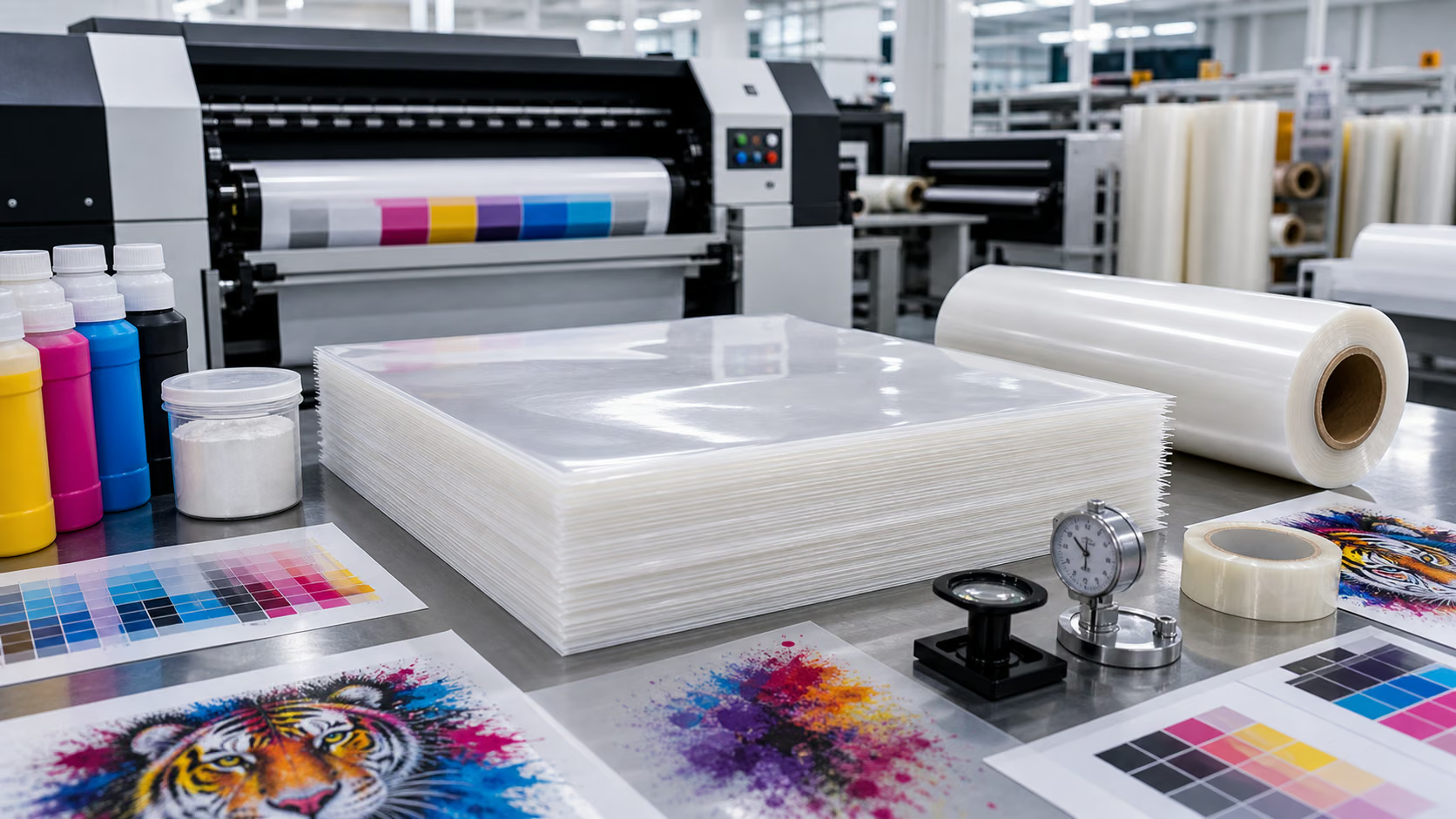
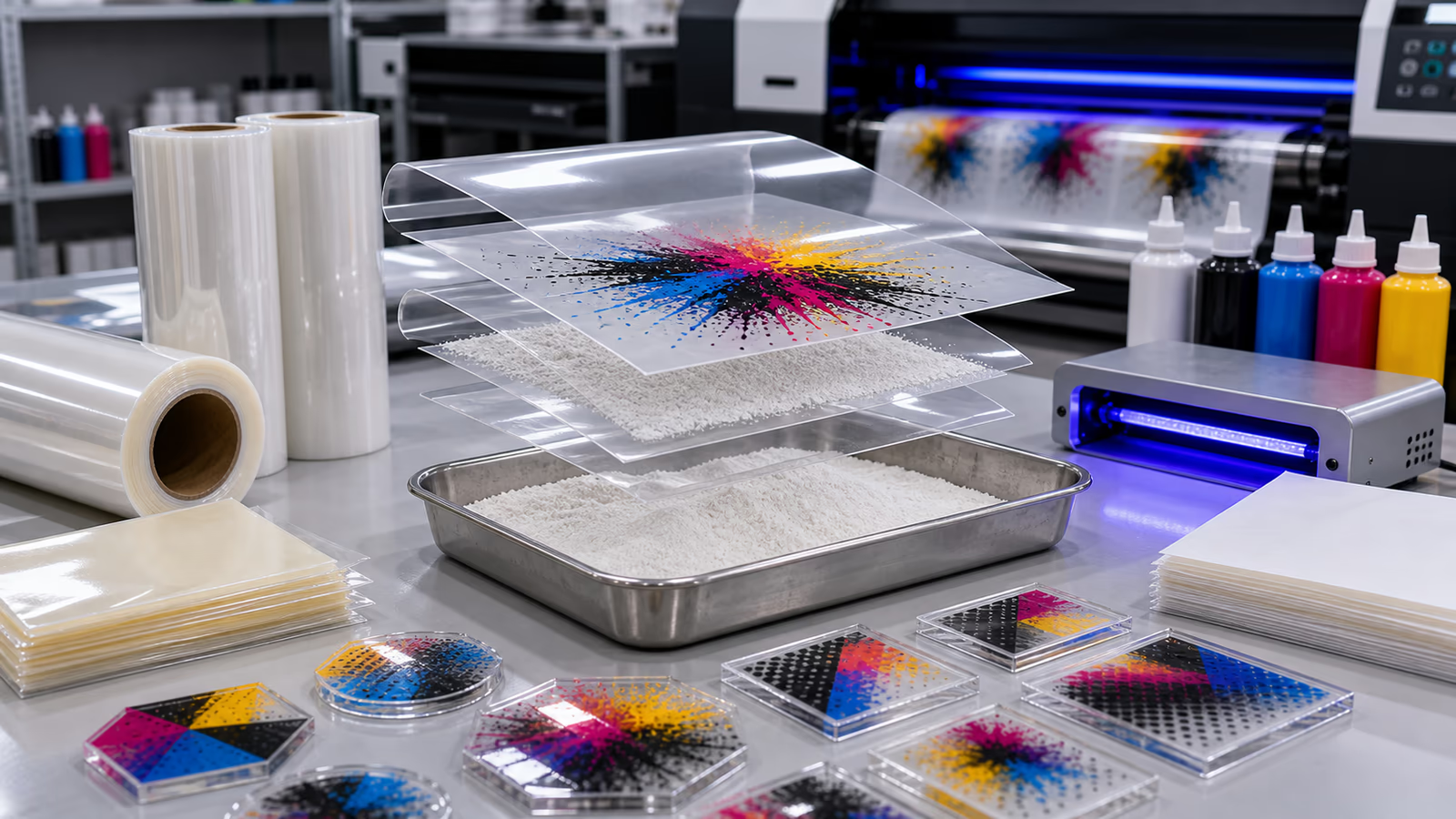
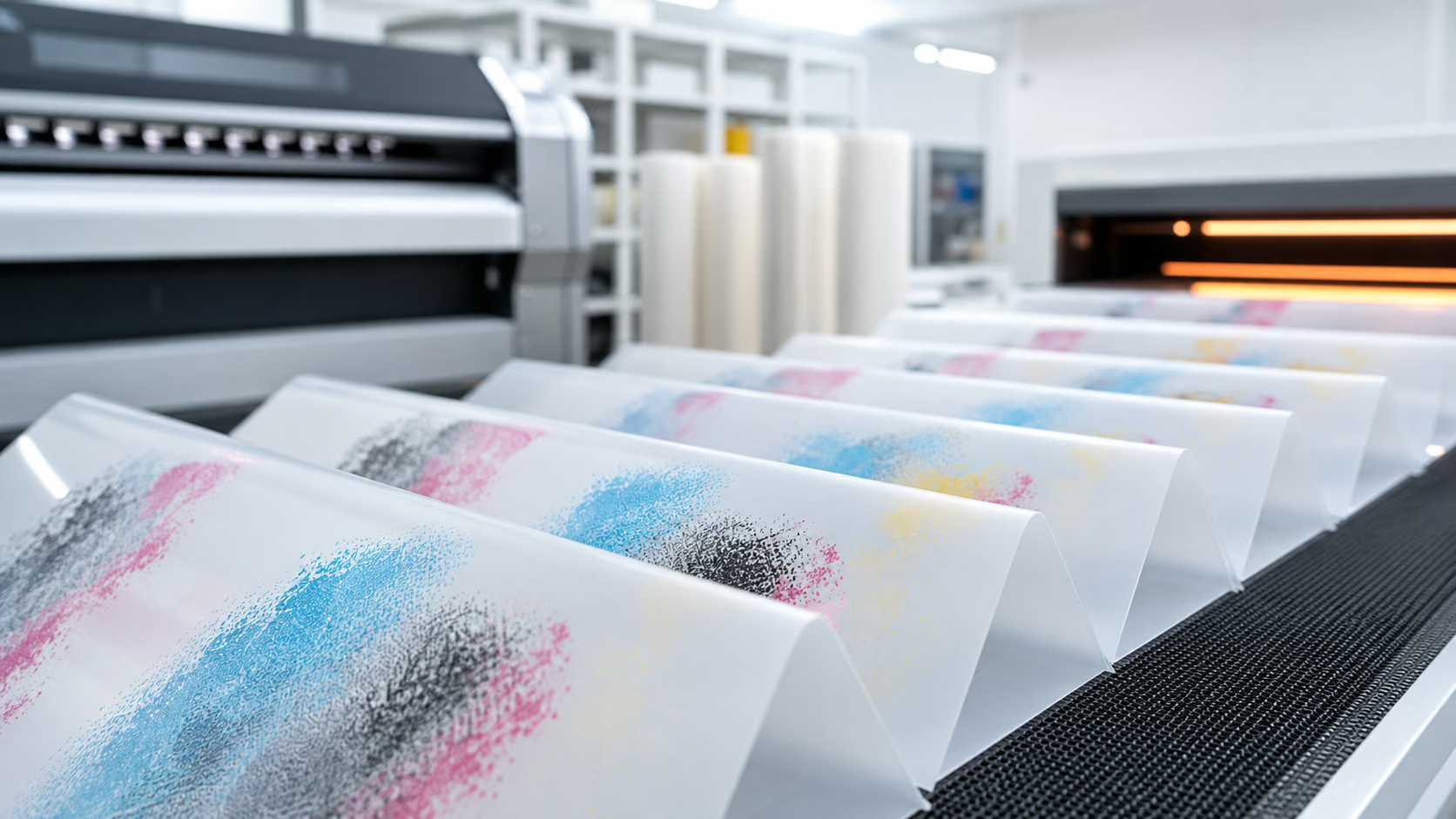
UV DTF printing is a hybrid technology that combines the principles of traditional digital printing with advanced UV-curing processes. The process begins with the creation of a design using specialized software. This design is then printed onto a thermal transfer film using a high-resolution inkjet printer. Unlike traditional inkjet printing, UV DTF uses UV-curable inks, which are liquid at room temperature but solidify when exposed to ultraviolet light.
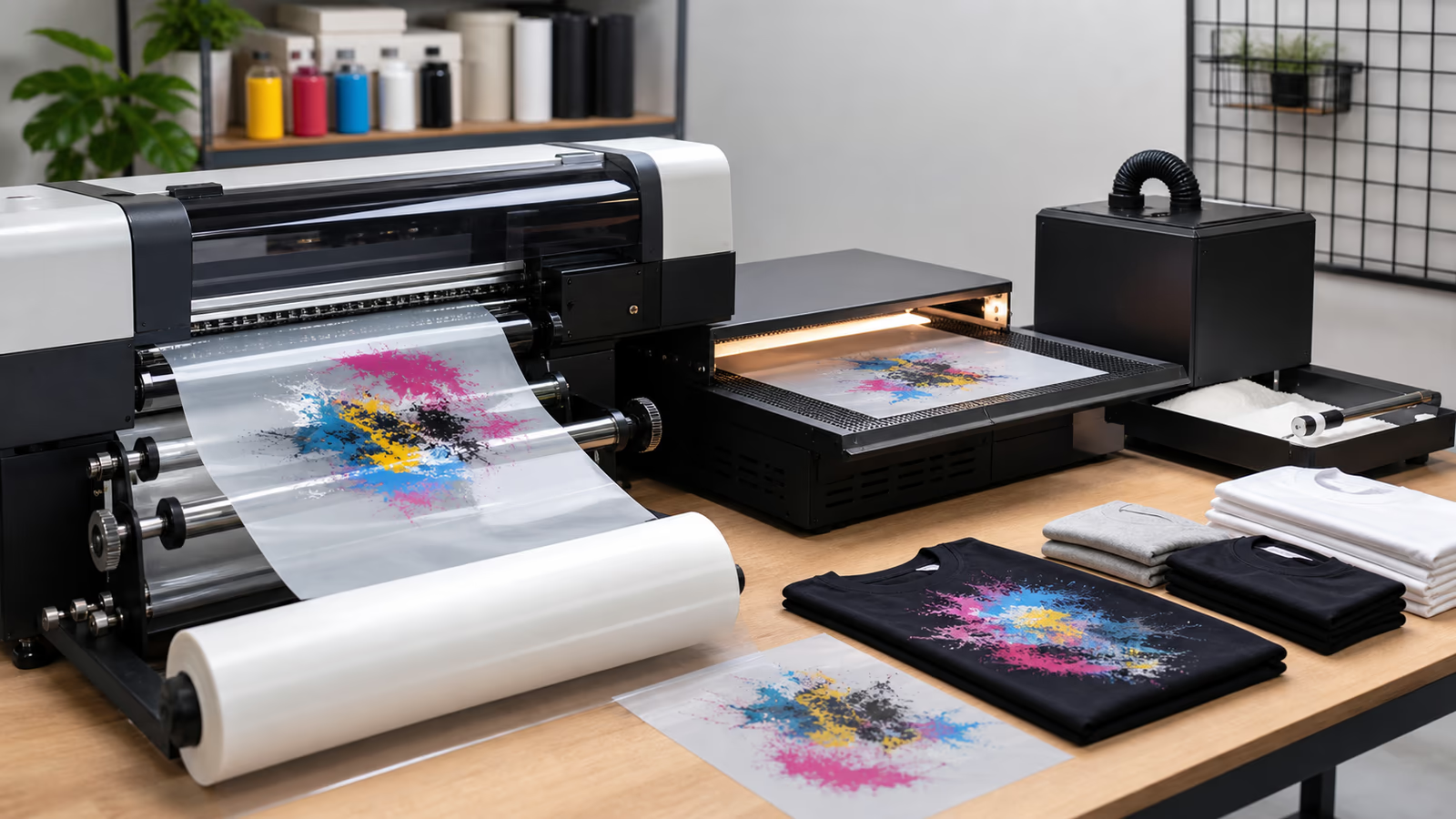
Once the design is printed onto the thermal film, it is transferred onto the desired substrate using a heat press. The heat activates the adhesive on the film, while the UV light from the heat press cures the ink, creating a durable and vibrant finish. This dual-curing process ensures that the printed design adheres securely to the substrate, whether it be fabric, plastic, or paper.
The Quality Advantage
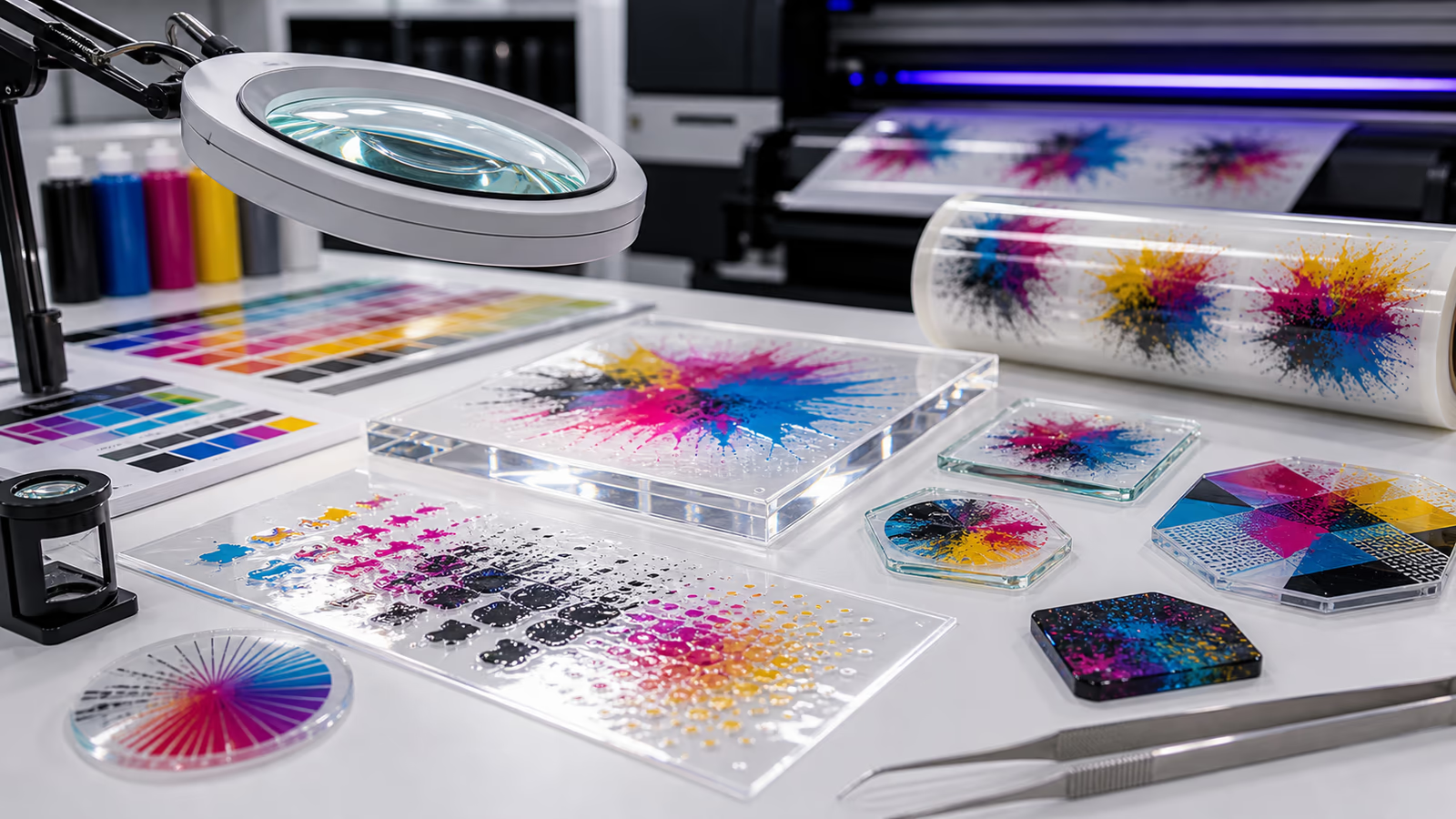
One of the most significant advantages of UV DTF printing is its exceptional print quality. The high-resolution capabilities of the inkjet printers used in this process allow for细腻 textures and intricate details, making it ideal for high-end applications such as fashion, signage, and promotional materials. The UV-curable inks also offer superior color vibrancy and consistency, ensuring that the printed images pop with life-like intensity.
Another factor contributing to the quality of UV DTF printing is the durability of the final product. The UV-curing process creates a hardened layer that is resistant to fading, scratching, and water damage. This makes UV DTF prints ideal for outdoor applications, where exposure to the elements can rapidly degrade traditional prints.
Versatility and Efficiency
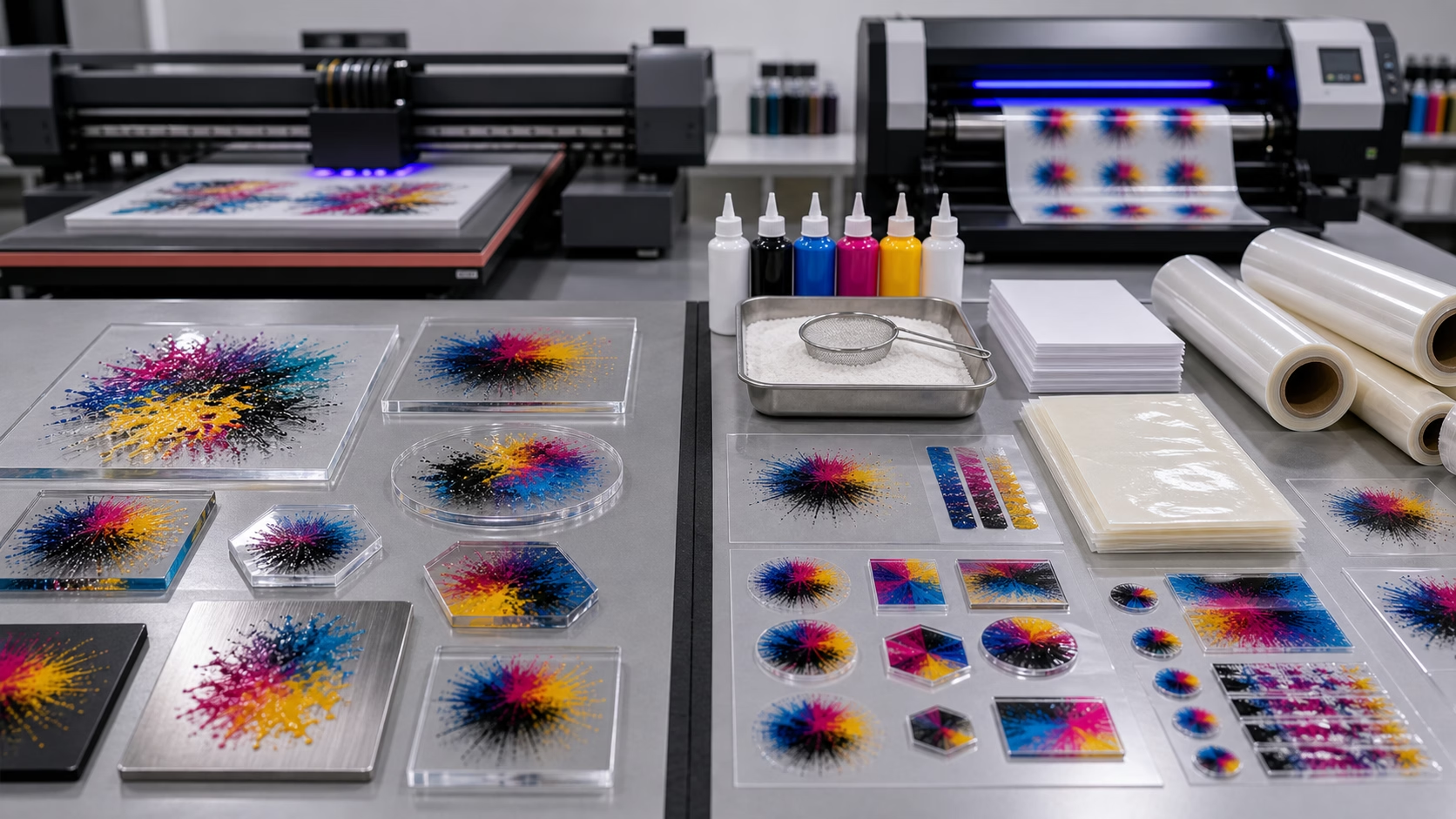
Beyond quality, UV DTF printing boasts unparalleled versatility. The technology can be used on a wide range of substrates, including textiles, ceramics, plastics, and even metal. This makes it a versatile solution for industries as diverse as fashion, automotive, electronics, and advertising.
Efficiency is another key benefit. The UV DTF process is fast, with quick turnaround times that make it suitable for both small-scale custom jobs and large-scale production runs. The ability to print on demand also reduces waste and inventory costs, making it an eco-friendly and cost-effective option for businesses.
Challenges and Future Prospects
While UV DTF printing offers numerous advantages, it is not without its challenges. The initial investment in equipment and materials can be substantial, and the technology requires a certain level of expertise to operate effectively. However, as the technology continues to evolve and become more accessible, these challenges are likely to diminish.
The future of UV DTF printing looks promising, with ongoing advancements in ink technology, printer resolution, and curing processes. These innovations are expected to further enhance the quality, durability, and versatility of UV DTF prints, making it an increasingly attractive option for businesses across multiple industries.
Conclusion
UV DTF printing represents a significant step forward in the world of digital printing, offering a unique combination of quality, versatility, and efficiency. Its ability to produce high-resolution, durable prints on a wide range of substrates makes it a versatile solution for a multitude of applications. As the technology continues to evolve, it is poised to play an even greater role in shaping the future of printing, offering businesses new opportunities to create and innovate.
In conclusion, UV DTF printing is not just a technological advancement; it is a revolution in the way we think about and approach digital printing. Its potential is vast, and its impact is already being felt across industries, promising a brighter, more colorful future for printed materials.