“Shining a Light on UV DTF Decals: Your Ultimate Guide” -MAXDTF- UV DTF Adhesive Transfer Decal Wholesale, China UV DTF Paper, Made in China
In the world of custom decoration and branding, UV DTF (Ultraviolet Direct-to-Film) decals have emerged as a game-changing solution, captivating businesses, crafters, and designers with their versatility, durability, and vibrant print quality. Unlike traditional decal printing methods, UV DTF technology leverages ultraviolet curing to produce high-adhesion, weather-resistant decals that adhere to nearly any substrate—from smooth plastics and glass to textured metals and fabrics. This ultimate guide shines a light on everything you need to know about UV DTF decals, from their core definition and key benefits to their production process, applications, and expert tips for optimal results.
What Are UV DTF Decals?
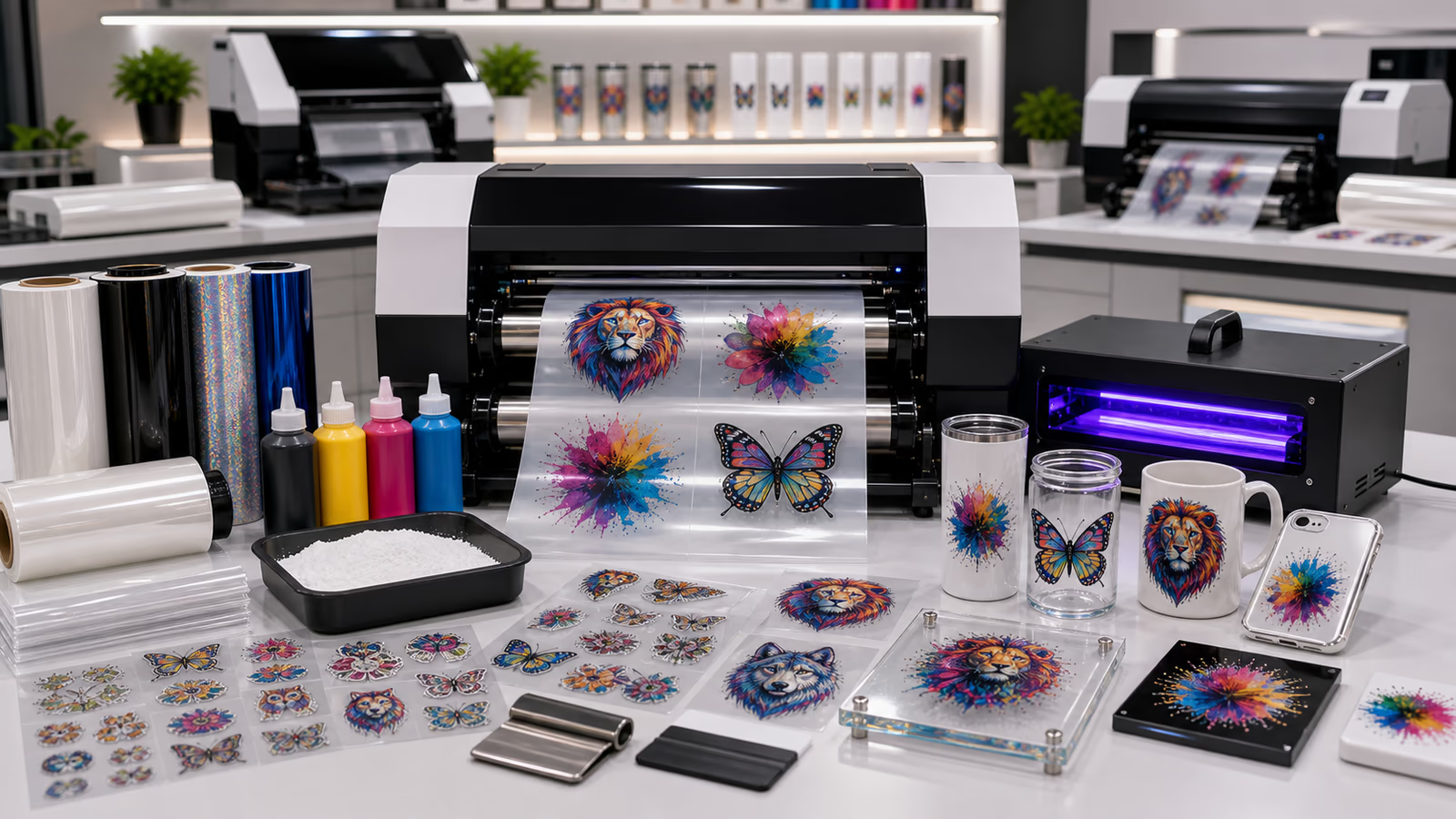
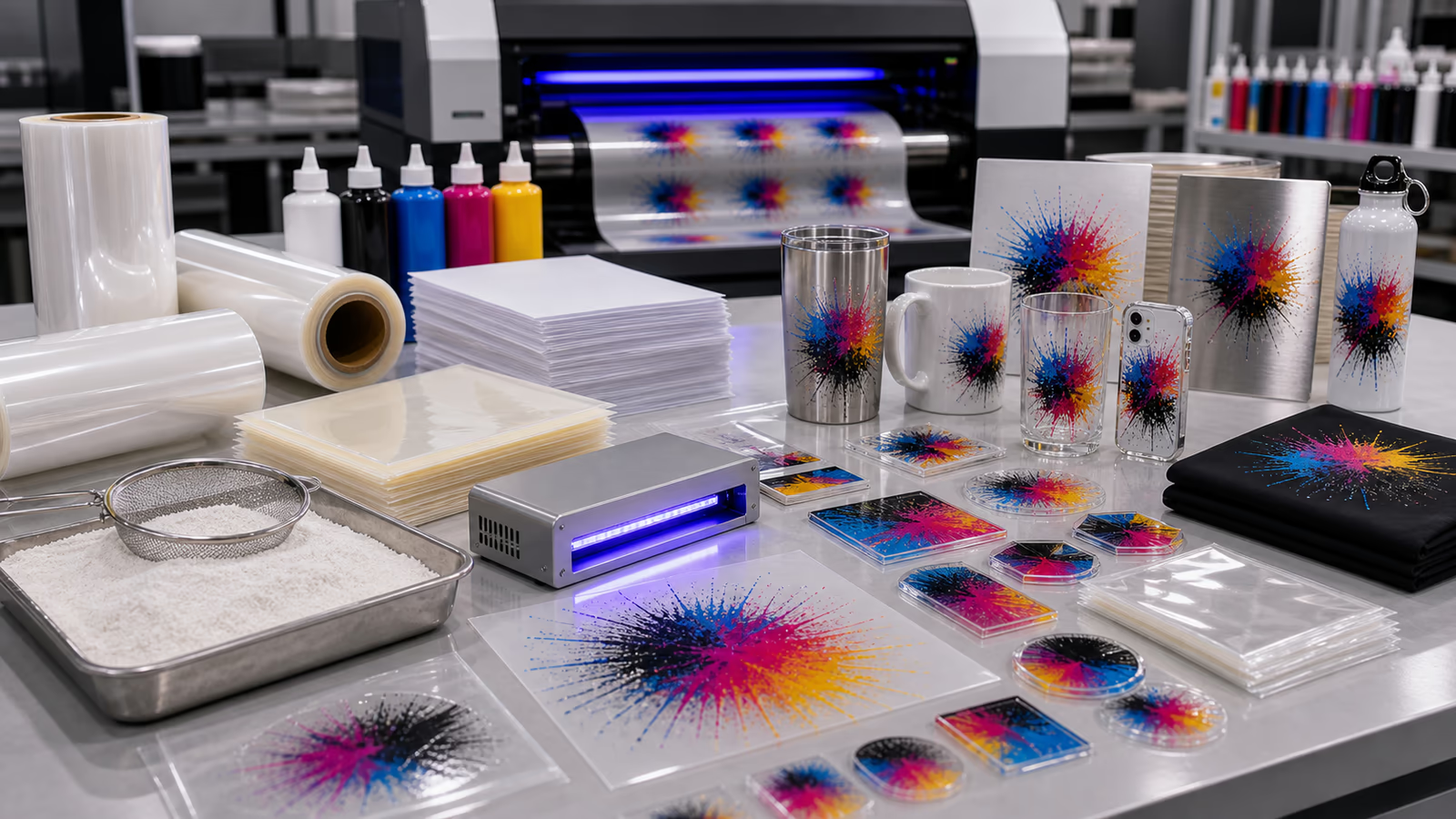
At their core, UV DTF decals are custom-printed decorative or informational stickers produced using UV DTF printing technology. The process involves printing UV-curable inks directly onto a specialized PET (polyethylene terephthalate) film, which is then coated with a layer of hot-melt adhesive. Unlike traditional DTF decals that use water-based inks and oven curing, UV DTF decals rely on ultraviolet light to instantly cure the inks, creating a durable, scratch-resistant layer that bonds seamlessly with the adhesive. Once printed and cured, the decal is transferred to the target substrate via heat and pressure, with the PET film peeled away to reveal the final design.
A defining feature of UV DTF decals is their “direct-to-film” nature—designs are first printed on the film carrier, not directly on the substrate, which unlocks compatibility with an unprecedented range of materials. This flexibility, paired with UV curing’s speed and durability, makes UV DTF decals a superior alternative to vinyl decals, screen-printed stickers, and other traditional options.
Core Advantages of UV DTF Decals
UV DTF decals stand out from other decoration methods due to a suite of compelling advantages that cater to both commercial and hobbyist needs. These benefits have made them a top choice for businesses and creators alike:
- Instant UV Curing for Fast Production: The most significant advantage of UV DTF technology is its instant curing process. UV-curable inks dry immediately when exposed to UV light, eliminating the lengthy drying or curing times associated with water-based inks. This reduces production cycles from hours to minutes, enabling high-volume output and faster turnaround for custom orders—critical for businesses meeting tight deadlines.
- Unmatched Substrate Versatility: Unlike vinyl decals (limited to smooth surfaces) or sublimation (restricted to polyester), UV DTF decals adhere to nearly any substrate. This includes rigid materials (plastic, glass, metal, wood, acrylic), flexible surfaces (fabrics, leather, silicone), and even textured or curved objects (mugs, phone cases, bottles). Their ability to bond with low-surface-energy substrates (e.g., polypropylene plastics) without pre-treatment sets them apart from most traditional decal options.
- Superior Durability & Weather Resistance: UV-cured inks form a tough, cross-linked layer that is resistant to scratches, fading, water, and UV radiation. This makes UV DTF decals ideal for both indoor and outdoor use, as they can withstand harsh weather conditions—including rain, sunlight, and temperature fluctuations—without losing vibrancy or adhesion. Unlike paper stickers or low-quality vinyl, UV DTF decals maintain their integrity for years, even in high-traffic or industrial environments.
- Vibrant, High-Definition Print Quality: UV-curable inks offer a wider color gamut than traditional inks, producing sharp, photo-realistic designs with vivid hues and subtle gradients. The instant curing process prevents ink bleeding or smudging, ensuring crisp details—even for intricate logos, fine text, or complex patterns. This high print quality makes UV DTF decals perfect for branding, promotional items, and decorative designs that demand visual impact.
- Easy Application & No Pre-Treatment: Applying UV DTF decals requires minimal effort and no specialized pre-treatment of substrates. Unlike DTG (Direct-to-Garment) printing or sublimation, which often require pre-heating or chemical treatments, UV DTF decals only need heat and pressure (via a heat press or even a household iron for small projects) to adhere securely. This simplifies the application process, making it accessible to beginners and reducing operational costs for businesses.
How Are UV DTF Decals Made? A Step-by-Step Breakdown
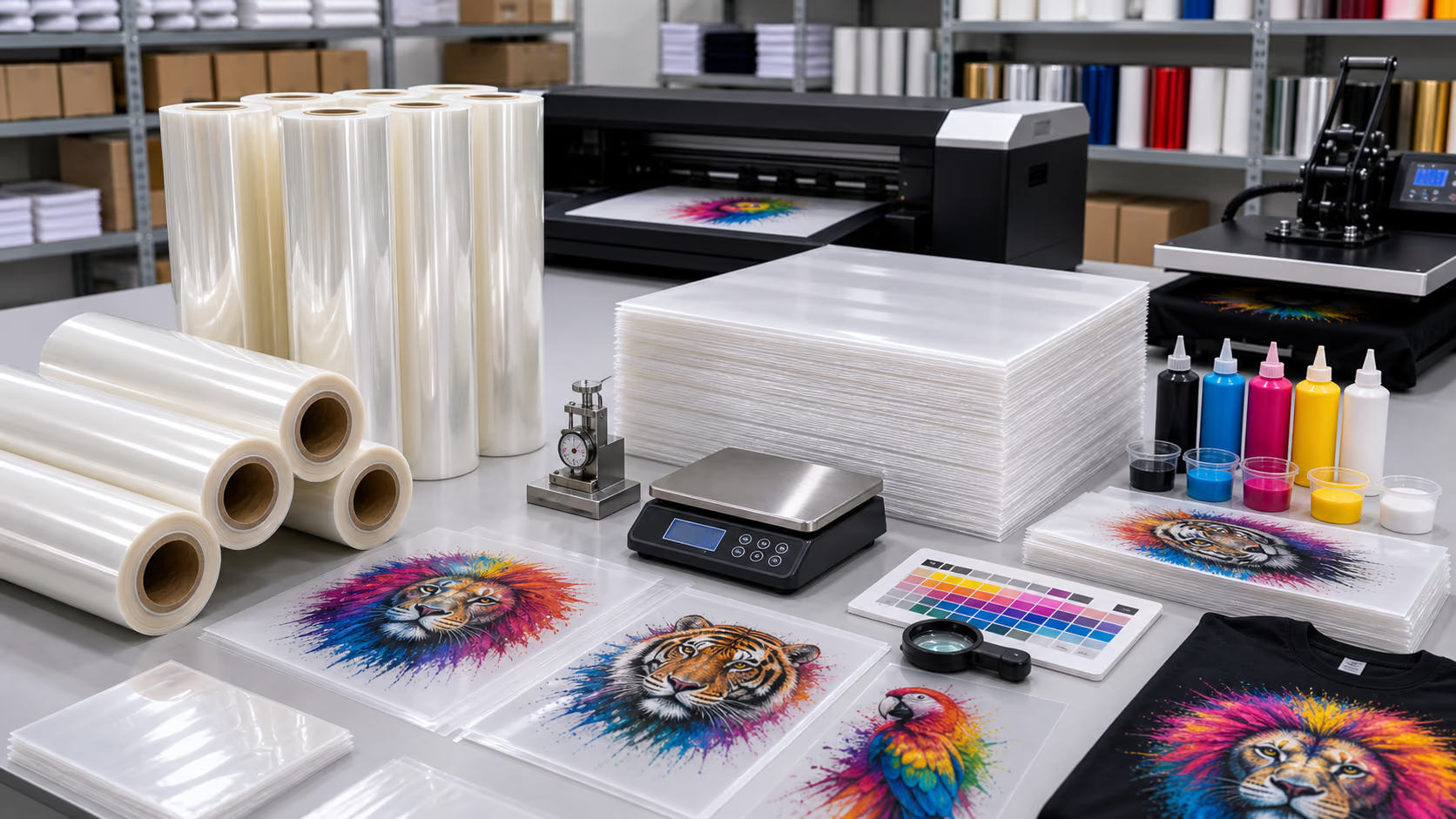
The production of UV DTF decals involves a streamlined, four-step process that leverages UV curing technology for speed and precision. Here’s a detailed breakdown of the workflow:
- Design Preparation: First, the desired design is created or edited using graphic design software (e.g., Adobe Photoshop, Canva). The design is optimized for UV DTF printing—ensuring high resolution (300+ DPI) and adjusting dimensions to fit the target substrate. For dark or textured substrates, a white ink underbase may be added to enhance color vibrancy.
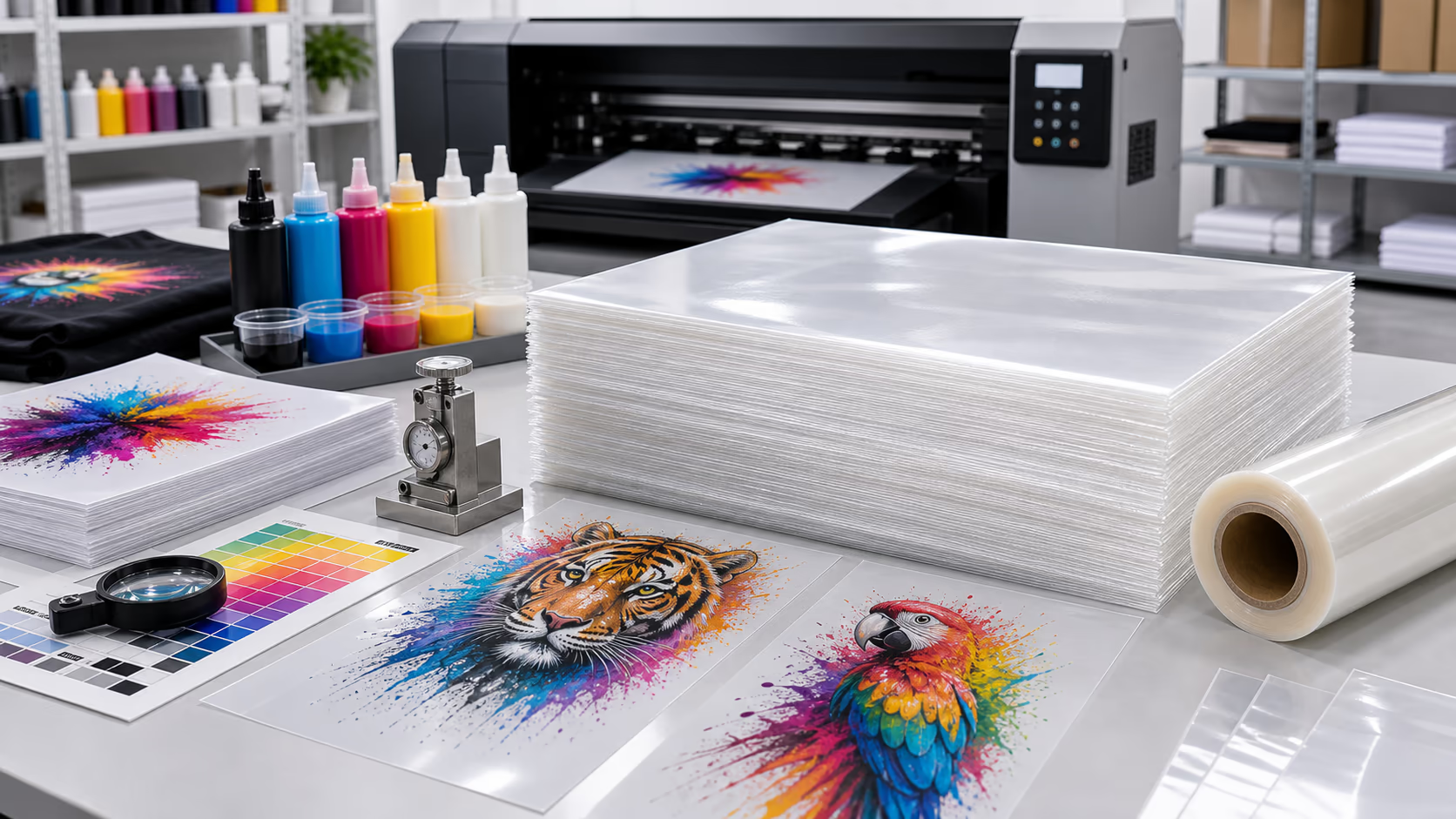
- Printing on PET Film: The optimized design is printed directly onto a specialized UV DTF PET film using a UV DTF printer. The printer deposits UV-curable inks onto the film’s coated surface, layer by layer. As each layer of ink is applied, it is instantly cured by built-in UV lamps, preventing smudging and ensuring sharp detail.
- Adhesive Coating: After printing and curing the design, a layer of hot-melt adhesive is applied to the back of the printed film. This adhesive is formulated to bond with a wide range of substrates when heat and pressure are applied. Excess adhesive is removed, and the film is trimmed to the desired decal shape (either manually or via a cutting plotter for precision).
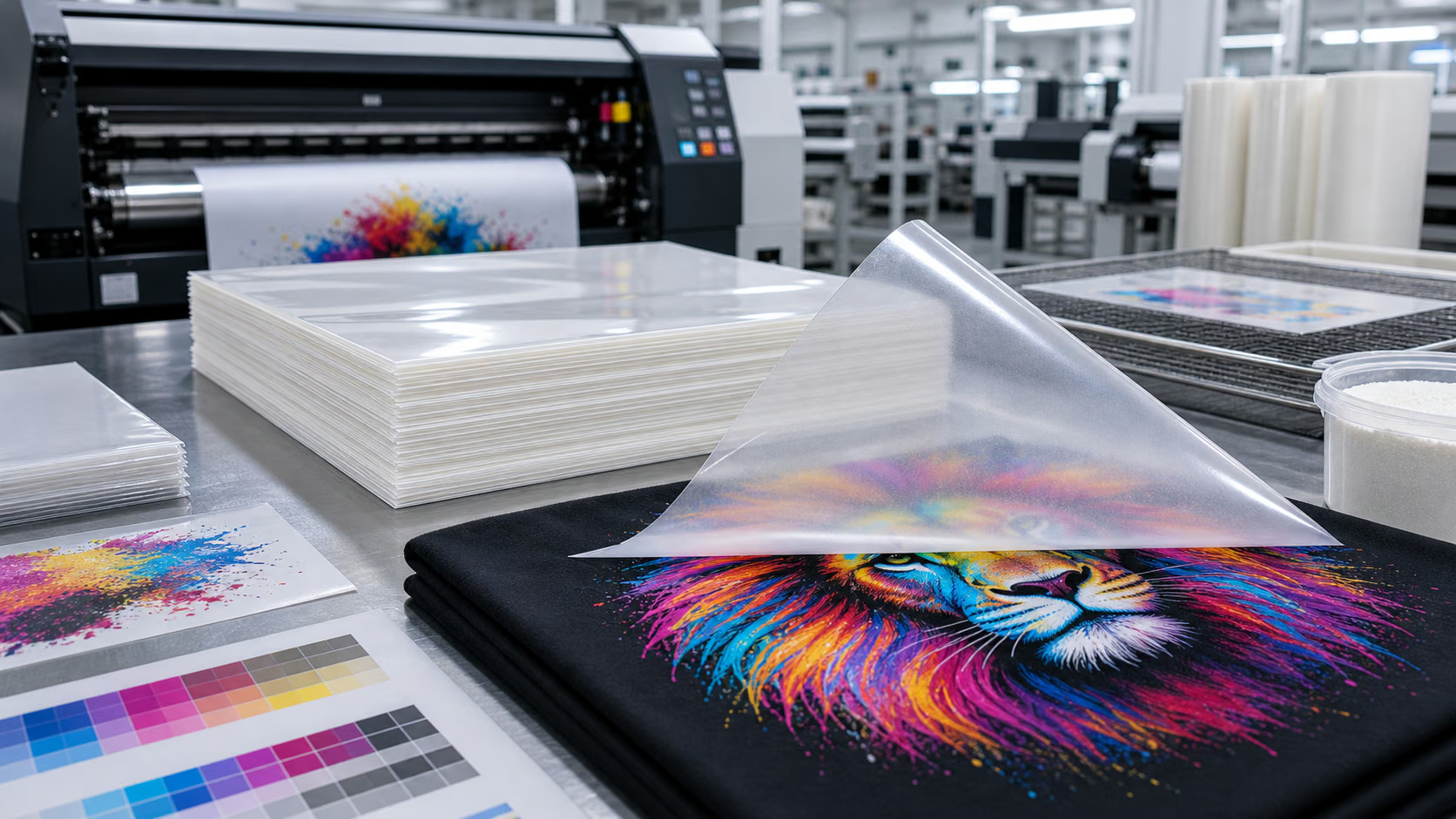
- Heat Transfer to Substrate: The printed, adhesive-coated film is placed on the target substrate (design side up, adhesive side down). A heat press (or household iron for small projects) is used to apply controlled heat (typically 120–177°C / 250–350°F) and pressure (20–50 psi) for 10–30 seconds. This melts the hot-melt adhesive, creating a permanent bond between the decal and the substrate. Finally, the PET film carrier is peeled away, revealing the vibrant, durable UV DTF decal.
Common Applications of UV DTF Decals
The versatility and durability of UV DTF decals make them suitable for a wide range of industries and projects. Below are some of their most popular applications:
- Branding & Promotional Items: Businesses use UV DTF decals to brand promotional products such as mugs, water bottles, keychains, phone cases, and tote bags. Their vibrant print quality and long-lasting adhesion ensure brand visibility for years, making them a cost-effective marketing tool.
- Automotive Decoration: UV DTF decals are ideal for automotive applications, including custom car stickers, window decals, dashboard accents, and wheel rim decorations. Their weather resistance and scratch-proof properties withstand road debris, sunlight, and rain, maintaining a professional look.
- Retail & Point-of-Sale Displays: Retailers use UV DTF decals for product labels, shelf markers, window displays, and promotional signage. Their ability to adhere to glass, plastic, and metal makes them versatile for in-store branding, while their durability ensures they hold up to high foot traffic.
- Home & Interior Design: Crafters and homeowners use UV DTF decals to personalize home decor items such as glassware, wooden signs, furniture, and wall art. They can also be used to add custom designs to appliances, mirrors, and even tile surfaces.
- Industrial & Safety Signage: In industrial settings, UV DTF decals are used for equipment labels, safety signs, and warning stickers. Their resistance to chemicals, heat, and abrasion makes them suitable for harsh industrial environments, ensuring compliance with safety regulations.
- Apparel & Accessories: While less common than fabric printing methods like DTG, UV DTF decals can be applied to apparel (e.g., t-shirts, hoodies) and accessories (e.g., hats, backpacks) made from cotton, polyester, or blends. They are ideal for small, intricate designs or logos that require high durability.
How to Choose High-Quality UV DTF Decals
Not all UV DTF decals are created equal—quality varies based on materials, ink, and production processes. When selecting UV DTF decals (whether ordering custom ones or purchasing pre-made), consider the following factors to ensure you get the best results:
- Ink Quality: Opt for decals printed with high-quality UV-curable inks. Inferior inks may fade, scratch, or peel over time. Reputable suppliers use pigment-based UV inks that offer vibrant colors and long-term UV stability.
- Adhesive Strength: The adhesive layer is critical for long-lasting adhesion. High-quality UV DTF decals use premium hot-melt adhesives that bond securely to a wide range of substrates without leaving residue when removed (for temporary decals) or peeling prematurely (for permanent ones).
- PET Film Quality: The PET film used as a carrier should be thin, flexible, and heat-resistant. Poor-quality film may warp during heat transfer, leading to misaligned designs or uneven adhesion.
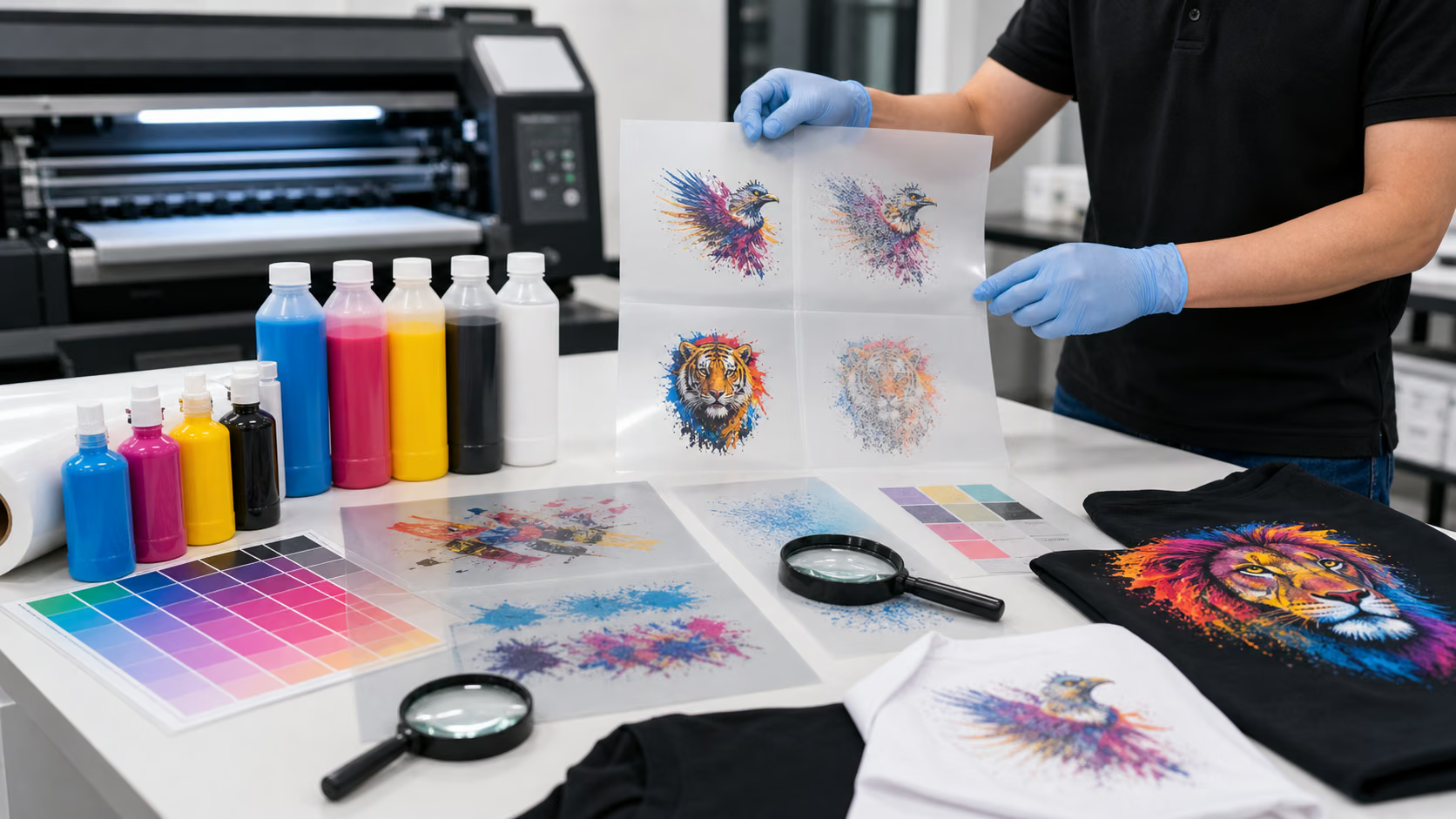
- Print Resolution: High-definition decals require a print resolution of at least 300 DPI. Check for sharp edges, smooth gradients, and no pixelation—signs of a well-printed decal.
- Supplier Reputation: Choose a reputable supplier with positive reviews and experience in UV DTF printing. Ask for samples to test the decal’s adhesion, durability, and print quality before placing large orders.
Expert Tips for Applying & Maintaining UV DTF Decals
To ensure your UV DTF decals look their best and last as long as possible, follow these expert tips for application and maintenance:
- Prepare the Substrate: Clean the target surface thoroughly to remove dust, dirt, oil, or moisture. A clean surface ensures maximum adhesive bond—use rubbing alcohol or a lint-free cloth for best results. For textured surfaces, ensure they are free of loose debris.
- Follow Heat Transfer Guidelines: Adhere to the recommended temperature, pressure, and time settings for your decal and substrate. Too little heat or pressure will result in poor adhesion, while too much may damage the substrate (e.g., melting plastic) or the decal.
- Peel the PET Film Correctly: Wait for the decal to cool slightly (30–60 seconds) after heat transfer before peeling the PET film. Peel slowly and at a 45-degree angle to avoid lifting the decal edges. For cold-peel decals, wait until fully cooled before peeling.
- Maintain Properly: For outdoor decals, avoid using abrasive cleaners or pressure washers directly on the design—use a mild soap and soft cloth to clean. For fabric decals, wash the item inside out in cold water and avoid tumble drying on high heat.
- Store Unused Decals Properly: If you have unused UV DTF decals, store them in a cool, dry place away from direct sunlight and moisture. This prevents the adhesive from drying out or the ink from fading before application.
Conclusion: Why UV DTF Decals Are a Game-Changer
UV DTF decals have revolutionized the custom decoration industry, offering a unique combination of speed, versatility, durability, and print quality that traditional methods cannot match. Whether you’re a business looking to enhance your branding, a crafter seeking to personalize projects, or a designer pushing the boundaries of creativity, UV DTF decals provide endless possibilities. Their ability to adhere to nearly any substrate, resist harsh conditions, and produce vibrant, high-definition designs makes them a reliable, cost-effective solution for nearly any decal need.
By understanding the core principles, benefits, and best practices outlined in this guide, you can fully leverage the power of UV DTF decals to bring your creative visions to life. As technology continues to advance, UV DTF decals will only become more accessible and versatile—solidifying their place as a staple in the world of custom decoration.