“Is UV DTF Film Reusable? A Comprehensive Analysis” -MAXDTF- Direct Transfer UV DTF Film Wholesale, Direct to Transfer UV DTF Decal Factory, Made in China
Introduction
UV DTF (Drop-on-Demand Thermal Film) printing technology has gained significant popularity in the textile and apparel industry due to its versatility, high-quality print output, and ease of use. One of the key questions surrounding this technology is whether the UV DTF film can be reused after the initial printing process. This article aims to provide a detailed analysis of the reusability of UV DTF film, exploring the technical aspects, practical considerations, and environmental implications.
Understanding UV DTF Film
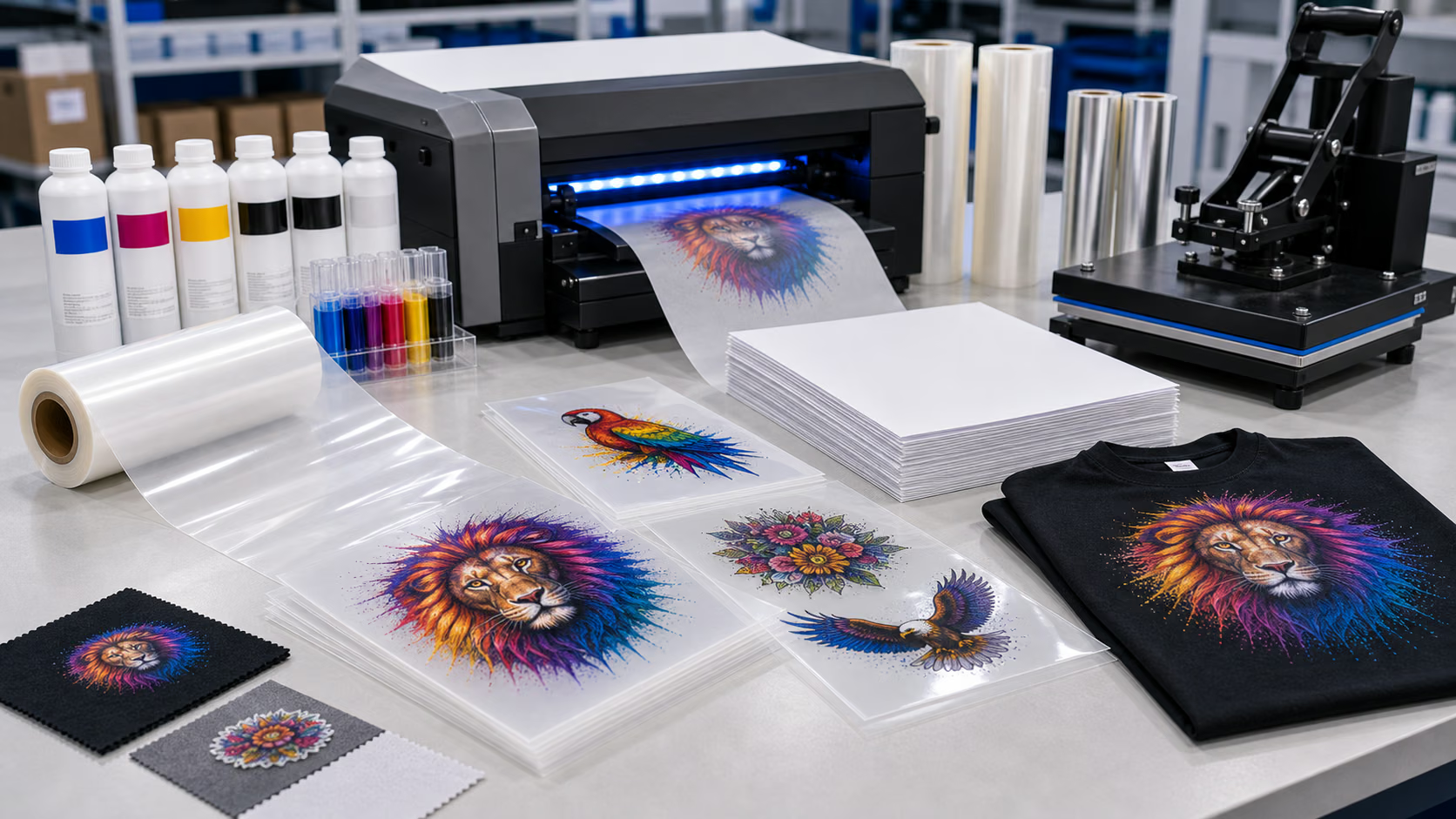
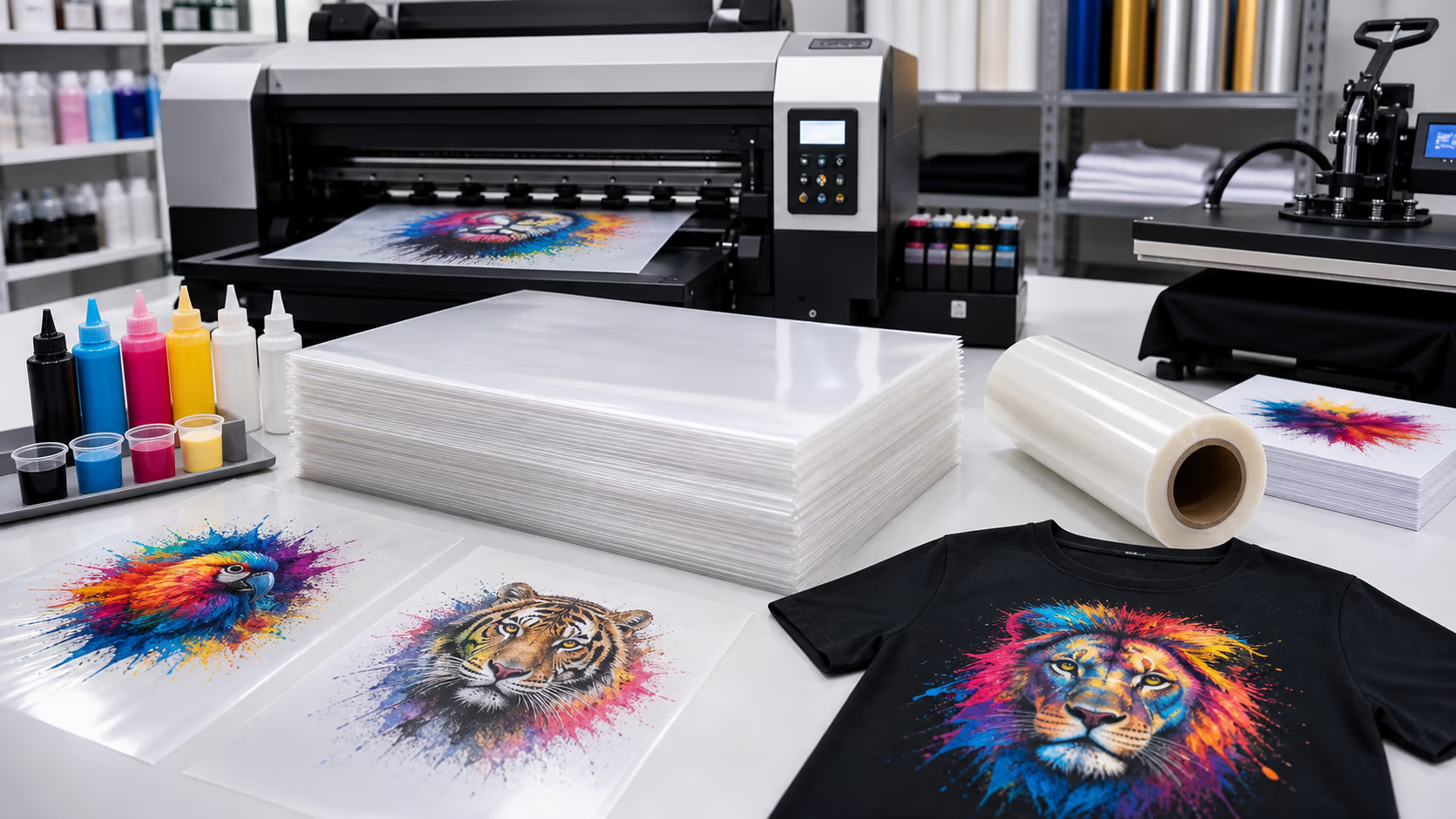
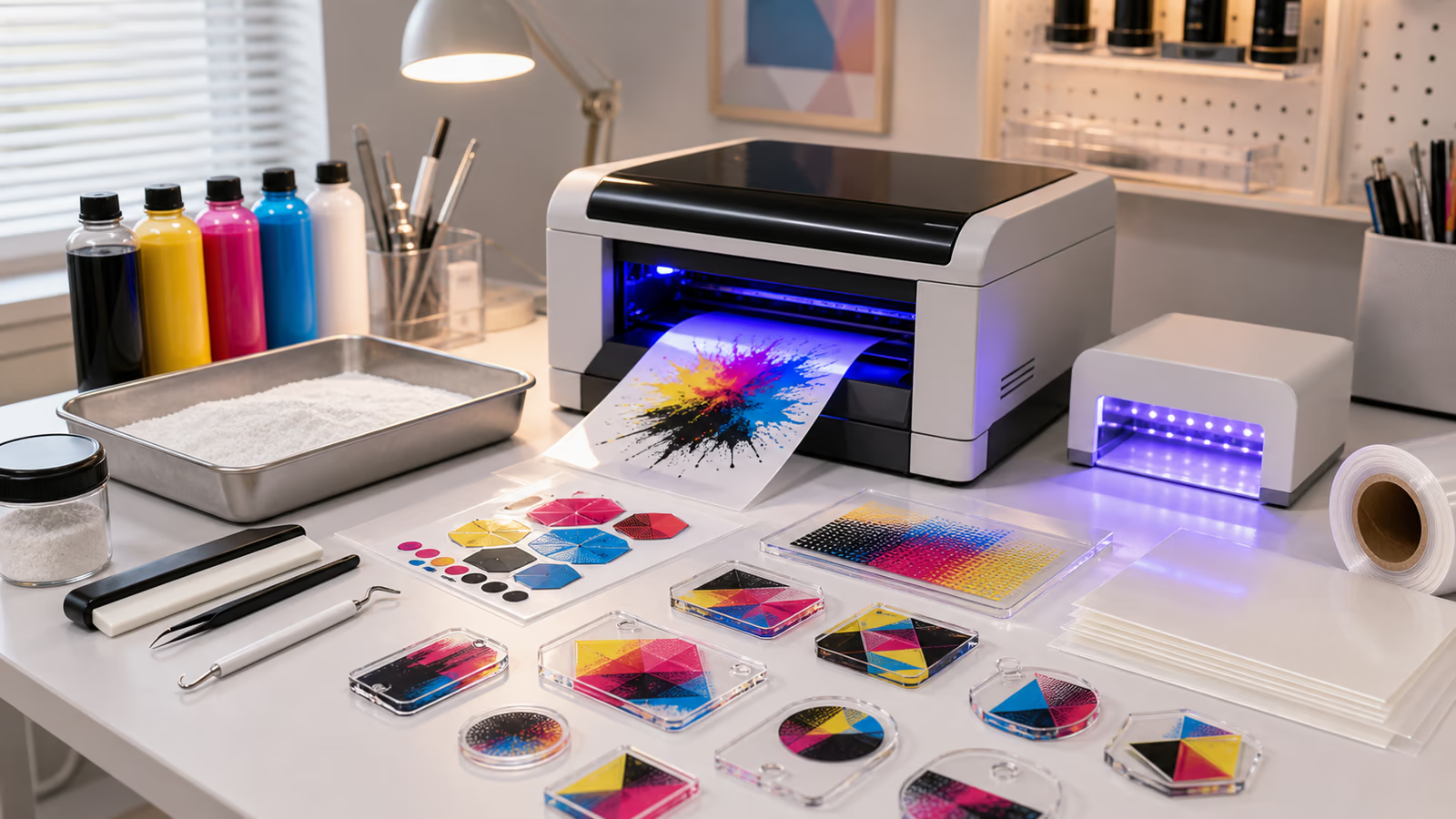
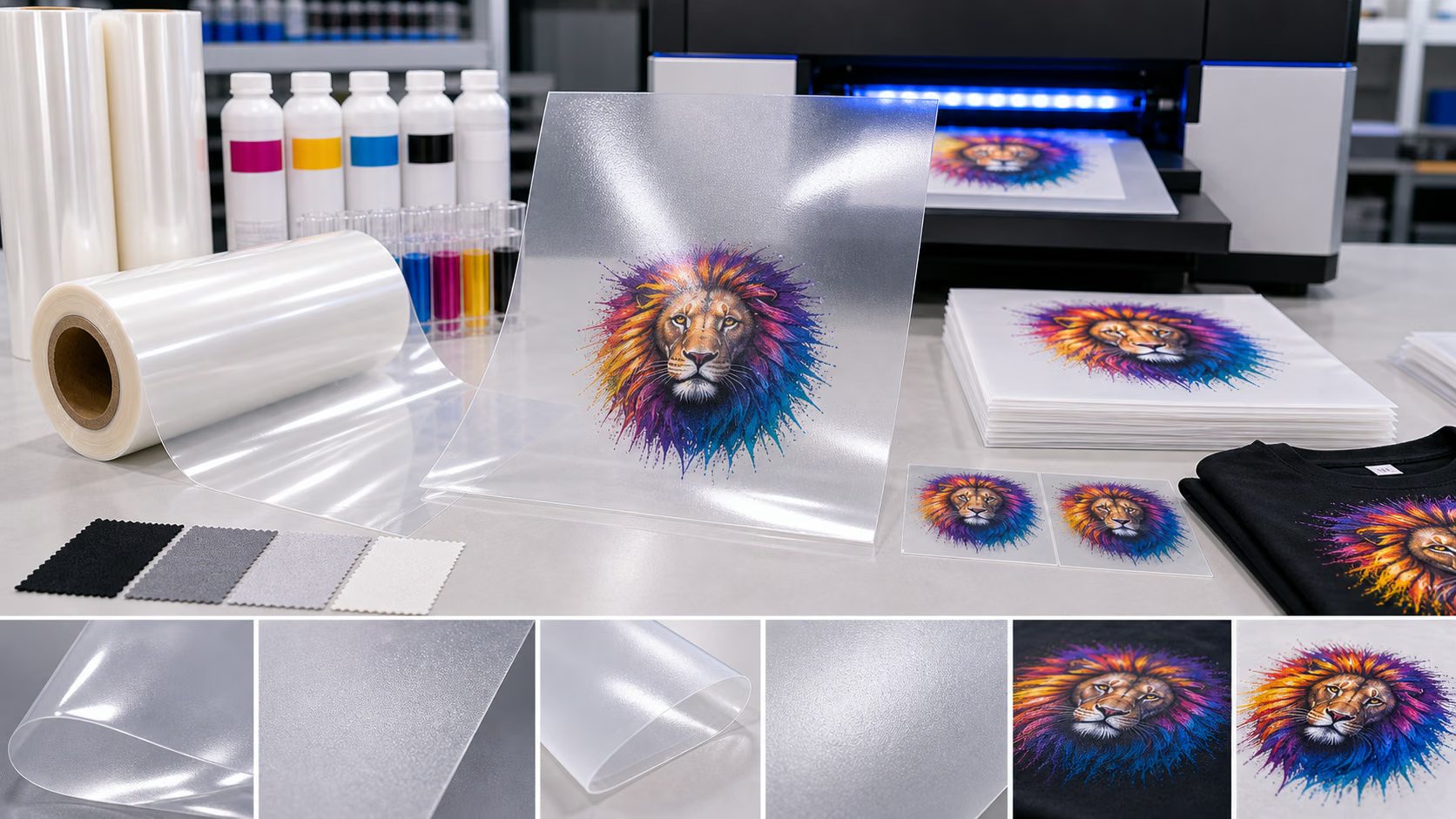
UV DTF film is a specialized material designed for digital printing. It consists of a polyester base coated with a special ink-receptive layer. The printing process involves transferring ink from an inkjet printer onto the film, followed by UV curing to fix the ink. The final step is heat transfer to a substrate, such as fabric or other materials.
Initial Printing Process
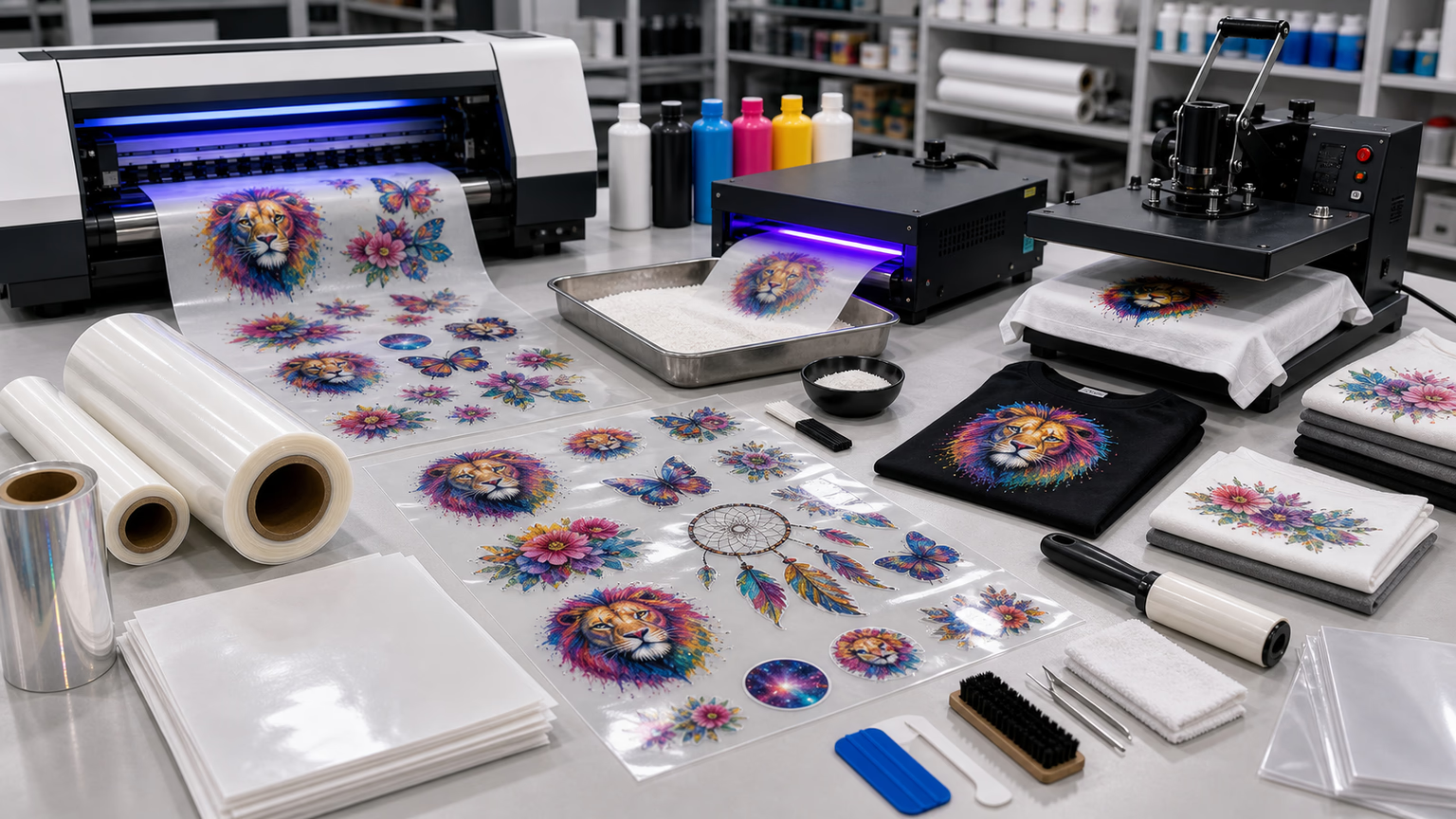
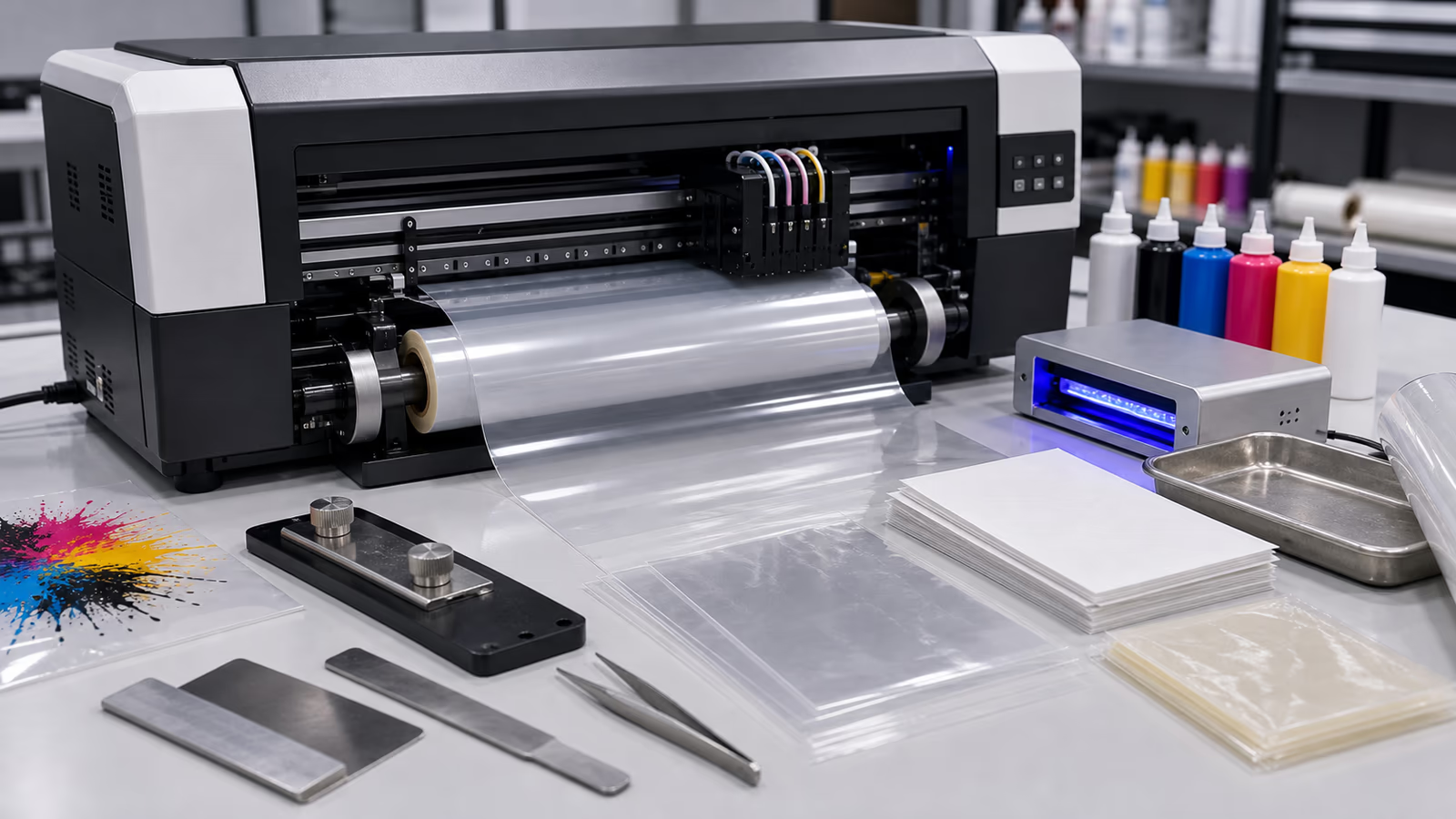
The typical workflow for UV DTF printing includes:
- Inkjet Printing: Ink is applied to the UV DTF film using a high-resolution inkjet printer.
- UV Curing: The ink is then cured using UV light to solidify and adhere to the film.
- Heat Transfer: The ink-laden film is transferred to the desired substrate using a heat press.
Reusability of UV DTF Film
The question of whether UV DTF film can be reused hinges on several factors:
- Ink Adhesion: After the initial transfer, the film’s ink-receptive layer may be compromised, making subsequent prints less effective. The quality of the print may deteriorate with each use.
- Film Degradation: Repeated exposure to UV light and heat can cause the film to degrade over time, affecting its mechanical properties and print quality.
- Cost-Benefit Analysis: The cost of reprocessing the film may outweigh the benefits, especially when considering the potential for lower-quality prints.
Practical Considerations
- Reprocessing Methods: Some users have attempted to clean and recondition the film for reuse, but this requires specialized equipment and careful handling to avoid damaging the film.
- Print Quality: Even with reprocessing, achieving the same high print quality as the initial transfer can be challenging.
- Environmental Impact: Although reusing the film might seem environmentally friendly, the energy and resources required for reprocessing could negate these benefits.
Environmental Implications
The environmental impact of UV DTF film is a crucial consideration. While the concept of reusing the film aligns with sustainability goals, the reality is more complex:
- Waste Generation: Inevitably, some film will become unusable, leading to waste. Proper disposal methods must be considered to minimize environmental harm.
- Resource Efficiency: The production of UV DTF film itself has an environmental footprint. Balancing the reusability of the film with the overall lifecycle impact is essential.
Conclusion
While the idea of reusing UV DTF film is appealing, the practical limitations and potential drawbacks make it a less feasible option. The compromised print quality, film degradation, and resource-intensive reprocessing methods suggest that UV DTF film is best used as a single-use material. To maximize efficiency and minimize environmental impact, it is recommended to focus on other sustainable practices within the UV DTF printing process, such as optimizing material use and improving energy efficiency.