“Evaluating UV DTF Technologies: Finding the Best Solution” -MAXDTF- China DTF UV Paper, Direct to Transfer UV DTF Paper Manufacturer, Made in China
UV DTF (Ultraviolet Direct-to-Film) technology has redefined custom decoration, offering unmatched versatility across substrates and durable, vibrant results. However, with a growing array of UV DTF systems, inks, and films on the market, selecting the right solution demands a strategic evaluation of technical capabilities, business needs, and application requirements. This guide breaks down the key factors to consider when assessing UV DTF technologies, ensuring you invest in a system that aligns with your goals—whether for small-batch crafts or large-scale industrial production.
1. Core Components of UV DTF Technology: What to Scrutinize
A UV DTF system’s performance hinges on three interconnected components. Evaluating each individually and as a whole is critical to determining overall reliability.
1.1 UV DTF Printers: Speed, Resolution, and Scalability
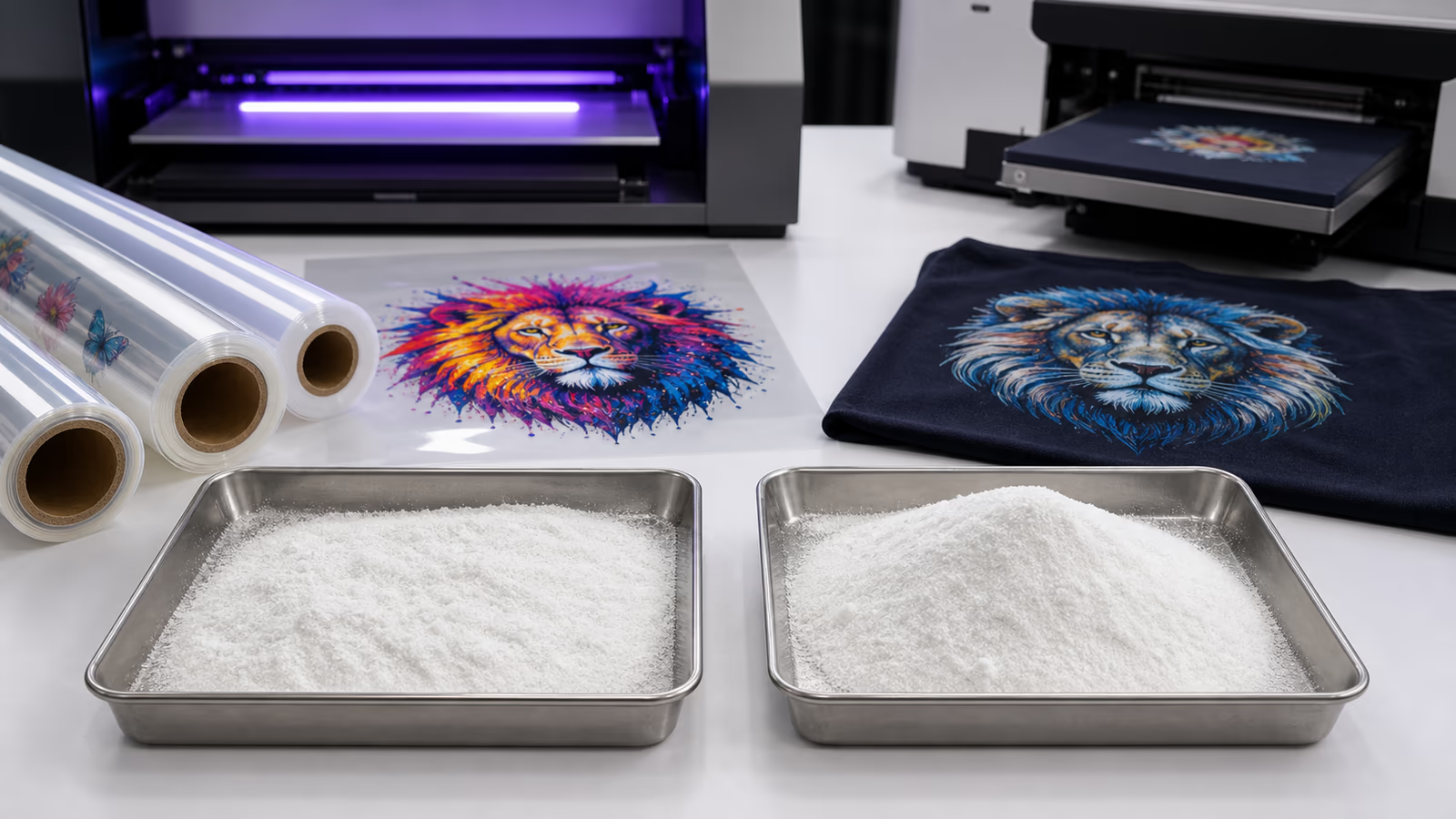
Printers are the backbone of UV DTF technology. Key metrics include: Print Speed: Industrial roll-fed printers (e.g., 60cm+ width) handle 50–100 sqm/hour, ideal for mass production, while desktop models suit 1–5 sqm/hour for small batches.Resolution: 1200 DPI is standard for sharp text/graphics; avoid systems below 600 DPI for detailed designs.UV Curing System: LED curing (energy-efficient, low heat) outperforms mercury lamps (bulky, high maintenance) for most applications.
1.2 UV Inks: Durability and Color Performance
UV-reactive inks dictate color vibrancy and longevity. Prioritize: UV Resistance: Inks with UV stabilizers prevent fading for 3–5 years outdoors—essential for signage or vehicle decals.Color Gamut: CMYK+White configurations ensure opacity on dark substrates; some systems add neon or metallic inks for customization.Substrate Compatibility: Flexible inks for fabrics vs. rigid inks for metal/glass.
1.3 DTF Films and Adhesives: Bond Strength and Versatility
The film-adhesive pairing determines adhesion quality. Evaluate: Film Thickness: 100–120 micron PET film balances durability and flexibility; thinner films work for curved surfaces.Adhesive Type: Pressure-sensitive for quick application (glass, plastic) or heat-activated for fabric bonding.Peelability: Clean cold/warm peel to avoid design damage.
2. Key Evaluation Criteria for Your Specific Needs
The “best” UV DTF solution varies by use case. Align technology with your priorities using these criteria.
2.1 Production Volume: Small-Batch vs. Mass Production
Hobbyists or micro-businesses benefit from desktop UV DTF printers (e.g., Epson-based models) with sheet-fed capabilities. Mid-sized shops need hybrid systems (roll + sheet), while factories require industrial roll-fed printers with automated material handling to minimize downtime.
2.2 Substrate Focus: Fabric, Hard Surfaces, or Mixed Use
If specializing in apparel, prioritize printers with flexible inks and heat-activated adhesives. For industrial labeling, choose systems with chemical-resistant inks and rigid films. Mixed-use operations need versatile setups that handle both fabrics and hard substrates without reconfiguration.
2.3 Budget and Total Cost of Ownership
Initial printer costs range from $2,000 (desktop) to $50,000+ (industrial), but factor in long-term expenses: LED bulbs (last 20,000+ hours vs. 1,000 for mercury), ink efficiency, and maintenance. A slightly pricier LED system often reduces total costs over time.
2.4 Technical Support and Reliability
Choose brands with local service centers—UV DTF printers require occasional calibration. Check warranty terms (1–3 years standard) and user reviews for common issues (e.g., ink clogs, curing inconsistencies).
3. Matching UV DTF Technologies to Industry Applications
Certain UV DTF setups excel in specific sectors, based on their core strengths:
3.1 Apparel and Promotional Merchandise
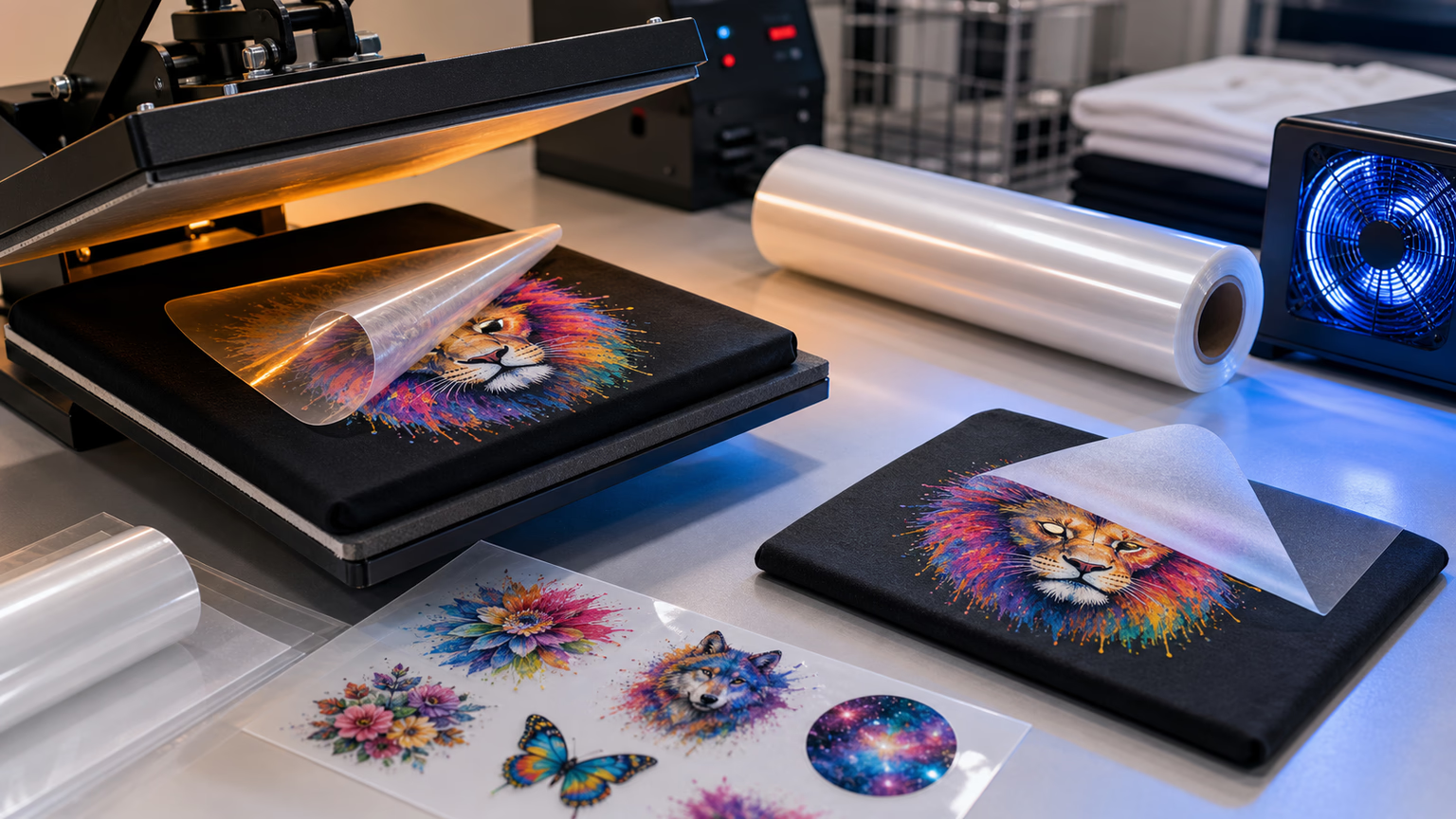
Opt for desktop or hybrid printers with CMYK+White inks, flexible 100-micron film, and heat-activated adhesive. This combination delivers soft, stretchable prints for t-shirts, hoodies, and tote bags that resist washing and wear.
3.2 Signage and Outdoor Branding
Industrial roll-fed printers with UV-stabilized inks and 120-micron film are ideal. Look for weather-resistant laminating options to extend outdoor lifespan to 5+ years, suitable for banners, vehicle wraps, and storefront signs.
3.3 Industrial and Medical Labeling
Select printers with chemical-resistant inks (resistant to oil, solvents) and thick PET film. These systems must meet industry standards (e.g., FDA approval for food contact) and produce smudge-proof labels for machinery or medical devices.
4. Conclusion: Prioritize Alignment Over “Best-in-Class”
There is no one-size-fits-all UV DTF technology— the best solution is the one that matches your production volume, substrate needs, and budget. Start by defining your core applications (e.g., “small-batch custom apparel” or “large-scale outdoor signage”), then evaluate printers, inks, and films based on the criteria outlined. Test samples with your target substrates to verify color, adhesion, and durability. By focusing on alignment rather than chasing the most advanced system, you’ll invest in a UV DTF solution that drives efficiency, quality, and profitability for your business.