“Is UV DTF Film Reusable? Exploring the Possibilities” -MAXDTF- UV DTF Transfer AB Decal Manufacturer, UV DTF Adhesive Transfer Paper Manufacturer, Made in China
In the ever-evolving world of digital printing, UV DTF (Direct to Film) technology has emerged as a groundbreaking method for producing high-quality prints on a variety of surfaces. This technique involves printing designs onto a special film, which is then transferred to the desired material using a heat press. One of the key questions among professionals and hobbyists alike is whether UV DTF film can be reused. This article delves into the possibilities and challenges associated with reusing UV DTF film.
Understanding UV DTF Technology
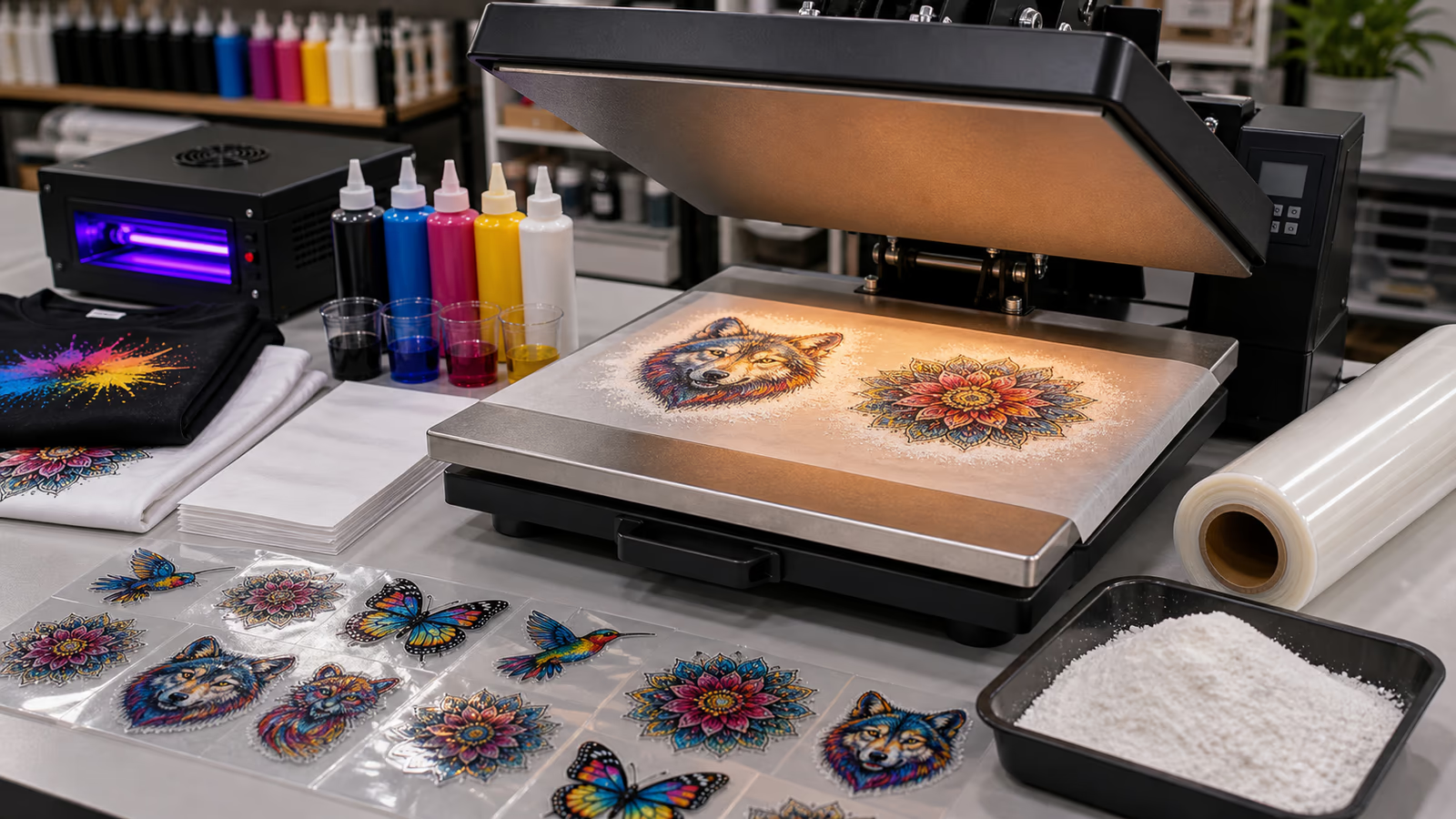
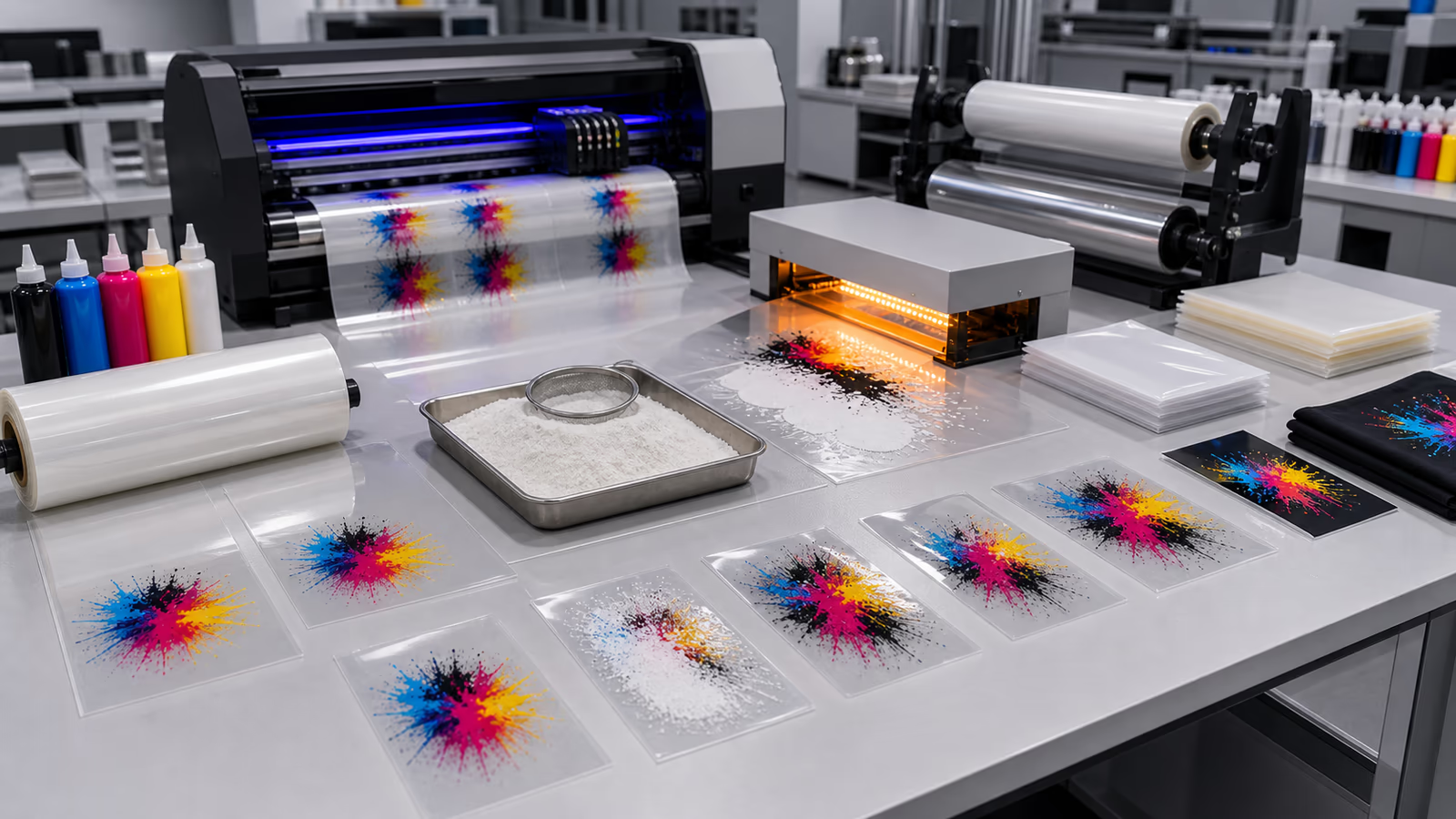
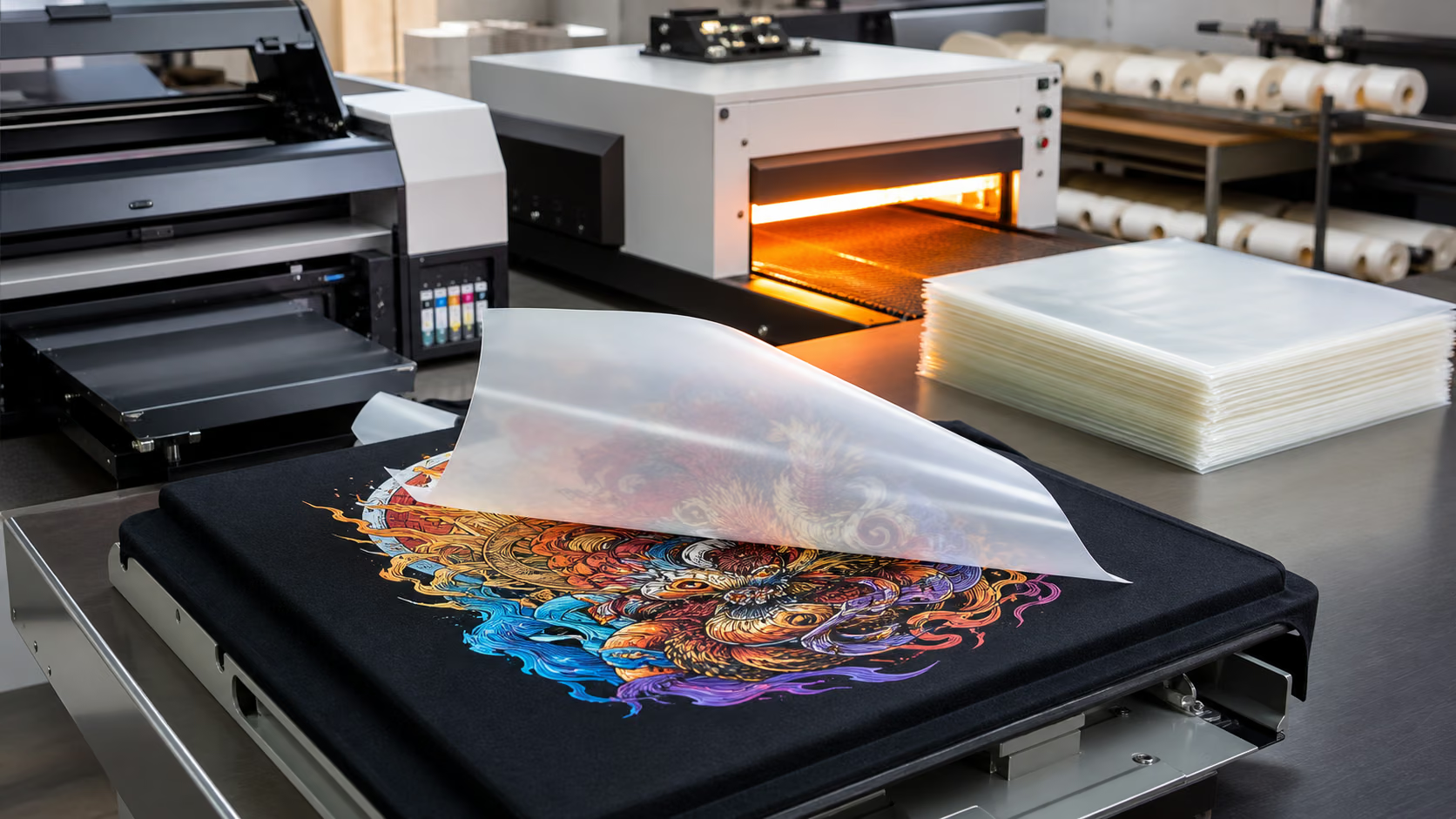
Before exploring the reusability of UV DTF film, it’s essential to understand how the technology works. UV DTF printing involves the following steps:
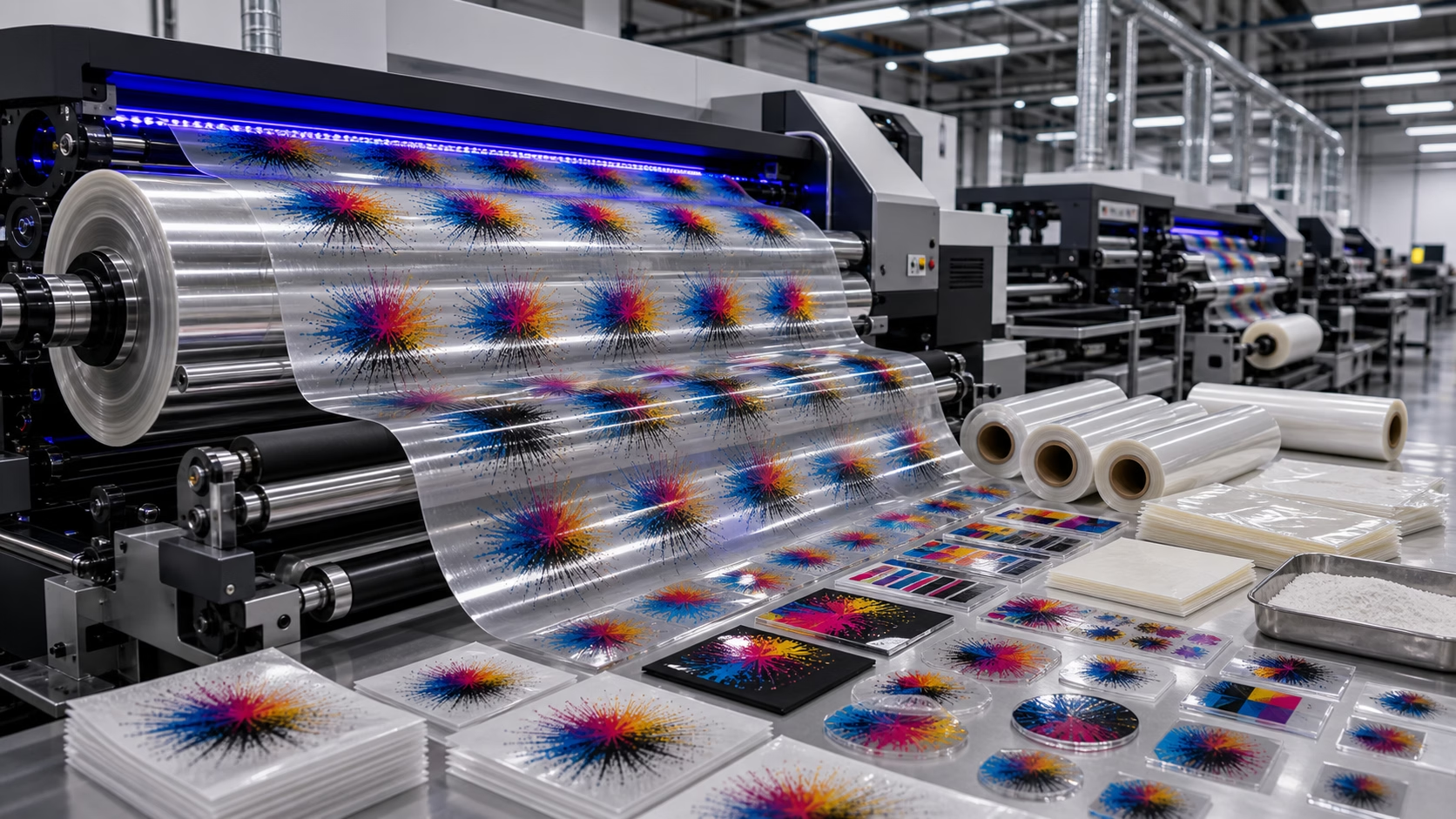
- Design Printing: The design is printed onto a UV DTF film using a specialized UV printer.
- Drying: The printed film is then passed through a dryer to cure the ink.
- Transfer: The cured film is placed on the target material, and a heat press is used to transfer the design onto the surface.
The UV curing process ensures that the ink adheres firmly to the film, making it suitable for transfer to various substrates.
The Reusability Question
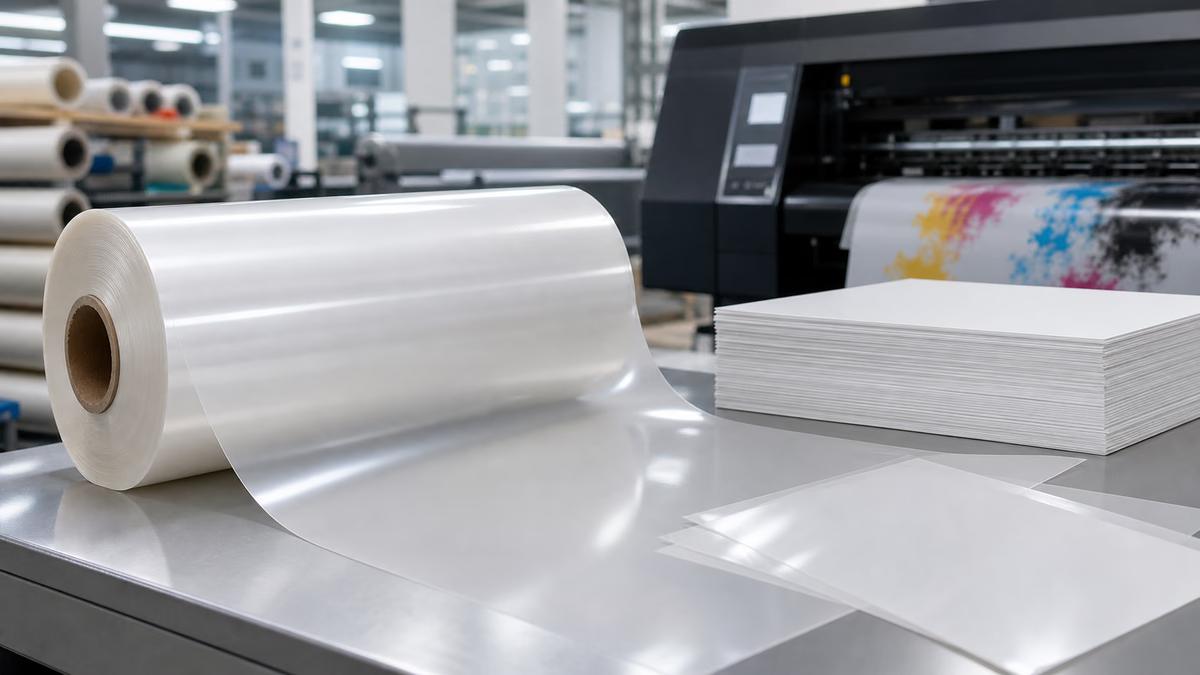
The primary advantage of UV DTF technology is its efficiency and high-quality output. However, the cost of the film can be a significant factor, especially for large-scale production. This has led many to wonder if the film can be reused after the initial transfer.
Factors Affecting Reusability
Several factors influence whether UV DTF film can be reused:
- Adhesion of Ink: Once the ink is transferred to the target material, the film is typically peeled away. The remaining ink on the film must be minimal to consider reusing it.
- Film Integrity: Repeated use can lead to wear and tear on the film, affecting its ability to produce high-quality prints.
- Cleaning Process: To reuse the film, it must be thoroughly cleaned to remove any residual ink or adhesive. This process can be time-consuming and may require specialized cleaning solutions.
- Economic Viability: Even if the film can be reused, the time and resources required for cleaning and preparation may outweigh the cost savings.
Practical Considerations
While some users have reported success in reusing UV DTF film, it is crucial to weigh the benefits against the challenges. Here are some practical considerations:
- Quality Control: Reusing the film may result in a slight degradation of print quality. This could be acceptable for certain applications but may not meet the standards for high-end products.
- Time Investment: Cleaning and preparing the film for reuse can add significant time to the production process.
- Resource Consumption: The cleaning process itself consumes water and cleaning solutions, which may offset the environmental benefits of reusing the film.
Industry Perspectives
The industry’s perspective on UV DTF film reusability varies. Some manufacturers recommend using fresh film for each print to ensure consistent quality and avoid potential issues with adhesion and transfer efficiency. Others suggest that with proper care and cleaning, the film can be reused a limited number of times.
Conclusion
The question of whether UV DTF film can be reused is complex and depends on various factors, including the specific application, the quality standards required, and the resources available for cleaning and preparation. While there may be potential for reusing the film, it is essential to carefully evaluate the trade-offs involved.
For most professionals, the priority is to maintain the highest print quality and production efficiency. In such cases, using fresh UV DTF film for each project is likely the best approach. However, for those exploring cost-saving measures or working on smaller-scale projects, reusing the film may be a viable option, provided the necessary steps are taken to ensure quality and consistency.
As technology continues to advance, it is possible that future innovations will make the reuse of UV DTF film more practical and efficient. Until then, the decision to reuse the film should be based on a thorough understanding of the benefits and challenges involved.
In summary, while UV DTF film reusability is an intriguing possibility, it requires careful consideration and experimentation to determine its practicality for different scenarios.