“Uncover the Origins of DTF Transfer Film A3 – Where Did It All Begin?” -MAXDTF- DTF transfer Film 11×17 Manufacturer, DTF Transfer Film sheet Supplier, Made in China
The evolution of digital textile printing has witnessed the emergence of innovative technologies that have transformed the industry. One such groundbreaking innovation is the DTF Transfer Film A3, a specialized material that has revolutionized the way designs are transferred onto fabrics. But where did this remarkable product originate, and how has it evolved over time? This article takes a closer look at the origins of DTF Transfer Film A3 and its journey to becoming an essential tool in the world of printing.
The Genesis of DTF Transfer Film A3
The concept of DTF Transfer Film A3 can be traced back to the development of Direct-to-Film (DTF) printing technology, which emerged as a response to the limitations of traditional textile printing methods. Traditional methods, such as screen printing and heat transfer, often required multiple steps and were less suitable for printing on dark fabrics or achieving vibrant colors without a white underbase.
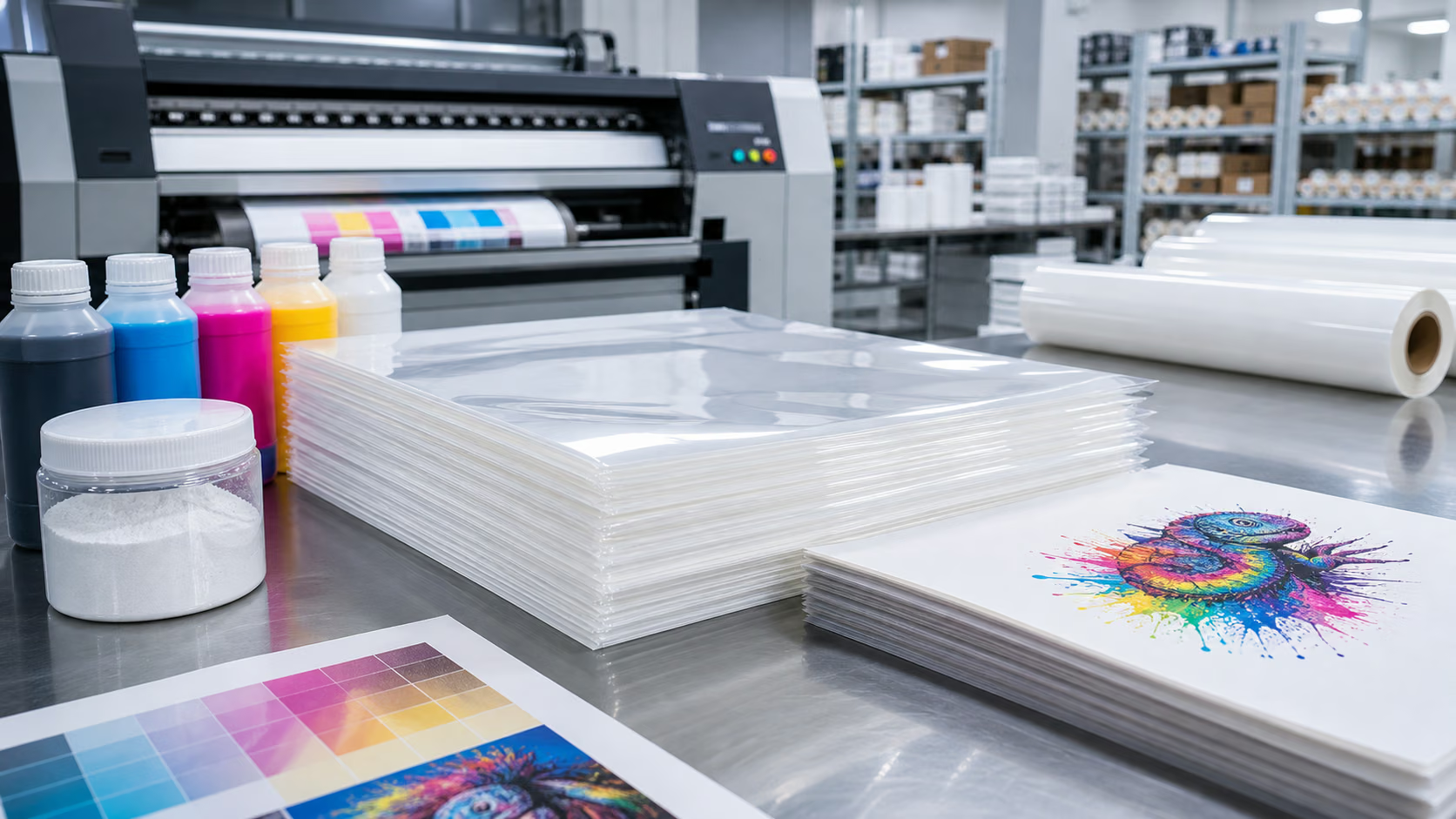
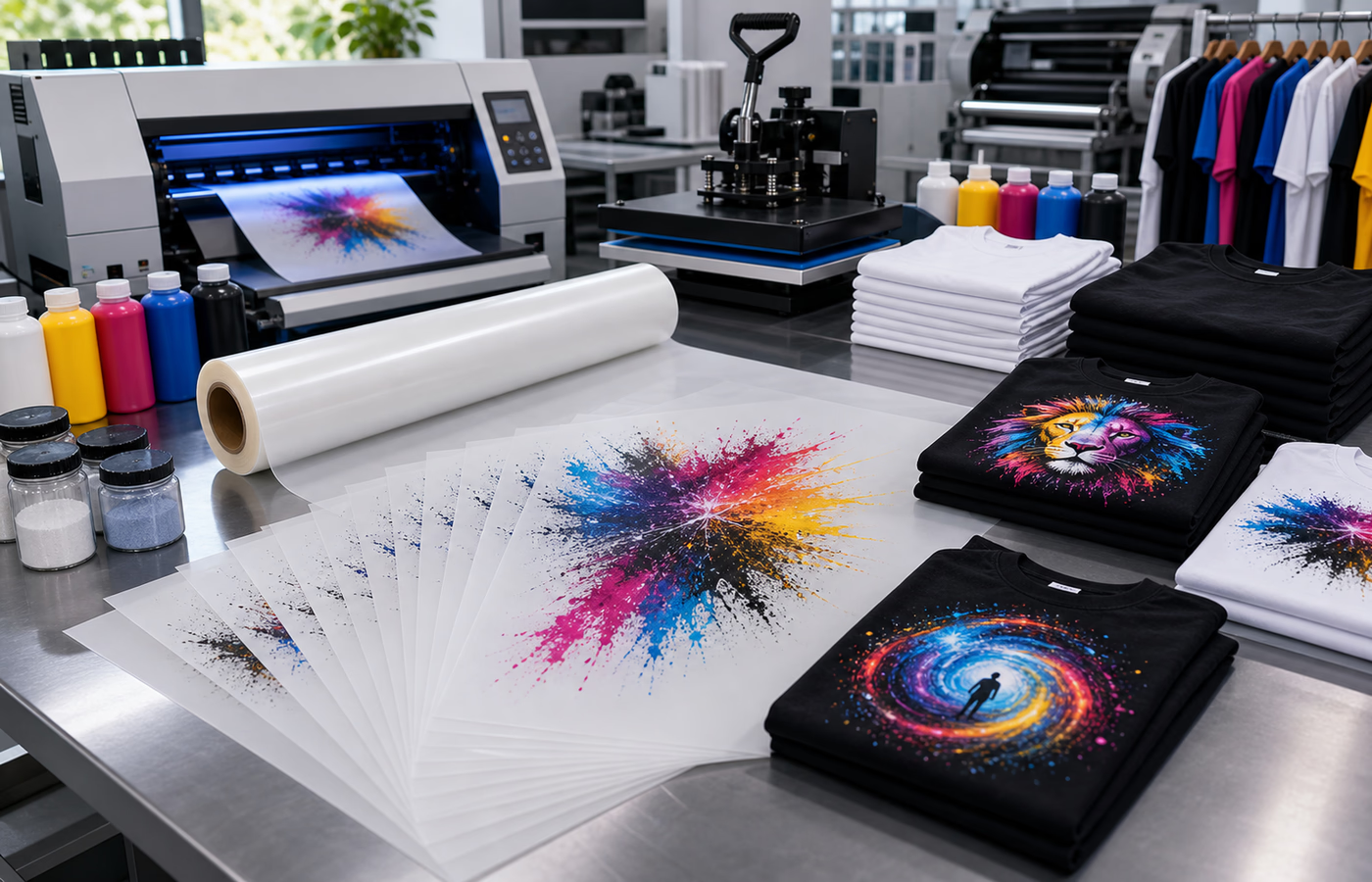
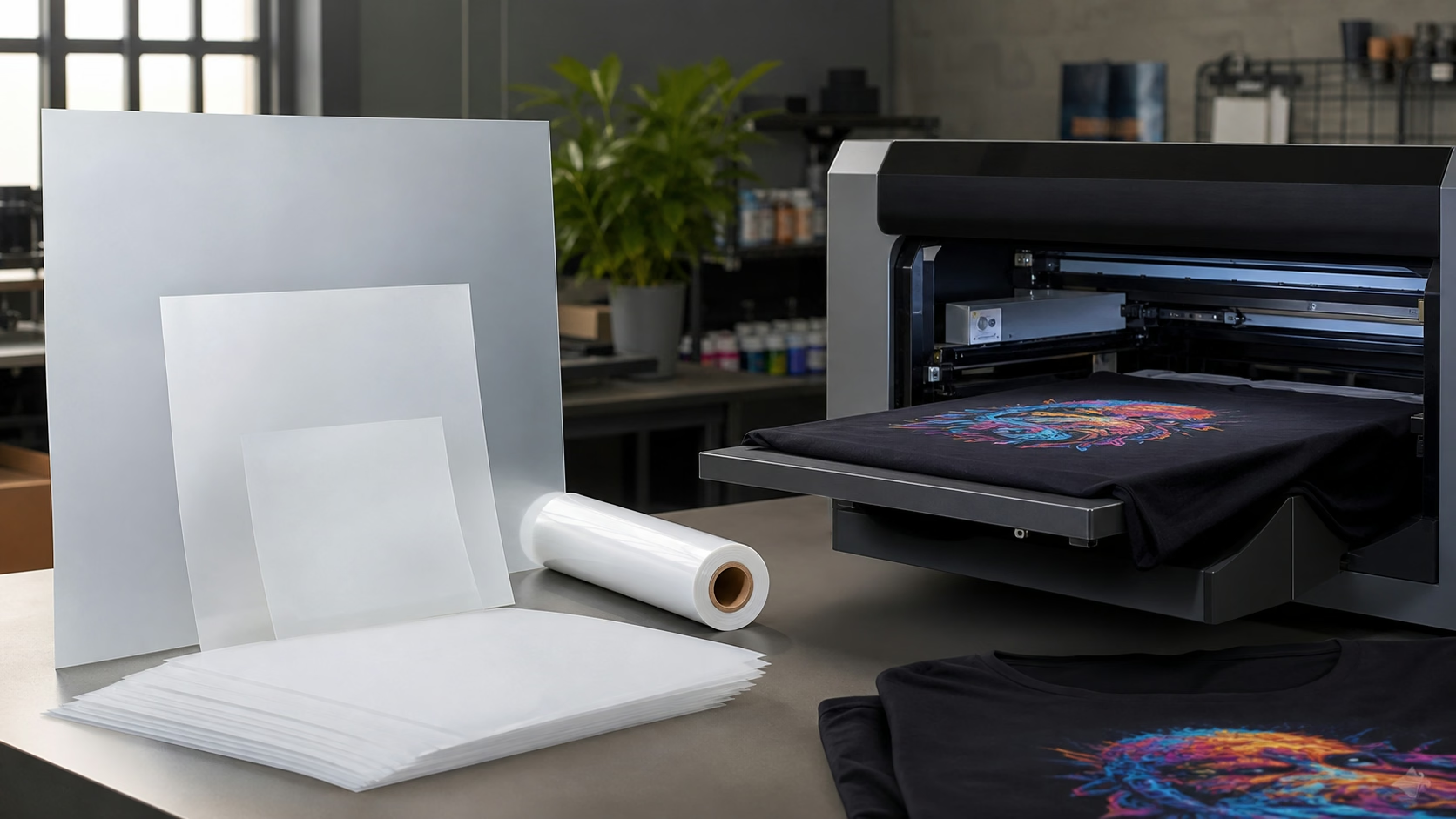
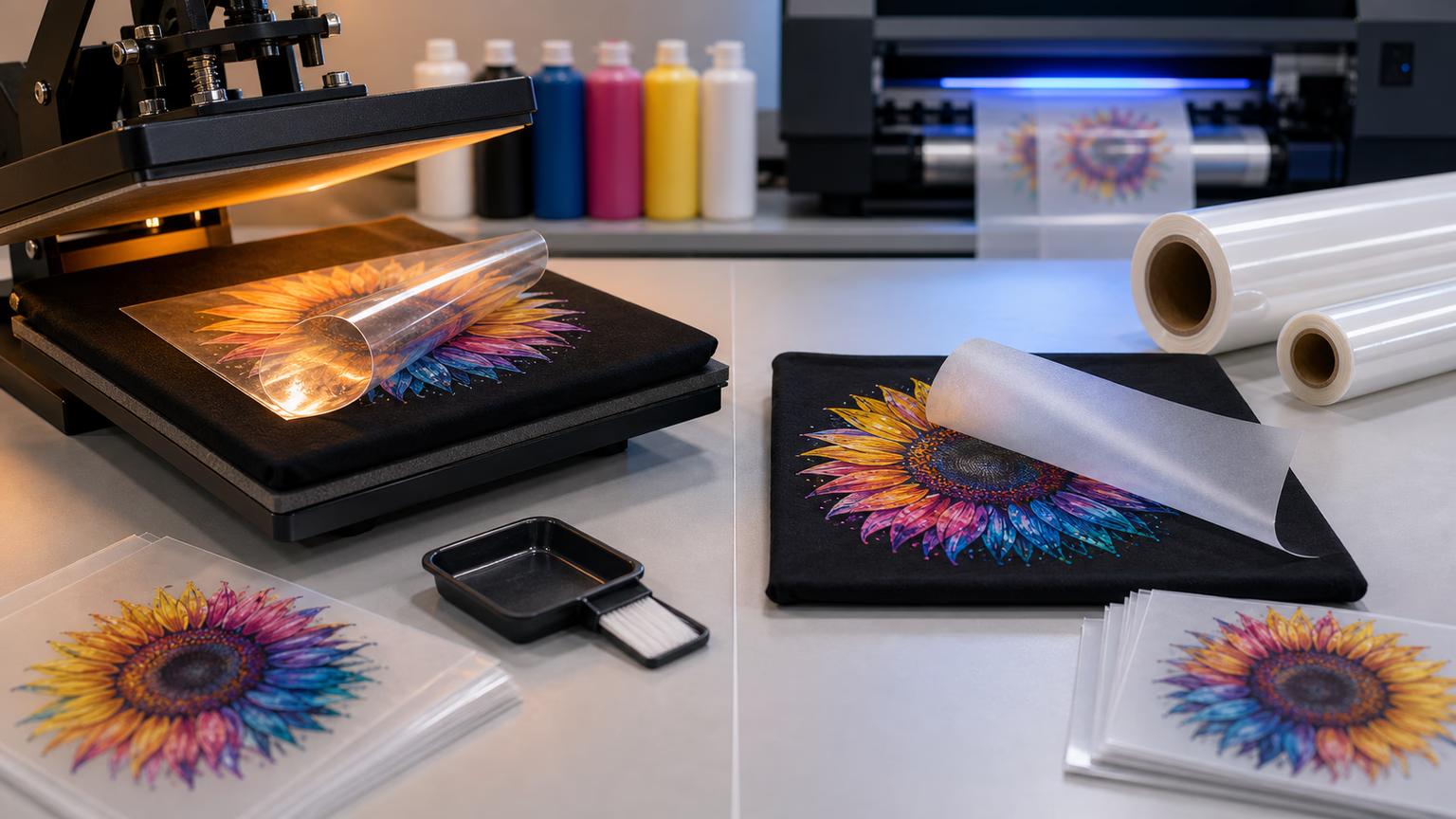
The need for a more efficient and versatile printing solution led to the creation of DTF technology. DTF Transfer Film A3 is a key component of this system, designed to transfer printed designs onto fabric using a heat press. The A3 size of the film made it particularly popular among small to medium-sized printing businesses, offering a cost-effective and practical solution for producing high-quality prints.
The Role of Technological Advancements
The development of DTF Transfer Film A3 was made possible by advancements in printing technology and material science. Initially, DTF printing relied on basic transfer films, but the demand for brighter colors, better adhesion, and faster production times drove the innovation of more sophisticated materials.
DTF Transfer Film A3 was introduced as a result of these advancements, offering several improvements over earlier versions. The film’s A3 size provided a larger printing area, allowing for more design flexibility and batch processing. Additionally, the adhesive layer on the film was optimized to ensure a strong bond between the print and the fabric, resulting in durable, wash-resistant designs.
The Rise of DTF Printing in Asia
The origins of DTF Transfer Film A3 are closely tied to the rapid growth of digital printing in Asia, particularly in countries like China and India. These regions became hubs for technological innovation and manufacturing, with companies investing heavily in research and development to produce high-quality printing materials.
China, in particular, emerged as a global leader in the production of DTF Transfer Film A3 and other related materials. The country’s extensive manufacturing capabilities, combined with a focus on cost-effective solutions, made it an ideal location for producing affordable yet high-quality transfer films. As a result, many DTF Transfer Film A3 manufacturers and suppliers are based in China, catering to both domestic and international markets.
The Global Adoption of DTF Transfer Film A3
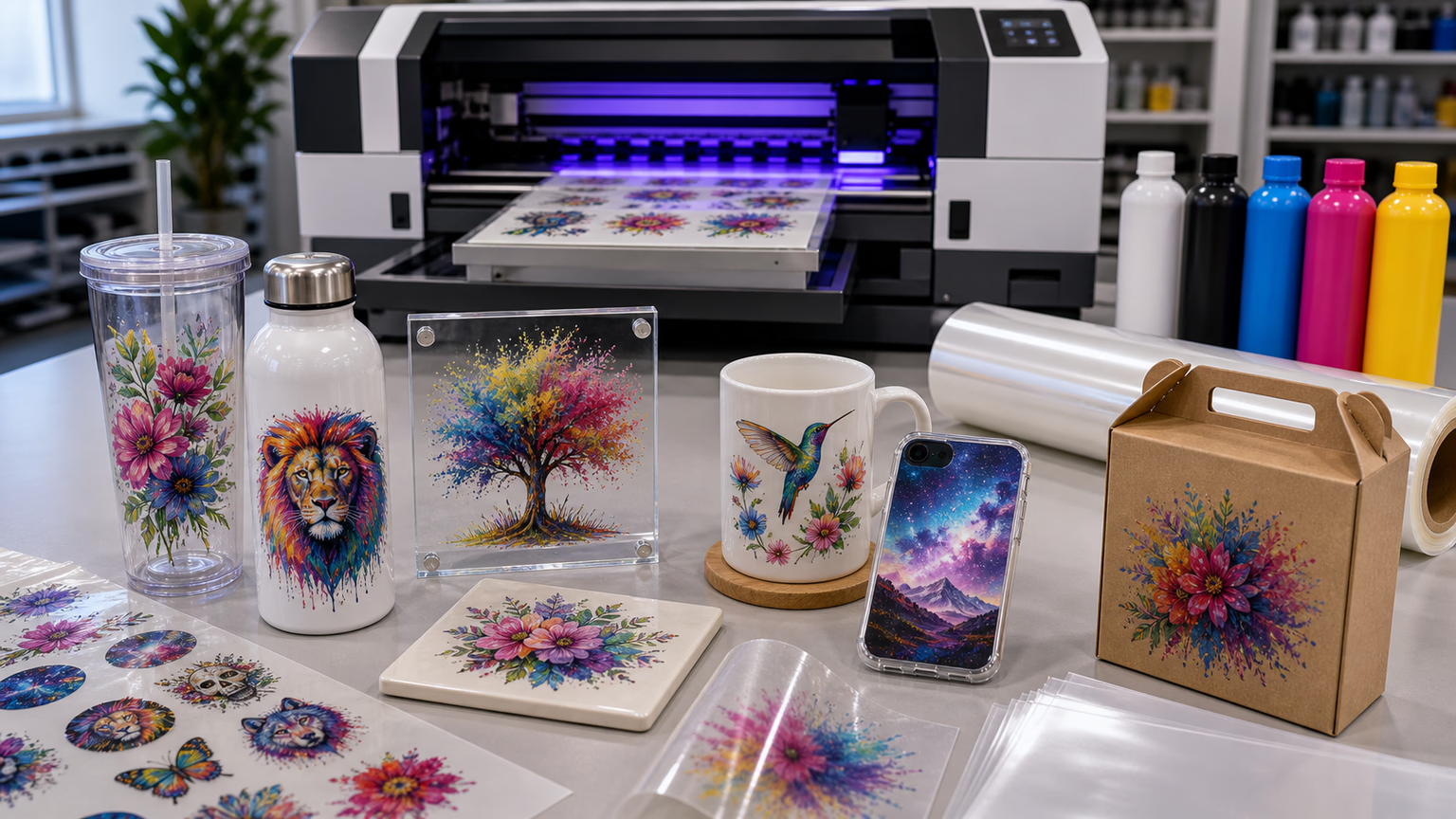
The versatility and efficiency of DTF Transfer Film A3 quickly captured the attention of printers worldwide. Its ability to produce vibrant, durable prints on a wide range of fabrics made it a popular choice for custom apparel, promotional products, and home décor items.
The A3 size of the film also played a significant role in its adoption. Small and medium-sized printing businesses found it to be a practical and cost-effective solution, allowing them to compete with larger companies while maintaining high standards of quality. As a result, DTF Transfer Film A3 became a global phenomenon, with suppliers and manufacturers expanding their reach to meet the growing demand.
The Future of DTF Transfer Film A3
The success of DTF Transfer Film A3 has paved the way for further innovation in the field of digital textile printing. As the demand for high-quality, durable prints continues to grow, manufacturers are developing new and improved versions of transfer films, incorporating features such as enhanced adhesive properties, eco-friendly materials, and larger sizes to meet the needs of diverse applications.
Moreover, the integration of智能化 (smart) manufacturing techniques is expected to further enhance the production of DTF Transfer Film A3, making it even more efficient and cost-effective. This will open up new opportunities for printers and businesses, allowing them to explore creative possibilities and expand their operations.
Conclusion
The origins of DTF Transfer Film A3 can be traced back to the need for a more efficient and versatile printing solution in the textile industry. The innovative use of DTF technology, combined with advancements in material science, has led to the development of a product that has transformed the way designs are transferred onto fabrics. From its roots in Asia to its global adoption, DTF Transfer Film A3 has become an essential tool for printers worldwide, offering a reliable, high-quality solution for a wide range of applications. As the industry continues to evolve, the future of DTF Transfer Film A3 looks brighter than ever, with endless possibilities for innovation and growth.