“Experience the Difference with DTF Gang Sheets – Better than Vinyl!” -MAXDTF- DTF A4 Film Manufacturer, DTF Film PET A4 Supplier, Made in China
In the realm of custom apparel decoration, two popular methods—DTF (Direct to Film) gang sheets and vinyl (particularly heat transfer vinyl, HTV)—stand out for their accessibility and versatility. Whether for small-batch hobby projects or large-scale commercial production, choosing between them often boils down to factors like cost, efficiency, design flexibility, and end-product quality. While vinyl has long been a staple for custom prints, DTF gang sheets have gained traction as a more streamlined alternative. The question remains: Is DTF gang sheets better than vinyl? To answer this, we must delve into the key differences between the two methods, examining their strengths and weaknesses across critical metrics.
Cost Efficiency: Maximizing Value Per Print
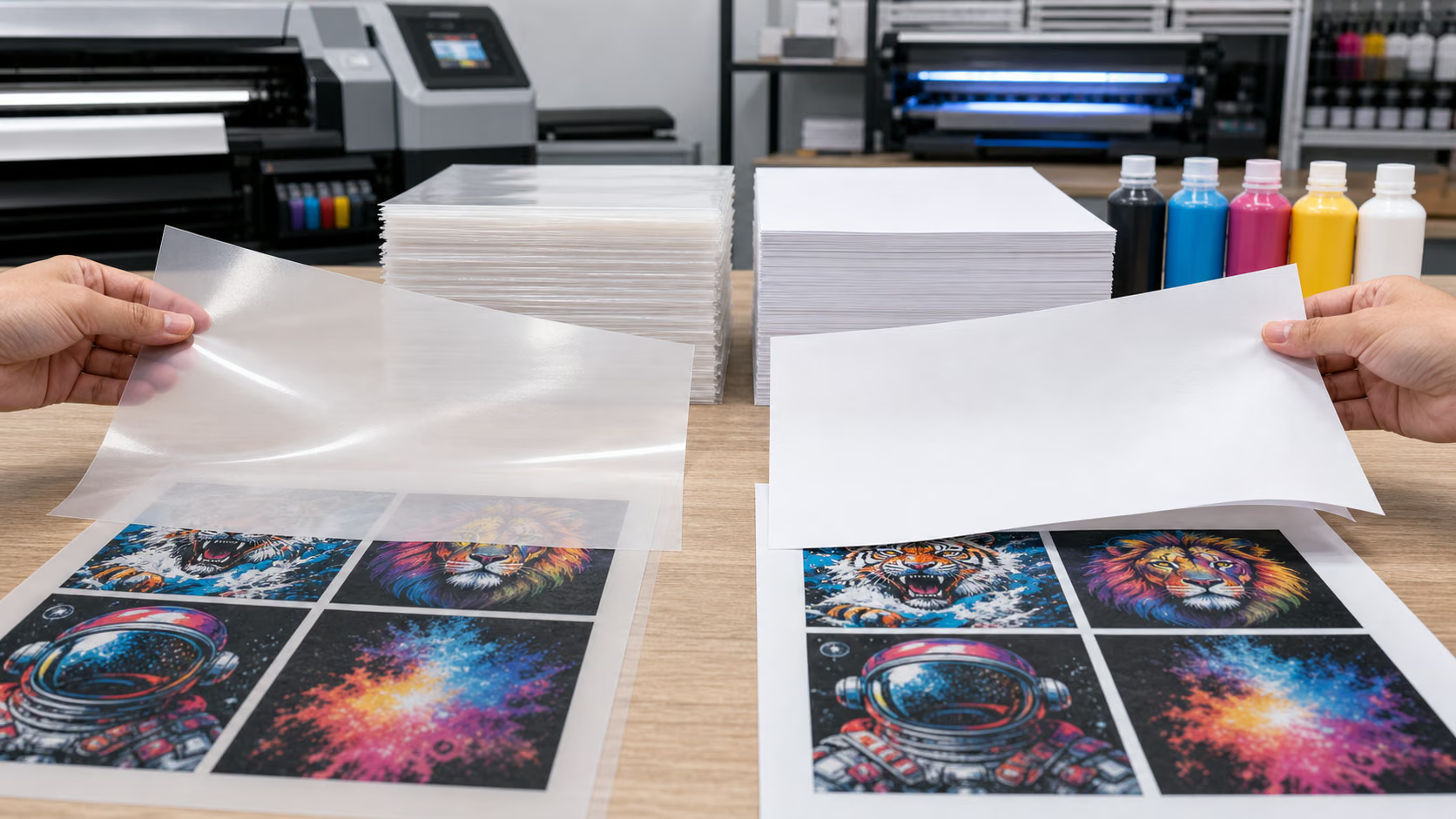
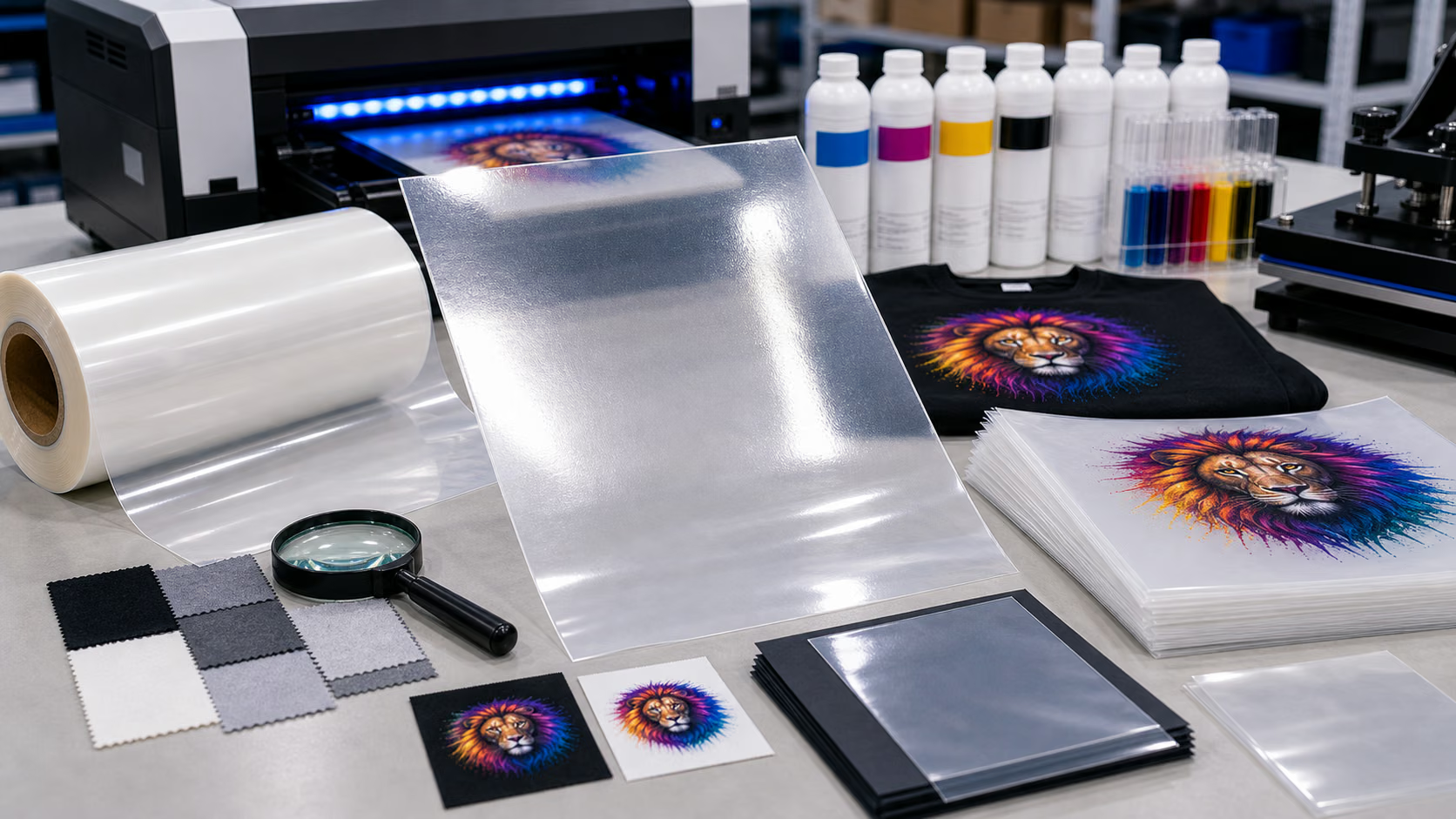
One of the most compelling arguments for DTF gang sheets lies in their cost efficiency, especially for multi-design or high-volume projects. A “gang sheet” refers to printing multiple designs on a single sheet of DTF film, which is then cut and applied to garments. This approach minimizes material waste, as unused space on the film is drastically reduced compared to vinyl, where each design is typically cut from individual sheets or rolls. Vinyl users often struggle with leftover scraps—especially for small or irregularly shaped designs—that are too small to reuse, driving up material costs over time. DTF gang sheets eliminate this issue by allowing designers to nest multiple designs (even of varying sizes and shapes) closely together, maximizing the use of every inch of film.
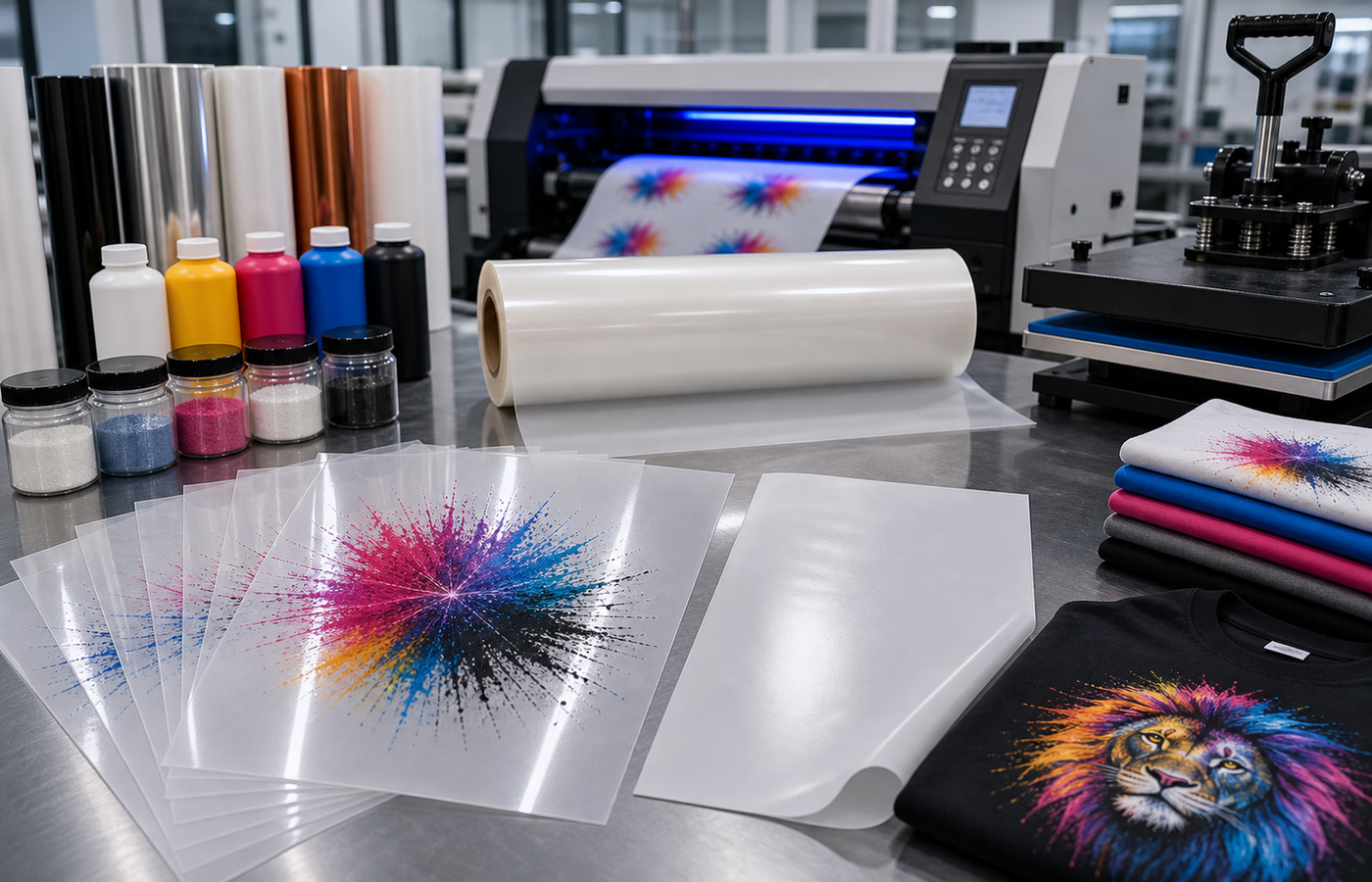
Additionally, DTF inks and film are generally more cost-effective per unit for large runs. Vinyl requires purchasing separate rolls for each color in a design, which can add up quickly for multi-colored projects. In contrast, DTF gang sheets use CMYK inks to create full-color designs in a single print pass, eliminating the need for multiple color-specific materials. For small businesses or hobbyists looking to keep costs low without sacrificing quality, DTF gang sheets offer a clear advantage in terms of material efficiency and overall cost per print.
Design Flexibility: Unlocking Creative Possibilities
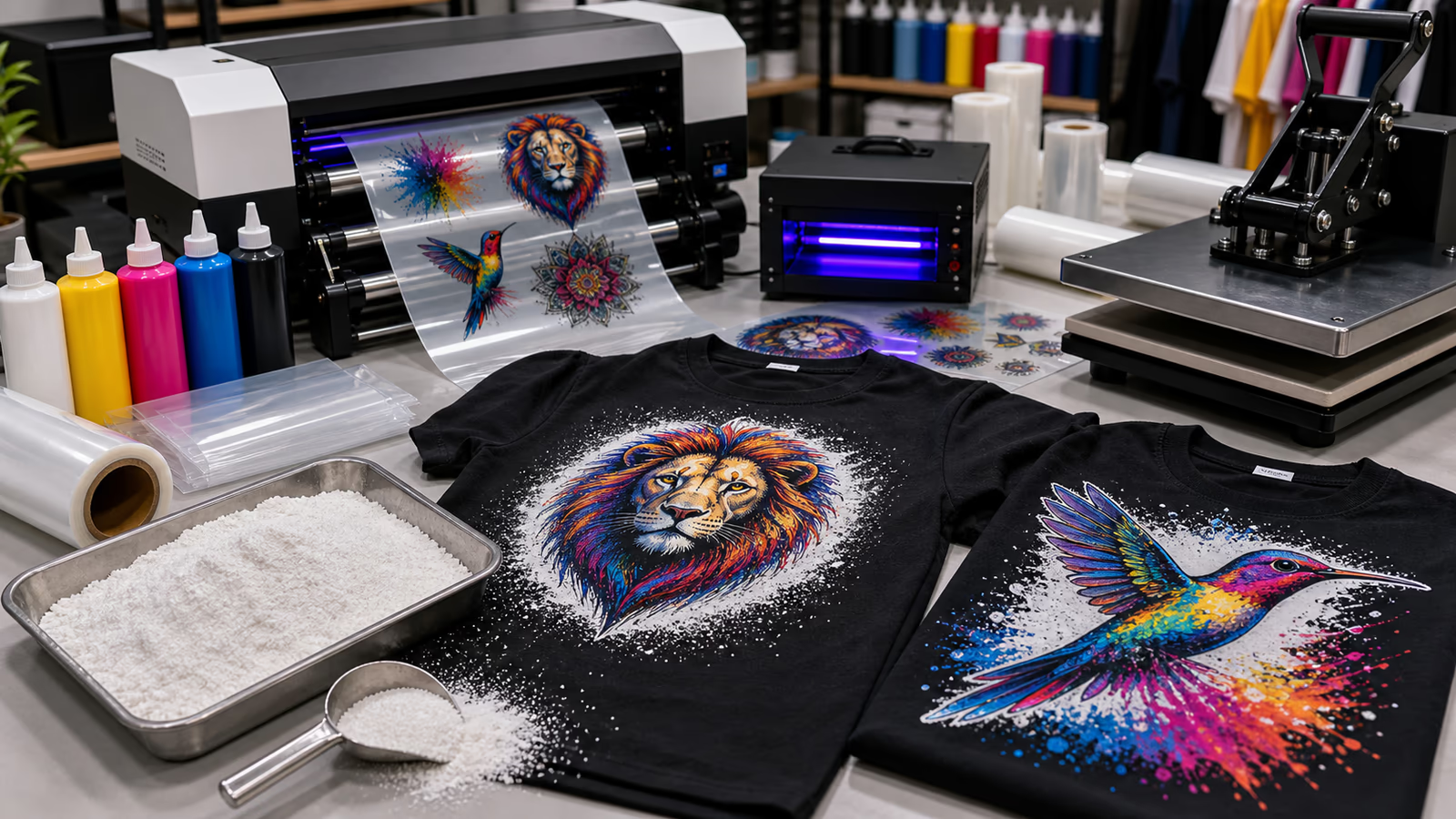
When it comes to design versatility, DTF gang sheets outshine vinyl in several key ways. Vinyl is limited by its nature: it works best for simple, bold designs with solid colors or clean lines. Intricate details, gradients, fine text, or photorealistic images are challenging—if not impossible—with vinyl, as each color layer must be cut and applied separately, increasing the risk of misalignment and reducing clarity. DTF gang sheets, however, excel at complex designs. Since they print directly to film using digital inks, they can reproduce gradients, subtle color transitions, small text, and even full-color photographs with exceptional precision. There’s no need for layering multiple colors; the entire design is printed in one step, ensuring perfect alignment and a seamless finish.
Another advantage of DTF gang sheets is their compatibility with a wider range of fabrics. Vinyl can be stiff and uncomfortable on delicate or stretchy fabrics (like jersey or spandex), as it doesn’t move with the material and may crack or peel over time. DTF prints, in contrast, are thin and flexible, adhering smoothly to both lightweight and heavyweight fabrics without restricting movement. This flexibility opens up more creative possibilities, allowing designers to decorate a broader range of garments—from t-shirts and hoodies to leggings and hats—with consistent results.
Production Efficiency: Saving Time and Effort
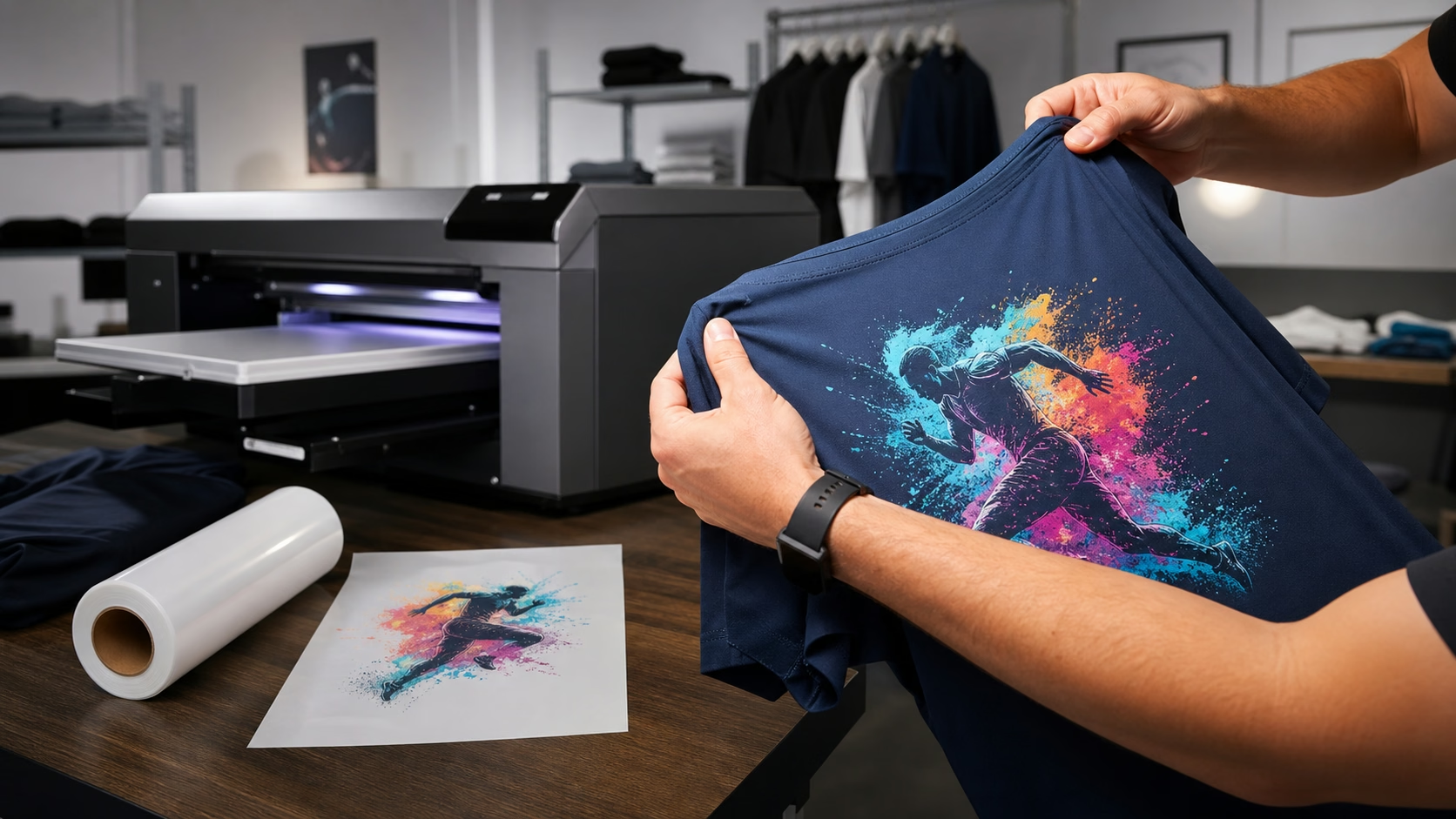
For anyone looking to streamline their production process, DTF gang sheets offer significant time-saving benefits over vinyl. Vinyl application involves multiple labor-intensive steps: designing, cutting each color layer with a vinyl cutter, weeding (removing excess vinyl around the design), and then heat-pressing each layer individually. This process is not only time-consuming but also prone to human error—misaligned layers can ruin an entire garment. DTF gang sheets simplify the workflow dramatically: designs are printed on a single sheet, cut to size (often with a plotter for precision), and heat-pressed in one step. There’s no weeding required (the film’s backing peels away easily, leaving only the design), and the single heat-press step eliminates alignment issues.
This efficiency is particularly impactful for large orders or tight deadlines. A project that might take hours with vinyl can be completed in a fraction of the time with DTF gang sheets, allowing businesses to fulfill more orders faster and reduce labor costs. Even for small batches, the time saved on weeding and layering makes DTF gang sheets a more practical choice for busy creators.
Durability and End-Product Feel
The durability and tactile quality of the finished product are crucial considerations for any apparel decoration method. Vinyl prints are known for their durability—when applied correctly, they can withstand repeated washes without fading or peeling. However, they often have a stiff, plastic-like feel that can be uncomfortable against the skin, especially for full-coverage designs. This rigid texture also tends to crack over time with frequent wear, particularly on stretchy fabrics.
DTF gang sheets offer a more balanced combination of durability and comfort. DTF prints are thin and flexible, feeling almost indistinguishable from the fabric itself after washing. They maintain their vibrancy through dozens of washes and resist cracking or peeling, even on stretchy materials. The matte or semi-matte finish of DTF prints also has a more natural, premium feel compared to the shiny, plastic-like appearance of many vinyls. For consumers who value both durability and comfort, DTF gang sheets produce a superior end product.
Limitations: When Might Vinyl Still Be Preferable?
While DTF gang sheets offer numerous advantages, vinyl is not obsolete. There are specific scenarios where vinyl might still be the better choice. For example, single-color, very small runs (such as a single custom t-shirt for a gift) may be faster and more cost-effective with vinyl, as DTF requires setting up the printer and film, which can have a higher initial time investment. Vinyl also has a slight edge in terms of immediate visibility—its bold, opaque colors stand out sharply on dark fabrics, which can be useful for designs that require maximum contrast.
Additionally, some hobbyists prefer vinyl for its simplicity and hands-on process. Cutting and weeding vinyl can be a therapeutic, creative activity, and the learning curve for basic vinyl application is relatively gentle compared to DTF, which requires understanding printer settings, ink mixing, and film handling. For those who enjoy the craft of vinyl work and prioritize simplicity for small projects, vinyl remains a viable option.
Conclusion: DTF Gang Sheets as a Superior Choice for Most Applications
When evaluating whether DTF gang sheets are better than vinyl, the answer depends on the user’s priorities—but for most commercial and high-volume hobby applications, DTF gang sheets emerge as the superior option. Their cost efficiency, design flexibility, production speed, and superior end-product feel make them a more versatile and practical choice for creators looking to produce high-quality, custom apparel. Vinyl still has its place for simple, single-color, small-batch projects, but DTF gang sheets offer a more streamlined, creative, and cost-effective solution for the majority of custom decoration needs. As the demand for complex, full-color designs continues to grow, DTF gang sheets are likely to solidify their position as the go-to method for modern apparel decoration.