“Reuse, Reduce, Recycle with Is DTF Paper A3!” -MAXDTF- Direct Film Transfer Supplier, DTF Digital Transfer Foil Factory, Made in China
Understanding DTF Paper A3: Core Properties and Functional Purpose
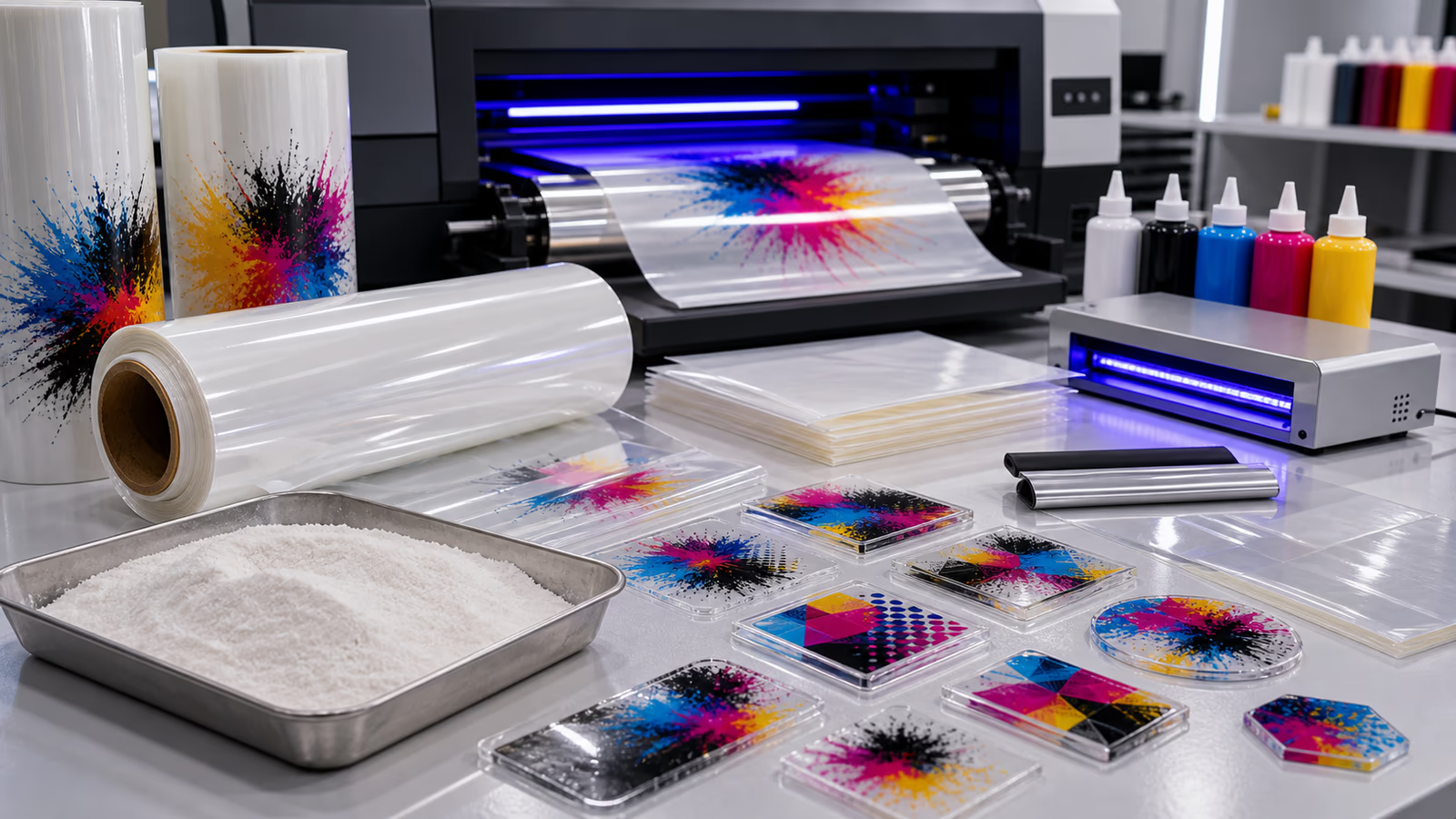
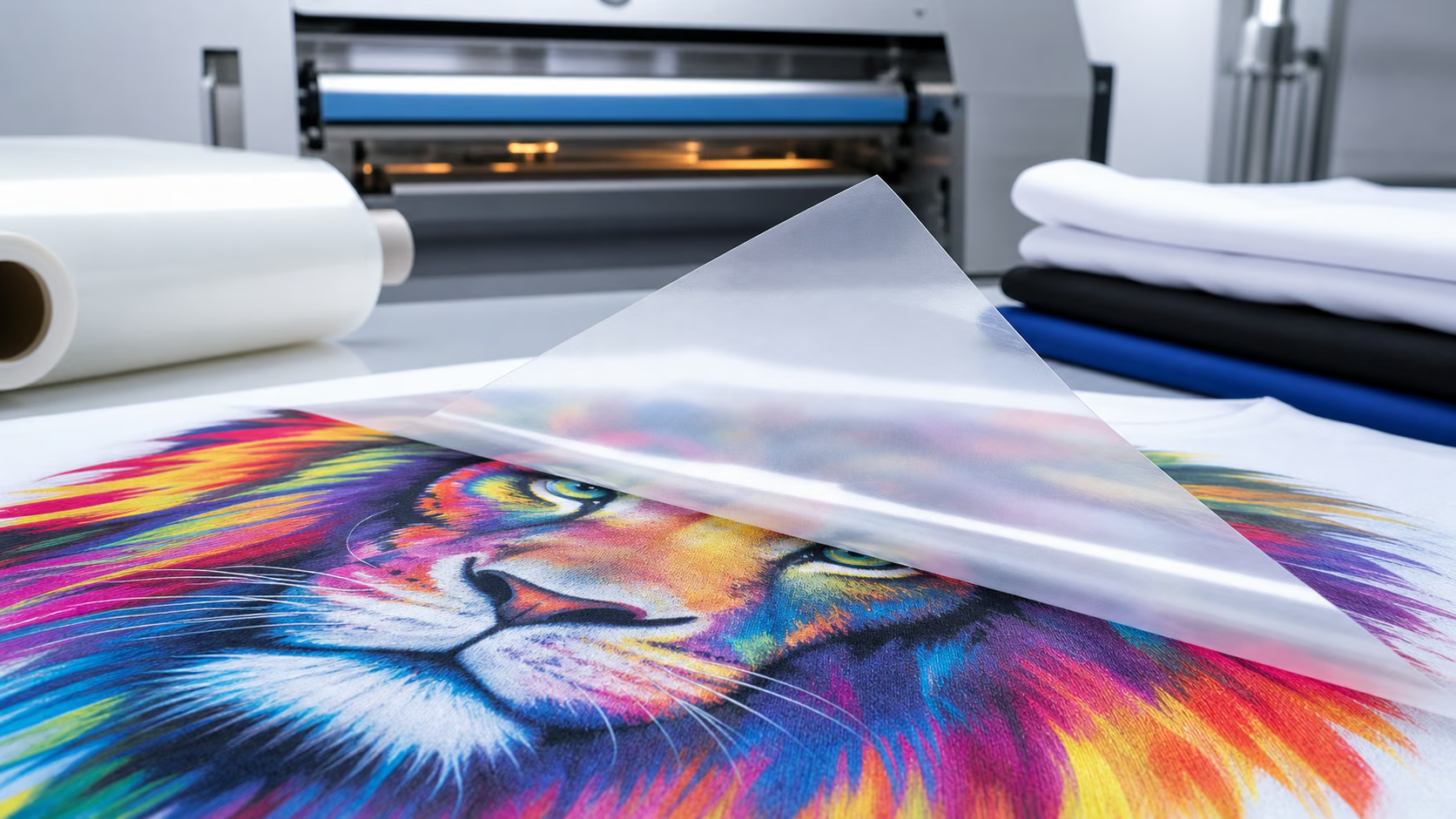
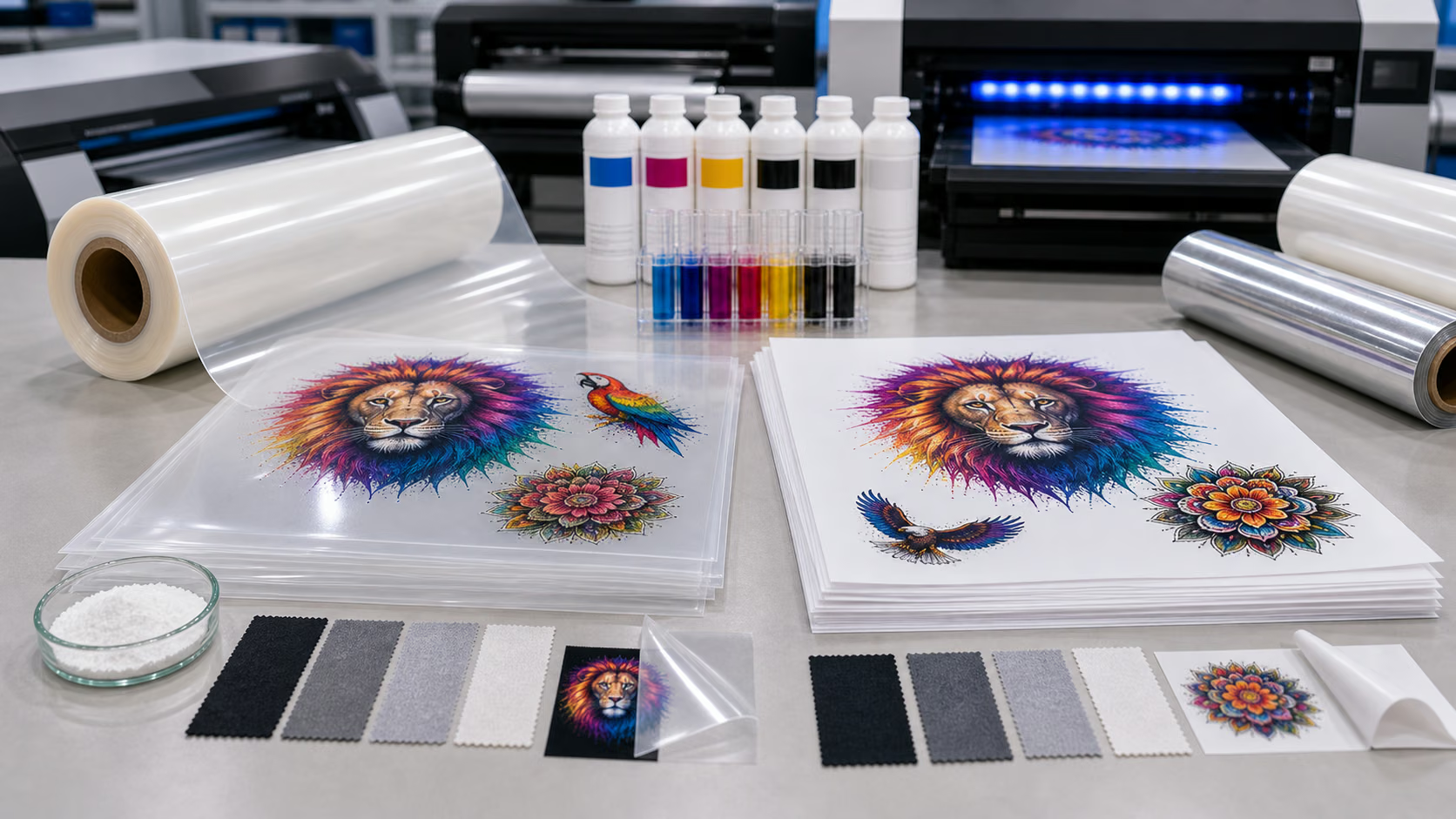
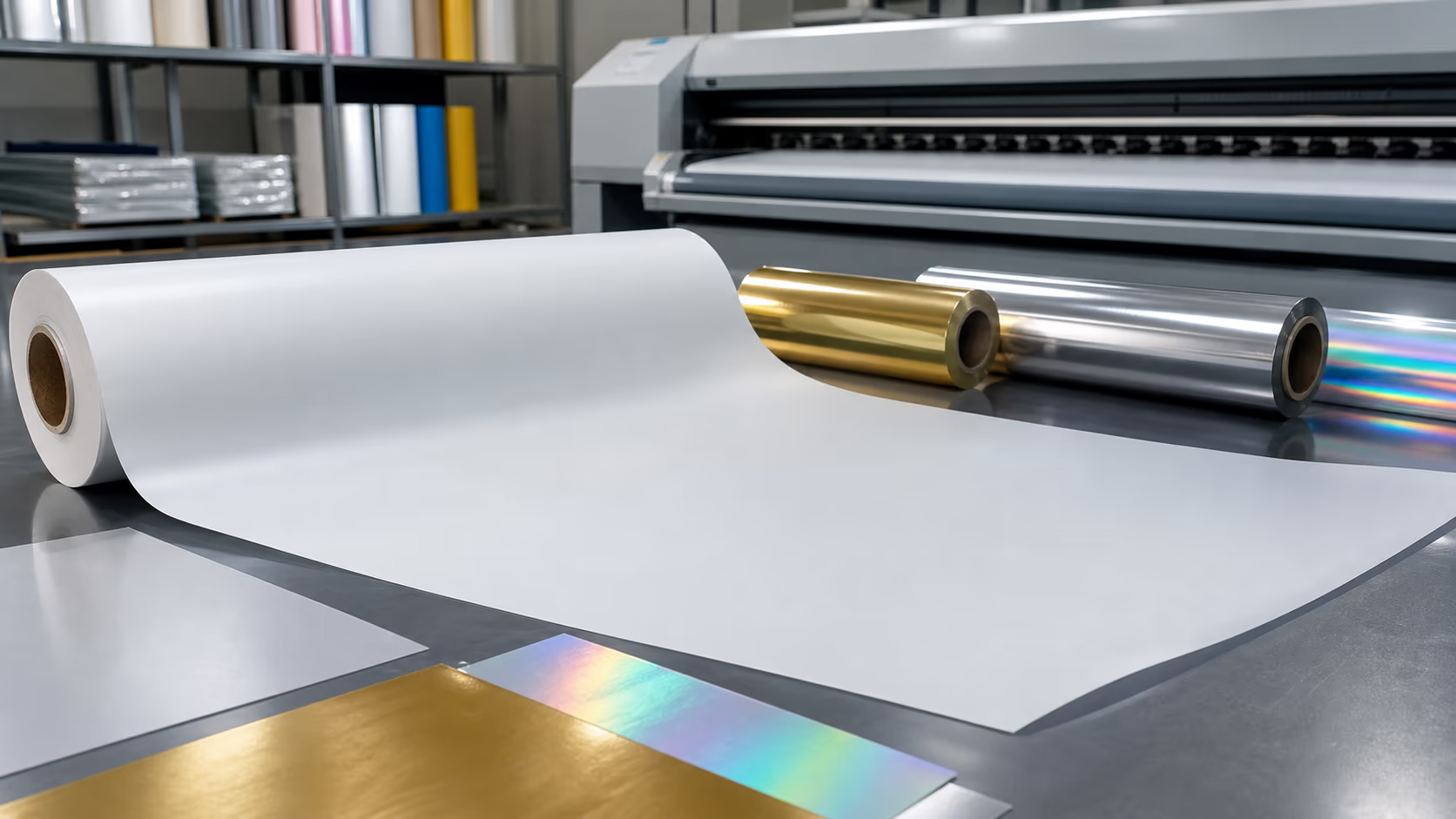
Direct-to-Film (DTF) printing has revolutionized customization, and A3 DTF Paper stands as a staple for medium-scale projects—from apparel designs to promotional merchandise. Unlike traditional transfer papers, DTF paper serves as a temporary carrier: it holds ink and a special adhesive layer during printing, then transfers the entire design onto substrates (fabric, metal, glass) under heat and pressure. To answer “Is it reusable?”, we must first unpack its structural and functional traits. DTF paper is engineered for single-use efficiency: its surface coating is optimized to bond with ink temporarily, ensuring clean transfer without residue. Once the transfer process is complete, the paper’s physical and chemical properties undergo irreversible changes, setting the stage for its primary limitation as a reusable material.
Why Reusability Is Rare: Technical and Practical Barriers
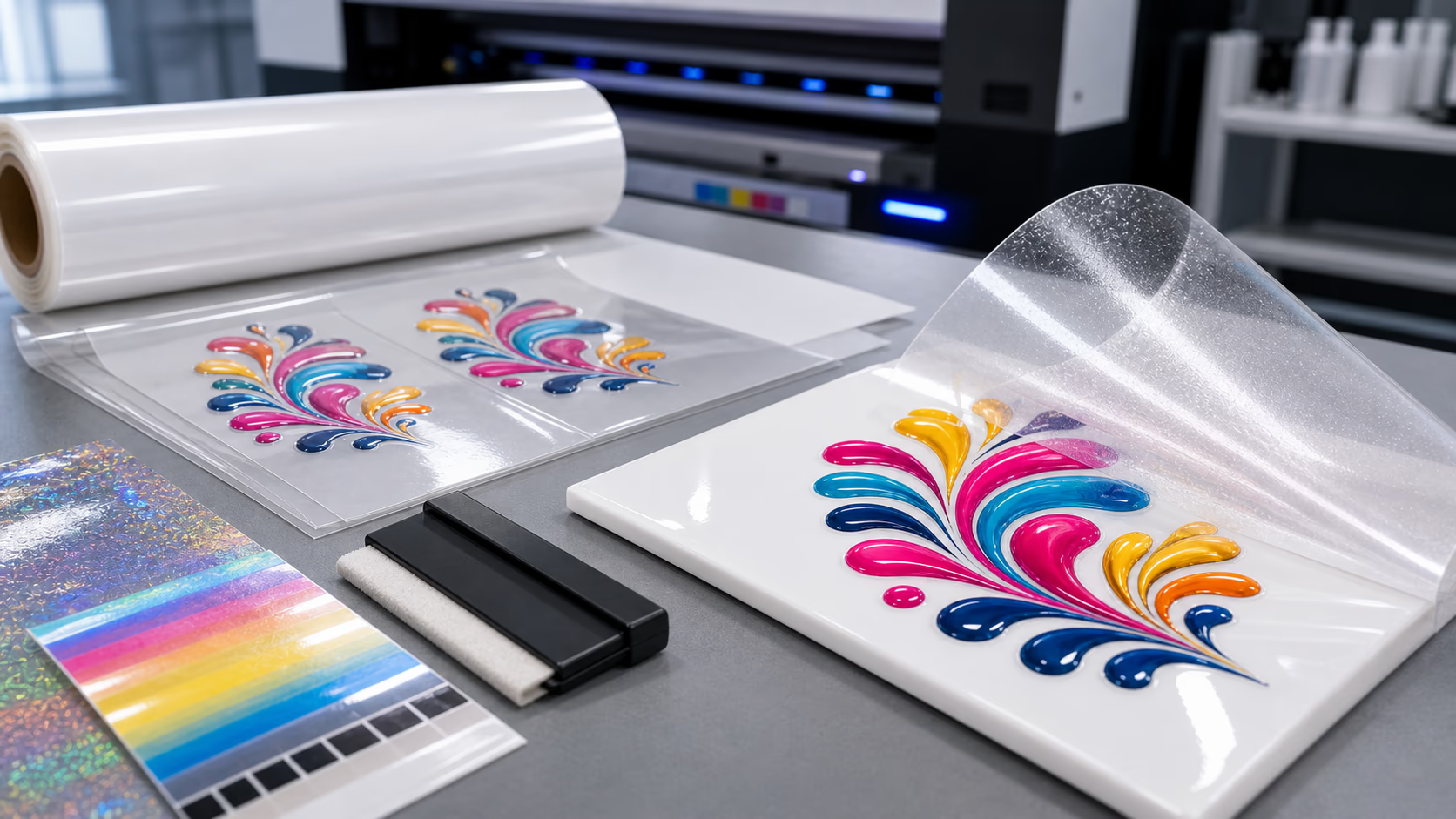
The first barrier to reusing A3 DTF Paper lies in the transfer process itself. During heat pressing, the paper’s adhesive layer partially melts to facilitate ink transfer, leaving the paper’s surface porous and uneven. Reapplying ink to this damaged surface results in blurry prints, uneven ink absorption, and poor adhesion—critical flaws for professional customization. Additionally, DTF ink is designed to bond with the paper’s coating only once; reused paper fails to retain ink consistency, leading to faded colors or smudged designs. Practical challenges further diminish reusability: after transfer, many papers tear or warp under heat, making them structurally unsuitable for a second run. For businesses prioritizing quality, the risk of defective prints far outweighs the cost savings of reusing paper.
Edge Cases: When “Reuse” Might Seem Feasible (But Isn’t Recommended)
In rare scenarios, some hobbyists might attempt to reuse A3 DTF Paper—for example, if a print fails mid-process or the paper remains undamaged after a partial transfer. However, even these cases come with caveats. A failed print often leaves residual ink or adhesive on the paper, which can contaminate new ink and ruin subsequent designs. Partial transfers may weaken the paper’s structural integrity, leading to tearing during the second heat press. Moreover, DTF printers are calibrated for new paper’s surface tension; reused paper disrupts this calibration, causing misalignments or ink bleeding. For commercial operations, such inconsistencies can damage brand reputation, as customers expect crisp, professional results. Even for non-commercial use, the time spent troubleshooting reused paper often isn’t worth the minimal cost savings.
Sustainable Alternatives: Balancing Cost and Environmental Responsibility
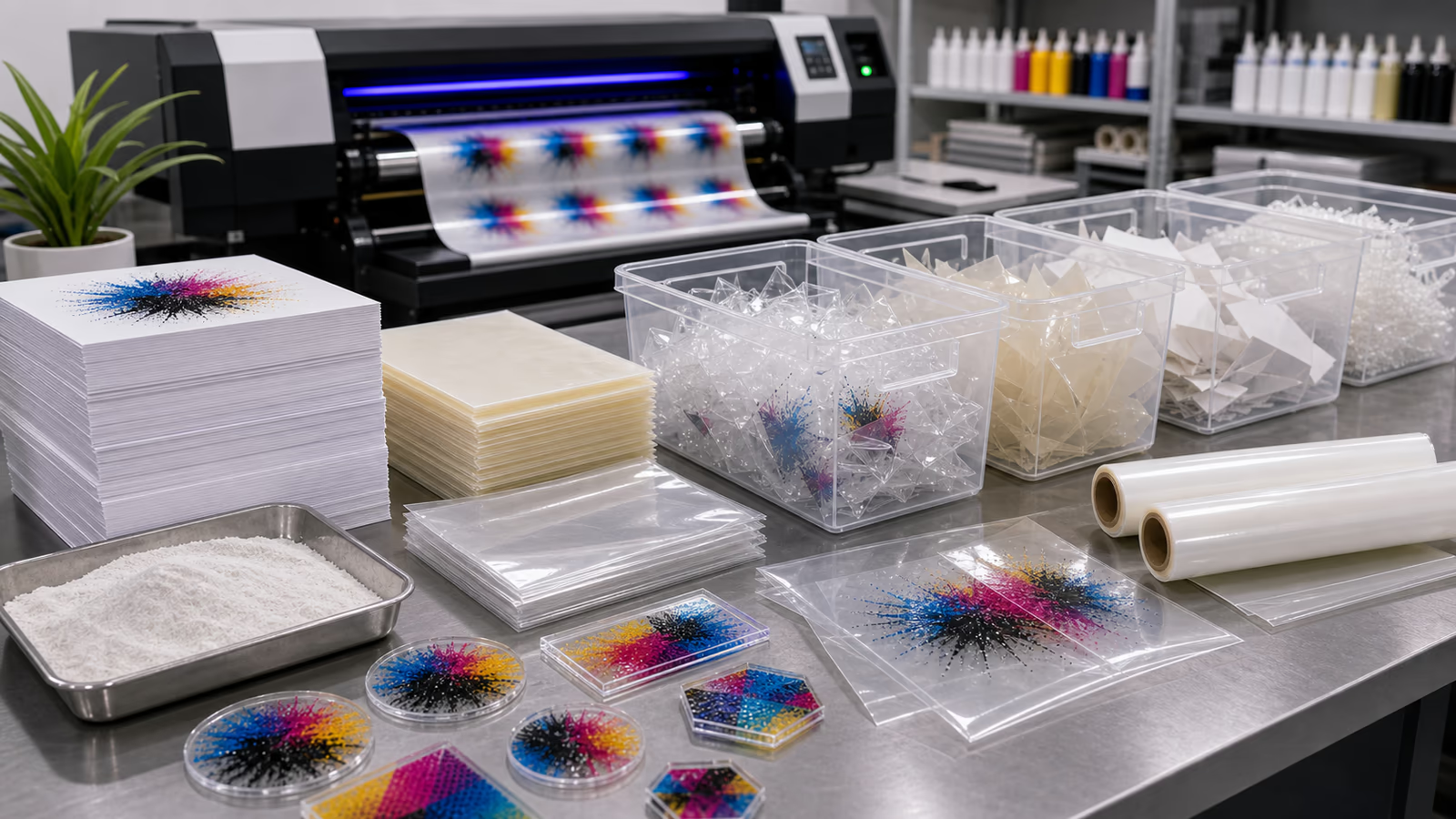
While A3 DTF Paper isn’t reusable, businesses and hobbyists can adopt sustainable practices to reduce waste and costs. One option is choosing high-quality DTF paper that minimizes ink waste and ensures consistent transfers—reducing the need for reprints in the first place. Many manufacturers now offer eco-friendly DTF paper made from recycled materials, which lowers the environmental impact of single-use products. Another strategy is optimizing print layouts: using A3’s full surface area to fit multiple small designs (e.g., logos, patches) reduces paper consumption per project. For large-scale operations, partnering with suppliers that offer recycling programs for used DTF paper can further enhance sustainability. These approaches address the core concern behind reuse—cost and waste reduction—without compromising print quality.
Conclusion: Prioritize Quality Over Questionable Reusability
To return to the original question: “Is A3 DTF Paper reusable?” The short answer is no—its design, technical properties, and practical application make reuse impractical and risky. While the allure of cost savings is understandable, the potential for defective prints, wasted ink, and damaged equipment far outweighs any benefits. Instead of focusing on reuse, the smart approach is to embrace sustainable, quality-focused practices: invest in high-grade paper, optimize print efficiency, and explore eco-friendly alternatives. By doing so, users of A3 DTF paper can achieve professional results while minimizing their environmental footprint—proving that sustainability and quality can go hand in hand in the world of DTF printing.