“Easily Transfer Your Data with DTF Transfer Sheet!” -MAXDTF- DTF Film Glossy Supplier, Direct to film heat transfer Factory, Made in china
Direct-to-Film (DTF) printing has revolutionized the printing industry by offering a versatile, cost-effective, and high-quality alternative to traditional printing methods. One of the key components of DTF printing is the DTF transfer sheet. In this guide, we will walk you through the process of using DTF transfer sheets, from preparation to application, to ensure you get the best results.
What is a DTF Transfer Sheet?
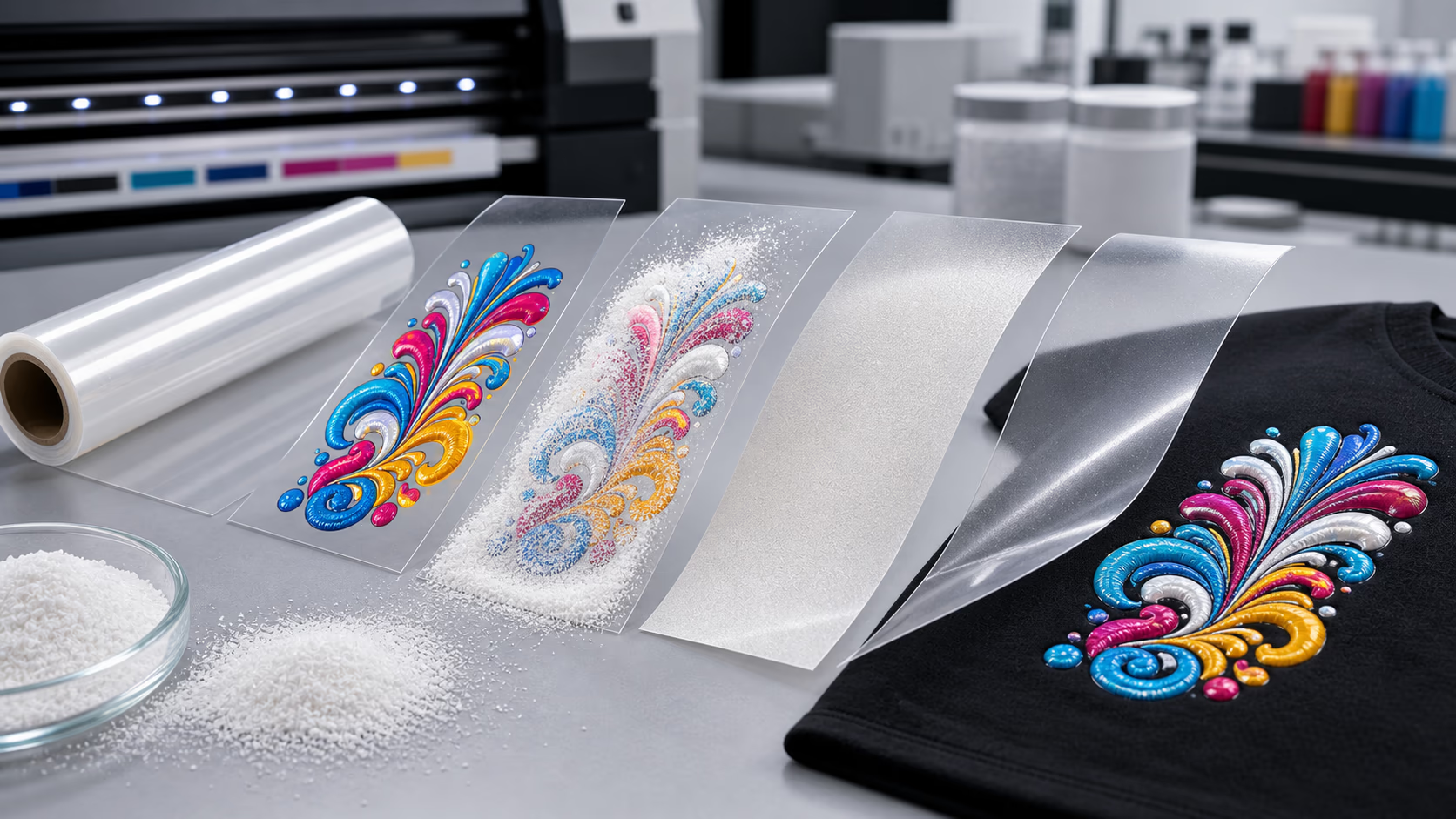
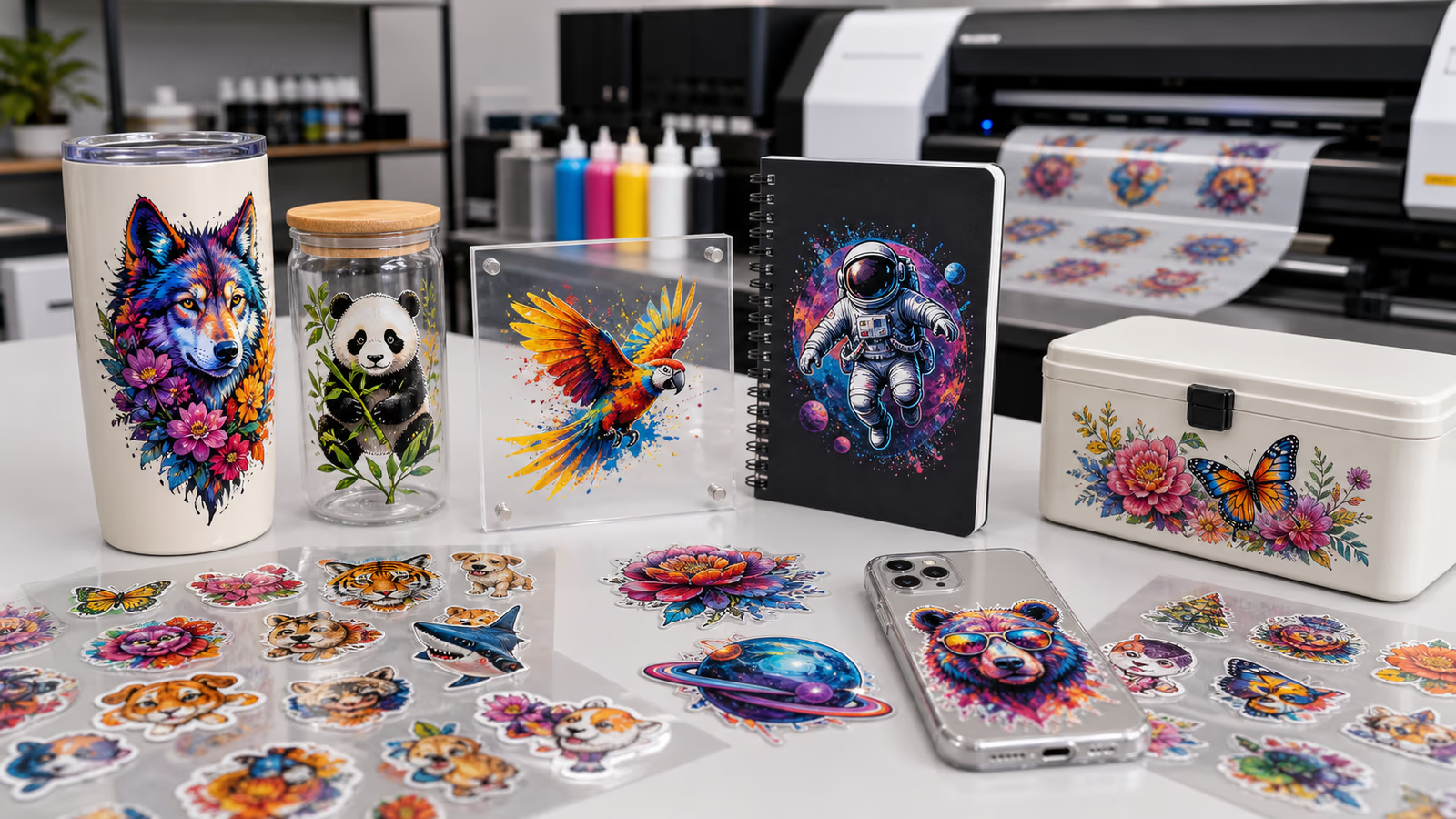
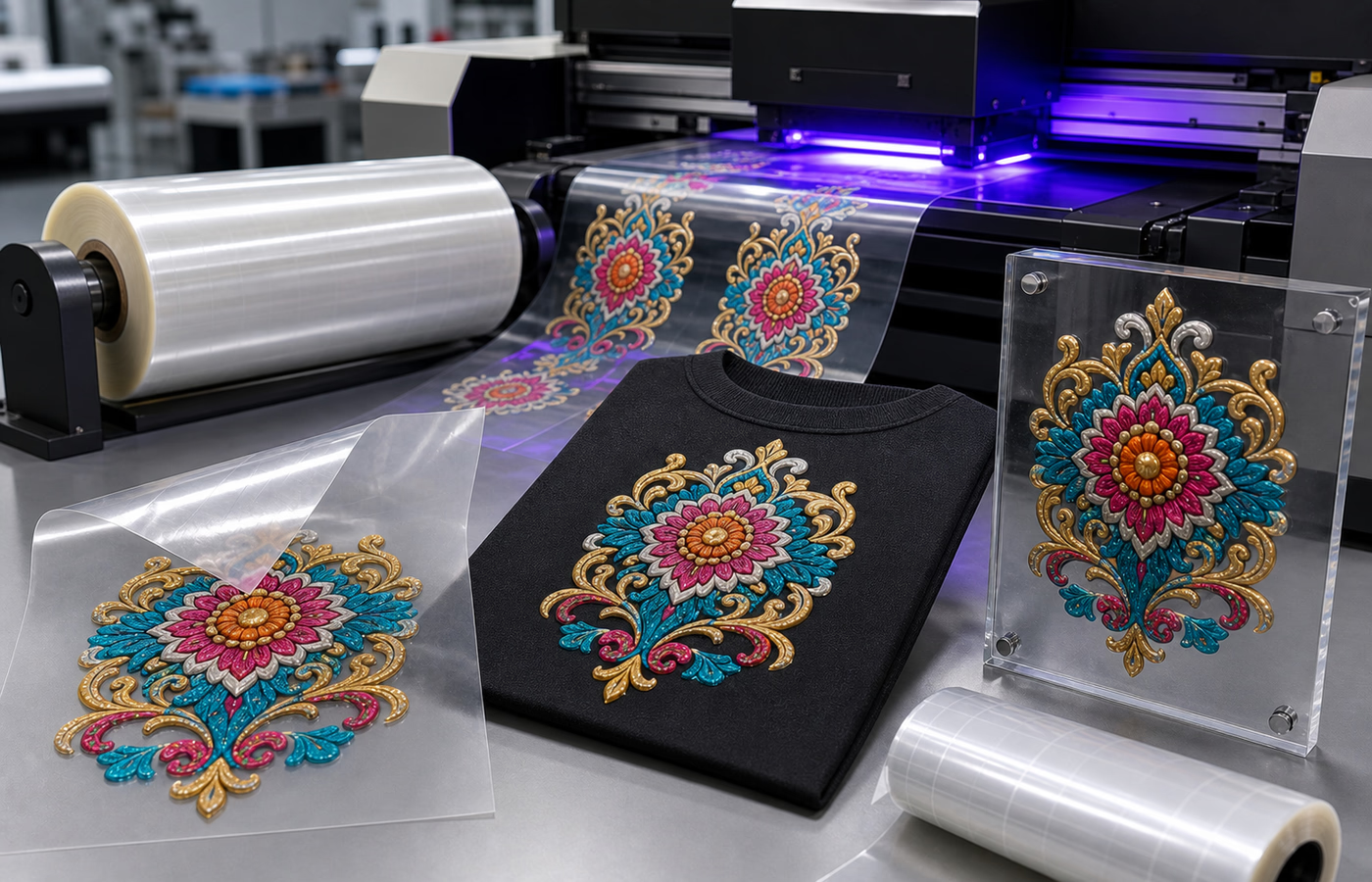
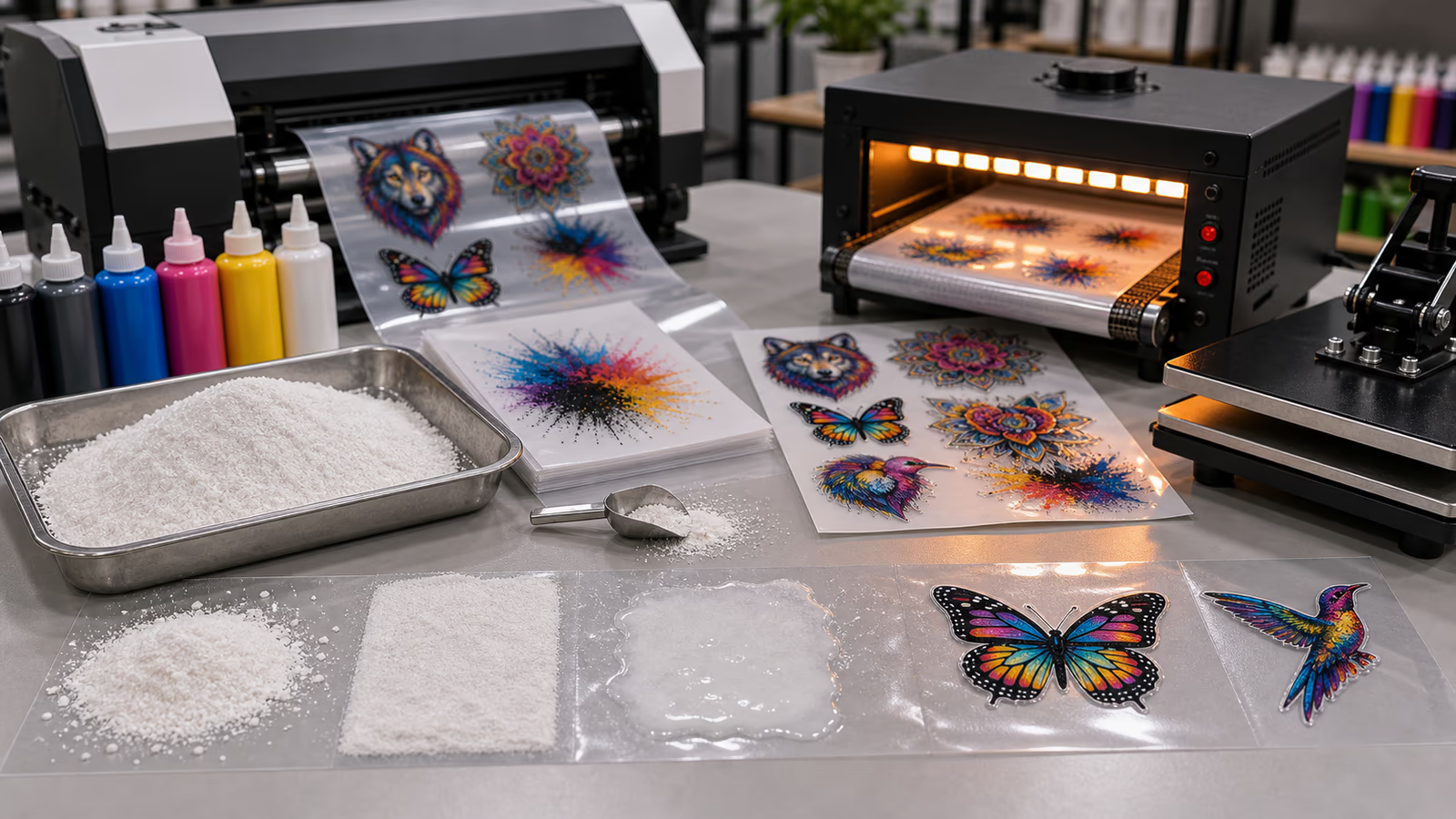
A DTF transfer sheet is a specially designed film that holds ink in a powder form. When printed, the ink is transferred onto the sheet, and then heat is applied to melt the ink, allowing it to adhere to various fabrics and materials. DTF transfer sheets are a crucial component in the DTF printing process, as they enable the transfer of high-quality images and designs onto a wide range of substrates.
Step-by-Step Guide to Using DTF Transfer Sheets
1. Prepare Your DTF Printer
Before you begin, ensure that your DTF printer is properly calibrated and ready for use. This includes checking the ink levels, aligning the print heads, and ensuring the printer is clean and free of any debris.
2. Design and Layout
Create or choose the design you want to print. Use graphic design software such as Adobe Photoshop, Illustrator, or CorelDRAW to prepare your artwork. Ensure that the resolution is high enough to maintain clarity and detail in your final print. Once your design is ready, save it in a format compatible with your DTF printer, such as PNG or JPEG.
3. Load the DTF Transfer Sheet
Place the DTF transfer sheet into the printer according to the manufacturer’s instructions. Ensure that the sheet is properly aligned and that there is no air bubble or wrinkle in the film.
4. Print the Design
Send the design to the printer and begin the printing process. The printer will apply the ink onto the transfer sheet in a powder form. Monitor the printing process to ensure that the design is being printed correctly and that there are no errors.
5. Dry the Transfer Sheet
After printing, the transfer sheet must be dried to remove any moisture from the ink. Use a heat press or a dedicated drying machine to heat the sheet to the recommended temperature and duration specified by the manufacturer. This step is crucial to ensure that the ink adheres properly during the transfer process.
6. Apply the Powder Adhesive
After drying, apply a layer of powder adhesive over the printed design. This powder will help the ink adhere to the fabric or material when heat is applied. Use a fine sieve or a powder applicator to evenly distribute the powder over the entire design.
7. Transfer the Design
Place the dried and powdered transfer sheet onto the fabric or material you wish to print on. Ensure that the design is properly aligned. Use a heat press to apply heat and pressure to the transfer sheet, following the manufacturer’s guidelines for temperature, pressure, and time. The heat will melt the powder adhesive, allowing the ink to bond with the fabric.
8. Peel Off the Transfer Sheet
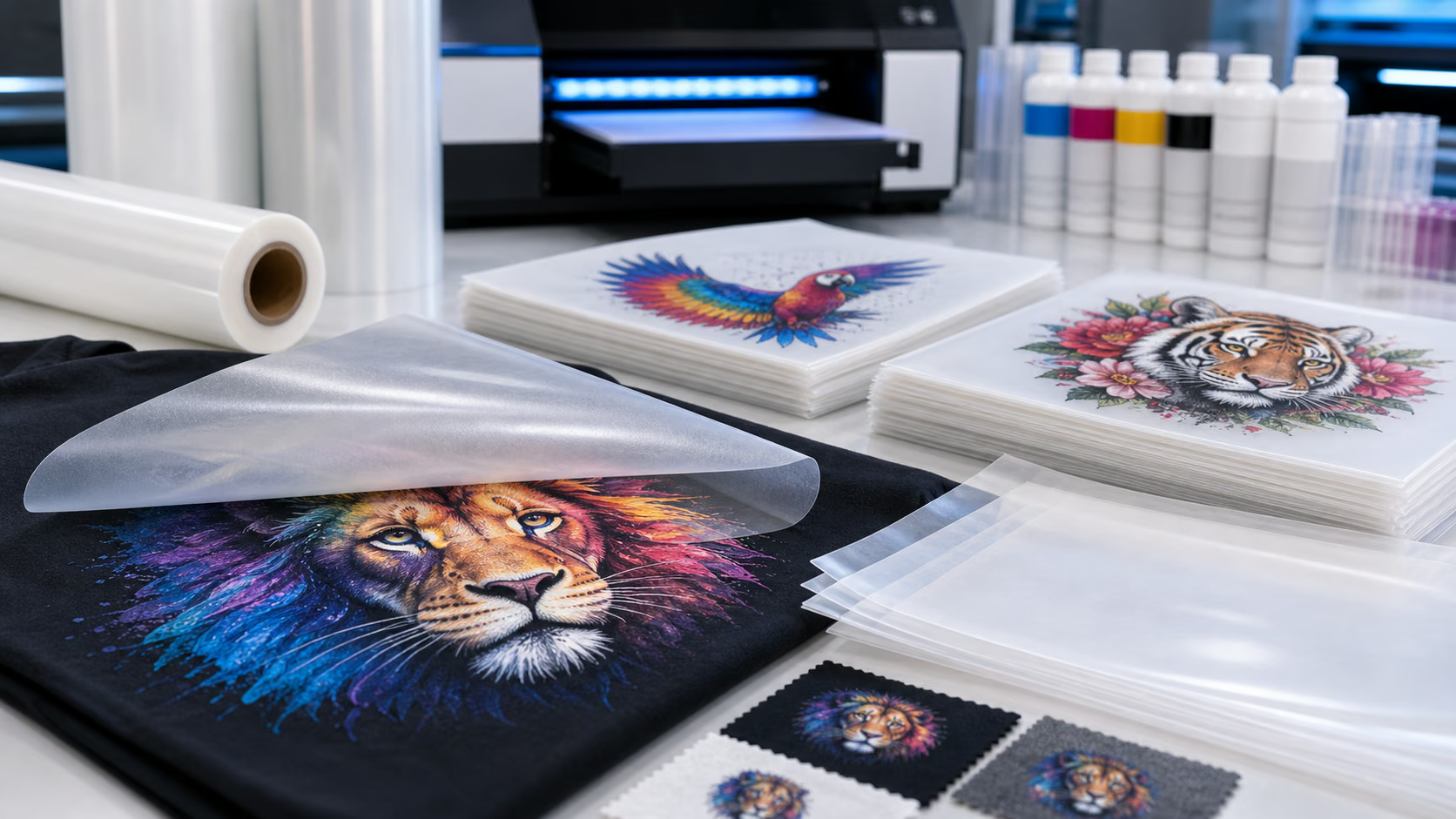
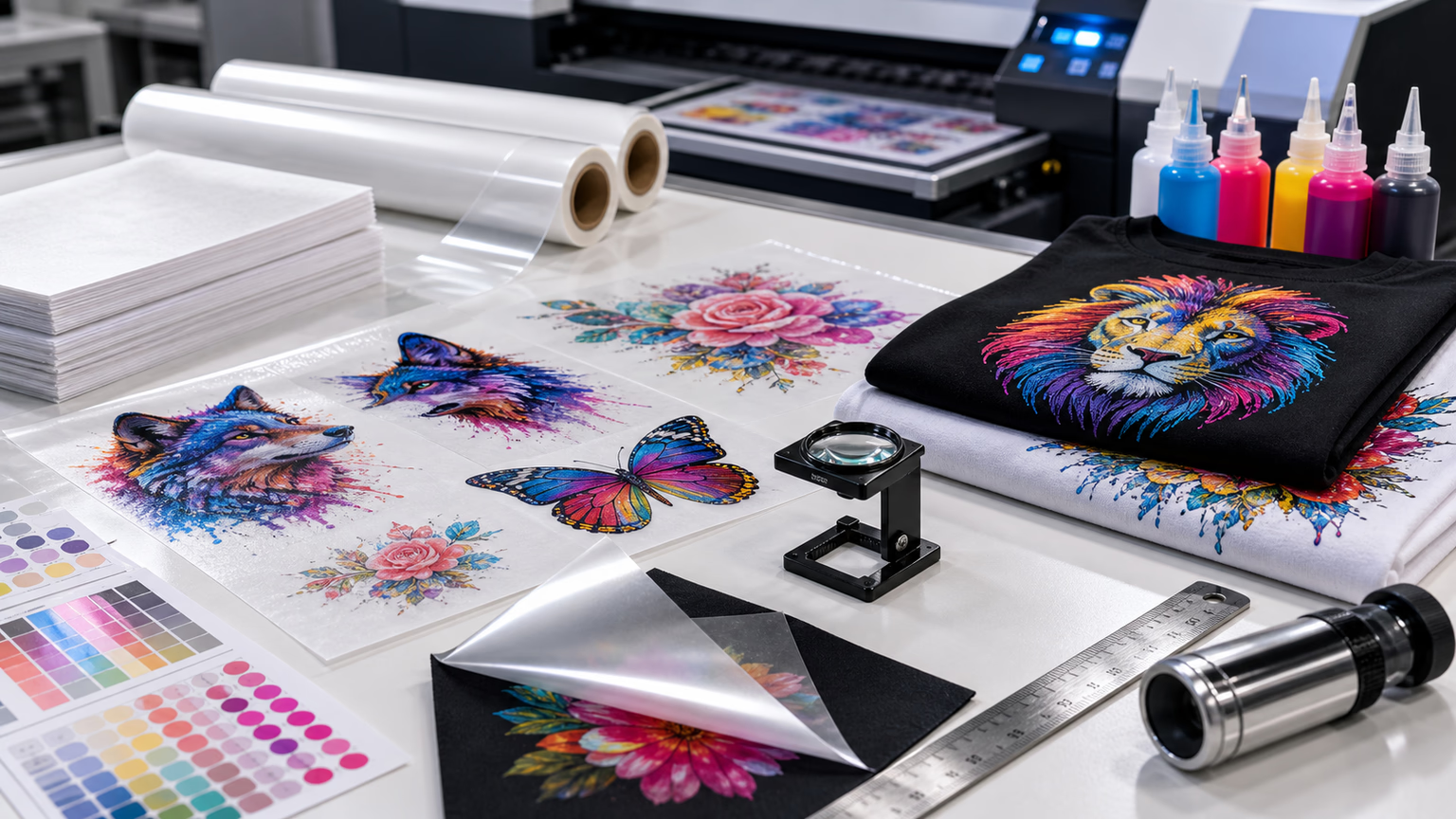
Once the transfer process is complete, carefully peel off the transfer sheet while the fabric is still warm. The design should now be firmly adhered to the fabric. If any areas of the design do not transfer properly, you may need to reapply heat and pressure to those areas.
9. Cool and Inspect
Allow the printed fabric to cool down completely. Once cooled, inspect the design for any imperfections or issues. If the print is satisfactory, your DTF transfer process is complete.
Tips for Best Results
- Use High-Quality Materials: Ensure that both the DTF transfer sheet and the fabric you are printing on are of high quality to achieve the best results.
- Follow Manufacturer’s Guidelines: Always refer to the manufacturer’s instructions for specific settings and recommendations for your DTF printer and transfer sheets.
- Practice and Experiment: Like any printing technique, DTF printing requires practice. Experiment with different designs, materials, and settings to find what works best for your needs.
- Maintain Your Equipment: Regularly clean and maintain your DTF printer and heat press to ensure consistent performance and high-quality prints.
Conclusion
Using DTF transfer sheets is a straightforward process that can yield excellent results when done correctly. By following the steps outlined in this guide, you can achieve high-quality prints on a variety of fabrics and materials. With practice and attention to detail, you’ll be able to master the art of DTF printing and create stunning designs that stand out.