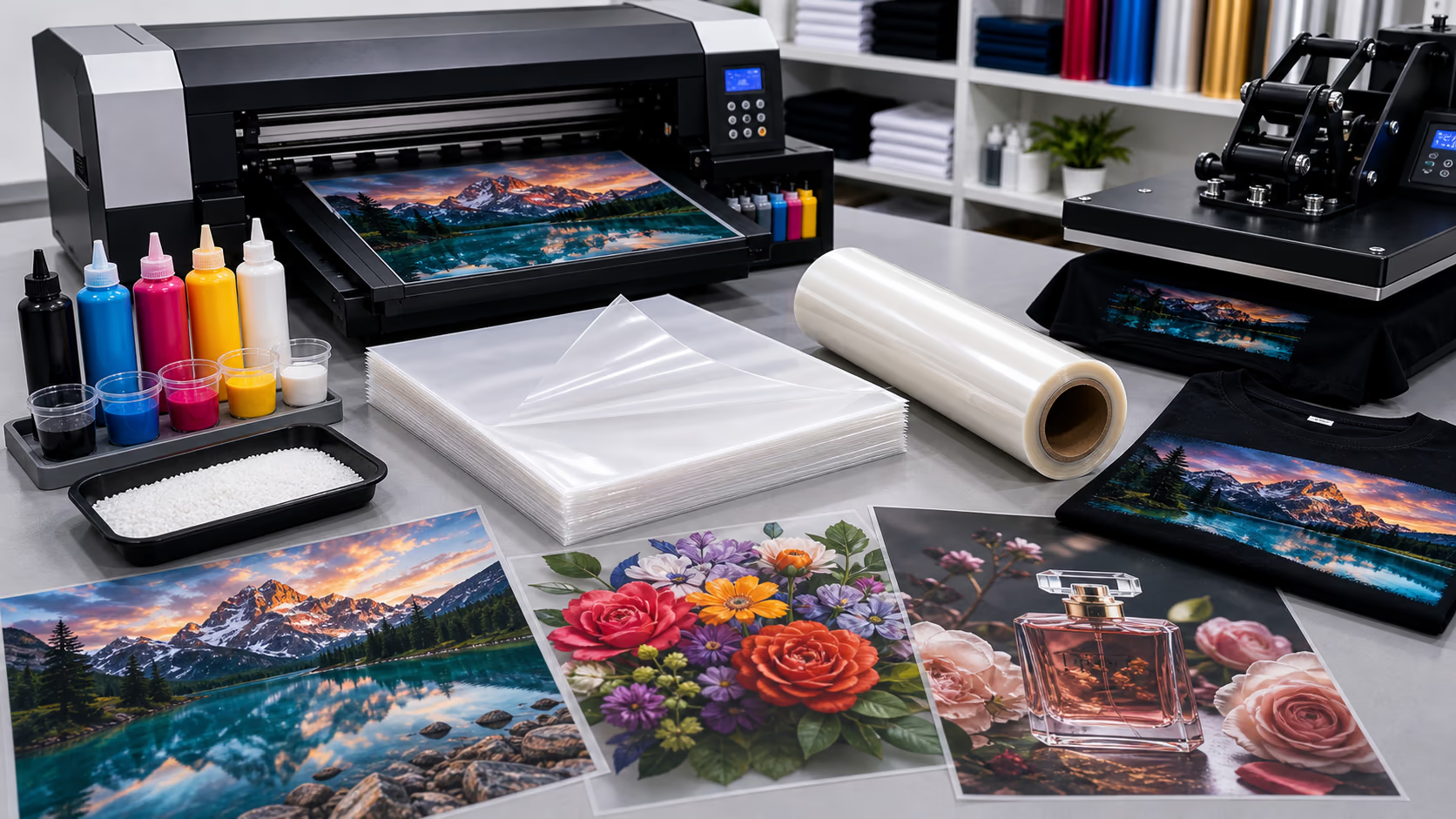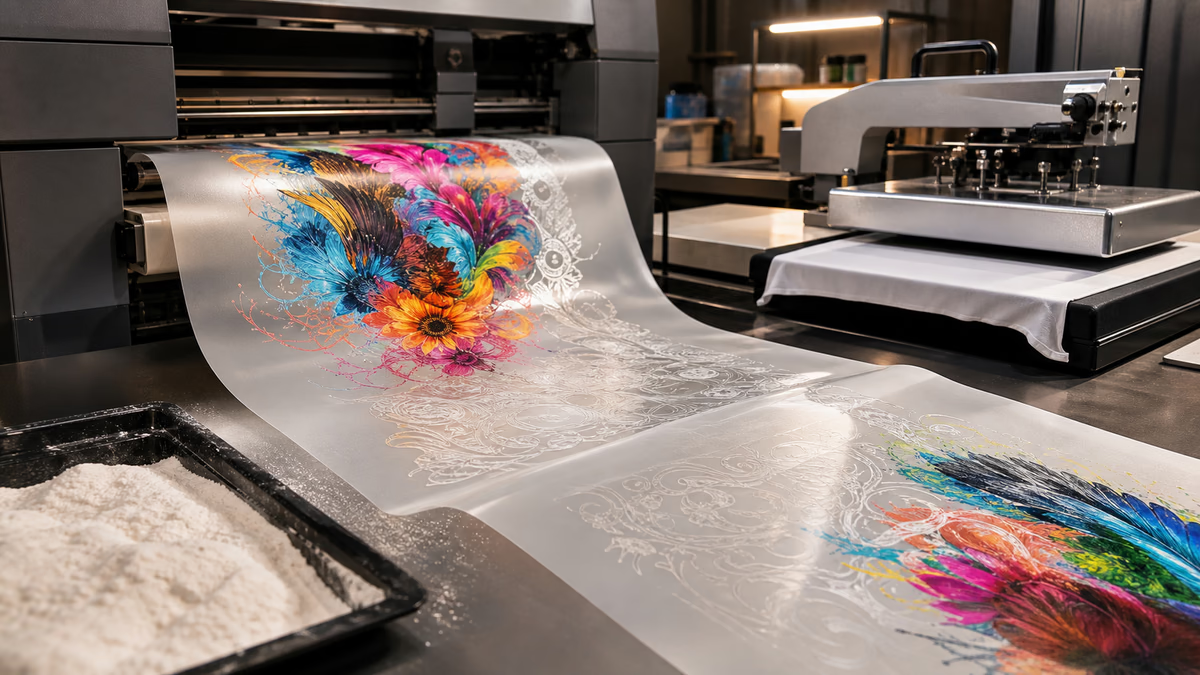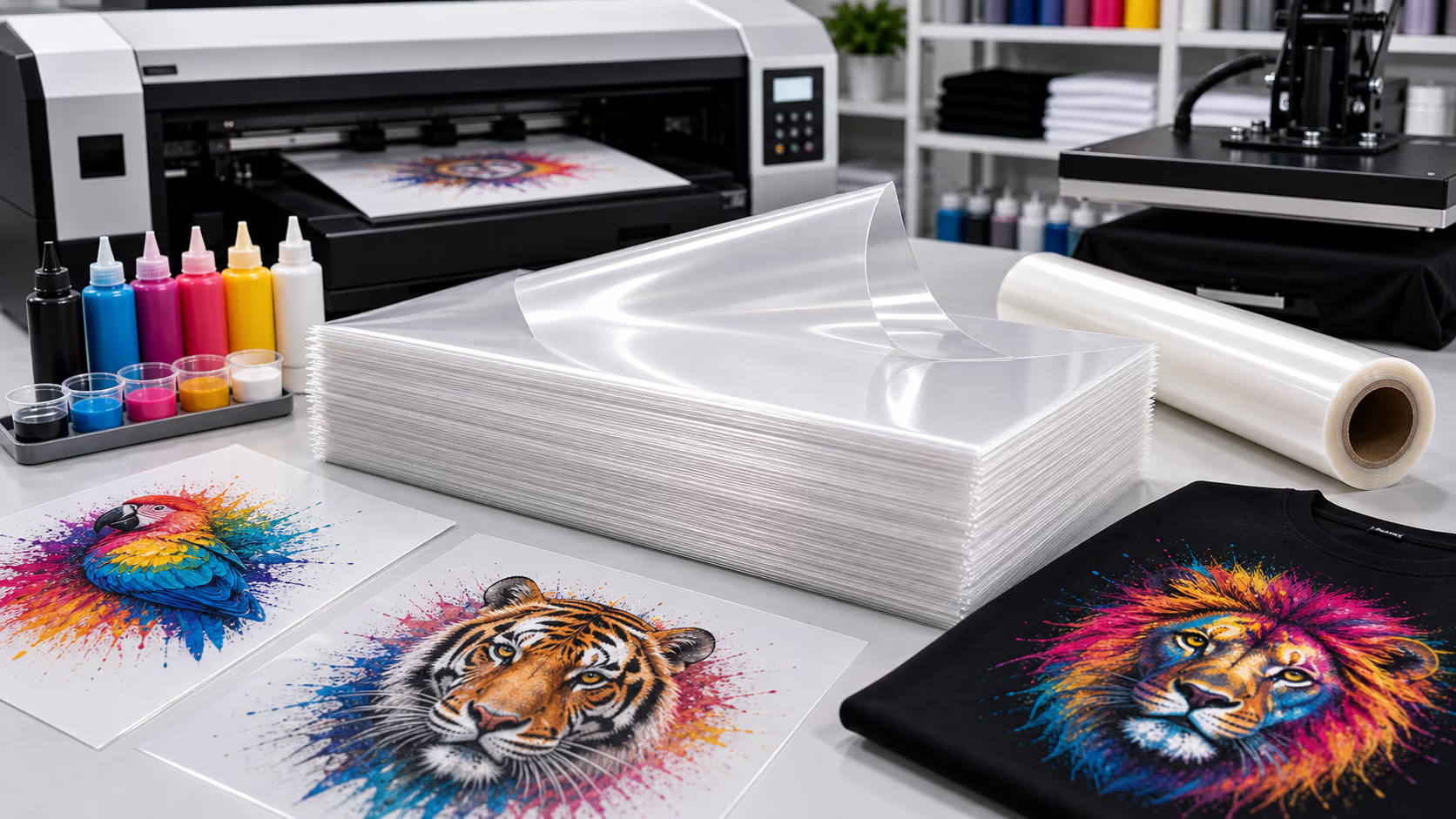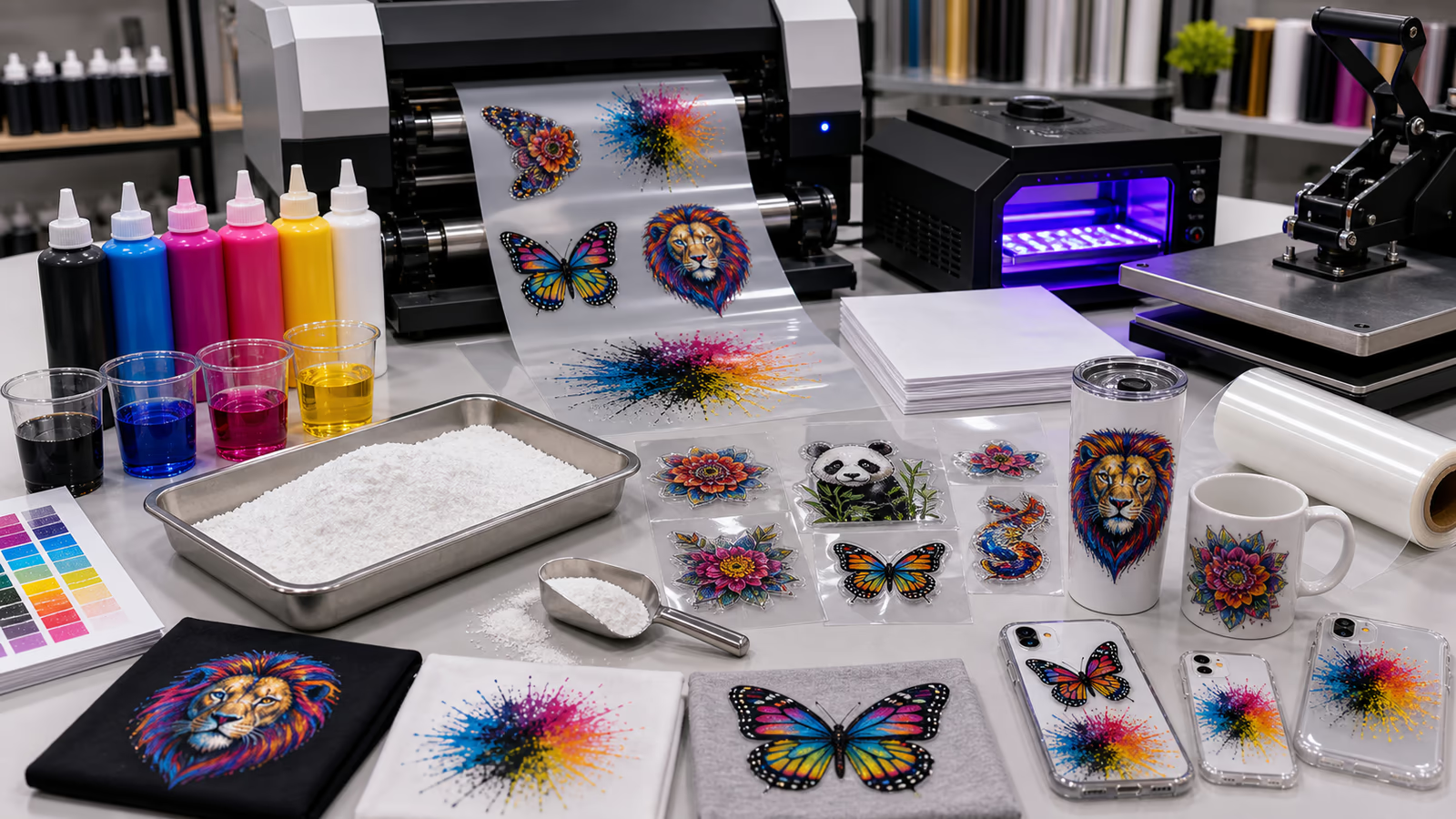
“The Perfect Fit for Your 13×19 Transfer Needs!” -MAXDTF- DTF Transfer Film Roll Factory, PET Film Transfer Supplier, Made in china
In the realm of Direct-to-Film (DTF) printing, where every detail from ink quality to film size impacts the final result, the 13×19-inch DTF transfer sheet has emerged as a favorite among small-to-medium businesses, crafters, and professional printers alike. This specific dimension—balancing ample design space with practicality—addresses the needs of both custom apparel creation and small-batch production, filling a gap between smaller hobbyist sheets and large industrial rolls. But what makes 13×19 DTF transfer sheets so indispensable? This article explores the unique advantages, ideal applications, key considerations for selection, and best practices for using this popular size, equipping readers to maximize its potential in their printing workflows.
Understanding the 13×19 DTF Transfer Sheet: Dimensions and Core Attributes
First, it’s critical to clarify the basics: a 13×19-inch DTF transfer sheet is a PET (Polyethylene Terephthalate)-based film engineered for the DTF printing process, measuring 13 inches in width and 19 inches in length (approximately 33×48 centimeters). This size is not arbitrary—it aligns with the capabilities of most mid-range DTF printers, which are commonly configured to handle media up to 13 inches wide, making 13×19 sheets a natural fit for seamless printing without manual trimming or waste.
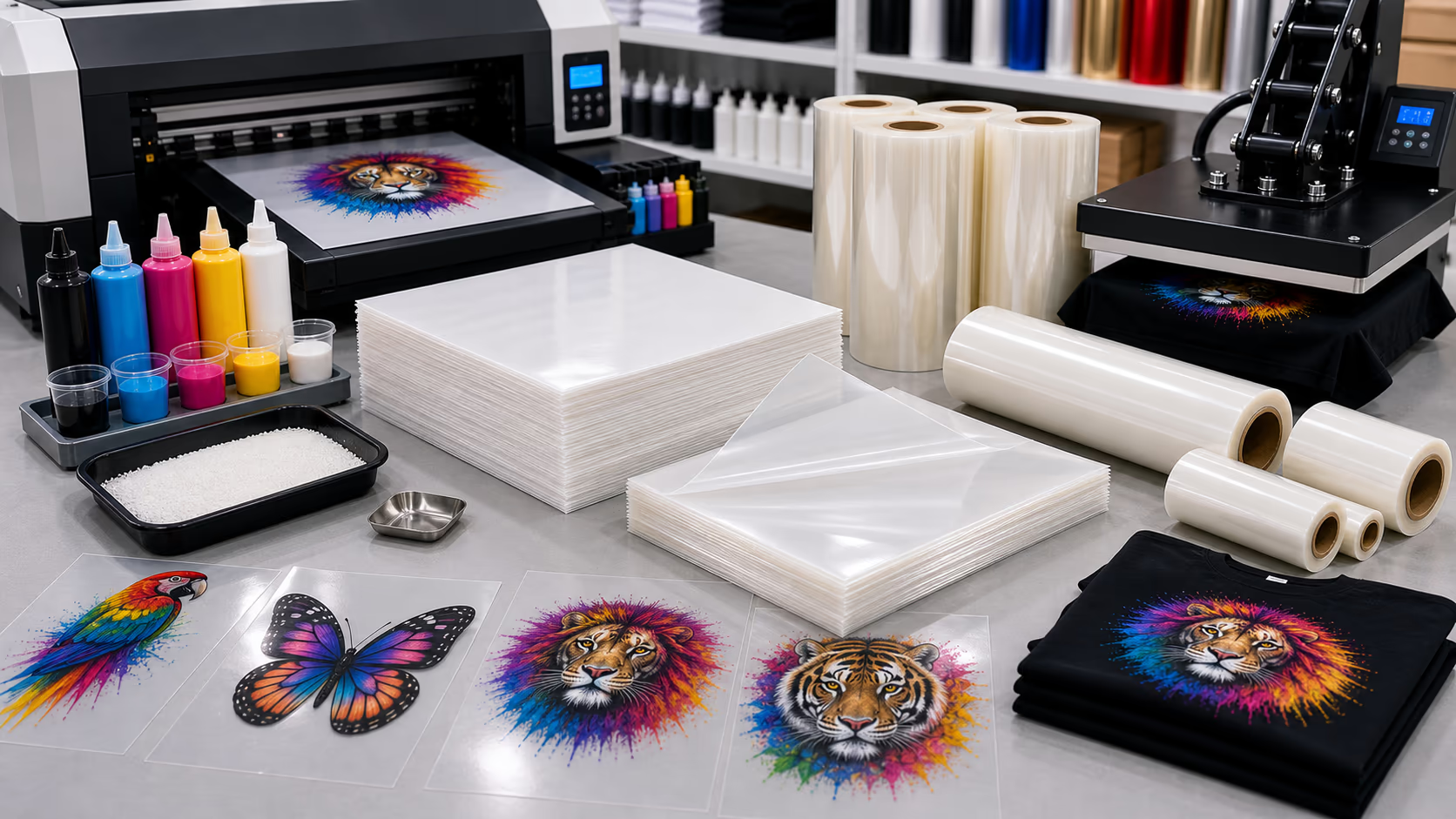
Like all high-quality DTF transfer sheets, the 13×19 variant features three essential layers: a durable PET base for dimensional stability, an ink-receptive top layer that ensures sharp color deposition and prevents bleeding, and a heat-activated adhesive layer that bonds the printed design to fabrics. What sets this size apart is its scalability—it’s large enough to accommodate full-front garment designs, multiple small patterns, or oversized graphics, yet compact enough to store easily, reduce material waste for small runs, and fit into standard heat presses (most entry-level to professional heat presses support 16×20-inch or larger platens, making 13×19 sheets compatible with minimal adjustment).
Why 13×19? The Unique Advantages of This Size
The popularity of 13×19 DTF transfer sheets stems from their ability to solve common pain points in DTF printing, from efficiency and cost-effectiveness to design flexibility. Below are the key benefits that make this size a staple for diverse users:
1. Ideal for Small-to-Medium Production Runs
For businesses that specialize in custom orders (e.g., local t-shirt shops, school spirit wear providers, or event merchandise creators), large industrial rolls (often 13 inches wide but 100+ feet long) can lead to excessive waste—especially when fulfilling orders for 5–50 units. 13×19 sheets eliminate this issue: printers can load only the number of sheets needed for a specific order, reducing unused material and lowering overhead costs. Hobbyists, too, benefit from this “pay-as-you-go” flexibility, avoiding the upfront investment in bulk rolls that may expire before use.
2. Maximizing Design Space Without Compromise
The 13×19 dimension offers ample room for popular garment designs, including: full-front prints for adult t-shirts, hoodie chest graphics, oversized logos for sweatpants, or multiple small designs (e.g., 4–6 kids’ t-shirt prints) on a single sheet. This versatility means printers can optimize each sheet’s real estate, reducing the number of prints needed per order and speeding up production. For example, a shop fulfilling an order for 20 custom tote bags can print 4 bag designs per 13×19 sheet, requiring only 5 sheets instead of 20 smaller 8.5×11-inch sheets—cutting down on printing time and labor.
3. Compatibility with Accessible Printing Equipment
Most entry-level and mid-range DTF printers (priced for small businesses and serious hobbyists) are designed to handle 13-inch-wide media, making 13×19 sheets a plug-and-play option. Unlike larger formats that require industrial-grade printers, 13×19 sheets work with machines that are more affordable and space-efficient—critical for home studios or small retail locations with limited square footage. Additionally, the size fits seamlessly into standard heat presses, eliminating the need for specialized equipment or awkward adjustments during the transfer process.
4. Easy Storage and Handling
13×19 sheets are compact enough to store in standard paper cabinets or plastic sleeves, protecting them from dust, moisture, and damage. Unlike large rolls that require dedicated storage racks and can become tangled or creased, sheets are easy to organize by type (e.g., high-tack vs. standard adhesive) or order. This ease of handling also reduces the risk of film damage during loading—critical for maintaining print quality, as creased or torn film can ruin an entire design.
Ideal Applications for 13×19 DTF Transfer Sheets
The versatility of 13×19 DTF transfer sheets makes them suitable for a wide range of printing projects, from custom apparel to promotional products. Below are the most common and effective applications:
1. Custom Apparel (Adult and Youth Sizes)
This size is perfect for printing full-front or large chest designs on adult t-shirts, hoodies, and sweatshirts. It also accommodates youth-sized garments, as printers can fit multiple small designs (e.g., 2–3 youth t-shirt graphics) on one sheet. The film’s flexibility ensures that designs transfer smoothly onto curved or textured fabrics, such as fleece hoodies or cotton blends, without distortion.
2. Promotional Products and Accessories
13×19 sheets are ideal for decorating promotional items like tote bags, backpacks, aprons, and pillowcases. Their size allows for large logos or custom graphics on tote bags (a popular promotional item for businesses and events) and can even accommodate multiple small designs for accessories like socks or hats. For example, a coffee shop looking to create branded aprons can print 2–3 apron designs per sheet, reducing costs for small-batch orders.
3. Small-Batch Merchandise and Limited Editions
Independent artists, musicians, and small brands often rely on limited-edition merchandise to connect with their audience. 13×19 DTF transfer sheets enable these creators to produce 10–50 units of a design (e.g., band t-shirts, art prints on fabric) without the waste or cost of bulk rolls. The size also supports intricate designs, such as detailed illustrations or gradient graphics, ensuring that limited-edition items maintain a professional, high-quality look.
4. Craft and Hobby Projects
Hobbyists and DIY enthusiasts use 13×19 sheets for a variety of projects, including custom quilt blocks, fabric wall art, or personalized baby blankets. The size is large enough to create statement pieces yet manageable for home printers. Additionally, the film’s compatibility with a range of fabrics (from cotton to linen) makes it a versatile tool for crafters looking to add unique designs to their creations.
Key Considerations When Selecting 13×19 DTF Transfer Sheets
Not all 13×19 DTF transfer sheets are created equal—quality varies significantly between manufacturers, and choosing the right sheet is critical for achieving professional results. Below are the most important factors to evaluate:
1. Adhesive Type: High-Tack vs. Standard
Select a sheet based on the fabric you’re printing on. High-tack 13×19 sheets are designed for textured or rough fabrics (e.g., denim, fleece, canvas), as their stronger adhesive ensures the design bonds securely. Standard-tack sheets work best for smooth fabrics (e.g., cotton t-shirts, polyester blends). Using the wrong adhesive type can lead to peeling, cracking, or poor adhesion after washing.
2. Ink Compatibility
Ensure the 13×19 sheet is compatible with your DTF ink type (water-based, solvent-based, or eco-solvent). The ink-receptive layer of the sheet is engineered to work with specific ink formulations—using incompatible ink can result in smudging, color fading, or poor ink adhesion. Reputable manufacturers will clearly label their sheets’ ink compatibility.
3. Thickness and Durability
Sheet thickness (measured in microns) affects both print quality and durability. Most high-quality 13×19 DTF sheets range from 100–150 microns. Thicker sheets (130–150 microns) offer better stability for large designs, reducing the risk of warping during printing or heat pressing. Thinner sheets (100–120 microns) are more flexible, making them ideal for curved surfaces like hats or sleeves. Additionally, look for sheets with a tear-resistant PET base to avoid damage during handling.
4. Peel Type: Hot vs. Cold
13×19 DTF sheets are available in hot-peel or cold-peel variants. Hot-peel sheets require immediate peeling after heat pressing (while still warm), which is ideal for fast-paced production. Cold-peel sheets must cool completely before peeling, resulting in a stronger bond and better detail retention—perfect for intricate designs or delicate fabrics. Choose based on your workflow and design complexity.
Best Practices for Using 13×19 DTF Transfer Sheets
To maximize the quality and longevity of your prints with 13×19 DTF transfer sheets, follow these best practices:
- Optimize Design Placement: Use graphic design software to arrange multiple small designs on a single 13×19 sheet (a practice called “nesting”) to minimize waste. Leave a 0.5-inch gap between designs to avoid ink bleeding during printing.
- Calibrate Your Printer: Ensure your DTF printer is calibrated for 13×19 media—adjust the print speed, ink laydown, and drying time to match the sheet’s thickness and ink-receptive layer. Test prints on a small section of the sheet before full production.
- Use the Right Heat Press Settings: Follow the manufacturer’s recommendations for temperature (typically 150–180°C) and pressure (3–5 kg/cm²) based on the sheet’s adhesive type and fabric. For 13×19 sheets, use a heat press with even pressure distribution to avoid uneven transfer.
- Store Properly: Keep unused 13×19 sheets in a cool, dry place, away from direct sunlight and moisture. Store them flat to prevent creasing, and seal them in airtight bags if not used immediately.
- Test Wash Before Fulfillment: Always perform a wash test on a sample garment printed with 13×19 sheets to ensure the design resists fading, peeling, or cracking. This step is critical for maintaining customer satisfaction.
Conclusion
13×19 DTF transfer sheets have solidified their place as a versatile, cost-effective, and user-friendly option in the DTF printing ecosystem. Their unique size balances design space with practicality, making them suitable for small businesses, hobbyists, and creators alike. By understanding their core attributes, ideal applications, and key selection criteria, you can leverage 13×19 sheets to produce high-quality, durable prints that stand out in the market. Whether you’re printing custom t-shirts, promotional products, or craft projects, this size offers the flexibility and efficiency needed to streamline your workflow and grow your business. As DTF technology continues to evolve, 13×19 transfer sheets will remain a cornerstone of accessible, professional-grade garment printing.